 en
en


 Tiếng Việt
  中文 (中国)
  한국어
한국어  Русский


 01/12/2024
 998 views
1. A glance at the geography of the Mekong River
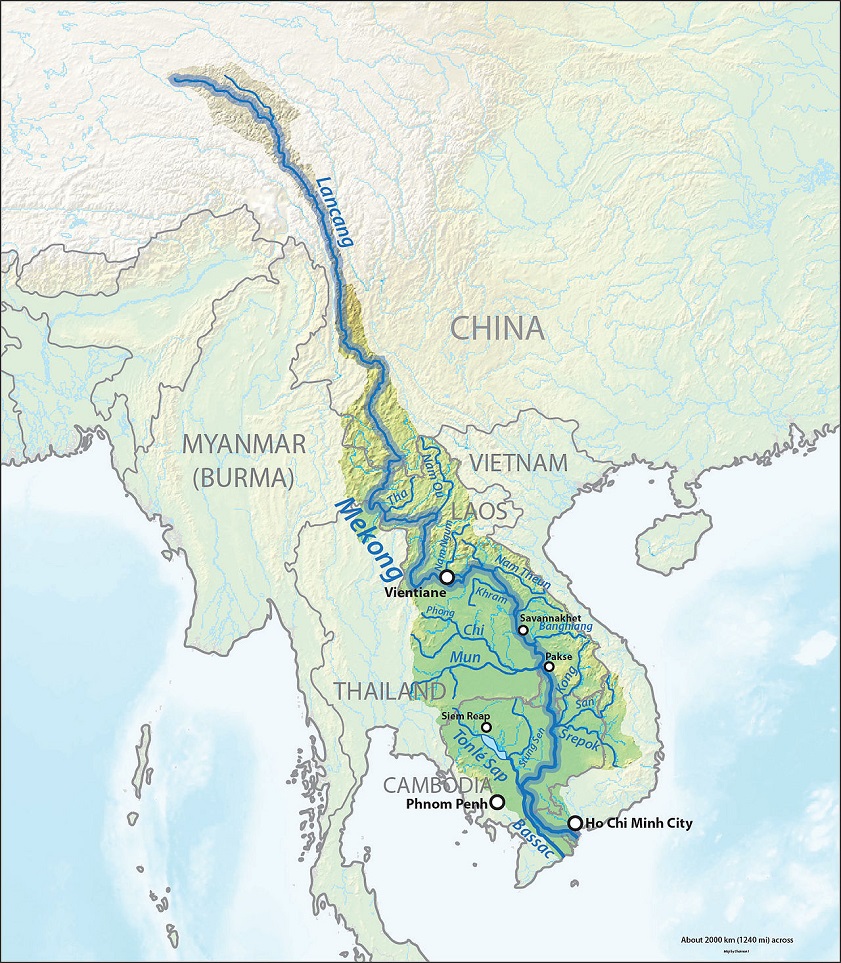
The geography of the Mekong River can be explored through three key questions: Where is the Mekong River? Mekong River in which country? How long is the Mekong River?
The Mekong River sources from the Tibetan Plateau in China and flows through six countries: China, Myanmar, Laos, Thailand, Cambodia, and Vietnam, ultimately reaching the East Sea (Vietnam). Stretching around 4,900 kilometers, it is the longest river in Southeast Asia. It covers a vast drainage area of 795,000 square kilometers with an annual water discharge of 475 cubic kilometers, making it the world’s tenth largest river by volume.
The Mekong River Basin features seven distinct regions, each with unique landscapes, drainage systems, and geological features. These regions are divided into the Upper and Lower Mekong River Basins:
- The Upper Mekong River Basin comprises the Tibetan Plateau, the Three Rivers Area, and the Lancang Basin within China and Myanmar.
- The Lower Mekong River Basin encompasses the Northern Highlands, the Khorat Plateau, the Tonle Sap Basin, and the Mekong Delta, spreading across Thailand, Laos, Cambodia, and Vietnam.
The location of the Mekong River spans six countries (Source: Collected)
2. Climate features of the Mekong River
The climate of the Mekong River Basin is highly varied. It spans from high-altitude continental and temperate climates in the upper basin to tropical monsoon conditions in the lower basin. By looking at the map of the Mekong River, you can see how climate zones change across its length.
In the Upper Mekong Basin, cooler temperatures prevail due to high elevation. The Tibetan Plateau, where the river originates, has glaciated peaks, with much of the area covered in snow during the rainy season. Here, sub-zero temperatures are common, while the dry season averages around 13°C. Yunnan Province in China has a generally cool climate throughout the year.
The Lower Mekong Basin has a tropical monsoon climate, which is driven by the Southwest Monsoon. The rainy season from June to November brings significant rainfall. In contrast, the dry season from December to May has cool temperatures and little rain, except in the Mekong Delta region of Cambodia and southern Vietnam. In the lowlands and river valleys, temperatures remain relatively steady, ranging from 23°C to 32°C during the hottest months of March and April. In the highlands of Laos, seasonal shifts are more pronounced, with average temperatures around 15°C in the rainy season.
Rainfall distribution varies widely across the basin. The east-to-west gradient brings rain-soaked uplands in Laos and Cambodia, with up to 3,000 mm annually. In contrast, northeastern Thailand’s semi-arid Khorat Plateau receives between 1,000 and 1,600 mm. In the Upper Mekong Basin, rainfall also fluctuates, from about 600 mm on the Tibetan Plateau to 1,700 mm in Yunnan’s mountains. This variability is influenced by the monsoonal system, which impacts the entire river basin.
The Mekong River Asia map highlights the varied climates along its upper and lower basins (Source: Collected)
Check out: Weather in Mekong Delta: The comprehensive guide
Best-selling products
![[02 Day Combo] - Admission to VinWonders + Vinpearl Safari Phu Quoc | Gifts: Meal Voucher + Teddy Bear Museum](http://booking-static.vinpearl.com/tours/877d8a3289a246d18f95aa5cc414f6d6_27be58d21e244664bf34d11d72e77860_Castle_vinwonders-phu-quoc-ve-vao-cua_vinwonders-phu-quoc-ve-vao-cua.jpg)
![[Hoi An Passport] VinWonders Ticket & Buggy Ride & Hoi An Coconut Forest](http://booking-static.vinpearl.com/tours/6c002e3ea71642f38eda8efa8654e5e4_vwnha0_vinwonders-nam-hoi-an-ve-vao-cua.jpg)
![[Nha Trang Passport] - [Half-Day] - Cable Car + Aquafield Sauna (2 hours) + Tata Show](http://booking-static.vinpearl.com/tours/91c34711df754e76b66d3ff6d3436e26_34d71a9c3e6b4b7484f9d7cbbc935c26_200dd4dda03e45e0a1add52e4acc11fa_NHT_1796_ve-xem-tata-show-vinwonders-nha-trang_ve-xem-tata-show-vinwonders-nha-trang.jpg)
![[VinWonders Cua Hoi] - Indoor Games Area](http://booking-static.vinpearl.com/tours/0b0d68a6480146e3a0aba9a3cfc038c1_1920-x-1080-double%20day%20sale%2077%20no%20text_vinwonders-nam-hoi-an-ve-vao-cua.jpg)
![[VinWonders Nha Trang] - Standard Admission Ticket to VinWonders | Free F&B Voucher](http://booking-static.vinpearl.com/tours/d1425f018b3e4d2d833374b5b52d8bb9_Hinh-anh-VinWonders-Nha-Trang-The-World-Garden-Lau-vong-canh-3x2-so-1_vinwonders-nha-trang-ve-vao-cua-sau-16h.jpg)
![[VinWonders Cua Hoi] Round-Trip Cable Car + Water Park + Buffet Voucher worth VND 125,000](http://booking-static.vinpearl.com/tours/aa8379d6db3a4f5c9df6d78d53177c35_11-E-Ticket-Vinwonder-Cua-Hoi_23072024111407_vinwonders-nam-hoi-an-ve-vao-cua.jpg)
![[Vinpearl Harbour] - Happy Hour Combo: Round-trip Cable Car + Dinner Buffet + Tata Show](http://booking-static.vinpearl.com/tours/a869acdae59e4137855742de1cbbb1af__KAH2165_vinpearl-harbour-combo-happy-hour.jpg)
![[Grand World Phu Quoc] [Ultimate Combo] - Water Taxi + Teddy Bear Museum + Grand Show](http://booking-static.vinpearl.com/tours/e31a9e66b5444808bba3e3114d195559_VENICE%20ALL%20IN%20ONE%20KV%20(1)_ve-bao-tang-gau-teddy-bear.jpg)
![[VinWonders Nha Trang] - 01-day Unlimited Admission Ticket | Free F&B Voucher](http://booking-static.vinpearl.com/tours/ccf23087ea0f419980c411d0e79c10fb_88c594a8352d49e7b031b9fbd5c5d27f_tro-choi-mao-hiem-o-vinpearl-nha-trang-thumb-1_vinwonders-nha-trang-khong-gioi-han-2-ngay_vinwonders-nam-hoi-an-ve-vao-cua.jpg)
![[VinWonders Nha Trang] - Admission to VinWonders after 4:00 PM](http://booking-static.vinpearl.com/tours/de2da6d471b34297ab13cb26ef2da9a0_Hinh-anh-VinWonders-Nha-Trang-The-World-Garden-Lau-vong-canh-3x2-so-1_vinwonders-nha-trang-ve-vao-cua-sau-16h.jpg)
![[Vinpearl Aquarium Times City] Entrance Ticket](http://booking-static.vinpearl.com/tours/8702a10bf2934d6299df65669a290679_aquarium%20times%20city%203_thuy-cung-vinpearl-aquarium-times-city.jpg)
![[VinWonders Cua Hoi] Combo Entrance Ticket | Includes Cable Car + Games Area (excluding Gokart and Indoor Games)](http://booking-static.vinpearl.com/tours/d5af0cb7759d48a7a2b991c8de1e19a0_Hinh-anh-VinWonders-Nam-Hoi-An-Noi-bat-3x2-so-3%20(1)_vinwonders-nam-hoi-an-ve-vao-cua.jpg)
![[Zoo Tram Combo] - Admission to Vinpearl Safari Phu Quoc + Zoo Tram](http://booking-static.vinpearl.com/tours/ceb77f9174d845ebb2fd3dfe2b846066_3%20copy_vinwonders-nam-hoi-an-ve-vao-cua.jpg)
![[VinWonders Vu Yen] - Admission Ticket to Games zone (after 5:00 PM)](http://booking-static.vinpearl.com/tours/edbd3eb4bc9848aead9940e0f5aa050d_fa21c62dfa9644ada0c3fce89b3e79ff_DO__8711_vinwonders-vu-yen-vuon-thu-khu-tro-choi-sau-17h.jpg)
![[Aquafield] - [Female] - 4-hour Korean Sauna](http://booking-static.vinpearl.com/tours/0e6fe24c37b84cb799b94dae70578054_aqf-suong-may-2048x1365_aquafield-nha-trang-xong-hoi-chuan-han.jpg)
![[VinWonders Nam Hoi An] - Standard Admission Ticket](http://booking-static.vinpearl.com/tours/81813f8ced2c466e82ad53f1c29c1904_tour-kham-pha-van-hoa-viet-vinwonders-nam-hoi-an-668ca102bcc29_vinwonders-nam-hoi-an-ve-vao-cua.jpg)
![[VinWonders Phu Quoc] - Standard Entrance Ticket](http://booking-static.vinpearl.com/tours/0dd25afc61ad45d48486bbd3b9c8a96a_tieu%20chuan%201_vinwonders-phu-quoc-ve-vao-cua.jpg)
![[VinGroup Employees] Standard Admission Ticket to Ocean Park 3 Water Park](http://booking-static.vinpearl.com/tours/f949b31af919495c9b4e111237642763_358600999_111579731994757_433244877993048710_n_vinwonders-ha-noi.jpg)
![[50% Student Discount] – VinWonders Admission Ticket](http://booking-static.vinpearl.com/tours/43126c168bb04853bf7c93e197db724a_Banner%201200x628_vinwonders-nha-trang-ve-vao-cua-2-chieu.jpg)
![[Grand World] Skydrop ticket](http://booking-static.vinpearl.com/tours/ed7c962747be42458f35c7b18340b901_A2-4-jpeg-2640-1687438608_grandworld.jpg)
![[Grand World Phu Quoc] - The Quintessence of Vietnam Show](http://booking-static.vinpearl.com/tours/f88e2be1139b4eada4043eb7f0e39362_THVN1_show-tinh-hoa-viet-nam.jpg)
![[Grand Park] Celestial Swing](http://booking-static.vinpearl.com/tours/eeb9a602315342ccbc7965b29cfb0db0_Ảnh%20màn%20hình%202025-03-03%20lúc%2015.00.17_vinwonders-nam-hoi-an-ve-vao-cua.png)
![[Nha Trang Passport] - [Half-Day] - Cable Car + Aquafield Sauna (2 hours) + Tata Show](http://booking-static.vinpearl.com/tours/ef49c187eadf4177b425d2bb85a18b30_200dd4dda03e45e0a1add52e4acc11fa_NHT_1796_ve-xem-tata-show-vinwonders-nha-trang.jpg)
![[Grand World Phu Quoc] - Water Taxi Boat + Teddy Bear Museum](http://booking-static.vinpearl.com/tours/add2e0908faa4289b555856472b181be_VENICE%20ALL%20IN%20ONE%20KV%20(1)_ve-bao-tang-gau-teddy-bear.jpg)
![[VinWonders Vu Yen] - Admission Ticket to Zoo + Games + Buffet](http://booking-static.vinpearl.com/tours/b2cd8cf6b14c48459b21393e14d73163_vwvy%201_vinwonders-nha-trang-ve-vao-cua-2-chieu.jpg)
![[Hon Tam] - [Zone A&B] - Full island entertainment + Mud Bath Zone A + Lunch](http://booking-static.vinpearl.com/tours/af991883d63f4133b62b76551ba2444d_tam-bun-dao-hon-tam_httpswwwhontammudbathvnwp-contentuploadssites2720190625-3-2200x700jpg.jpg)
![[VinWonders Vu Yen] - [04 Adults] - Admission to Zoo + Games + Free Tote Bag](http://booking-static.vinpearl.com/tours/34488b227a3648e5b73d4aa6d6d36b46_DO__8153_vinwonders-nha-trang-ve-vao-cua-2-chieu.jpg)
![[Grand World] Carousel Ride](http://booking-static.vinpearl.com/tours/0d6a4bcfc2a54fd4aa9df0b38ae8c7b6_A2-4-jpeg-2640-1687438608_grandworld.jpg)
![[-30%] The Quintessence of Vietnam Show](http://booking-static.vinpearl.com/tours/6cee2bcb52a447009f64771095d03c9e_Screenshot%202024-10-22%20at%2014.49.18_ve-bao-tang-gau-teddy-bear.png)
![[-10%] - VIP River Safari Ticket*](http://booking-static.vinpearl.com/tours/5d3ee19e977446be8917a34697bb9443_ece6e58a02fd48de9eba9d3f4689f77a_Hinh-anh-VinWonders-Nam-Hoi-An-River-Safari-3x2-so-1%20(1)_vinwonders-nam-hoi-an-ve-vao-cua_vinwonders-nam-hoi-an-ve-vao-cua.jpg)
![[Vinpearl Aquarium Times City] Entrance Ticket](http://booking-static.vinpearl.com/tours/e7fcffc8256546e8bdcfd5ccfbe69783_VINKE2%20(1)_vinke-ve-vao-cua-truc-tiep.jpg)
![[Aquafield] - [Male] - 4-hour Korean Sauna](http://booking-static.vinpearl.com/tours/94abeb55e3d54efbac23f7a862445389_0d72b531dd6749bbac2874b915ab0512_Screenshot_8_aquafield-nha-trang_aquafield-nha-trang.png)
![[Buggy Combo] - VinWonders Phu Quoc + Buggy + Free Ice Cream](http://booking-static.vinpearl.com/tours/0fc52a574094489da612d0f36bb4b1e6_buggy%20kem_vinwonders-phu-quoc-ve-vao-cua-tet-vi-vu.jpg)
![[Aquafield] - [Male] - 4-hour Korean Sauna](http://booking-static.vinpearl.com/tours/4ae60d29ea264f8fab17beb6b4415502_aqf-da-muoi_aquafield-nha-trang-xong-hoi-chuan-han.jpg)
![[Aquafield] - 2-hour Aquafield Sauna + 30-min Spa](http://booking-static.vinpearl.com/tours/b0bf65880af449f39ea19fa0acbb94d5_34d71a9c3e6b4b7484f9d7cbbc935c26_200dd4dda03e45e0a1add52e4acc11fa_NHT_1796_ve-xem-tata-show-vinwonders-nha-trang_ve-xem-tata-show-vinwonders-nha-trang.jpg)
![[Aquafield Ocean City] [Male] – Standard Jjimjilbang Sauna Ticket](http://booking-static.vinpearl.com/tours/0be276c684454e8d969c373f35f6be97_DSC_2127_11zon_aquafield-nha-trang.jpg)
![[Hon Tam] - [Zone A] - Mud Bath + Lunch Combo](http://booking-static.vinpearl.com/tours/5debd1efb6d34e42a88efa65354c8c72_ebdde60fd9a44539afe75c9338ec8a3d_ảnh%205_tam-bun-hon-tam.jpg)
![[Vinpearl Harbour] - Round-trip Cable Car Ticket](http://booking-static.vinpearl.com/tours/3cbd16b8edc74f6abc7f7cfa0e91caec_VPHB_Photos15_vinwonders-nha-trang-ve-vao-cua-2-chieu.jpg)
![[Aquafield] - [Male] - Round-trip Cable Car + 4-hour Korean Sauna](http://booking-static.vinpearl.com/tours/625529980f3249e6b0491cddfc30db43_297be2477c5847748ef3bc08603ebf90_aqf%204_aquafield-nha-trang.jpg)
![[Hon Tam] - [Zone A] - Standard Mud Bath](http://booking-static.vinpearl.com/tours/9db66a615a7d4f119316b338afff30cb_tam-bun-dao-hon-tam_httpswwwhontammudbathvnwp-contentuploadssites2720190625-3-2200x700jpg.jpg)
![[Aquafield] - [Female] - Round-trip Cable Car + 4-hour Korean Sauna](http://booking-static.vinpearl.com/tours/c3bae84e472b42078ca3ff6f28d55d80_1c5968412aca409fa8571c88cc85a4ba_aqf%205_aquafield-nha-trang.jpg)
![[Grand Park] Water Park + Dream Garden Outdoor Games Combo](http://booking-static.vinpearl.com/tours/35566b714d4c4dd9802a6bf4650ac2b1_khu-vui-choi-cua-hoi-9_vinwonders-nam-hoi-an-ve-vao-cua.jpg)
![[Nha Trang Passport] – [01 day] – Snorkeling Tour + Lunch & Mud Bath at Hon Tam + Vinpearl Harbour + Tata Show](http://booking-static.vinpearl.com/tours/f6b1826759674c9c9d3f074e03fa04ba_snorkeling%201_vinwonders-nha-trang-ve-vao-cua-2-chieu.jpg)
![[Onsite service] - Premium VIP Zoo Tour Vinpearl Safari Phu Quoc](http://booking-static.vinpearl.com/tours/ff1e4b66ec1b46edad0c0460144e70ad_VINPEARL%20SAFARI%20PHU%20QUOC%20%20(51)_vinwonders-nam-hoi-an-ve-vao-cua.jpg)
![[Aquafield Ocean City] - Body Exfoliation Session](http://booking-static.vinpearl.com/tours/0e8ee4024e1f4378ba932eb06d945636_Screenshot_14_aquafield-nha-trang.png)
![[Grand World Phu Quoc] - Teddy Bear Museum](http://booking-static.vinpearl.com/tours/30da03237e2f42fe818e6686fb350481_teddy%20bear%201_ve-bao-tang-gau-teddy-bear.jpg)
![[Vinpearl Harbour] - Combo for 02 pax: Round-trip cable car + Two-seater Go Kart ride](http://booking-static.vinpearl.com/tours/ab277ed82445448aad2f6b1a0c249e40_Gokart-1_vinpearl-harbour-go-kart-xe-doi.jpeg)
![[VinWonders Cua Hoi] - Combo: Indoor Games + Outdoor Games](http://booking-static.vinpearl.com/tours/59e1a8613d6741d9b9c86645ecf6726e_vinwonders-cua-hoi-10_vinwonders-cua-hoi.jpeg)
![[Aquafield Ocean City] [Female] – Standard Jjimjilbang Sauna Ticket](http://booking-static.vinpearl.com/tours/4aec5fed6be54fe8a736aca12893384b_40fc72547fe242f8b6bbbbc428885848_065A8735_aquafield-nha-trang_aquafield-nha-trang.jpg)
![[-10%] - Tata Show Ticket](http://booking-static.vinpearl.com/tours/18dc9f798082474ba26cf00121da6180_Hinh-anh-VinWonders-Nha-Trang-The-World-Garden-Lau-vong-canh-3x2-so-1_ve-xem-tata-show-vinwonders-nha-trang.jpg)
![[Hon Tam] - 15-Minute Snorkeling](http://booking-static.vinpearl.com/tours/56618ea554304747b54636a31d59f9f4_Untitled-design-1_httpswwwhontammudbathvnwp-contentuploadssites2720190625-3-2200x700jpg.jpg)
![[Times City] Combo VinKE & Vinpearl Aquarium Entrance Ticket](http://booking-static.vinpearl.com/tours/d6296ca1d3714503b01f24603b85b8cf_vinke1_vinke-ve-vao-cua-truc-tiep.jpg)
3. Important roles of the Mekong River in Asia
The Mekong River is a vital resource in Southeast Asia. It supports rich ecosystems, sustains local communities, and drives economic growth across the region.
3.1. In biology
The Mekong River Basin stretches across varied geographic and climatic zones, fostering an exceptionally rich biodiversity. Only the Amazon Basin surpasses it in terms of plant and animal diversity. The river’s waters sustain vast forests and wetlands, which supply essential resources like building materials, medicinal plants, and food. This unique environment supports thousands of wildlife species, making the Mekong Basin one of the world’s most biodiverse areas.
This basin is part of the “Indo-Burma biodiversity hotspot,” a globally recognized area of ecological significance. Its diverse ecosystems include wet evergreen and dry evergreen forests, deciduous and montane forests, karst limestone woodlands, and coastal mangroves. These ecosystems provide valuable non-timber resources such as wild plants, animal products, food, dyes, and medicinal ingredients, which contribute significantly to rural livelihoods.
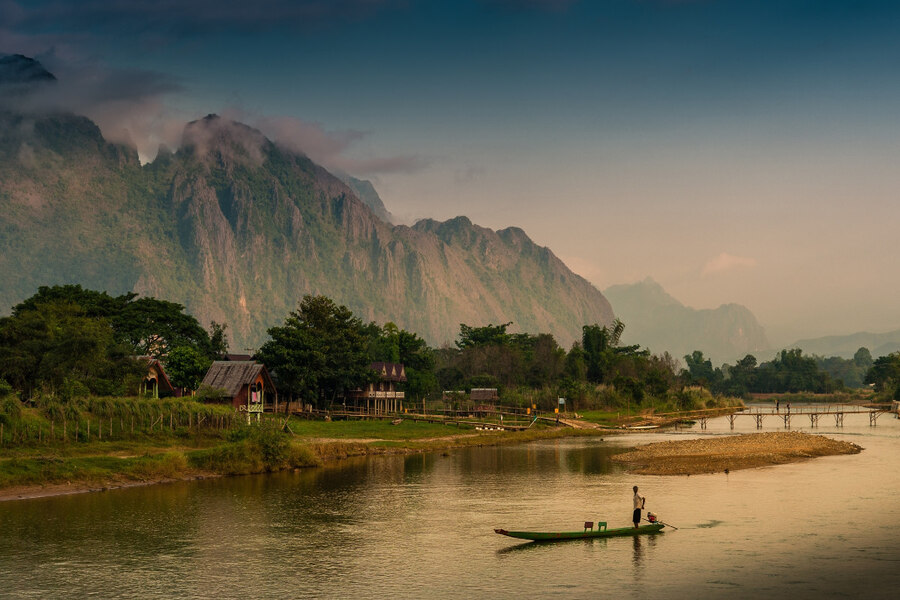
Diverse ecosystems thrive in Mekong River countries (Source: Collected)
3.2. In the local life
The Mekong River Basin’s wetlands are essential for millions of people. They provide a strong foundation for agriculture, aquaculture, and fishery, as well as the harvesting of non-fish aquatic products. These wetlands sustain local economies and attract tourism, which adds to the region’s income.
Around 15,000 cubic meters of water from the basin flows into the Mekong River every second, supporting the daily needs of about 100,000 people. The wetlands also play a key role in local practices, shaping traditions and lifestyles that have evolved along the river over centuries. This deep connection highlights the Mekong River’s irreplaceable role in preserving the cultural fabric of the region.
3.3. In economy
The Mekong River is central to Southeast Asia’s economy. It provides natural resources that support various industries. The basin holds valuable minerals such as gold, copper, lead, zinc, phosphate, potash, oil, gas, coal, and gemstones. Although much of this wealth remains untapped, it offers vast economic potential for the region.
The river also sustains extensive agriculture, especially rice farming, which thrives on its fertile soil and ample water supply. Aquaculture and fishery flourish in the Mekong, significantly boosting local food supplies and incomes. Together, these economic activities make the river a vital asset for sustainable development in the countries it traverses.
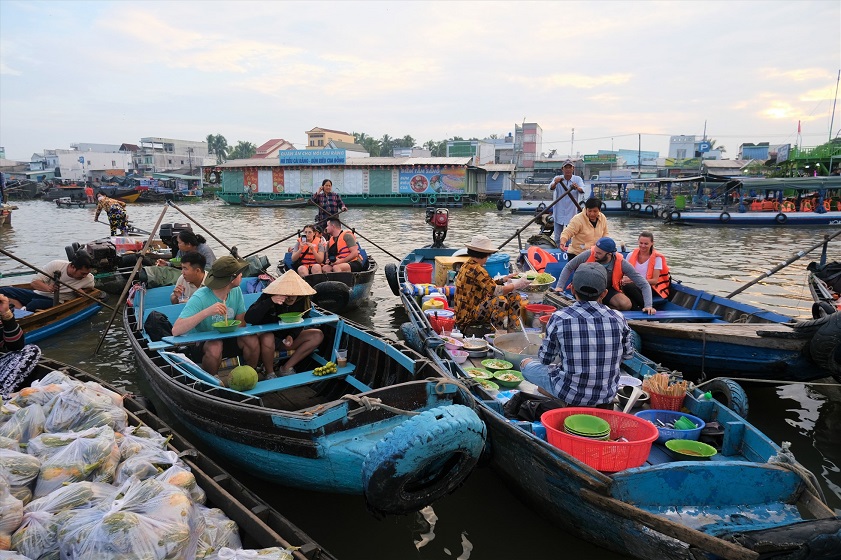
These facts about the Mekong River underline its crucial role (Source: Collected)
3.4. In other aspects
The Mekong River’s natural wetlands provide many important indirect benefits:
- The wetlands absorb floodwater during the rainy season, helping prevent disasters.
- The mangroves along the delta’s coast protect against erosion and trap nutrients, boosting agriculture and fishery.
- The wetlands in urban and peri-urban areas filter excess nutrients and toxins from wastewater before it reaches the Mekong, improving water quality.
4. Top tourist destinations in the Mekong River Delta
The Mekong River Delta is primarily located in Southern Vietnam. It is the area where the Mekong River branches into numerous distributaries before flowing into the East Sea. Known for its lush landscapes, floating markets, and unique heritage, the Mekong Delta offers a rich experience for travelers. Here are some must-visit destinations in the Mekong River Delta for your Vietnam travel.
4.1. Can Tho
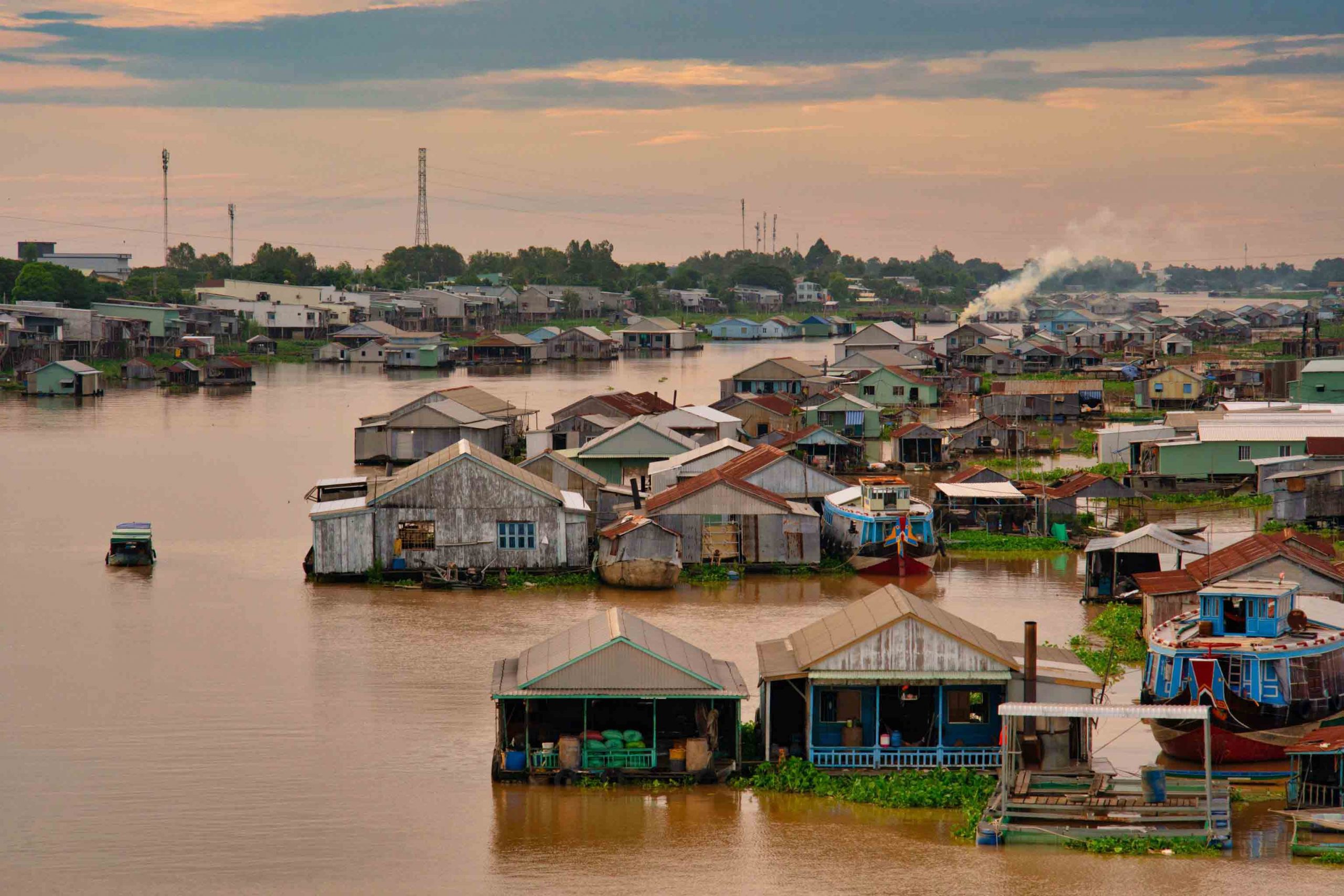
Famous for its floating markets and verdant canals, Can Tho is a must-visit on any Mekong River tour. This city offers a glimpse into the riverine lifestyle that defines the region.
- Cai Rang Floating Market: This is one of the most iconic Mekong River floating markets, where vendors sell fruits, vegetables, and other goods from their boats at dawn.
- Binh Thuy Ancient House: This over-century-old house combines French colonial architecture with traditional Vietnamese design.
- Bang Lang Stork Sanctuary: This peaceful bird sanctuary offers a chance to observe thousands of storks in their natural habitat.
- Fruit Gardens: Can Tho is famous for its orchards. Popular ones like My Khanh, 9 Hong, Rach Ke, and Vam Xang allow visitors to pick and enjoy fresh fruits right on site.
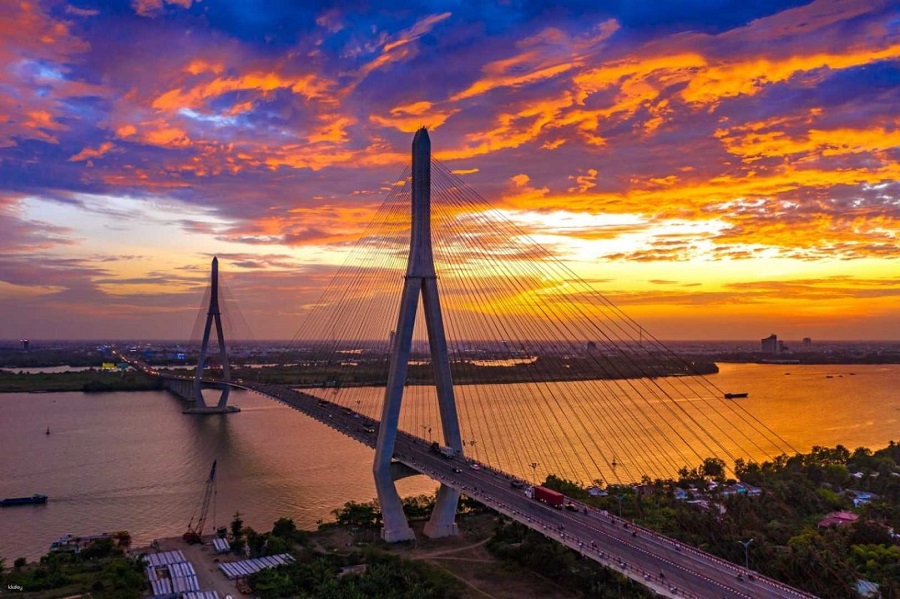
Can Tho offers some of the best Mekong River tour experiences (Source: Collected)
4.2. Kien Giang
The province of Kien Giang is home to Phu Quoc, Vietnam’s largest island. Renowned for its pristine beaches, clear waters, and vibrant marine life, Phu Quoc offers a blend of natural beauty and modern charm, making it a popular destination for both relaxation and adventure. Notable attractions in Phu Quoc include:
- VinWonders Phu Quoc: As the largest theme park in Vietnam, VinWonders boasts various entertainment zones, making it a great destination for families and friends looking for excitement.
- Vinpearl Safari Phu Quoc: This semi-wildlife conservation park is the first of its kind in Vietnam, home to a diverse range of exotic animals. Visitors can participate in interactive activities such as feeding giraffes and observing Bengal tigers in a naturalistic habitat.
- Grand World Phu Quoc: Known as the “sleepless city,” Grand World offers vibrant nightlife, captivating street performances, and themed areas inspired by famous landmarks worldwide.
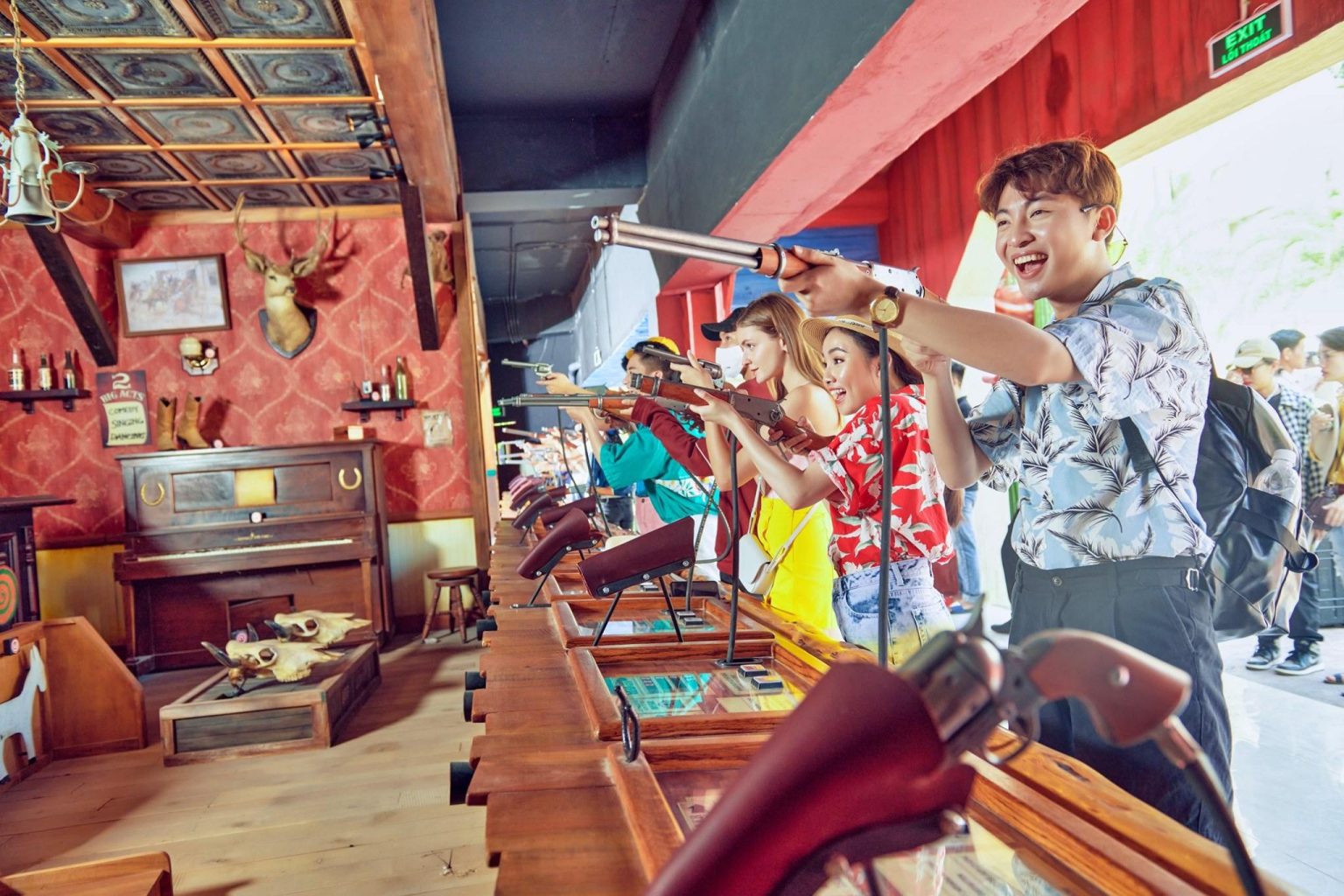
VinWonders Phu Quoc offers a mix of culture, entertainment, and adventure
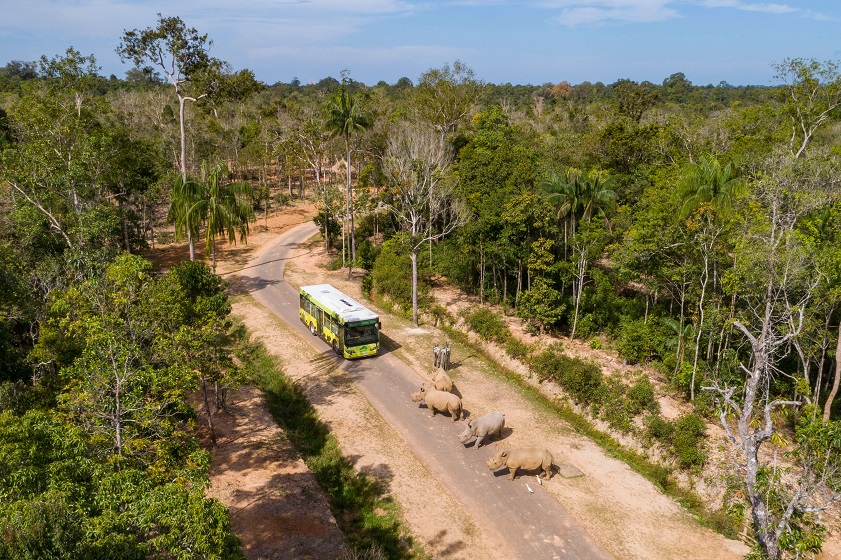
Explore the wild at Vinpearl Safari Phu Quoc
For a convenient stay near these attractions, Vinpearl Phu Quoc offers a range of luxurious accommodations with beautiful beach views, top-notch amenities, and excellent service. Vinpearl Phu Quoc’s modern facilities ensure a memorable trip in Phu Quoc for every guest.
Book VinWonders Phu Quoc ticket now
Book rooms in Vinpearl Phu Quoc ticket now
4.3. Dong Thap
Located in the heart of the Mekong Delta, Dong Thap is known for its beautiful landscapes and riverside charm. It is marked on the Mekong Delta map as a prime spot for exploring Vietnamese culture and unique wetlands. Notable attractions in Dong Thap include:
- Sa Dec: This city is famous for its vibrant flower gardens and French colonial architecture. Notably, Sa Dec Flower Village is especially colorful during Tet, showcasing a variety of blooming plants and ornamental flowers.
- Tram Chim National Park: A haven for birdwatchers, this park is home to diverse wildlife, including the rare sarus crane.
- Phuoc Kien Pagoda: This pagoda is known for its giant lotus leaves which span 2-3 meters and can hold up to 140 kg.
- Xeo Quyt Eco-Tourism Site: With its untouched landscape, Xeo Quyt preserves relics from Dong Thap’s resistance period.
4.4. An Giang
The province of An Giang is another captivating destination within the Mekong Delta. Known for its unique mix of Vietnamese, Khmer, Cham, and Chinese communities, An Giang provides visitors with a rich tapestry of experiences.
- Sam Mountain: A significant pilgrimage site, Sam Mountain is known for its beautiful temples and pagodas, especially Ba Chua Xu Temple.
- Tra Su Cajuput Forest: This lush forest is a must-visit for nature lovers, offering peaceful boat rides through scenic canals filled with water hyacinths and a variety of bird species.
- Chau Giang Cham Village: This Cham village offers a glimpse into the unique culture of the Cham people. Visitors can explore mosques, admire traditional houses, and sample local dishes.
- Tay An Pagoda: With its colorful architecture combining Indian and Vietnamese influences, Tay An Pagoda is both a spiritual and architectural attraction.
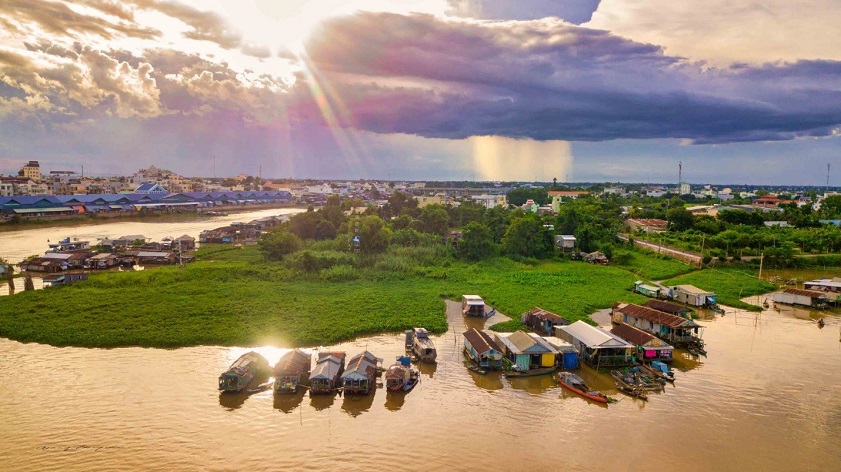
An Giang offers great things to do in the Mekong River Delta (Source: Collected)
4.5. Tien Giang
Tien Giang Province, close to Ho Chi Minh City, is a popular gateway to the Mekong Delta. Known for scenic waterways, floating markets, and lush orchards, it offers a taste of the delta’s charm.
- Cai Be Floating Market: This vibrant floating market is where boats overflow with fresh fruits, vegetables, and other local goods.
- Thoi Son Island: Also called Unicorn Island, this spot has tropical fruit gardens, bee farms, and coconut candy workshops.
- Bach Cong Tu House: This historical mansion from the 1920s showcases Western-inspired architecture and a glimpse into heritage.
- Vinh Trang Pagoda: This famous Buddhist temple features a unique blend of Vietnamese, Khmer, and European design elements.
4.6. Ben Tre
With its picturesque coconut groves, traditional villages, and serene waterways, Ben Tre is a must-visit if you are looking to experience the tranquil side of Vietnam’s southern region.
- Coconut gardens: Known for its coconut plantations, Ben Tre allows visitors to tour lush groves, learn about coconut farming, and enjoy fresh coconut water.
- Con Phung (Phoenix Island): Set on the Tien River, this island offers river cruises and workshops where local artisans craft coconut products.
- Vam Ho Bird Sanctuary: A sanctuary for water birds, this area showcases diverse wildlife in a natural setting.
- Binh Dai Beach: This is an unspoiled beach where visitors can swim, enjoy seafood, and visit nearby spiritual sites.
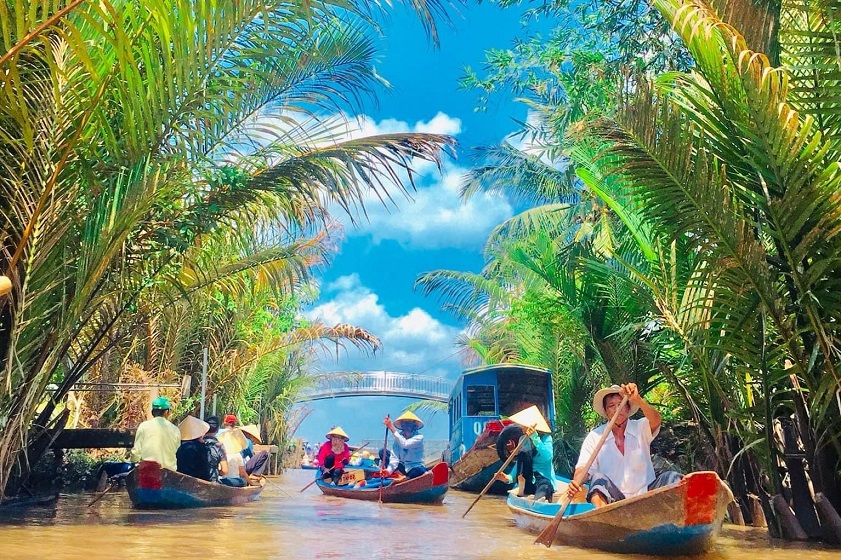
Ben Tre offers a rustic beauty unique to the Mekong Delta (Source: Collected)
5. The best way and best time to explore the Mekong River
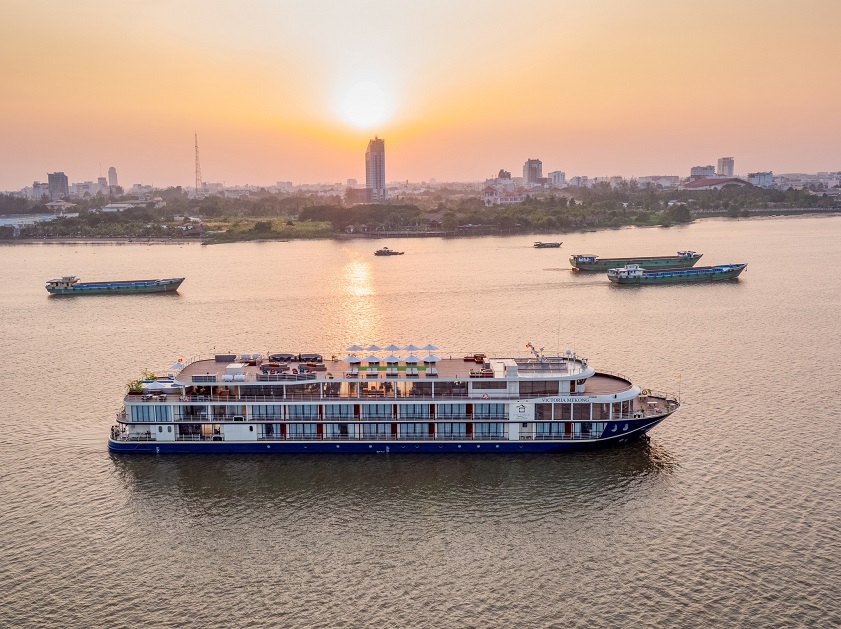
Taking a Mekong River cruise is one of the best ways to explore the beauty of Southeast Asia. Along the way, you will see rural villages, rice fields, Mekong River floating markets, and temples. The cruise mostly covers areas in Vietnam, Cambodia, and Laos, providing a scenic journey through diverse landscapes.
If you prefer luxury cruises, the Mekong Princess, Victoria Mekong, and Aqua Mekong are among the popular choices, offering comfortable amenities and a high standard of service. For more affordable cruises, consider the Bassac, Mekong Eyes Classic, and Song Xanh Sampan. These cruises provide multiple itineraries to fit different travel plans. Common routes include Saigon – Siem Reap, Saigon – Phnom Penh, and Phnom Penh – Siem Reap. Options range from one-day Mekong River Delta tours to full-week cruises, allowing you to select a trip that best fits your schedule.
Pricing for a Mekong Delta cruise varies widely. Single-day cruises are typically priced from $110 per person, ideal for a brief experience within the Mekong Delta. Multi-day cruises generally start at $200 and can reach up to $3,000. Luxury packages often include guided tours, gourmet meals, and premium accommodations, providing a more all-inclusive experience.
The best time for a scenic Mekong River cruise is during the dry season from November to April. This period offers cool temperatures, stable river levels, and clear skies, ideal for smooth cruising and sightseeing. The rainy season from May to October can also be appealing. During this time, landscapes are especially lush and there are fewer tourists, although the occasional rain may affect outdoor activities.
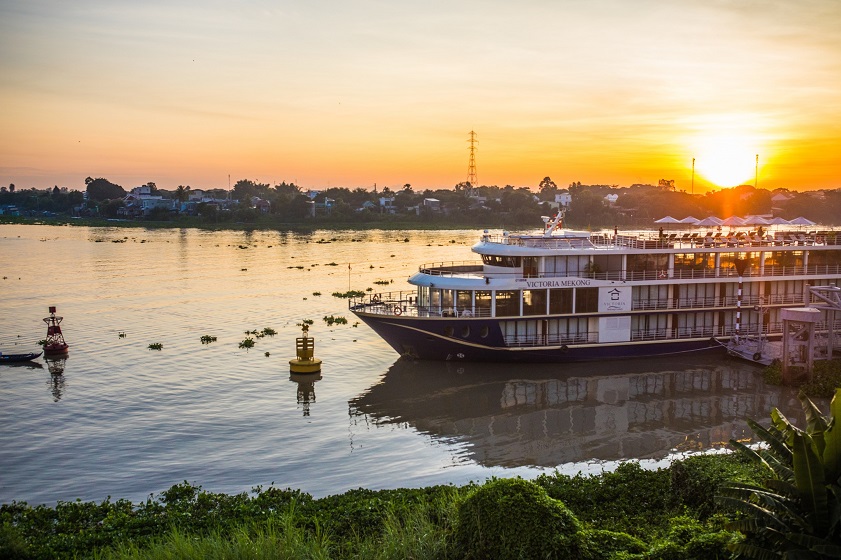
Taking a Mekong River cruise provides an immersive way to enjoy the diverse landscapes (Source: Collected)
A journey along the Mekong River offers an experience that blends natural beauty, cultural richness, and remarkable insight into the local life. Whether you are drawn to its ecological significance, the allure of its tourist attractions, or the peaceful rhythm of a river cruise, the Mekong River promises memories that will stay with you long after you have left its banks.
Grab the hottest deals at VinWonders!
Best-selling products




![[Must-try] Unique dining experiences at VinWonders Phu Quoc / Vinpearl Safari Phu Quoc](https://static.vinwonders.com/production/DSC_5620-329x220.jpg)


