 en
en


 Tiếng Việt
  中文 (中国)
  한국어
한국어  Русский


 16/11/2025
 951 views
1. A glance at Thu Bon River in Vietnam
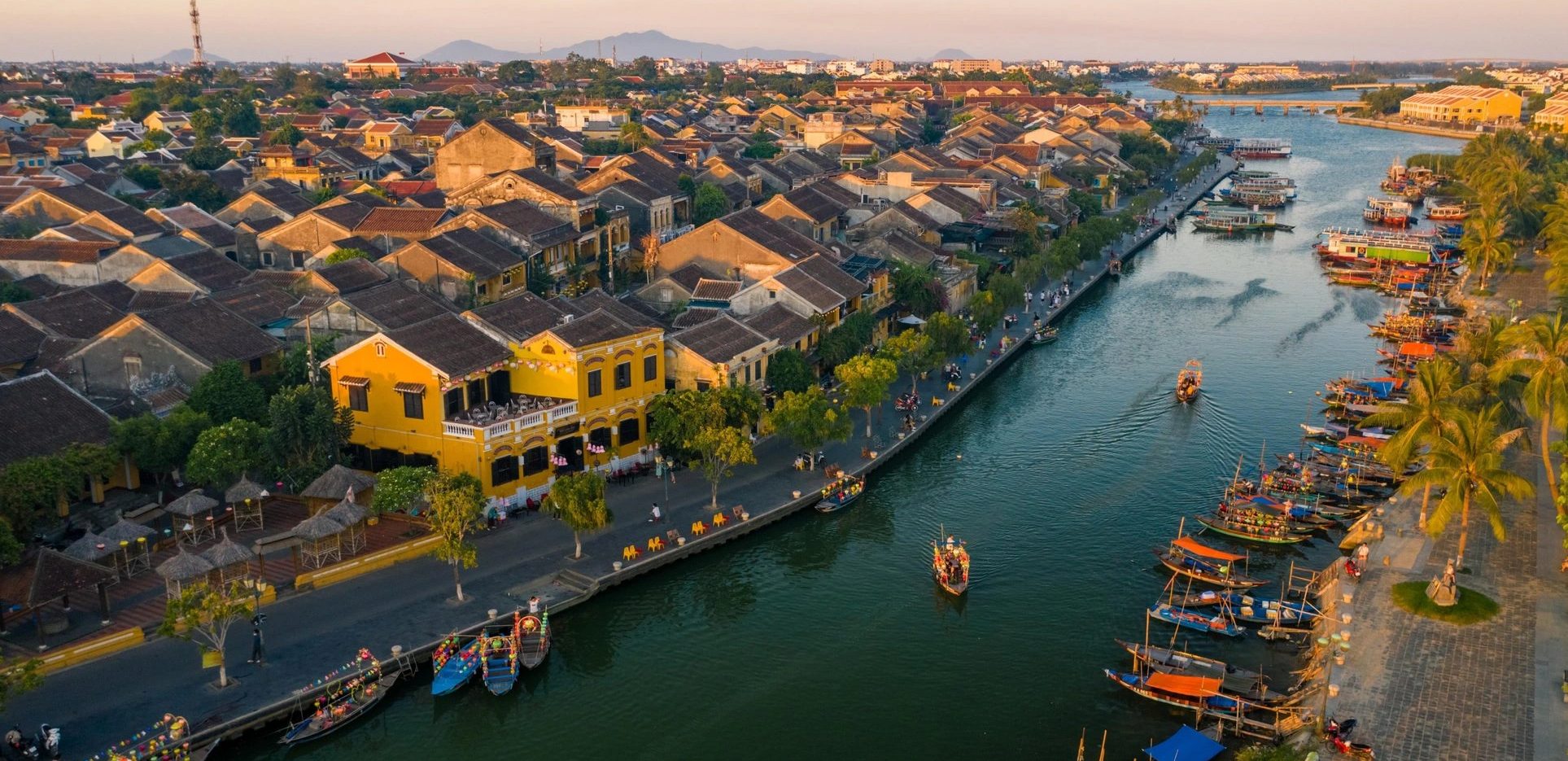
Thu Bon River is the largest river basin in Da Nang Province (formerly Quang Nam Province), covering more than 10,000 square kilometers. It originates from the peak of Ngoc Linh Mountain, which rises to 2,598 meters in the western highlands of the province. In its earliest form, Thu Bon River begins as a narrow, quiet stream winding through steep, rocky gorges of the mountainous area.
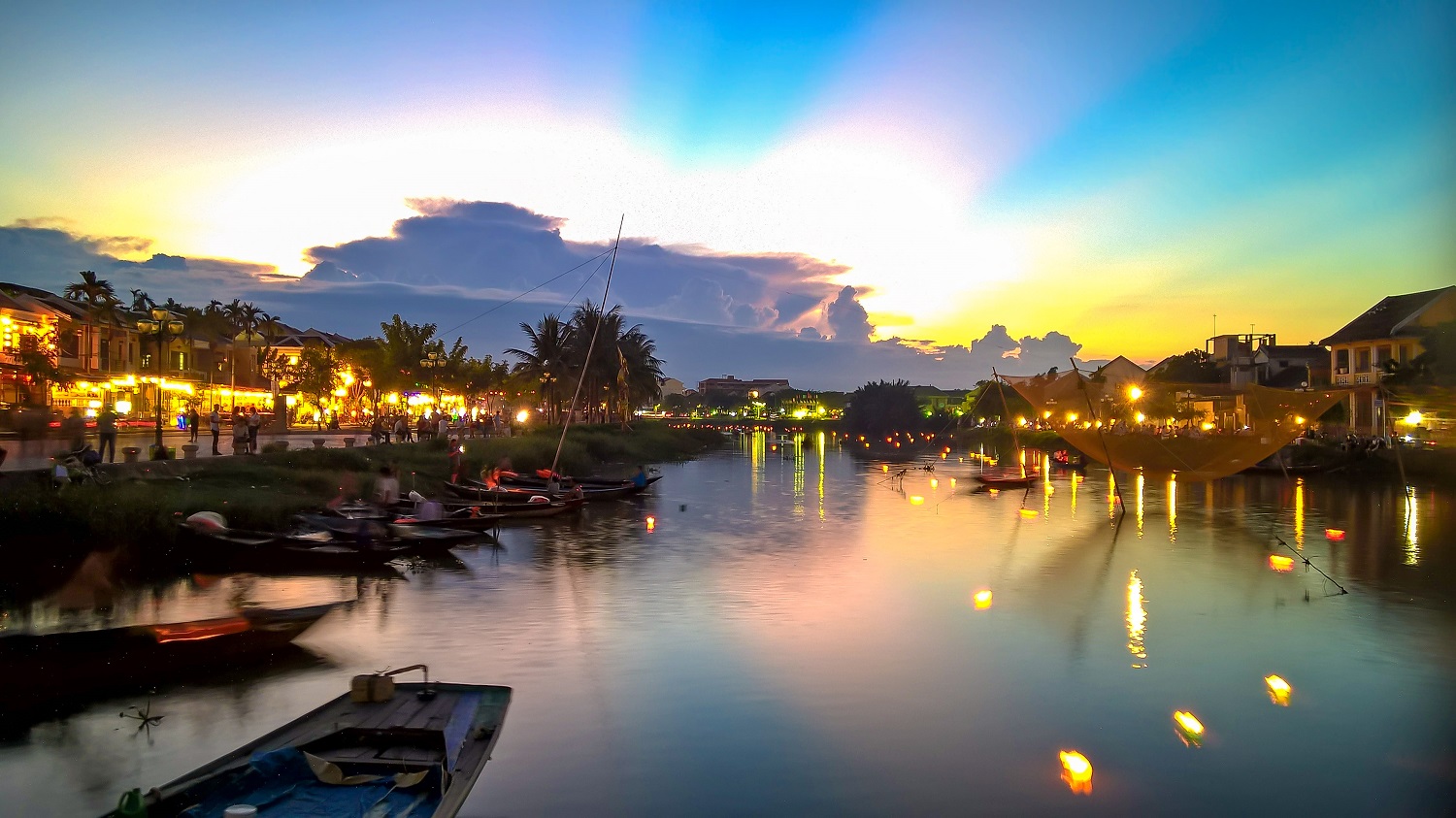
Thu Bon River winds its way through diverse landscapes before reaching the sea (Source: Collected)
As it travels downstream, the river gains strength from tributaries like the Tien River and the Tranh River, flowing through the districts of Tra My and Tien Phuoc. This swelling current pushes past hills and valleys, carrying fertile silt that enriches the lands of Que Son, Dai Loc, and Duy Xuyen. In these lowland areas, Thu Bon River joins with the Vu Gia River, spreading alluvial deposits across the fields of old Dien Ban District.
The river then splits into two directions – its northern channel retains the name Thu Bon, while a smaller southern branch becomes the Ba Ren River. As they near the coast, the two streams reunite in Hoi An before merging with the Truong Giang River and finally emptying into the sea at Cua Dai.
Thu Bon River is not just vital for agriculture and hydropower – it is also a rich ecological system. It supports natural sandbanks, wetland zones, and dynamic landscapes that have existed for centuries.
2. Historical and cultural importance of Thu Bon River
Originating in the highlands of Da Nang Province and winding its way to the sea, Thu Bon River has long been a vital artery for central Vietnam – nurturing livelihoods while silently witnessing generations of history. In the upper reaches of the river near old Hiep Duc District, small, isolated villages such as Dong Lang and Ngoc Linh sit quietly along its banks. Despite their modest size, these villages carry deep historical significance. In wartime, they became symbols of profound sacrifice. It was here that Heroic Mothers like Le Thi Tich and Le Thi Nghe gave up their own children to protect Vietnamese soldiers.
As it continues downstream, Thu Bon River flows past Hon Kem Cave – a quiet site tucked between rugged cliffs and dense forests. The locals consider it a sacred place, where the spirit of the land and the sacrifices of the past converge.
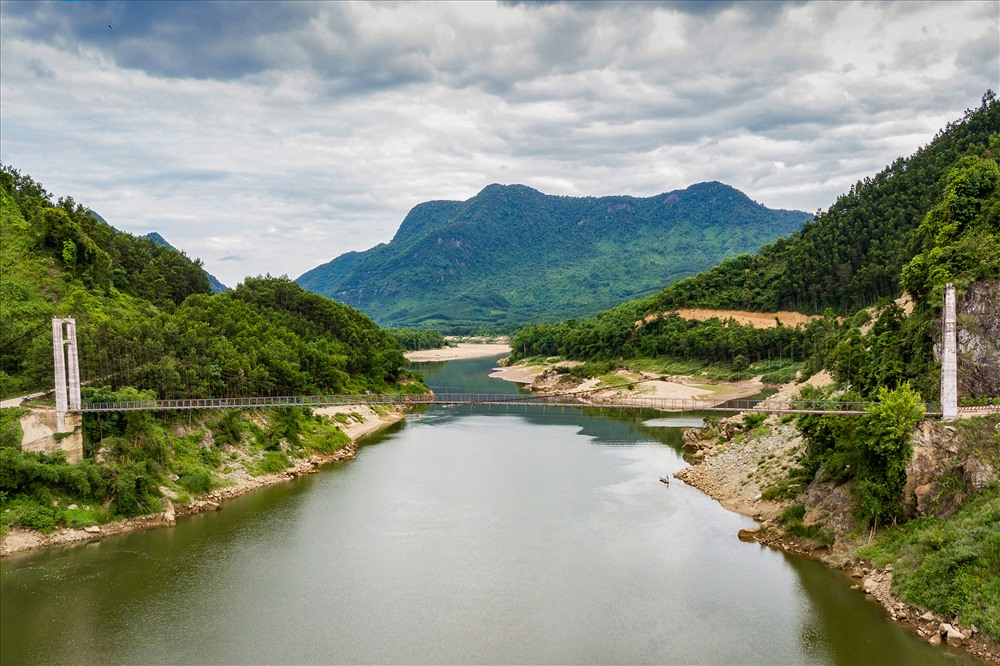
Thu Bon River has long held a symbolic place in Vietnamese culture (Source: Collected)
Thu Bon River also served as a crucial strategic boundary during the First Indochina War. From 1946 to 1954, it formed a natural divide between contested territories: the western bank was controlled by Vietnamese resistance forces, while the eastern bank was held by the French-backed administration. This division turned the river into both a barrier and a battleground – its calm surface often masking the tension and danger that lurked beneath. Boats became silent messengers, carrying people, supplies, and information between zones.
Yet for all the sorrow carried by its waters, Thu Bon River has long been a source of inspiration. Poets have likened it to a young woman – elegant and calm in dry seasons, wild and overwhelming during floods. The river nurtures and destroys, protects and challenges. And through all of it, life continues. Fishermen steer their boats silently across the current. Traders ferry goods between villages. Children swim and laugh along its muddy edges.
Best-selling products
![[Hoi An Passport] VinWonders Ticket & Buggy Ride & Hoi An Coconut Forest](http://booking-static.vinpearl.com/tours/6c002e3ea71642f38eda8efa8654e5e4_vwnha0_vinwonders-nam-hoi-an-ve-vao-cua.jpg)
![[VinWonders Nam Hoi An] - Standard Admission Ticket](http://booking-static.vinpearl.com/tours/81813f8ced2c466e82ad53f1c29c1904_tour-kham-pha-van-hoa-viet-vinwonders-nam-hoi-an-668ca102bcc29_vinwonders-nam-hoi-an-ve-vao-cua.jpg)
![[-10%] - VIP River Safari Ticket*](http://booking-static.vinpearl.com/tours/5d3ee19e977446be8917a34697bb9443_ece6e58a02fd48de9eba9d3f4689f77a_Hinh-anh-VinWonders-Nam-Hoi-An-River-Safari-3x2-so-1%20(1)_vinwonders-nam-hoi-an-ve-vao-cua_vinwonders-nam-hoi-an-ve-vao-cua.jpg)
3. Top experiences to try on Thu Bon River in Hoi An
To experience Thu Bon River is to move through layers of history, culture, and everyday life – all unfolding along its gentle current. More than a backdrop, the river is an active part of the journey, offering tourists a chance to see how nature and tradition flow seamlessly together.
3.1. Enjoy exciting boat rides
Taking a Hoi An boat ride on Thu Bon River is one of the most iconic ways to experience the town’s charm. As the sun sets and lanterns begin to glow, a Hoi An lantern boat ride transforms the river into a shimmering corridor of light – perfect for peaceful reflection or capturing unforgettable photos. For something more immersive and adventurous, head to Bay Mau Coconut Forest for a Hoi An coconut boat ride. There, you can paddle through narrow palm-lined waterways in round basket boats, guided by locals who often perform acrobatic spins and traditional folk songs.
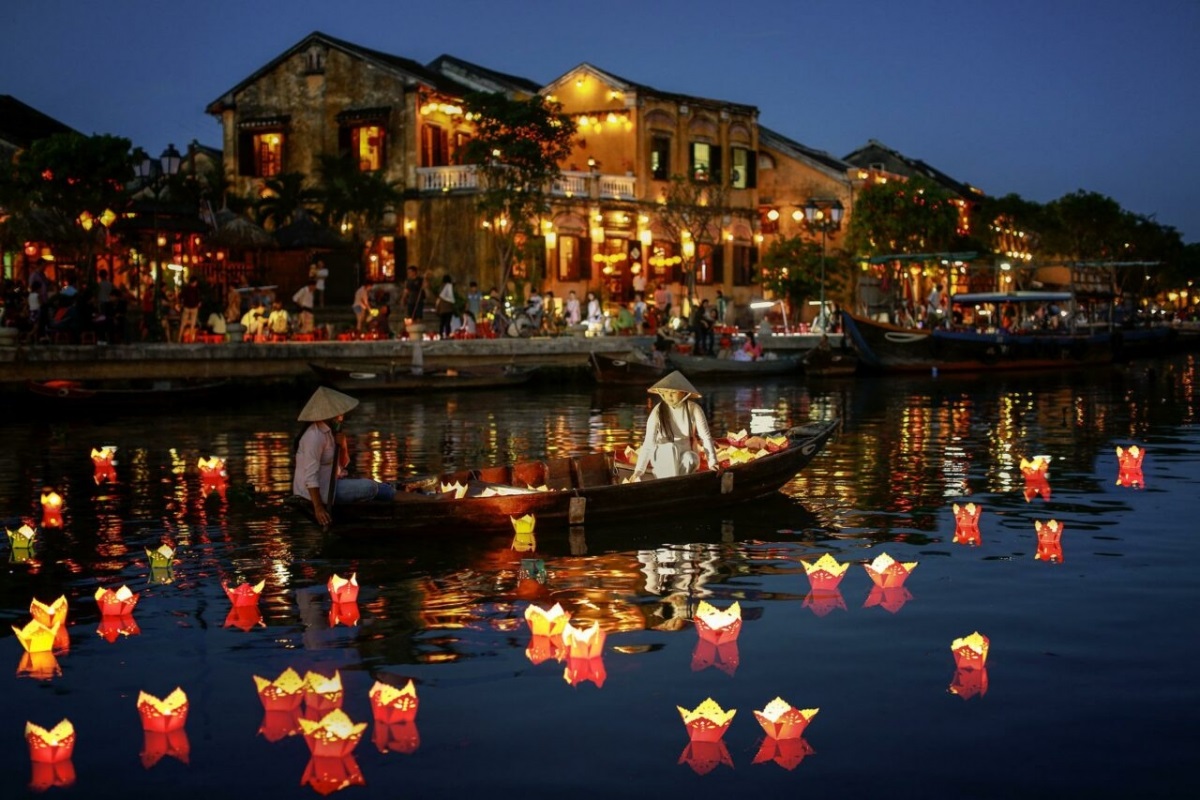
Each ride connects you directly with the spirit of Hoi An (Source: Collected)
3.2. Visit famous landmarks
Thu Bon River has shaped not just the land but the legacy of central Vietnam. As it winds toward the sea, it passes several important sites that reflect the region’s rich history. Hoi An Ancient Town, a UNESCO World Heritage Site, flourished thanks to the river, which once linked it to international trade routes. Further upstream, My Son Sanctuary is a complex of Hindu temples built by the Champa Kingdom, nestled quietly in a jungle. Thanh Ha Pottery Village sits on the riverbank, where ceramics have been made for centuries. Downstream, Bay Mau Coconut Village thrives in a lush water-palm forest, offering a glimpse of rural life.
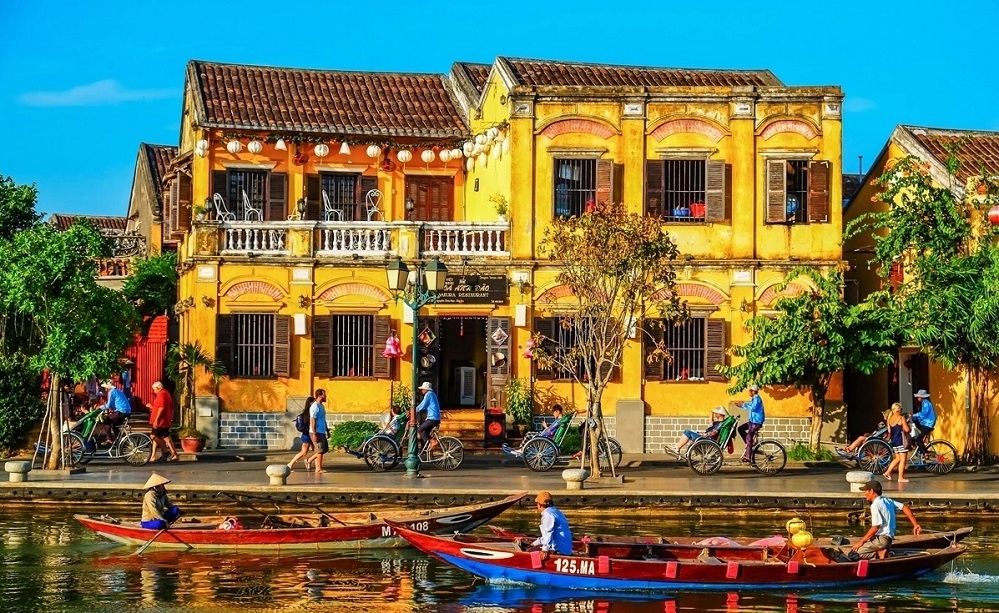
Thu Bon River in Vietnam connects Hoi An’s most iconic sites (Source: Collected)
3.3. Explore the peaceful local life
Strolling or cycling along Thu Bon River offers a glimpse into the daily life of local communities. Fishermen casting their nets, farmers tending to their fields, and artisans crafting traditional products – all contribute to the vibrant tapestry of life along the river. Engaging with these communities provides a deeper understanding of the region’s heritage.
Discover the best things to do in Hoi An and make your journey full of excitement!
4. Best time to experience Hoi An’s Thu Bon River
The ideal time to visit Thu Bon River is during Hoi An’s dry season, from February to August. During these months, Hoi An weather is pleasant, perfect for boat rides, sightseeing, and participating in local festivals.
One of the standout events during this season is the Lady Thu Bon Festival, celebrated each year on the 12th day of the 2nd lunar month. This traditional festival, rooted in Cham culture, honors the river goddess and includes vibrant processions, rituals, and performances, reflecting the spiritual connection between the river and local communities.
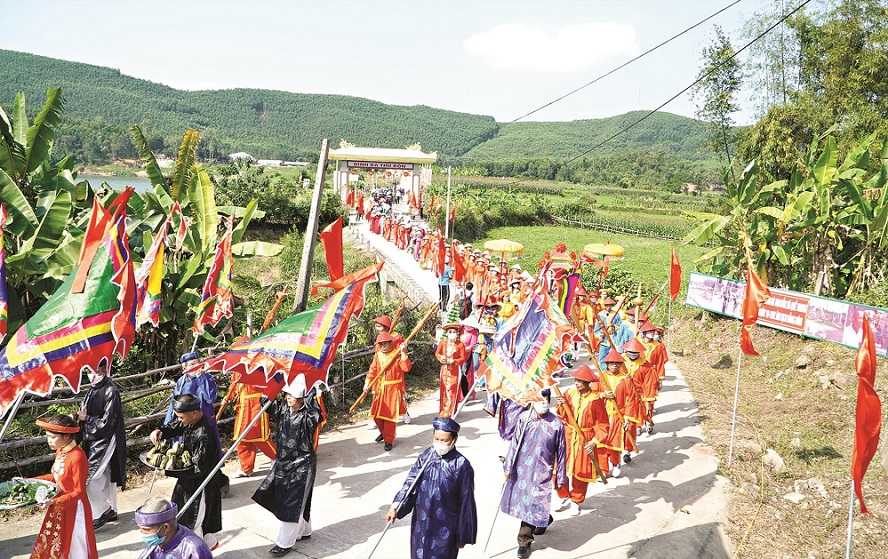
The Lady Thu Bon Festival showcases the deep-rooted traditions of the region (Source: Collected)
Thu Bon River is more than a natural attraction – it is the pulse of Hoi An, shaping history, culture, and everyday rhythms. From its origins in the mountains to its embrace of the ancient town, the river offers a journey through time and tradition.
For those seeking a blend of cultural immersion and modern entertainment, a visit to VinWonders Nam Hoi An is a must. This amusement park offers a range of activities, from captivating shows to thrilling rides, ensuring the fun for all ages.
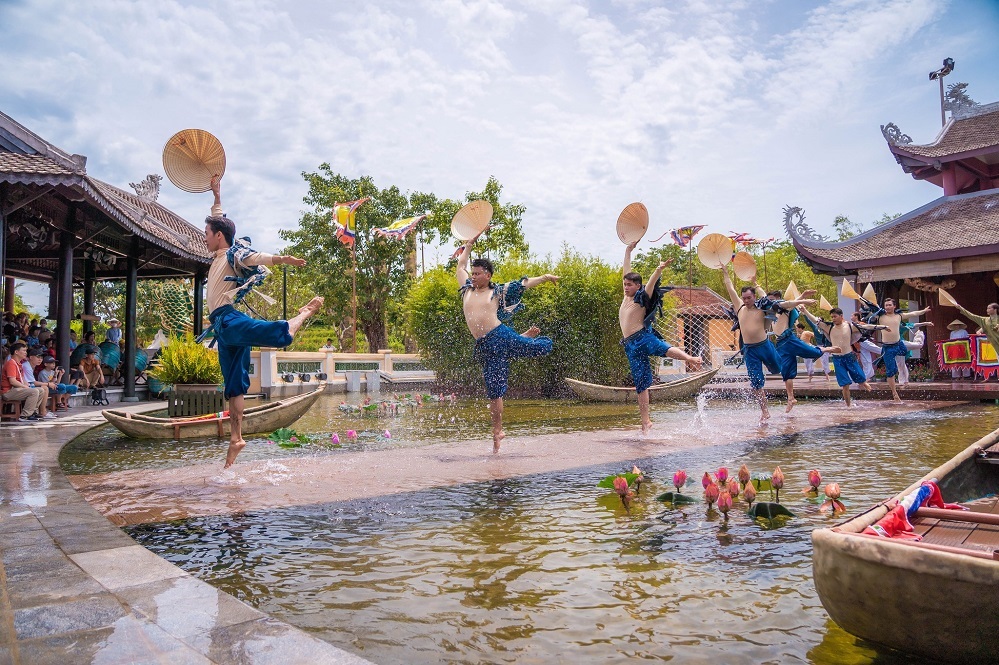
Explore folk culture and adventure at VinWonders Nam Hoi An
Book VinWonders Nam Hoi An ticket now
To complete your experience, consider staying at Vinpearl Resort & Golf Nam Hoi An, where luxury meets tradition. Vinpearl provides a perfect base to explore the wonders of Hoi An.

Vinpearl Resort & Golf Nam Hoi An offers a luxurious retreat amidst cultural heritage
Book rooms in Vinpearl Resort & Golf Nam Hoi An
Best-selling products




![[Must-try] Unique dining experiences at VinWonders Phu Quoc / Vinpearl Safari Phu Quoc](https://static.vinwonders.com/production/DSC_5620-329x220.jpg)


