 en
en


 Tiếng Việt
  中文 (中国)
  한국어
한국어  Русский


 06/10/2024
 2.518 views
1. The 10 most popular Vietnamese card games
1.1. Vietnamese 13-card game (tiến lên)
Vietnamese card game tiến lên is one of the famous Vietnamese games. Its Northern version shares some similarities with the Western card game President. It is often played by four or more people; if four people play, the deck is evenly divided with each player receiving 13 cards. The goal is to play a higher card than the previous player, with the first person to discard all their cards declared the winner.
Essentially, there are two main rules: card order and the “cutting” rule. The card rank from lowest to highest is: 3, 4, 5, 6, 7, 8, 9, 10, J, Q, K, A, with the strongest card being 2. To “cut” a card, players must use a card of the same suit with a higher value, which is where Northern “tiến lên” differs from its Southern counterpart. For example, a ♠9 can only be cut by a higher ♠ card, like ♠10.

Vietnamese card games are a popular way to bond during family gatherings and holidays (Source: Collected)
1.2. Blackjack (xì dách)
Inspired by Blackjack, “Xì dách” is known for its excitement and dramatic twists. Each game involves at least two players, with one acting as the dealer. The dealer distributes two cards to each player, and the goal is to not exceed a total of 21 points.
Card values are: 2–10 retain their number, J, Q, and K are 10 points, and A can be worth 1, 10, or 11, depending on the situation. If a player gets a combination of two Aces (Xì bàn) or an Ace with a 10, J, Q, or K (Xì dách), they win instantly.
During the game, the dealer can inspect players’ cards, and players may continue to draw cards to reach 21 points. Special cases like “ngũ linh” (five cards totaling 21 or less) also lead to victory. It is also important to note that a “quắc” (bust) can occur when a player’s total exceeds 21 points. A player who “quắc” automatically loses and is no longer allowed to draw cards.
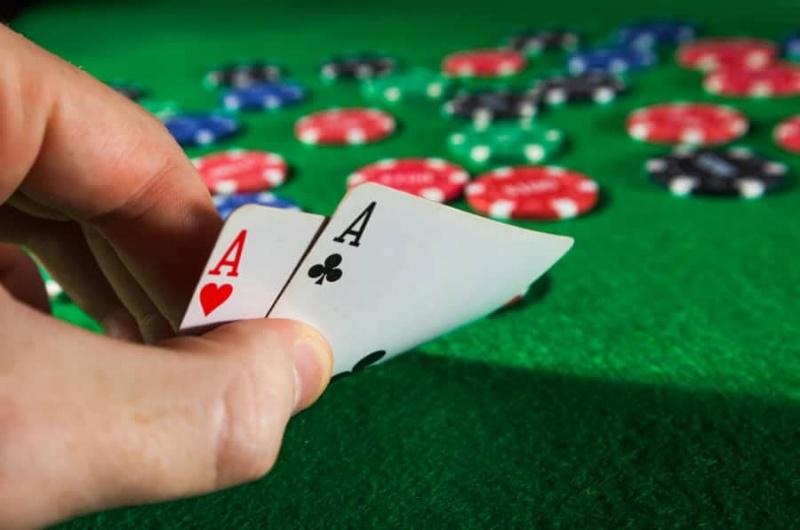
You can experience traditional Vietnamese card games at local cafes or during festivals (Source: Collected)
1.3. Baccarat (bài cào)
Baccarat, also known as “Bài cào”, is perhaps the simplest card game in terms of rules, perfect for beginners. Each player receives three cards and their goal is to get as close to 9 points as possible, as points are calculated from 0 to 9.
Cards from 2 to 10 retain their face value, while J, Q, and K are worth 10 points, and A is worth 1 point. The sum of the points is determined by taking only the last digit of the total. For example, drawing an 8, 5, and 4 results in a total of 17, which is counted as 7 points.
Special combinations such as “Sáp” (three identical cards) or “Liêng” (three consecutive cards) can also lead to a win, even if the total points are not the highest.
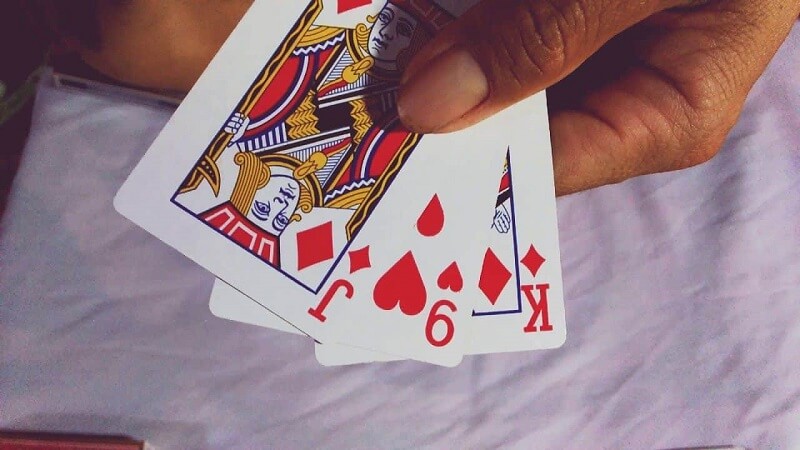
Many Vietnamese card games such as Baccarat requires luck (Source: Collected)
1.4. Poker (xì tố)
Poker, or “Xì tố” in Vietnam, is a game of strategy and skill, widely played in casinos around the world. In Vietnam, the game is played with a deck of 32 cards (7 to A), and between 2 to 6 players.
Each player is initially dealt two cards, with one face-up and one face-down. Players can choose to raise, follow, or fold depending on their hand. The game proceeds through rounds of betting, with the player holding the strongest combination of cards at the end winning the pot. Winning hands can include combinations like pairs, three-of-a-kind, straights, or a full house.
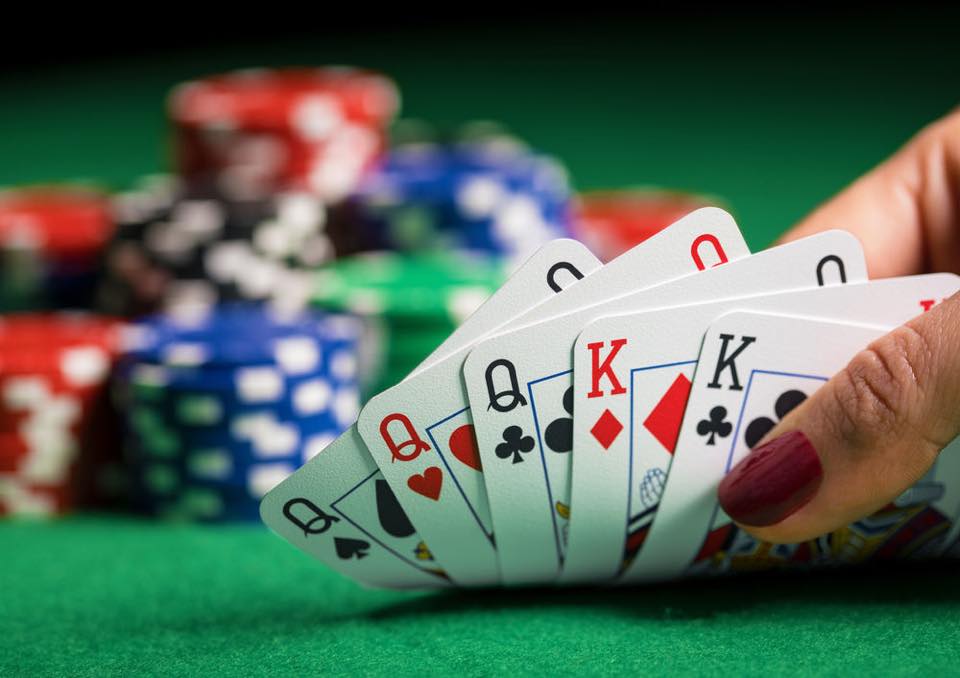
Vietnamese card games vary in complexity, from simple fun to games that involve deep concentration and skill (Source: Collected)
1.5. Catte (cát tê)
Catte is a popular Vietnamese card game that keeps players engaged through its unique rules. The game uses a deck of 52 cards, and each player is dealt 6 cards. The game progresses through six rounds, each with specific rules.
The first four rounds of the Vietnamese card game cat te are known as the “Chiếm tùng” rounds, where players attempt to win by playing higher cards than the previous player in the same suit. The goal is to hold onto at least one winning card. If a player holds no winning cards after four rounds, they are eliminated from the game.
The fifth and sixth rounds, called “Chưng” and “Lật,” determine the winner among the remaining players based on the strength of their remaining cards.
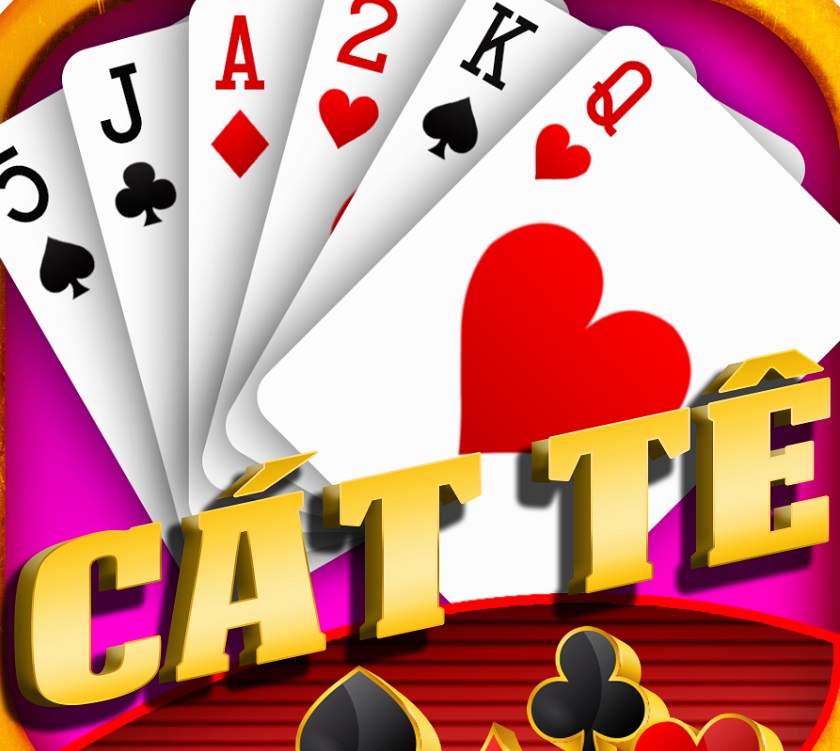
Learning Vietnamese card games is a great way to immerse yourself in the country’s culture (Source: Collected)
Besides the exciting card games, explore other Vietnamese board games
1.6. Contract bridge (tá lả)
In Northern Vietnam, “tá lả” is a go-to card game during New Year’s gatherings. “Tá lả” is best played with four players, with added excitement if two of them form a pair sitting opposite each other. This positioning allows them to strategize against their neighboring opponents.
Each player gets nine cards, except the first, who draws an additional card from the talon known as the “nọc.” The objective is to form sets of matching cards, called “phỏm,” and end with the fewest points.
Players take turns discarding cards, with the next player either picking up the discarded card or drawing from the talon. They then discard one card and play until someone declares “ù” (all their cards form “phỏm”s), or the talon runs out. The winner is the player with the fewest points after all cards are discarded.
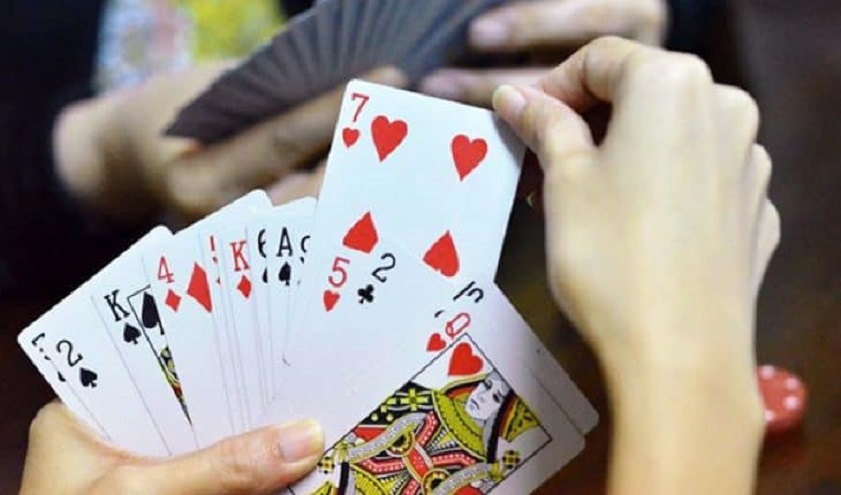
This mix of strategy and luck makes “Tá lả” an exhilarating game (Source: Collected)
1.7. Vietnamese 3-card game (đánh liêng)
“Liêng” is another popular card game using a 52-card deck. It shares some similarities with poker, particularly in its betting structure, but with simpler rules.
Before each round, players must place an equal initial bet. After that, each player is dealt three cards, which they must keep hidden from others. Players then have several options:
- Fold: If you feel your hand is too weak, you can fold, forfeiting your initial bet.
- Call: Matching the highest bet placed by another player.
- Raise: Increasing the bet beyond the current highest.
- All-in: Betting all your chips if you are confident in your hand.
Once the bets are made, the player with the highest-ranking hand wins the pot. Importantly, each game of “liêng” only allows one betting round.

Mastering Vietnamese card games can be a fun challenge for those who enjoy strategy and quick thinking (Source: Collected)
1.8. Vietnamese 120-card game (tổ tôm)
“Tổ tôm” is a complex game steeped in Vietnamese culture and tradition. The cards are illustrated with Chinese characters and symbolic images. There are 30 different kinds of cards, making up a total of 120 cards, each represented by a combination of numbers (One, Two, Three, etc.) and suits (Cash, Strings of Cash, Myriads of Strings).
Players must be familiar with Chinese characters to play this Vietnamese card game. To win by “ù,” the following requirements must be met:
- All cards must be laid out.
- Cards of the same type received during dealing must be revealed.
- The hand must consist of exactly 21 cards, arranged into valid sets without any leftover cards.
- The revealed cards must include 10 pairs of “chắn” (blocking sets) and 6 pairs of “trở” (turn sets).
The game can be played with either four or five players. In the four-player variant, known as “bí tứ,” each player receives 20 cards, while one extra set becomes the talon. The game continues until a player declares “ù” or the talon runs out.
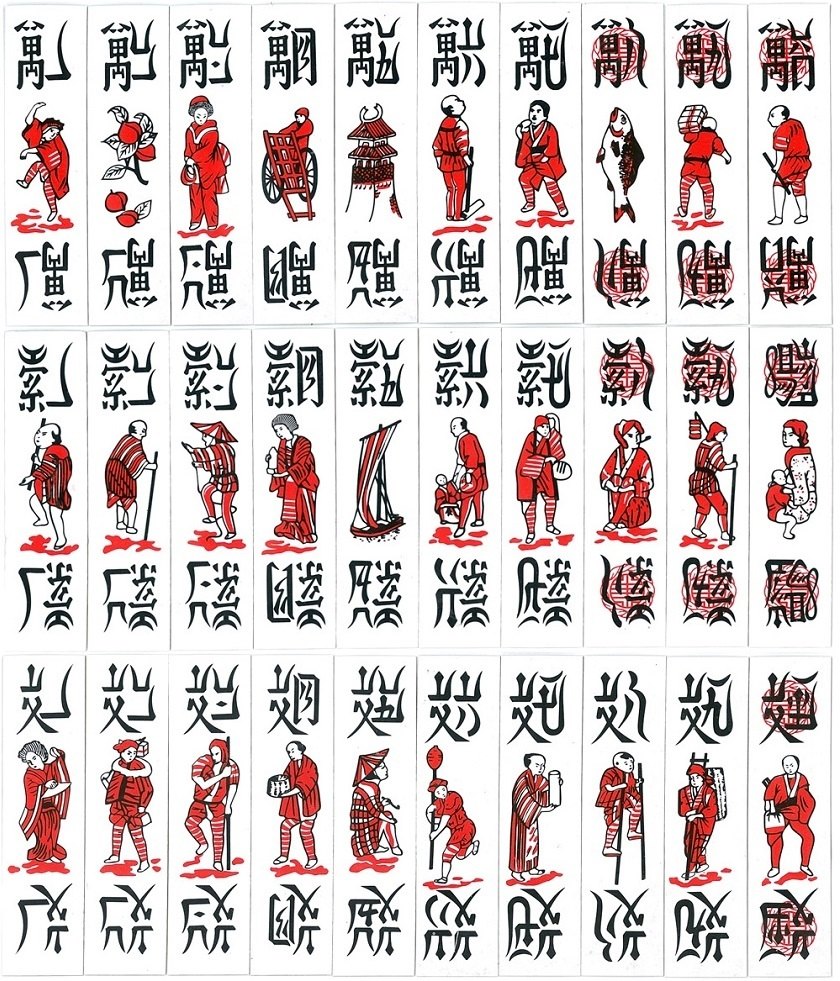
Many Vietnamese card games use unique decks, such as the 120-card “Tổ tôm” deck (Source: Collected)
1.9. Three chrysanthemums (tam cúc)
“Tam cúc” is a classic game in Northern Vietnam, played with a 32-card deck. This Vietnamese card game is suitable for women because it has fewer cards, which makes it easy to remember and understand. The deck is divided into red and black cards, with red cards being more valuable. Each card belongs to a ranked category, such as “Tướng” (General) or “Sĩ” (Advisor). Depending on the number of players, the game adjusts, with cards being removed for balance.
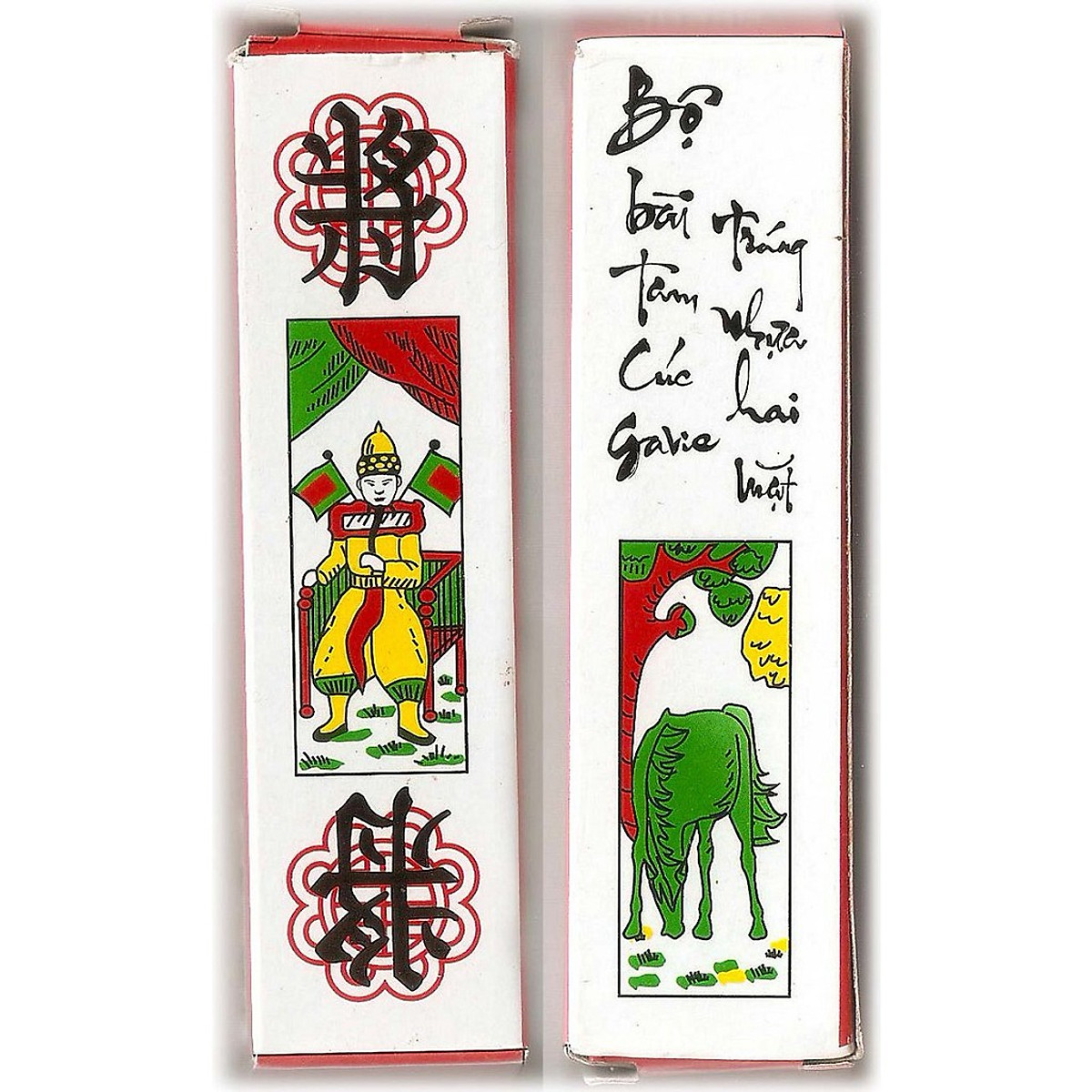
Vietnamese card games often bring friends and families together (Source: Collected)
A player starts the round by calling “one card,” “two cards,” or “three cards,” depending on how many they wish to play. Cards are laid face down, and once all players have chosen, they reveal their hands. The highest card wins the round, and that player becomes the next dealer.
1.10. Four color cards (tứ sắc)
Vietnamese card game tu sac uses a deck of 112 rectangular cards in four colors: green, red, white, and yellow. Each card is named after a military rank or unit, such as “Tướng” (General) or “Xe” (Chariot). Players are dealt 20 cards each, with the dealer receiving 21.
The goal is to arrange your cards into valid combinations and be the first to complete your hand without any unpaired cards. If no player can finish their hand before the talon is down to seven cards, the game is declared a draw.
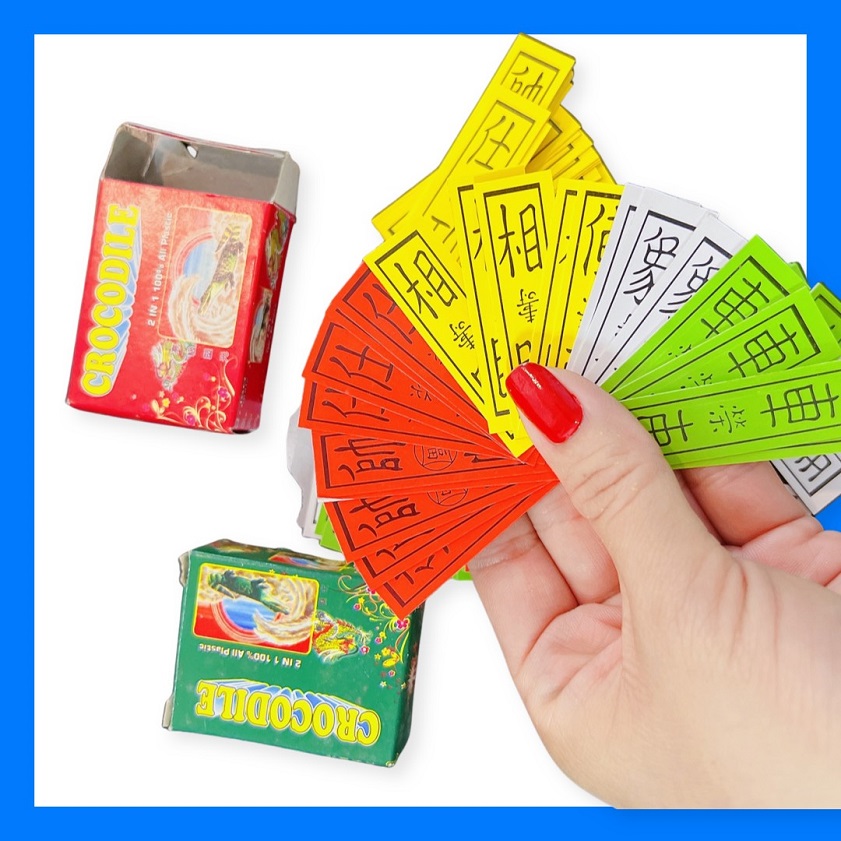
Many tourists enjoy Vietnamese card games (Source: Collected)
Discover other Vietnamese traditional games
2. Where to play Vietnamese card games and more?
2.1. Offline options
In Vietnam, offline card games are a popular way to socialize, especially during special occasions and gatherings. Traditional games like tiến lên, phỏm, and tam cúc are commonly played at home during family gatherings, Tet (Lunar New Year), and social meetups. Some local cafes and small venues, particularly in smaller cities and towns, also allow informal card game sessions. Additionally, festivals and cultural events, especially during Tet, provide opportunities to see these games played in public, adding to the festive atmosphere.
2.2. Casinos in Vietnam
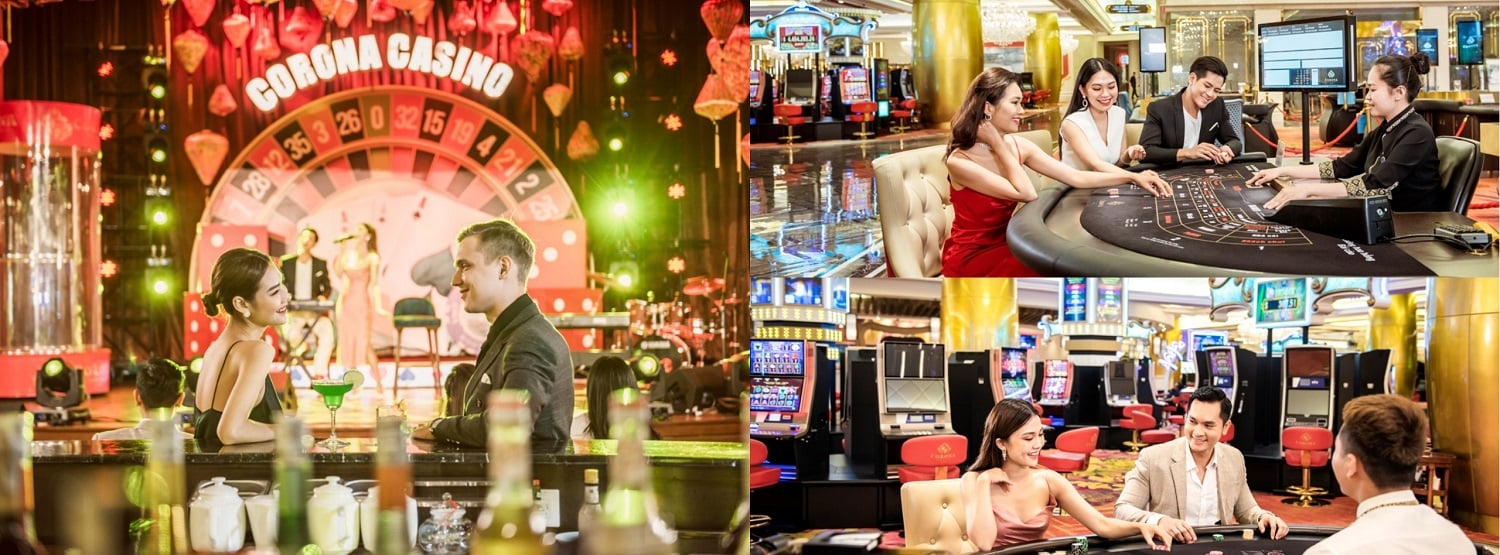
For visitors to Vietnam, legal casinos in Vietnam are present in popular destinations such as Phu Quoc, Da Nang, Ha Long, and Hai Phong, offering various card games. Notably, Corona Casino Phu Quoc stands out as the first in Vietnam to allow Vietnamese citizens to participate. With 100 gaming tables, including Baccarat, Roulette, and Poker, along with 1,000 slot machines, this casino in Phu Quoc offers an all-day entertainment experience that rivals major casinos across Asia.
For foreign visitors, a valid foreign passport issued by the appropriate foreign authority, a valid travel document, legal entry into Vietnam, and full civil capacity are required. Additionally, they must voluntarily comply with the game’s rules.
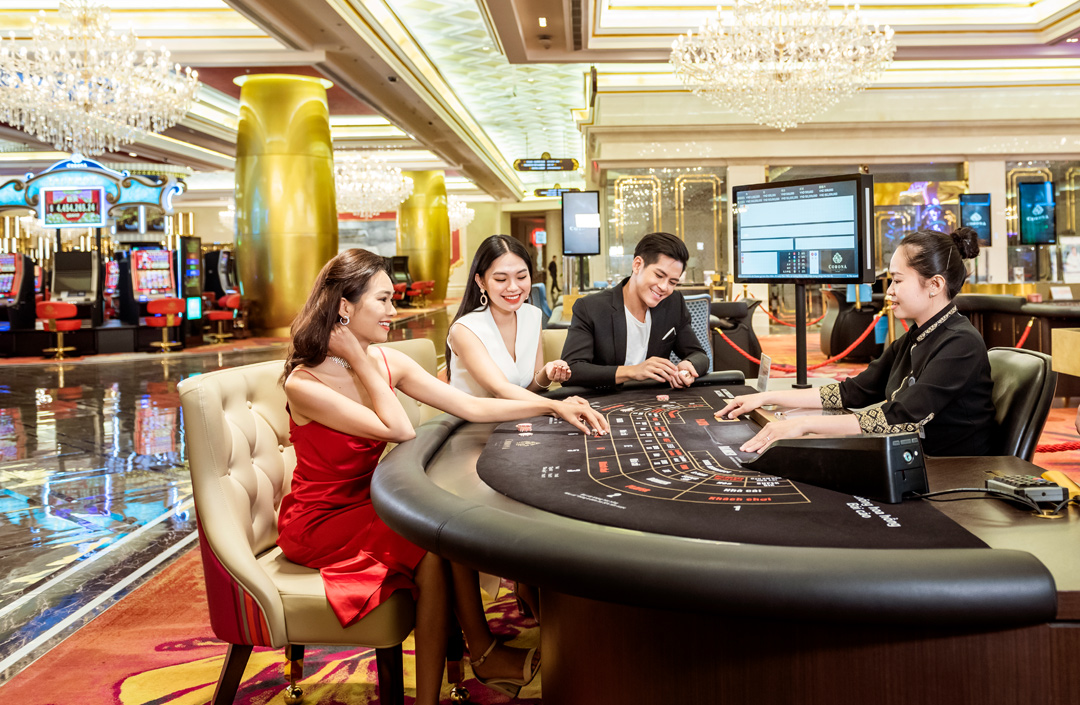
Located in a prime resort area, Corona Casino Phu Quoc operates 24/7 (Source: Collected)
The casino is a perfect complement to the broader Phu Quoc experience, offering visitors a chance to indulge in exciting entertainment alongside the island’s many other attractions. Guests can unwind in luxury at Vinpearl Phu Quoc, where world-class accommodations provide the ultimate in comfort and relaxation. For adventure-seekers, VinWonders Phu Quoc offers a thrilling array of theme park rides and attractions, making it a must-visit for families and fun-lovers alike.
Meanwhile, the vibrant atmosphere of Grand World Phu Quoc invites travelers to immerse themselves in lively street performances, cultural showcases, and bustling nightlife. Together, these experiences create an unforgettable getaway.
Book VinWonders Nha Trang ticket now
Book rooms in Vinpearl Phu Quoc now
Vietnamese card games are a central part of social gatherings, offering a mix of luck, strategy, and fun. Try these games at your next family gathering or festive occasion to enjoy the cultural joy of Vietnam!
Best-selling products
![[02 Day Combo] - Admission to VinWonders + Vinpearl Safari Phu Quoc | Gifts: Meal Voucher + Teddy Bear Museum](http://booking-static.vinpearl.com/tours/877d8a3289a246d18f95aa5cc414f6d6_27be58d21e244664bf34d11d72e77860_Castle_vinwonders-phu-quoc-ve-vao-cua_vinwonders-phu-quoc-ve-vao-cua.jpg)
![[Hoi An Passport] VinWonders Ticket & Buggy Ride & Hoi An Coconut Forest](http://booking-static.vinpearl.com/tours/6c002e3ea71642f38eda8efa8654e5e4_vwnha0_vinwonders-nam-hoi-an-ve-vao-cua.jpg)
![[Nha Trang Passport] - [Half-Day] - Cable Car + Aquafield Sauna (2 hours) + Tata Show](http://booking-static.vinpearl.com/tours/91c34711df754e76b66d3ff6d3436e26_34d71a9c3e6b4b7484f9d7cbbc935c26_200dd4dda03e45e0a1add52e4acc11fa_NHT_1796_ve-xem-tata-show-vinwonders-nha-trang_ve-xem-tata-show-vinwonders-nha-trang.jpg)
![[VinWonders Cua Hoi] - Indoor Games Area](http://booking-static.vinpearl.com/tours/0b0d68a6480146e3a0aba9a3cfc038c1_1920-x-1080-double%20day%20sale%2077%20no%20text_vinwonders-nam-hoi-an-ve-vao-cua.jpg)
![[VinWonders Nha Trang] - Standard Admission Ticket to VinWonders | Free F&B Voucher](http://booking-static.vinpearl.com/tours/d1425f018b3e4d2d833374b5b52d8bb9_Hinh-anh-VinWonders-Nha-Trang-The-World-Garden-Lau-vong-canh-3x2-so-1_vinwonders-nha-trang-ve-vao-cua-sau-16h.jpg)
![[VinWonders Cua Hoi] Round-Trip Cable Car + Water Park + Buffet Voucher worth VND 125,000](http://booking-static.vinpearl.com/tours/aa8379d6db3a4f5c9df6d78d53177c35_11-E-Ticket-Vinwonder-Cua-Hoi_23072024111407_vinwonders-nam-hoi-an-ve-vao-cua.jpg)
![[Vinpearl Harbour] - Happy Hour Combo: Round-trip Cable Car + Dinner Buffet + Tata Show](http://booking-static.vinpearl.com/tours/a869acdae59e4137855742de1cbbb1af__KAH2165_vinpearl-harbour-combo-happy-hour.jpg)
![[Grand World Phu Quoc] [Ultimate Combo] - Water Taxi + Teddy Bear Museum + Grand Show](http://booking-static.vinpearl.com/tours/e31a9e66b5444808bba3e3114d195559_VENICE%20ALL%20IN%20ONE%20KV%20(1)_ve-bao-tang-gau-teddy-bear.jpg)
![[VinWonders Nha Trang] - 01-day Unlimited Admission Ticket | Free F&B Voucher](http://booking-static.vinpearl.com/tours/ccf23087ea0f419980c411d0e79c10fb_88c594a8352d49e7b031b9fbd5c5d27f_tro-choi-mao-hiem-o-vinpearl-nha-trang-thumb-1_vinwonders-nha-trang-khong-gioi-han-2-ngay_vinwonders-nam-hoi-an-ve-vao-cua.jpg)
![[VinWonders Nha Trang] - Admission to VinWonders after 4:00 PM](http://booking-static.vinpearl.com/tours/de2da6d471b34297ab13cb26ef2da9a0_Hinh-anh-VinWonders-Nha-Trang-The-World-Garden-Lau-vong-canh-3x2-so-1_vinwonders-nha-trang-ve-vao-cua-sau-16h.jpg)
![[Vinpearl Aquarium Times City] Entrance Ticket](http://booking-static.vinpearl.com/tours/8702a10bf2934d6299df65669a290679_aquarium%20times%20city%203_thuy-cung-vinpearl-aquarium-times-city.jpg)
![[VinWonders Cua Hoi] Combo Entrance Ticket | Includes Cable Car + Games Area (excluding Gokart and Indoor Games)](http://booking-static.vinpearl.com/tours/d5af0cb7759d48a7a2b991c8de1e19a0_Hinh-anh-VinWonders-Nam-Hoi-An-Noi-bat-3x2-so-3%20(1)_vinwonders-nam-hoi-an-ve-vao-cua.jpg)
![[Zoo Tram Combo] - Admission to Vinpearl Safari Phu Quoc + Zoo Tram](http://booking-static.vinpearl.com/tours/ceb77f9174d845ebb2fd3dfe2b846066_3%20copy_vinwonders-nam-hoi-an-ve-vao-cua.jpg)
![[VinWonders Vu Yen] - Admission Ticket to Games zone (after 5:00 PM)](http://booking-static.vinpearl.com/tours/edbd3eb4bc9848aead9940e0f5aa050d_fa21c62dfa9644ada0c3fce89b3e79ff_DO__8711_vinwonders-vu-yen-vuon-thu-khu-tro-choi-sau-17h.jpg)
![[Aquafield] - [Female] - 4-hour Korean Sauna](http://booking-static.vinpearl.com/tours/0e6fe24c37b84cb799b94dae70578054_aqf-suong-may-2048x1365_aquafield-nha-trang-xong-hoi-chuan-han.jpg)
![[VinWonders Nam Hoi An] - Standard Admission Ticket](http://booking-static.vinpearl.com/tours/81813f8ced2c466e82ad53f1c29c1904_tour-kham-pha-van-hoa-viet-vinwonders-nam-hoi-an-668ca102bcc29_vinwonders-nam-hoi-an-ve-vao-cua.jpg)
![[VinWonders Phu Quoc] - Standard Entrance Ticket](http://booking-static.vinpearl.com/tours/0dd25afc61ad45d48486bbd3b9c8a96a_tieu%20chuan%201_vinwonders-phu-quoc-ve-vao-cua.jpg)
![[VinGroup Employees] Standard Admission Ticket to Ocean Park 3 Water Park](http://booking-static.vinpearl.com/tours/f949b31af919495c9b4e111237642763_358600999_111579731994757_433244877993048710_n_vinwonders-ha-noi.jpg)
![[50% Student Discount] – VinWonders Admission Ticket](http://booking-static.vinpearl.com/tours/43126c168bb04853bf7c93e197db724a_Banner%201200x628_vinwonders-nha-trang-ve-vao-cua-2-chieu.jpg)
![[Grand World] Skydrop ticket](http://booking-static.vinpearl.com/tours/ed7c962747be42458f35c7b18340b901_A2-4-jpeg-2640-1687438608_grandworld.jpg)
![[Grand World Phu Quoc] - The Quintessence of Vietnam Show](http://booking-static.vinpearl.com/tours/f88e2be1139b4eada4043eb7f0e39362_THVN1_show-tinh-hoa-viet-nam.jpg)
![[Grand Park] Celestial Swing](http://booking-static.vinpearl.com/tours/eeb9a602315342ccbc7965b29cfb0db0_Ảnh%20màn%20hình%202025-03-03%20lúc%2015.00.17_vinwonders-nam-hoi-an-ve-vao-cua.png)
![[Nha Trang Passport] - [Half-Day] - Cable Car + Aquafield Sauna (2 hours) + Tata Show](http://booking-static.vinpearl.com/tours/ef49c187eadf4177b425d2bb85a18b30_200dd4dda03e45e0a1add52e4acc11fa_NHT_1796_ve-xem-tata-show-vinwonders-nha-trang.jpg)
![[Grand World Phu Quoc] - Water Taxi Boat + Teddy Bear Museum](http://booking-static.vinpearl.com/tours/add2e0908faa4289b555856472b181be_VENICE%20ALL%20IN%20ONE%20KV%20(1)_ve-bao-tang-gau-teddy-bear.jpg)
![[VinWonders Vu Yen] - Admission Ticket to Zoo + Games + Buffet](http://booking-static.vinpearl.com/tours/b2cd8cf6b14c48459b21393e14d73163_vwvy%201_vinwonders-nha-trang-ve-vao-cua-2-chieu.jpg)
![[Hon Tam] - [Zone A&B] - Full island entertainment + Mud Bath Zone A + Lunch](http://booking-static.vinpearl.com/tours/af991883d63f4133b62b76551ba2444d_tam-bun-dao-hon-tam_httpswwwhontammudbathvnwp-contentuploadssites2720190625-3-2200x700jpg.jpg)
![[VinWonders Vu Yen] - [04 Adults] - Admission to Zoo + Games + Free Tote Bag](http://booking-static.vinpearl.com/tours/34488b227a3648e5b73d4aa6d6d36b46_DO__8153_vinwonders-nha-trang-ve-vao-cua-2-chieu.jpg)
![[Grand World] Carousel Ride](http://booking-static.vinpearl.com/tours/0d6a4bcfc2a54fd4aa9df0b38ae8c7b6_A2-4-jpeg-2640-1687438608_grandworld.jpg)
![[-30%] The Quintessence of Vietnam Show](http://booking-static.vinpearl.com/tours/6cee2bcb52a447009f64771095d03c9e_Screenshot%202024-10-22%20at%2014.49.18_ve-bao-tang-gau-teddy-bear.png)
![[-10%] - VIP River Safari Ticket*](http://booking-static.vinpearl.com/tours/5d3ee19e977446be8917a34697bb9443_ece6e58a02fd48de9eba9d3f4689f77a_Hinh-anh-VinWonders-Nam-Hoi-An-River-Safari-3x2-so-1%20(1)_vinwonders-nam-hoi-an-ve-vao-cua_vinwonders-nam-hoi-an-ve-vao-cua.jpg)
![[Vinpearl Aquarium Times City] Entrance Ticket](http://booking-static.vinpearl.com/tours/e7fcffc8256546e8bdcfd5ccfbe69783_VINKE2%20(1)_vinke-ve-vao-cua-truc-tiep.jpg)
![[Aquafield] - [Male] - 4-hour Korean Sauna](http://booking-static.vinpearl.com/tours/94abeb55e3d54efbac23f7a862445389_0d72b531dd6749bbac2874b915ab0512_Screenshot_8_aquafield-nha-trang_aquafield-nha-trang.png)
![[Buggy Combo] - VinWonders Phu Quoc + Buggy + Free Ice Cream](http://booking-static.vinpearl.com/tours/0fc52a574094489da612d0f36bb4b1e6_buggy%20kem_vinwonders-phu-quoc-ve-vao-cua-tet-vi-vu.jpg)
![[Aquafield] - [Male] - 4-hour Korean Sauna](http://booking-static.vinpearl.com/tours/4ae60d29ea264f8fab17beb6b4415502_aqf-da-muoi_aquafield-nha-trang-xong-hoi-chuan-han.jpg)
![[Aquafield] - 2-hour Aquafield Sauna + 30-min Spa](http://booking-static.vinpearl.com/tours/b0bf65880af449f39ea19fa0acbb94d5_34d71a9c3e6b4b7484f9d7cbbc935c26_200dd4dda03e45e0a1add52e4acc11fa_NHT_1796_ve-xem-tata-show-vinwonders-nha-trang_ve-xem-tata-show-vinwonders-nha-trang.jpg)
![[Aquafield Ocean City] [Male] – Standard Jjimjilbang Sauna Ticket](http://booking-static.vinpearl.com/tours/0be276c684454e8d969c373f35f6be97_DSC_2127_11zon_aquafield-nha-trang.jpg)
![[Hon Tam] - [Zone A] - Mud Bath + Lunch Combo](http://booking-static.vinpearl.com/tours/5debd1efb6d34e42a88efa65354c8c72_ebdde60fd9a44539afe75c9338ec8a3d_ảnh%205_tam-bun-hon-tam.jpg)
![[Vinpearl Harbour] - Round-trip Cable Car Ticket](http://booking-static.vinpearl.com/tours/3cbd16b8edc74f6abc7f7cfa0e91caec_VPHB_Photos15_vinwonders-nha-trang-ve-vao-cua-2-chieu.jpg)
![[Aquafield] - [Male] - Round-trip Cable Car + 4-hour Korean Sauna](http://booking-static.vinpearl.com/tours/625529980f3249e6b0491cddfc30db43_297be2477c5847748ef3bc08603ebf90_aqf%204_aquafield-nha-trang.jpg)
![[Hon Tam] - [Zone A] - Standard Mud Bath](http://booking-static.vinpearl.com/tours/9db66a615a7d4f119316b338afff30cb_tam-bun-dao-hon-tam_httpswwwhontammudbathvnwp-contentuploadssites2720190625-3-2200x700jpg.jpg)
![[Aquafield] - [Female] - Round-trip Cable Car + 4-hour Korean Sauna](http://booking-static.vinpearl.com/tours/c3bae84e472b42078ca3ff6f28d55d80_1c5968412aca409fa8571c88cc85a4ba_aqf%205_aquafield-nha-trang.jpg)
![[Grand Park] Water Park + Dream Garden Outdoor Games Combo](http://booking-static.vinpearl.com/tours/35566b714d4c4dd9802a6bf4650ac2b1_khu-vui-choi-cua-hoi-9_vinwonders-nam-hoi-an-ve-vao-cua.jpg)
![[Nha Trang Passport] – [01 day] – Snorkeling Tour + Lunch & Mud Bath at Hon Tam + Vinpearl Harbour + Tata Show](http://booking-static.vinpearl.com/tours/f6b1826759674c9c9d3f074e03fa04ba_snorkeling%201_vinwonders-nha-trang-ve-vao-cua-2-chieu.jpg)
![[Onsite service] - Premium VIP Zoo Tour Vinpearl Safari Phu Quoc](http://booking-static.vinpearl.com/tours/ff1e4b66ec1b46edad0c0460144e70ad_VINPEARL%20SAFARI%20PHU%20QUOC%20%20(51)_vinwonders-nam-hoi-an-ve-vao-cua.jpg)
![[Aquafield Ocean City] - Body Exfoliation Session](http://booking-static.vinpearl.com/tours/0e8ee4024e1f4378ba932eb06d945636_Screenshot_14_aquafield-nha-trang.png)
![[Grand World Phu Quoc] - Teddy Bear Museum](http://booking-static.vinpearl.com/tours/30da03237e2f42fe818e6686fb350481_teddy%20bear%201_ve-bao-tang-gau-teddy-bear.jpg)
![[Vinpearl Harbour] - Combo for 02 pax: Round-trip cable car + Two-seater Go Kart ride](http://booking-static.vinpearl.com/tours/ab277ed82445448aad2f6b1a0c249e40_Gokart-1_vinpearl-harbour-go-kart-xe-doi.jpeg)
![[VinWonders Cua Hoi] - Combo: Indoor Games + Outdoor Games](http://booking-static.vinpearl.com/tours/59e1a8613d6741d9b9c86645ecf6726e_vinwonders-cua-hoi-10_vinwonders-cua-hoi.jpeg)
![[Aquafield Ocean City] [Female] – Standard Jjimjilbang Sauna Ticket](http://booking-static.vinpearl.com/tours/4aec5fed6be54fe8a736aca12893384b_40fc72547fe242f8b6bbbbc428885848_065A8735_aquafield-nha-trang_aquafield-nha-trang.jpg)
![[-10%] - Tata Show Ticket](http://booking-static.vinpearl.com/tours/18dc9f798082474ba26cf00121da6180_Hinh-anh-VinWonders-Nha-Trang-The-World-Garden-Lau-vong-canh-3x2-so-1_ve-xem-tata-show-vinwonders-nha-trang.jpg)
![[Hon Tam] - 15-Minute Snorkeling](http://booking-static.vinpearl.com/tours/56618ea554304747b54636a31d59f9f4_Untitled-design-1_httpswwwhontammudbathvnwp-contentuploadssites2720190625-3-2200x700jpg.jpg)
![[Times City] Combo VinKE & Vinpearl Aquarium Entrance Ticket](http://booking-static.vinpearl.com/tours/d6296ca1d3714503b01f24603b85b8cf_vinke1_vinke-ve-vao-cua-truc-tiep.jpg)




![[Must-try] Unique dining experiences at VinWonders Phu Quoc / Vinpearl Safari Phu Quoc](https://static.vinwonders.com/production/DSC_5620-329x220.jpg)


