en
en


 Tiếng Việt
  中文 (中国)
  한국어
한국어  Русский


 27/10/2023
 2.053 views

In every Vietnamese kitchen, culinary traditions come to life (Source: Collected)
When you embark on a Vietnam travel adventure and step into a traditional Vietnamese home, you will immediately be enveloped in the warm, inviting aromas of the Vietnamese kitchen. The Vietnamese kitchen is not just about the food; it’s a sensory experience that offers a glimpse into the heart of Vietnamese culture, where culinary traditions are deeply woven into the fabric of daily life, celebrations, and family gatherings.
1. Vietnamese kitchen: Traditional vs. Modern aspects
1.1. The features of traditional Vietnamese kitchens
Embedded in the rich cultural heritage of Vietnamese villages, the kitchens possess distinct characteristics that have been cherished for generations:
- Traditional design: Adorned with simple yet refined details, the kitchens in Vietnamese villages evoke a sense of charm and elegance. The Vietnamese kitchen utensils, pots, and pans are crafted from rustic materials such as copper, iron, and wood that contribute to the warm and intimate ambiance.
- Wood-fired stoves: These stoves hold a special place in the hearts of cooks in Vietnamese villages, as they preserve the natural flavors of dishes. The crackling firewood infuses each delicacy with a unique smoky essence, adding depth and character to the meals.
- Communal cooking: In rural regions, the cooking areas can be quite spacious, allowing multiple individuals to work together. This promotes interaction and nurtures the bond among family members.
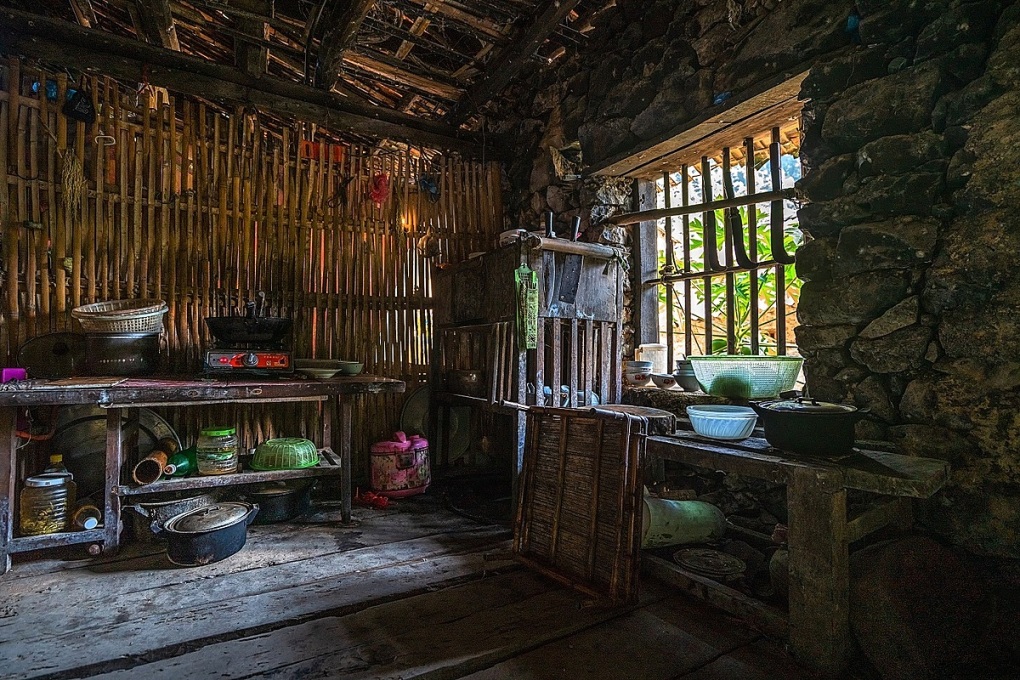
The Vietnamese kitchens contain special features that have been treasured for centuries (Source: Collected)
1.2. The modern adaptations in Vietnamese kitchens
In the realm of modern adaptations in Vietnamese kitchens, one can witness an intriguing fusion of tradition and innovation:
- Contemporary design: Modern Vietnamese kitchens are characterized by sleek and minimalist designs that seamlessly blend functionality with aesthetics. Stainless steel appliances and granite countertops create a clean and sophisticated atmosphere while still paying homage to traditional elements.
- Advanced cooking technology: Traditional wood-fired stoves are no longer present in most Vietnamese households. Instead, you will find induction cooktops, high-tech ovens, and state-of-the-art kitchen gadgets in Vietnamese kitchens. These innovations promote precision and convenience, allowing cooks to explore new culinary horizons while preserving the essence of Vietnamese cuisine.
- Innovative cooking techniques: Vietnamese chefs in modern kitchens embrace cutting-edge culinary techniques like sous-vide cooking and molecular gastronomy. These methods unlock new possibilities for texture and flavor, enhancing the repertoire of Vietnamese dishes.
- Space efficiency: With urbanization and smaller living spaces becoming the norm, modern Vietnamese kitchens are designed to maximize space efficiency. Clever storage solutions and compact appliances are employed to make the most of limited kitchen areas.
- Social connectivity: In the modern era, kitchens have evolved into social hubs. Open layouts and kitchen islands encourage interaction while cooking, making the kitchen a central gathering place for family and friends.
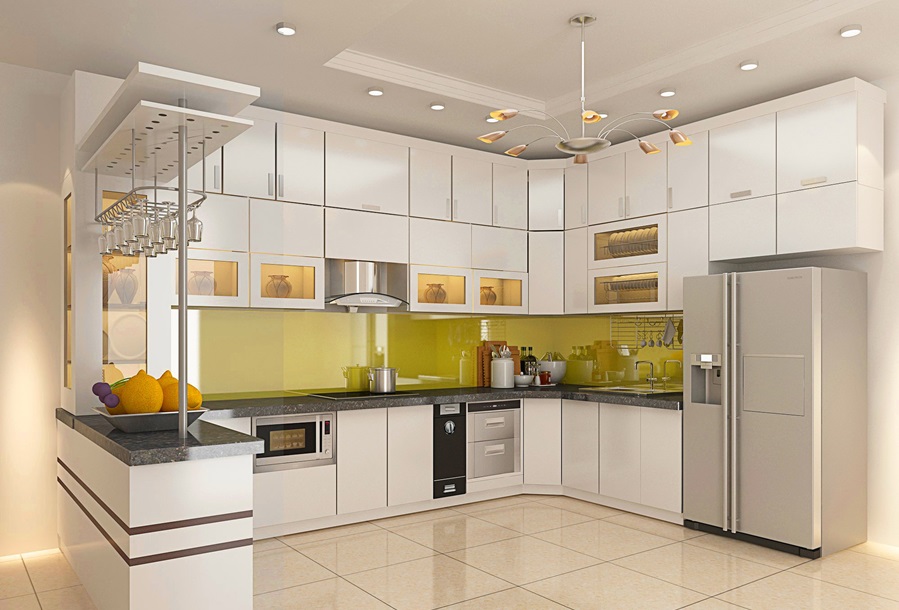
Modern Vietnamese kitchens are distinguished by their clean and minimalist designs (Source: Collected)
2. The cultural significance of Vietnamese kitchens in local life
The Vietnamese kitchen, which combines history, affluence, and gastronomic delights, develops as a hallowed sanctuary in the center of Vietnamese families.
Every home in ancient Vietnam had a basic kitchen that was ornamented with trivets, which were carefully lit when dawn came, signifying the beginning of a new day. The family would get together around the kitchen fire at these early hours while the rice was being cooked.
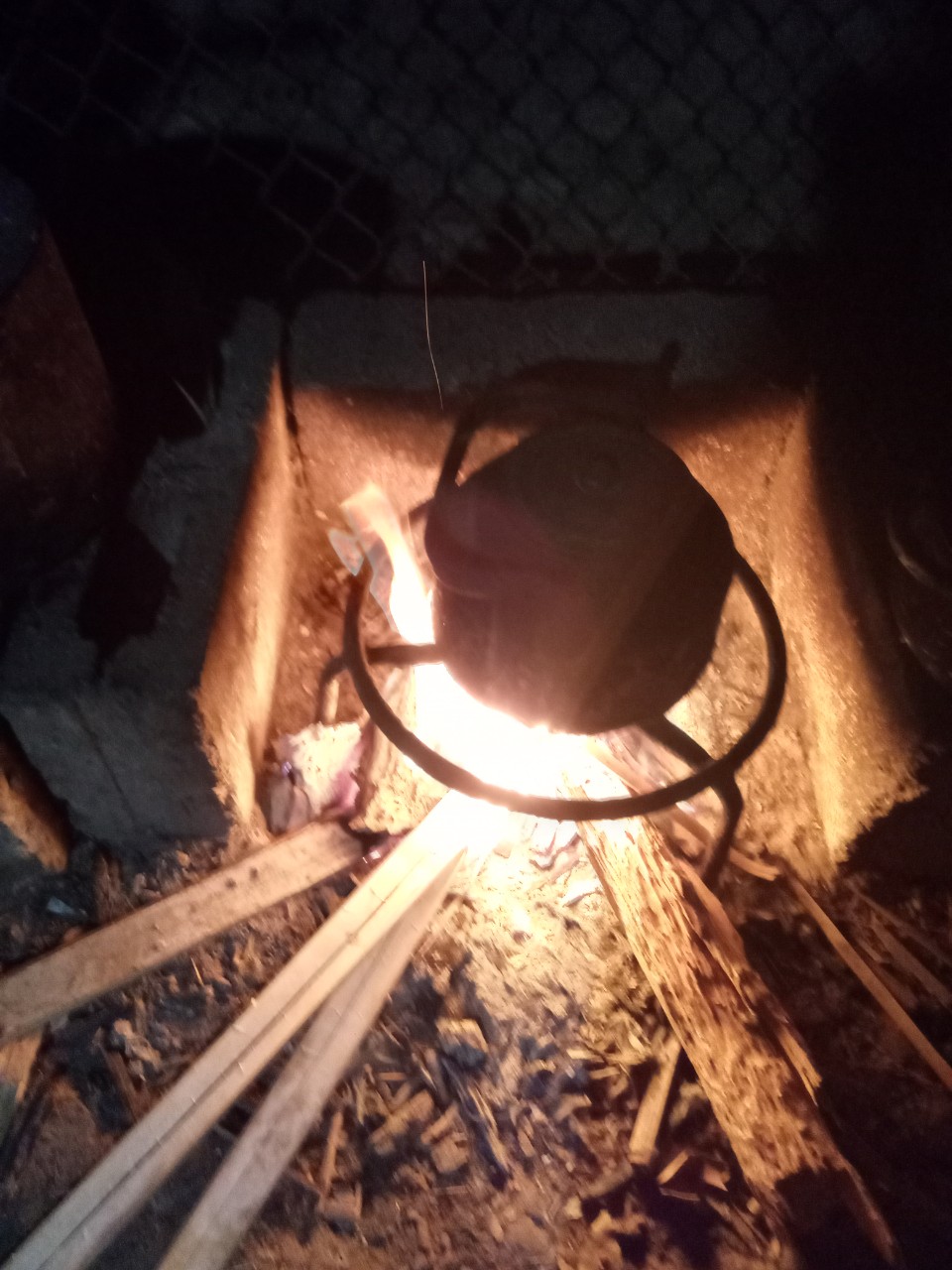
Every old Vietnamese home featured a simple kitchen that was adorned with a trivet (Souce: Collected)
These traditional cooking burners held significant value among the Vietnamese people of the past, as they were seen as symbols of familial harmony. The comforting radiance of the fires in the household was considered a representation of contentment within the family.
Beyond serving as a symbol of happiness, the Vietnamese kitchen has significant cultural value. It also includes a system of laws and holy ideals. In Vietnamese norms, it was a cultural practice for individuals not to step on or cross the kitchen area, and striking or banging the stove was severely forbidden.
Such customs sprouted from the belief that each family’s kitchen fire is protected by Ong Tao (the Vietnamese God of Kitchen). Everyday tasks centered around the cooking fire were carried out with the utmost care.
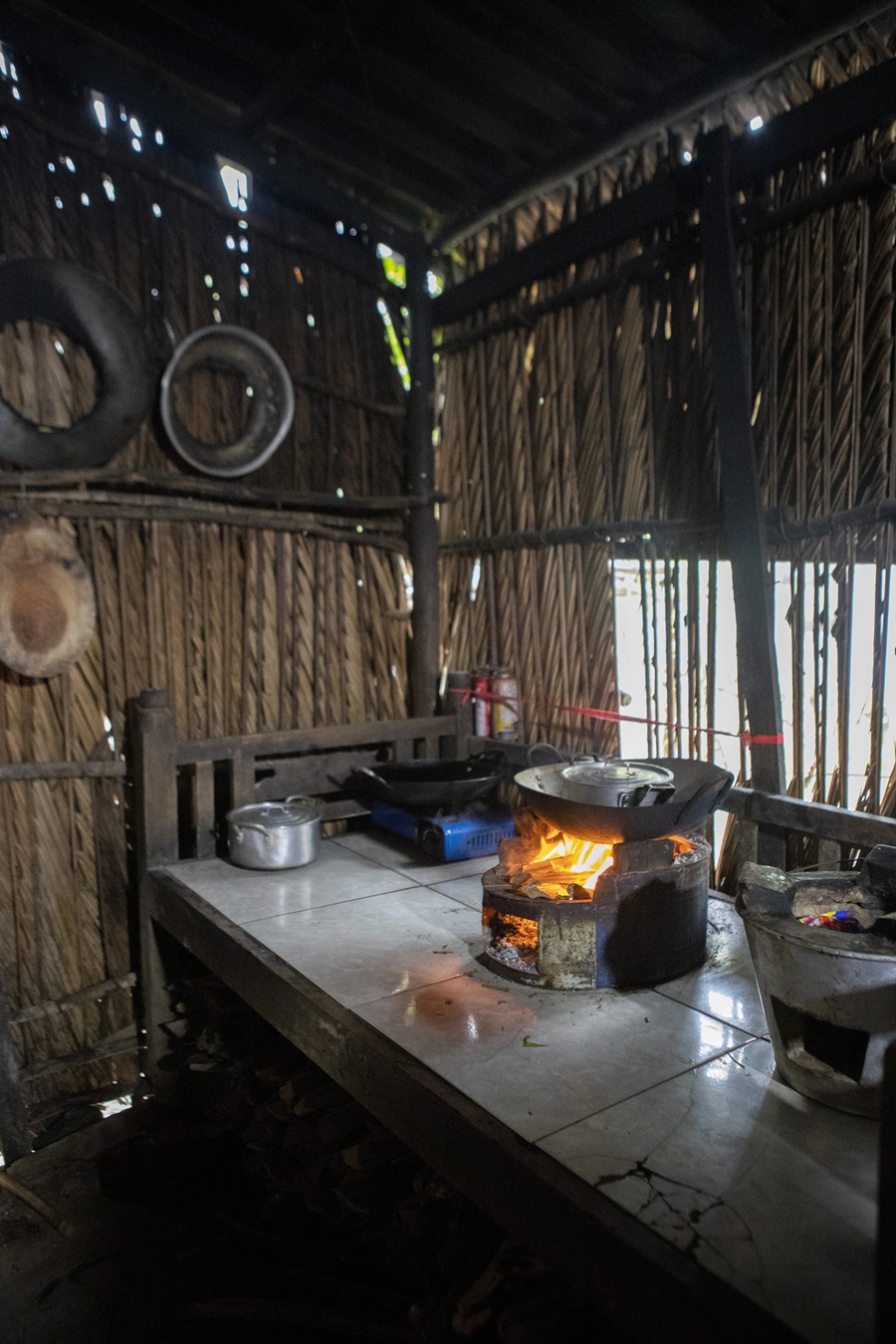
The Vietnamese kitchen has significant cultural value (Souce: Collected)
>>> Learn more about the outstanding characteristics of Vietnamese people you may not know!
Best-selling products
![[Grand World Phu Quoc] - Venice Water Taxi Ticket](http://booking-static.vinpearl.com/tours/6cee2bcb52a447009f64771095d03c9e_Screenshot%202024-10-22%20at%2014.49.18_ve-bao-tang-gau-teddy-bear.png)
![[Grand Park] Single Game Ticket](http://booking-static.vinpearl.com/tours/eeb9a602315342ccbc7965b29cfb0db0_Ảnh%20màn%20hình%202025-03-03%20lúc%2015.00.17_vinwonders-nam-hoi-an-ve-vao-cua.png)
![[-30% Grand Opening] [Aquafield Ocean City] – Standard Jjimjilbang Sauna Ticket for Male](http://booking-static.vinpearl.com/tours/94abeb55e3d54efbac23f7a862445389_0d72b531dd6749bbac2874b915ab0512_Screenshot_8_aquafield-nha-trang_aquafield-nha-trang.png)

![[VinWonders Nam Hoi An] Direct admission & Buggy Ticket Combo](http://booking-static.vinpearl.com/tours/6c002e3ea71642f38eda8efa8654e5e4_vwnha0_vinwonders-nam-hoi-an-ve-vao-cua.jpg)
![[Grand World Phu Quoc] - Water Taxi Boat + Teddy Bear Museum](http://booking-static.vinpearl.com/tours/add2e0908faa4289b555856472b181be_VENICE%20ALL%20IN%20ONE%20KV%20(1)_ve-bao-tang-gau-teddy-bear.jpg)
![[Vinpearl Safari Phu Quoc] - Standard Entrance Ticket + Meal voucher gift](http://booking-static.vinpearl.com/tours/ceb77f9174d845ebb2fd3dfe2b846066_3%20copy_vinwonders-nam-hoi-an-ve-vao-cua.jpg)
![[Hon Tam] - [Zone A] - Standard Mud Bath](http://booking-static.vinpearl.com/tours/9db66a615a7d4f119316b338afff30cb_tam-bun-dao-hon-tam_httpswwwhontammudbathvnwp-contentuploadssites2720190625-3-2200x700jpg.jpg)
![[Aquafield] - [Male] - 4-hour Korean Sauna](http://booking-static.vinpearl.com/tours/4ae60d29ea264f8fab17beb6b4415502_aqf-da-muoi_aquafield-nha-trang-xong-hoi-chuan-han.jpg)
![[01 Day Combo] - Admission to VinWonders + Vinpearl Safari Phu Quoc](http://booking-static.vinpearl.com/tours/877d8a3289a246d18f95aa5cc414f6d6_27be58d21e244664bf34d11d72e77860_Castle_vinwonders-phu-quoc-ve-vao-cua_vinwonders-phu-quoc-ve-vao-cua.jpg)
![[VinWonders Nha Trang] - Sunset Combo: Admission to VinWonders after 4:00 PM + Dinner Buffet](http://booking-static.vinpearl.com/tours/d1425f018b3e4d2d833374b5b52d8bb9_Hinh-anh-VinWonders-Nha-Trang-The-World-Garden-Lau-vong-canh-3x2-so-1_vinwonders-nha-trang-ve-vao-cua-sau-16h.jpg)
![[Vinpearl Harbour] - Round-trip Cable Car Ticket | Free Wishing Coin Voucher](http://booking-static.vinpearl.com/tours/e584c2f486d246c5820a19f519d184a4_VPHB_Photos15_vinwonders-nha-trang-ve-vao-cua-2-chieu.jpg)
![[VinWonders Cua Hoi] - Individual game tickets (excluding GoKart and Fair) *](http://booking-static.vinpearl.com/tours/aa8379d6db3a4f5c9df6d78d53177c35_11-E-Ticket-Vinwonder-Cua-Hoi_23072024111407_vinwonders-nam-hoi-an-ve-vao-cua.jpg)
![[-15%] Combo Admission Tickets for 2 Zones: Aquarium & VinKE + F&B Set](http://booking-static.vinpearl.com/tours/e7fcffc8256546e8bdcfd5ccfbe69783_VINKE2%20(1)_vinke-ve-vao-cua-truc-tiep.jpg)
![[Grand World Phu Quoc] [Ultimate Combo] - Water Taxi + Teddy Bear Museum + Grand Show](http://booking-static.vinpearl.com/tours/e31a9e66b5444808bba3e3114d195559_VENICE%20ALL%20IN%20ONE%20KV%20(1)_ve-bao-tang-gau-teddy-bear.jpg)
![[Grand World Phu Quoc] - The Quintessence of Vietnam Show](http://booking-static.vinpearl.com/tours/f88e2be1139b4eada4043eb7f0e39362_THVN1_show-tinh-hoa-viet-nam.jpg)
![[Vinpearl Harbour] - Happy Hour Combo: Round-trip Cable Car + Dinner Buffet + Tata Show](http://booking-static.vinpearl.com/tours/3cbd16b8edc74f6abc7f7cfa0e91caec_VPHB_Photos15_vinwonders-nha-trang-ve-vao-cua-2-chieu.jpg)
![[Hon Tam] - [Zone A&B] - Full island entertainment + Mud Bath Zone A + Lunch](http://booking-static.vinpearl.com/tours/af991883d63f4133b62b76551ba2444d_tam-bun-dao-hon-tam_httpswwwhontammudbathvnwp-contentuploadssites2720190625-3-2200x700jpg.jpg)
![[Buggy Combo] - VinWonders Phu Quoc + Buggy + Free Ice Cream](http://booking-static.vinpearl.com/tours/0fc52a574094489da612d0f36bb4b1e6_buggy%20kem_vinwonders-phu-quoc-ve-vao-cua-tet-vi-vu.jpg)
![[Nha Trang Passport] - [Half-Day] - Cable Car + Aquafield Sauna (2 hours) + Tata Show](http://booking-static.vinpearl.com/tours/c3bae84e472b42078ca3ff6f28d55d80_1c5968412aca409fa8571c88cc85a4ba_aqf%205_aquafield-nha-trang.jpg)
![[Hon Tam] - [Zone A] - Mud Bath + Lunch Combo](http://booking-static.vinpearl.com/tours/5debd1efb6d34e42a88efa65354c8c72_ebdde60fd9a44539afe75c9338ec8a3d_ảnh%205_tam-bun-hon-tam.jpg)
![[Aquafield] - [Female] - 4-hour Korean Sauna](http://booking-static.vinpearl.com/tours/0e6fe24c37b84cb799b94dae70578054_aqf-suong-may-2048x1365_aquafield-nha-trang-xong-hoi-chuan-han.jpg)
![[Aquafield] - 2-hour Aquafield Sauna + 30-min Spa](http://booking-static.vinpearl.com/tours/b0bf65880af449f39ea19fa0acbb94d5_34d71a9c3e6b4b7484f9d7cbbc935c26_200dd4dda03e45e0a1add52e4acc11fa_NHT_1796_ve-xem-tata-show-vinwonders-nha-trang_ve-xem-tata-show-vinwonders-nha-trang.jpg)
![[-50%] [VinWonders Wave Park] Standard Admission Ticket to Wave Park](http://booking-static.vinpearl.com/tours/f949b31af919495c9b4e111237642763_358600999_111579731994757_433244877993048710_n_vinwonders-ha-noi.jpg)
![[VinWonders Phu Quoc] - Standard Entrance Ticket](http://booking-static.vinpearl.com/tours/0dd25afc61ad45d48486bbd3b9c8a96a_tieu%20chuan%201_vinwonders-phu-quoc-ve-vao-cua.jpg)
![[Vinpearl Harbour] - Admission to VinWonders (after 4:00PM) & Round trip cable car](http://booking-static.vinpearl.com/tours/4b2d76bbde1f4c54a43370680d311928_Hinh-anh-VinWonders-Nha-Trang-The-World-Garden-Lau-vong-canh-3x2-so-1_vinwonders-nha-trang-ve-vao-cua-sau-16h.jpg)
![[Aquafield] - [Male] - Round-trip Cable Car + 4-hour Korean Sauna](http://booking-static.vinpearl.com/tours/625529980f3249e6b0491cddfc30db43_297be2477c5847748ef3bc08603ebf90_aqf%204_aquafield-nha-trang.jpg)
![[50% Student Discount] – VinWonders Admission Ticket](http://booking-static.vinpearl.com/tours/43126c168bb04853bf7c93e197db724a_Banner%201200x628_vinwonders-nha-trang-ve-vao-cua-2-chieu.jpg)
![[VinWonders Vu Yen] - Admission Ticket to Zoo + Games + Water Park](http://booking-static.vinpearl.com/tours/b2cd8cf6b14c48459b21393e14d73163_vwvy%201_vinwonders-nha-trang-ve-vao-cua-2-chieu.jpg)
![[Aquafield] - Round-trip Cable Car + Korean Sauna + Body Scrub](http://booking-static.vinpearl.com/tours/d00bc95eb402434c8f4a4756c2a3ad3d_Akoya-spa-Villa-Vinpearl-Resort-Spa-Phu-Quoc-12_aquafield-nha-trang.jpg)
![[VinWonders Phu Quoc] - Entrance Ticket + Gate Fastpass + Buggy](http://booking-static.vinpearl.com/tours/de2a24896b0e49469fa1e89e93aa5314_1920x1080%20VWPQ%20KV_vinwonders-phu-quoc-standard-entrance-ticket.jpg)
![[VinWonders Nam Hoi An] [Sunset Premium] Admission Ticket & Buggy Ride & VIP Safari Package & Afternoon Tea Set](http://booking-static.vinpearl.com/tours/3a1e510945b4421d861fede29a1b3e58_xE3mXzIVwTdZRf7M8zZfHqHIPqV17uyEOzL8PaUQ_vinwonders-nam-hoi-an-ve-vao-cua.jpg)
![[Aquafield Ocean City] [Male] – VIP Membership (12 Months)](http://booking-static.vinpearl.com/tours/6ab10678fcbd4822a8fddb0590d3bcbf_0d72b531dd6749bbac2874b915ab0512_Screenshot_8_aquafield-nha-trang_aquafield-nha-trang.png)
![[Grand World] Carousel Ride](http://booking-static.vinpearl.com/tours/0d6a4bcfc2a54fd4aa9df0b38ae8c7b6_A2-4-jpeg-2640-1687438608_grandworld.jpg)
![[VinWonders Phu Quoc] - Game Fastpass - Top 04 Rides](http://booking-static.vinpearl.com/tours/574c2b7798524c17a08f28feb80d45b5_fastpass%204%20games%20vwpq_vinwonders-phu-quoc-fastpass.jpg)
![[Nam Hoi An Signature] VinWonders Ticket + VIP Safari Package | FREE Merchandise Gift](http://booking-static.vinpearl.com/tours/881ac31c4a2b4687a59f412901e85b2c_VIN2725_-08746%20(2)_vinwonders-nam-hoi-an-ve-vao-cua.jpg)
![[Aquafield Ocean City] [Male] – Standard Jjimjilbang Sauna Ticket](http://booking-static.vinpearl.com/tours/0be276c684454e8d969c373f35f6be97_DSC_2127_11zon_aquafield-nha-trang.jpg)
![[Nha Trang Passport] – [01 day] – Snorkeling Tour + Lunch & Mud Bath at Hon Tam + Vinpearl Harbour + Tata Show](http://booking-static.vinpearl.com/tours/f6b1826759674c9c9d3f074e03fa04ba_snorkeling%201_vinwonders-nha-trang-ve-vao-cua-2-chieu.jpg)
![[VinWonders Nam Hoi An] - Standard Admission Ticket](http://booking-static.vinpearl.com/tours/81813f8ced2c466e82ad53f1c29c1904_tour-kham-pha-van-hoa-viet-vinwonders-nam-hoi-an-668ca102bcc29_vinwonders-nam-hoi-an-ve-vao-cua.jpg)
![[Grand Park] Water Park + Dream Garden Outdoor Games Combo](http://booking-static.vinpearl.com/tours/35566b714d4c4dd9802a6bf4650ac2b1_khu-vui-choi-cua-hoi-9_vinwonders-nam-hoi-an-ve-vao-cua.jpg)
![[VinWonders Nha Trang] - 01-day Unlimited Admission Ticket | Free F&B Voucher](http://booking-static.vinpearl.com/tours/ccf23087ea0f419980c411d0e79c10fb_88c594a8352d49e7b031b9fbd5c5d27f_tro-choi-mao-hiem-o-vinpearl-nha-trang-thumb-1_vinwonders-nha-trang-khong-gioi-han-2-ngay_vinwonders-nam-hoi-an-ve-vao-cua.jpg)
![[VinWonders Cua Hoi] - Indoor Games Zone](http://booking-static.vinpearl.com/tours/b952de18058e4a67a8ffa52f2039e7d2_1920-x-1080-double%20day%20sale%2077%20no%20text_vinwonders-nam-hoi-an-ve-vao-cua.jpg)
![[VinWonders Vu Yen] - Admission Ticket to Games zone (after 5:00 PM)](http://booking-static.vinpearl.com/tours/edbd3eb4bc9848aead9940e0f5aa050d_fa21c62dfa9644ada0c3fce89b3e79ff_DO__8711_vinwonders-vu-yen-vuon-thu-khu-tro-choi-sau-17h.jpg)
![[Aquafield Ocean City] – VIP Membership (12 Months)](http://booking-static.vinpearl.com/tours/3c2f7ab0ed374cb1bbdb2e54e6d6eb9a_e1f2756dfec346f3bb3b16e296b3b166_Screenshot_5_aquafield-nha-trang_aquafield-nha-trang.png)
![[VinWonders Cua Hoi] - Cable Car + Games on the Island](http://booking-static.vinpearl.com/tours/63c924f8521a4af981666076c5c3b0fe_VinWonders%20Cua%20Hoi%20Summer%20Say%20Hi%20Banner%201920x920px_vinwonders-nam-hoi-an-ve-vao-cua.jpg)
![[VinWonders Vu Yen] - [04 Adults] - Admission to Zoo + Games + Free Tote Bag](http://booking-static.vinpearl.com/tours/34488b227a3648e5b73d4aa6d6d36b46_DO__8153_vinwonders-nha-trang-ve-vao-cua-2-chieu.jpg)
![[VinWonders Nha Trang] - Admission to VinWonders after 4:00 PM](http://booking-static.vinpearl.com/tours/de2da6d471b34297ab13cb26ef2da9a0_Hinh-anh-VinWonders-Nha-Trang-The-World-Garden-Lau-vong-canh-3x2-so-1_vinwonders-nha-trang-ve-vao-cua-sau-16h.jpg)
![[Vinpearl Aquarium Times City] Entrance Ticket](http://booking-static.vinpearl.com/tours/8702a10bf2934d6299df65669a290679_aquarium%20times%20city%203_thuy-cung-vinpearl-aquarium-times-city.jpg)
![[Onsite service] - Premium VIP Zoo Tour Vinpearl Safari Phu Quoc](http://booking-static.vinpearl.com/tours/ff1e4b66ec1b46edad0c0460144e70ad_VINPEARL%20SAFARI%20PHU%20QUOC%20%20(51)_vinwonders-nam-hoi-an-ve-vao-cua.jpg)
![[Nha Trang Passport] - [Half-Day] - Cable Car + Aquafield Sauna (2 hours) + Tata Show](http://booking-static.vinpearl.com/tours/ef49c187eadf4177b425d2bb85a18b30_200dd4dda03e45e0a1add52e4acc11fa_NHT_1796_ve-xem-tata-show-vinwonders-nha-trang.jpg)
![[-10%] - VIP River Safari Ticket*](http://booking-static.vinpearl.com/tours/5d3ee19e977446be8917a34697bb9443_ece6e58a02fd48de9eba9d3f4689f77a_Hinh-anh-VinWonders-Nam-Hoi-An-River-Safari-3x2-so-1%20(1)_vinwonders-nam-hoi-an-ve-vao-cua_vinwonders-nam-hoi-an-ve-vao-cua.jpg)
3. Establishments with the Vietnamese kitchen concept to visit
3.1. Cafes with a traditional Vietnamese kitchen vibe
Embark on a flavorful journey through Vietnam itinerary heritage at these cafes, where the traditional Vietnamese kitchen vibe is palpable – an essential stop on your Vietnam itinerary. Each cafe transports you to the heart of Vietnam’s gastronomic culture, offering an authentic taste of the country’s cuisine in a setting reminiscent of a traditional Vietnamese kitchen.
3.1.1. Cang-tin Ca Phe (Hanoi)
- Address: No. 34, Lane 31, Hoang Cau Street, Dong Da District, Hanoi
Amidst the bustling pace of modern life, there are still those small coffee corners that transport travelers “against the current of time,” taking them back to the beautiful memories of the 1980s. One such place is Cang-tin Cafe, a café that captivates with its humble and simple appearance, reminiscent of the past era, evoking memories of years long gone by. This is why, for many patrons, Cang-tin Cafe is dubbed “a place to revisit childhood,” with distant memories that resonate with generations born in the 1970s and 1980s.
Cang-tin Cafe is primarily adorned in shades of yellow and deep green, reminiscent of the old, traditional houses along the streets of ancient Hanoi. It boasts a simple, gentle setup featuring wooden tables and chairs, small bookshelves, guitars, and old newspapers—a homage to the days of yore.
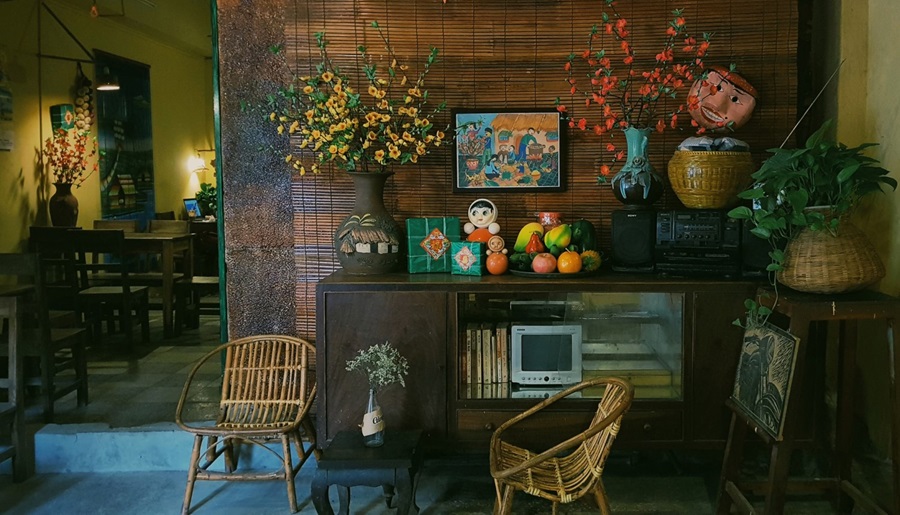
Cang-tin Cafe captivates with its low and basic appearance (Souce: Collected)
3.1.2. Lua Cafe (Ho Chi Minh City)
- Address: No. 140B Nguyen Van Troi Street, Phu Nhuan District, Ho Chi Minh City
This vintage Saigon-style café, spanning over 1,000 square meters, has been in operation for over three years now. The space of Lua Cafe is steeped in nostalgic hues, with most items reminiscent of the familiar past of Saigonese. These include sets of wooden tables and chairs, mosaic tile floors, advertising signs, household items, and pictures collected by the owner over more than 30 years.
The majority of the vintage items in the café date from the early 20th century to the 1970s, mainly household items closely linked to the old Saigonese way of life. The sets of tables and chairs, doors, windows, wooden shelves, and more all boast a lifespan of over half a century.
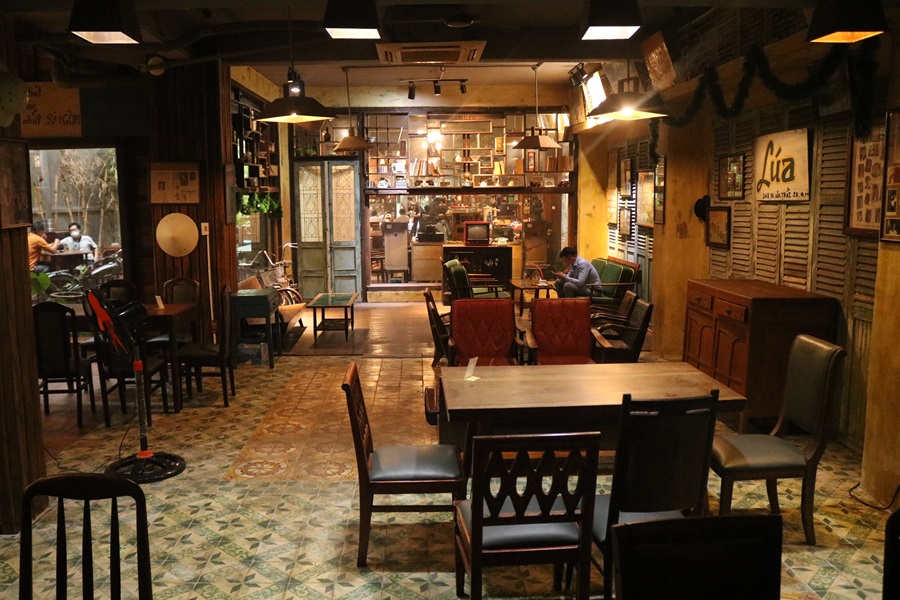
Lua Cafe is steeped in nostalgic colors, with most things reminiscent of Saigon’s past (Source: Collected)
>>> Discover the best things to do in Vietnam to include in your itinerary!
3.2. Restaurants with Vietnamese kitchen-inspired settings
3.2.1. Bep Quan Restaurant (Hanoi)
- Address:
- No. 10 Tho Nhuom Street, Hoan Kiem District, Hanoi
- No. 132 Trung Hoa Street, Cau Giay District, Hanoi
- No. 38 Ham Long Street, Hoan Kiem District, Hanoi
At Bep Quan Restaurant, you will experience the revival of age-old Vietnamese culinary customs. This Vietnam village restaurant echoes ancient Vietnam, where each element, from meticulously designed tiles to traditional furnishings, transports you to the depths of heritage. Featuring a diverse menu of more than 80 dishes representing Vietnam’s culinary legacy across all three regions, Bep Quan beckons you to immerse yourself in an epicurean adventure perfectly curated for your palate, showcasing the rich tapestry of Vietnamese foods.
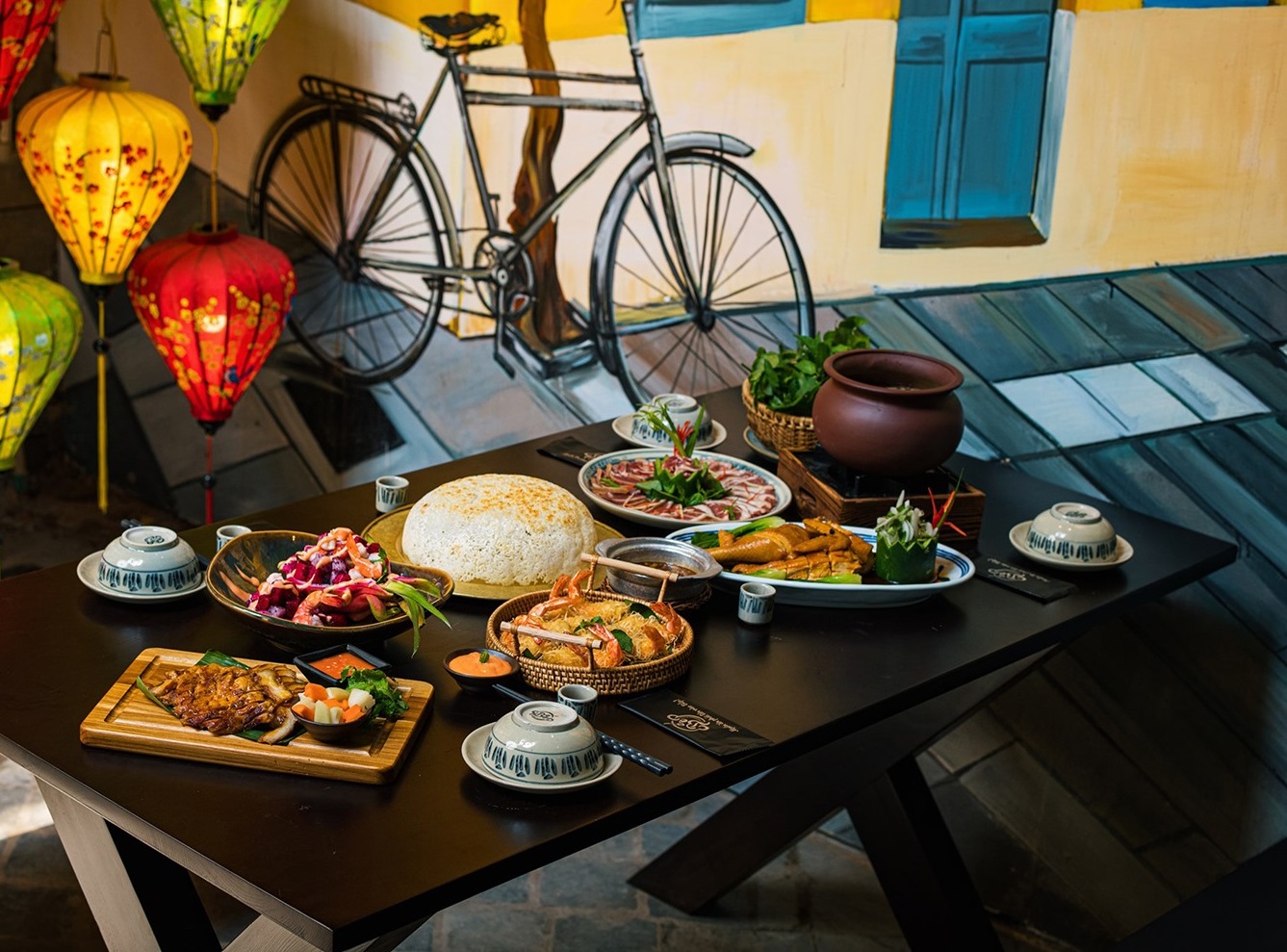
Bep Quan Restaurant revives age-old Vietnamese culinary practices (Source: Collected)
3.2.2. Chan Restaurant (Hue)
- Address: No. 1 Nguyen Thai Hoc Street, Hue
Chan Restaurant, a Vietnamese kitchen restaurant, is an essential stop for anyone in search of a genuine experience of Vietnamese gastronomy. This delightful dining establishment focuses on showcasing the unique flavors of Hue, offering visitors a chance to savor the distinctive tastes of the region.
The warm, natural hues of the furnishings create a nostalgic ambiance, enhanced by thoughtfully curated decorations like antique bicycles, classic monochrome televisions, and vintage clocks. The expansive menu presents a wealth of close to a hundred dishes, each crafted with precision to encapsulate the true flavors of Hue’s culinary heritage.

Chan Restaurant is a must-visit for anybody looking for an authentic taste of Vietnamese cuisine (Souce: Collected)
3.2.3. Bep Nha Hoi An Restaurant (Hoi An)
- Address: 44 Phan Chu Trinh Street, Hoi An
Nestled in the charming Hoi An ancient town, Bep Nha Hoi An stands out as a culinary treasure that captivates diners with its peaceful setting and genuine Vietnamese culinary essence.
This Vietnamese restaurant mirrors the essence of the ancient town in its architectural layout. Utilizing dark wooden elements and making smart use of natural light, it conjures an atmosphere of calmness and familiarity.
The menu at Bep Nha Hoi An reflects their dedication to perfection, presenting an impressive selection of signature dishes. For instance, the banh xeo Hoi An delights with a perfect blend of crispy textures and flavorful fillings, while the goi tom thit offers a lively salad bursting with taste sensations.
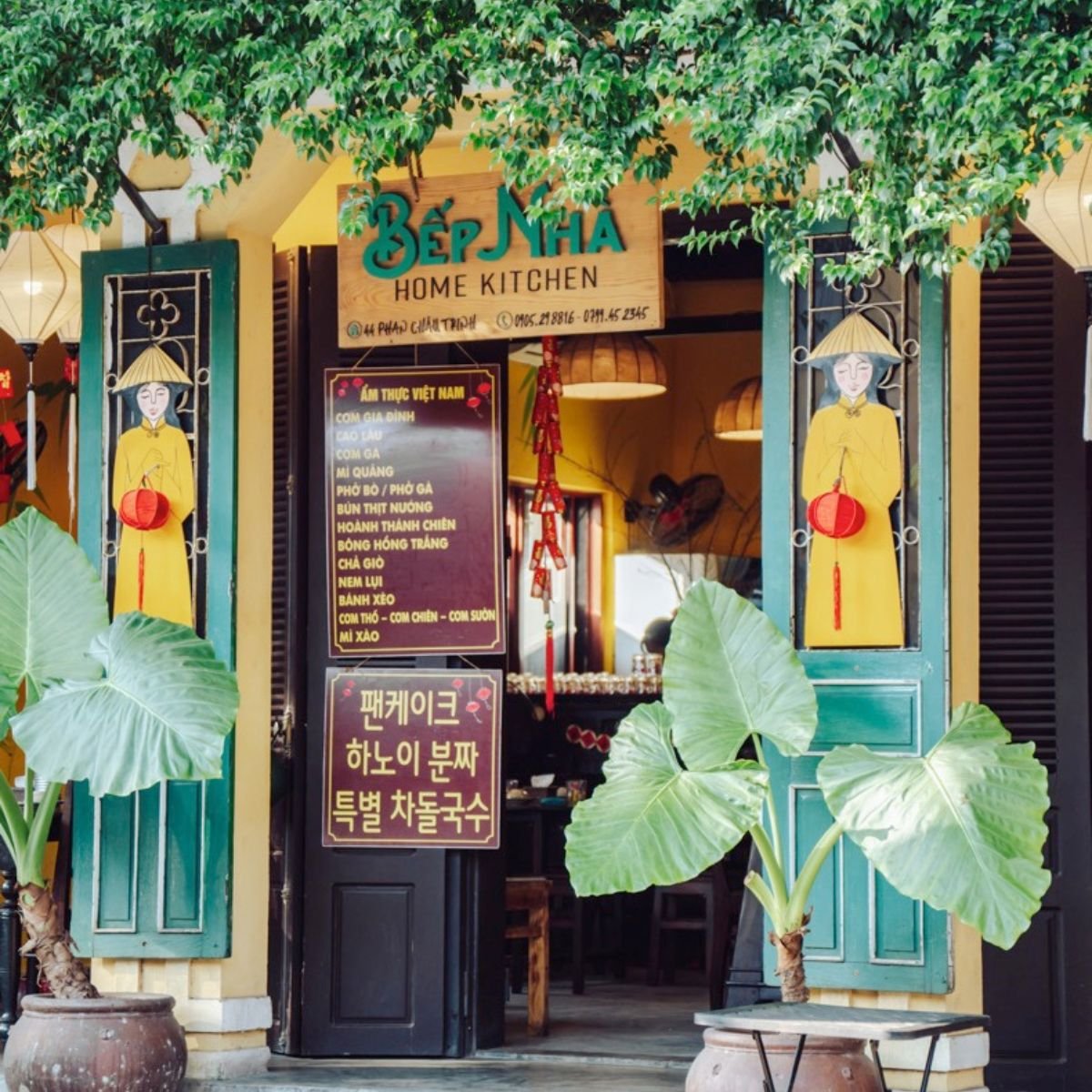
Bep Nha Hoi An’s architectural layout reflects the character of the historic town (Source: Collected)
3.2.4. Com Nha Quan Restaurant (Ho Chi Minh City)
Com Nha Quan Restaurant, nestled discreetly within a vintage apartment complex, presents an unmissable opportunity to savor genuine Saigonese cuisine.
Upon entering, the enticing fragrance of home-cooked delights, lovingly prepared by the owner, envelops the air. The menu is a delightful fusion of enticing Vietnamese dishes, featuring favorites such as pha lau (offal stew), Nha Trang fish cake simmered in a tomato-based sauce, beef meatballs, and stir-fried shrimp and pork delicately wrapped in fresh rice paper along with aromatic herbs.
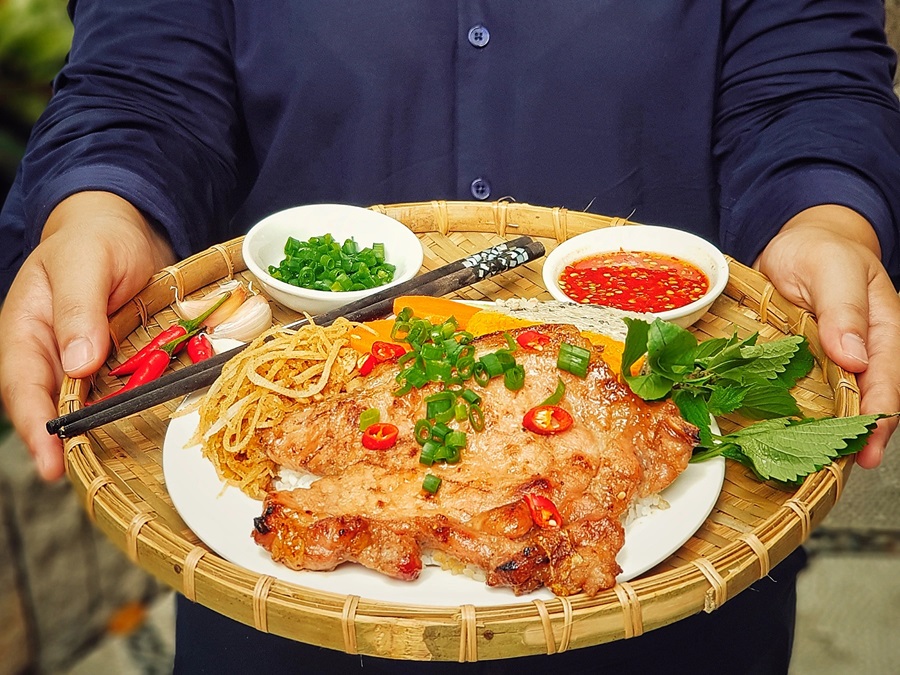
Com Nha Restaurant offers an authentic Saigon cuisine experience (Source: Collected)
>>> Explore where to go in Vietnam for an amazing journey!
When planning your Vietnam itinerary, consider incorporating a visit to a variety of renowned tourist destinations, such as Phu Quoc, Hoi An, Nha Trang, Da Nang, and Ha Long Bay.
It is highly recommended that you visit VinWonders Wave Park & Water Park, VinKE & Vinpearl Aquarium, VinWonders Nam Hoi An, VinWonders Nha Trang, and VinWonders Phu Quoc after visiting Vietnam marvels. These entertainment venues offer visitors the chance to experience exhilarating roller coasters, unwind at appealing water parks, and enjoy captivating performances. Include these destinations in your itinerary to create unforgettable memories with your family and friends amidst the excitement of our fantastic amusement parks.
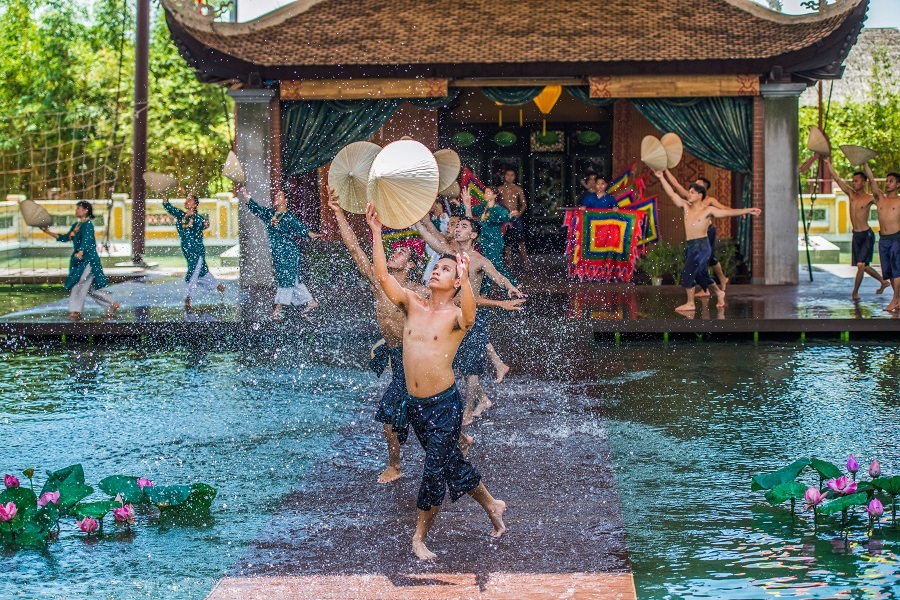
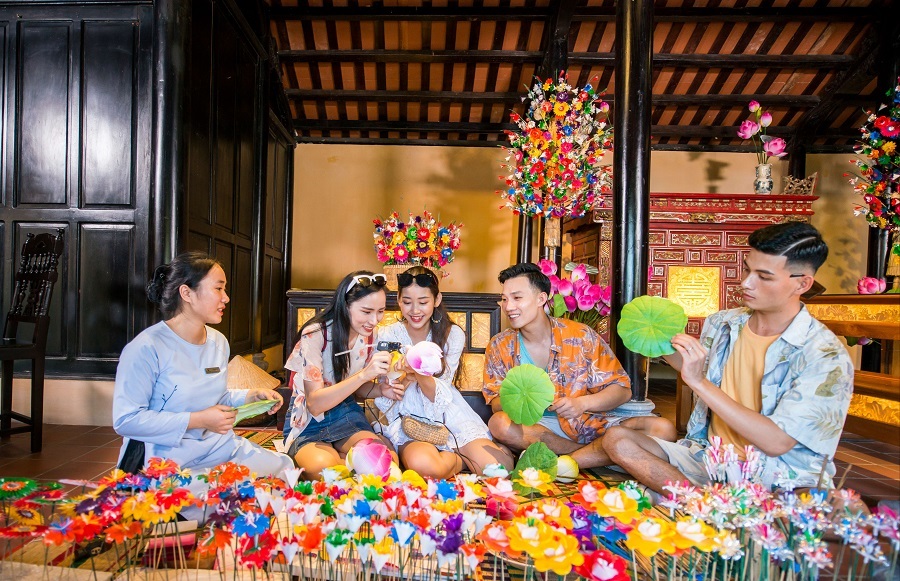
VinWonders provides tourists with hours of entertainment
>>> Book tickets of VinWonders Phu Quoc, Nha Trang, Nam Hoi An, VinKE & Vinpearl Aquarium and VinWonders Wave Park & Water Park to relax and have a great time with your family and friends!
To sum up, the alluring world of Vietnamese kitchen invites you to set off on an enticing gastronomic adventure. With its cultural importance and the unique aspects of its traditional dishes, there’s a plethora to explore and admire. Therefore, dive into the captivating flavors and embrace the rich cultural heritage that awaits you within the vibrant mosaic of Vietnam’s culinary art.
Best-selling products