 en
en


 Tiếng Việt
  中文 (中国)
  한국어
한국어  Русский


 11/04/2023
 3.028 views
The Vietnamese wedding dress is more than just a garment, it is a reflection of the country’s unique cultural identity and rich history. Over time, the intricate design of this traditional attire has evolved to reflect the changing times. Let’s discover the captivating history of this beautiful garment on your Vietnam travel journey and immerse yourself in the country’s vibrant traditions!
1. Recorded history of Vietnamese wedding dress
1.1. Under the Nguyen dynasty (1802 – 1945)
During the Nguyen Dynasty, the traditional Vietnamese wedding dress underwent significant changes in style and materials.
In the early years of the dynasty, the wedding dress for women was influenced by the Chinese style, which was characterized by a long, straight gown with a tight waist and high collar. The gown was often made of silk and embroidered with intricate patterns of flowers, birds, and others. This style was particularly popular among royal families and nobles.

The Vietnamese wedding dress under the early Nguyen Dynasty (Source: Collected)
Later on, during the 19th and early 20th centuries, the five-flap tunic with tight-fitting sleeves, which is the predecessor of the modern Vietnamese ao dai, also became a popular choice for wedding dresses, especially among the middle and lower classes.
Despite regional differences, the ao dai in the Northern, Central, and Southern regions shared a fairly similar style. The most notable feature of this attire was the green outer garment worn over a pink or red inner garment. Green was the preferred color during this time, as it was considered the color of the ruling class, a symbol of elegance and pride.
>>> Read more: Vietnam where to go 2025: TOP extraordinary places for travel lovers
1.2. In times of war (1945 – 1975)
The period from 1945 to 1975 in Vietnam was marked by war and political turmoil, which had an impact on the style and materials used for Vietnamese wedding dresses.
During this time, the country was occupied by various foreign powers, and the Vietnamese people were faced with economic hardships and shortages of basic goods, including fabric and clothing materials. As a result, the design and materials of Vietnamese wedding dresses were simpler and more practical. The dresses were often made from affordable and readily available materials, such as cotton or silk blends.

Wedding attire during wartime was kept simple to accommodate the conditions (Source: Collected)
Women often wore a simple white blouse and skirt or white/black pants, with little to no embellishment. The traditional ao dai was also a popular choice for wedding dresses during this period, but with some modifications to fit the conditions in wartime. It was often made with shorter sleeves and hemlines to conserve fabric.
In addition, many Vietnamese women chose to forgo traditional wedding ceremonies altogether, due to the instability of the times. Instead, they would have small, simple ceremonies at home with close family and friends, and wear whatever clothing they had available.
1.3. The Vietnamese wedding dress from 1975 – 1990
After the Second Indochina War ended in 1975, the country underwent a period of significant changes, including a shift towards socialist ideals and a new emphasis on modernization. This was reflected in the style and design of Vietnamese wedding dresses during this time.
One notable change was the increasing popularity of Western-style wedding dresses. As Vietnam began to open up to the world, more brides began to wear white wedding gowns and veils, which were seen as symbols of modernity and sophistication.

The Vietnamese wedding gown with a touch of Western-style influences (Source: Collected)
Another trend during this period was the use of bright, bold colors in wedding dresses. Brides began to wear dresses in shades of pink, red, and even bright blue, which were seen as colors of fortune and festivals.
In terms of design, Vietnamese wedding dresses during this period were adorned with intricate embroidery and beading, and often featured elaborate sleeves, trains, or other decorative elements.
Despite these changes, traditional Vietnamese wedding dresses continued to be worn during this time as well. The ao dai remained a popular choice, although it was often made with lighter fabrics and more modern designs. In some cases, brides would wear both a Western-style dress and a traditional ao dai, changing between the two throughout the wedding ceremony.

The Vietnamese wedding dress ao dai was updated with more modern styles after 1975 (Source: Collected)
1.4. The Vietnamese wedding dress, 1990 – Present
During this time, Vietnam experienced a period of rapid modernization and globalization. It saw an influx of Western fashion and culture, which had a significant impact on Vietnamese wedding dresses.
During the 1990s, many Vietnamese brides opted for Western-style wedding dresses, commonly made of white satin or lace. These dresses were often fitted and featured a train. Meanwhile, the ao dai continued to be a popular choice for many brides, especially for traditional Vietnamese wedding ceremonies.

A bride in a modern Vietnamese wedding dress
In the early 2000s, there was a renewed interest in traditional Vietnamese culture, including traditional dresses. This led to a revival of interest in the ao dai as a wedding dress, with many modern designers creating contemporary styles. These ao dai often featured updated designs and fabrics, such as silk chiffon or lace overlays.
In recent years, Vietnamese wedding dresses have continued to evolve, reflecting changing fashion trends and social norms. Many brides now choose to combine both traditional and modern elements into their wedding attire, such as wearing an ao dai on the engagement day and a Western-style dress for the ceremony. The use of bold colors and intricate embroidery or beading is also becoming increasingly popular.
>>> Read more: Things to do in Vietnam: A fully updated guide for your trip in 2025
2. Wedding dresses of Vietnamese ethnic minorities
Vietnam is a culturally diverse country with numerous ethnic groups, each with their own unique style of traditional wedding attire. Among these groups, the Tay, Dao, Hmong, and Khmer are particularly renowned for their exquisite wedding dresses. These dresses feature intricate patterns, bold colors, and handcrafted details, which are treasured as valuable family heirlooms, passed down from generation to generation.
- Tay: The traditional dress of the Tay people is very simple, bringing a gentle and graceful look. It is made of cotton or silk, with dominant colors of indigo and black.
- Dao: The wedding attire of the Dao people is typically vibrant in color, often using red to symbolize luck, happiness, and energy.
- Hmong: The Hmong traditional wedding dress is a colorful ensemble with hues of red, blue, green, and purple, which requires a great deal of time and attention to make.
- Khmer: The wedding dress of the Khmer people is usually made of silk, adorned with intricate patterns. It is complemented by various jewelry, such as earrings, rings, and necklaces.

The traditional Vietnamese wedding dresses of ethnic groups are diverse and unique (Source: Collected)
>>> Read more: Vietnamese food: List of 17 must-try specialties over 3 three regions
Best-selling products
![[02 Day Combo] - Admission to VinWonders + Vinpearl Safari Phu Quoc | Gifts: Meal Voucher + Teddy Bear Museum](http://booking-static.vinpearl.com/tours/877d8a3289a246d18f95aa5cc414f6d6_27be58d21e244664bf34d11d72e77860_Castle_vinwonders-phu-quoc-ve-vao-cua_vinwonders-phu-quoc-ve-vao-cua.jpg)
![[Hoi An Passport] VinWonders Ticket & Buggy Ride & Hoi An Coconut Forest](http://booking-static.vinpearl.com/tours/6c002e3ea71642f38eda8efa8654e5e4_vwnha0_vinwonders-nam-hoi-an-ve-vao-cua.jpg)
![[Nha Trang Passport] - [Half-Day] - Cable Car + Aquafield Sauna (2 hours) + Tata Show](http://booking-static.vinpearl.com/tours/91c34711df754e76b66d3ff6d3436e26_34d71a9c3e6b4b7484f9d7cbbc935c26_200dd4dda03e45e0a1add52e4acc11fa_NHT_1796_ve-xem-tata-show-vinwonders-nha-trang_ve-xem-tata-show-vinwonders-nha-trang.jpg)
![[VinWonders Cua Hoi] - Indoor Games Area](http://booking-static.vinpearl.com/tours/0b0d68a6480146e3a0aba9a3cfc038c1_1920-x-1080-double%20day%20sale%2077%20no%20text_vinwonders-nam-hoi-an-ve-vao-cua.jpg)
![[VinWonders Nha Trang] - Standard Admission Ticket to VinWonders | Free F&B Voucher](http://booking-static.vinpearl.com/tours/d1425f018b3e4d2d833374b5b52d8bb9_Hinh-anh-VinWonders-Nha-Trang-The-World-Garden-Lau-vong-canh-3x2-so-1_vinwonders-nha-trang-ve-vao-cua-sau-16h.jpg)
![[VinWonders Cua Hoi] Round-Trip Cable Car + Water Park + Buffet Voucher worth VND 125,000](http://booking-static.vinpearl.com/tours/aa8379d6db3a4f5c9df6d78d53177c35_11-E-Ticket-Vinwonder-Cua-Hoi_23072024111407_vinwonders-nam-hoi-an-ve-vao-cua.jpg)
![[Vinpearl Harbour] - Happy Hour Combo: Round-trip Cable Car + Dinner Buffet + Tata Show](http://booking-static.vinpearl.com/tours/a869acdae59e4137855742de1cbbb1af__KAH2165_vinpearl-harbour-combo-happy-hour.jpg)
![[Grand World Phu Quoc] [Ultimate Combo] - Water Taxi + Teddy Bear Museum + Grand Show](http://booking-static.vinpearl.com/tours/e31a9e66b5444808bba3e3114d195559_VENICE%20ALL%20IN%20ONE%20KV%20(1)_ve-bao-tang-gau-teddy-bear.jpg)
![[VinWonders Nha Trang] - 01-day Unlimited Admission Ticket | Free F&B Voucher](http://booking-static.vinpearl.com/tours/ccf23087ea0f419980c411d0e79c10fb_88c594a8352d49e7b031b9fbd5c5d27f_tro-choi-mao-hiem-o-vinpearl-nha-trang-thumb-1_vinwonders-nha-trang-khong-gioi-han-2-ngay_vinwonders-nam-hoi-an-ve-vao-cua.jpg)
![[VinWonders Nha Trang] - Admission to VinWonders after 4:00 PM](http://booking-static.vinpearl.com/tours/de2da6d471b34297ab13cb26ef2da9a0_Hinh-anh-VinWonders-Nha-Trang-The-World-Garden-Lau-vong-canh-3x2-so-1_vinwonders-nha-trang-ve-vao-cua-sau-16h.jpg)
![[Vinpearl Aquarium Times City] Entrance Ticket](http://booking-static.vinpearl.com/tours/8702a10bf2934d6299df65669a290679_aquarium%20times%20city%203_thuy-cung-vinpearl-aquarium-times-city.jpg)
![[VinWonders Cua Hoi] Combo Entrance Ticket | Includes Cable Car + Games Area (excluding Gokart and Indoor Games)](http://booking-static.vinpearl.com/tours/d5af0cb7759d48a7a2b991c8de1e19a0_Hinh-anh-VinWonders-Nam-Hoi-An-Noi-bat-3x2-so-3%20(1)_vinwonders-nam-hoi-an-ve-vao-cua.jpg)
![[Zoo Tram Combo] - Admission to Vinpearl Safari Phu Quoc + Zoo Tram](http://booking-static.vinpearl.com/tours/ceb77f9174d845ebb2fd3dfe2b846066_3%20copy_vinwonders-nam-hoi-an-ve-vao-cua.jpg)
![[VinWonders Vu Yen] - Admission Ticket to Games zone (after 5:00 PM)](http://booking-static.vinpearl.com/tours/edbd3eb4bc9848aead9940e0f5aa050d_fa21c62dfa9644ada0c3fce89b3e79ff_DO__8711_vinwonders-vu-yen-vuon-thu-khu-tro-choi-sau-17h.jpg)
![[Aquafield] - [Female] - 4-hour Korean Sauna](http://booking-static.vinpearl.com/tours/0e6fe24c37b84cb799b94dae70578054_aqf-suong-may-2048x1365_aquafield-nha-trang-xong-hoi-chuan-han.jpg)
![[VinWonders Nam Hoi An] - Standard Admission Ticket](http://booking-static.vinpearl.com/tours/81813f8ced2c466e82ad53f1c29c1904_tour-kham-pha-van-hoa-viet-vinwonders-nam-hoi-an-668ca102bcc29_vinwonders-nam-hoi-an-ve-vao-cua.jpg)
![[VinWonders Phu Quoc] - Standard Entrance Ticket](http://booking-static.vinpearl.com/tours/0dd25afc61ad45d48486bbd3b9c8a96a_tieu%20chuan%201_vinwonders-phu-quoc-ve-vao-cua.jpg)
![[VinGroup Employees] Standard Admission Ticket to Ocean Park 3 Water Park](http://booking-static.vinpearl.com/tours/f949b31af919495c9b4e111237642763_358600999_111579731994757_433244877993048710_n_vinwonders-ha-noi.jpg)
![[50% Student Discount] – VinWonders Admission Ticket](http://booking-static.vinpearl.com/tours/43126c168bb04853bf7c93e197db724a_Banner%201200x628_vinwonders-nha-trang-ve-vao-cua-2-chieu.jpg)
![[Grand World] Skydrop ticket](http://booking-static.vinpearl.com/tours/ed7c962747be42458f35c7b18340b901_A2-4-jpeg-2640-1687438608_grandworld.jpg)
![[Grand World Phu Quoc] - The Quintessence of Vietnam Show](http://booking-static.vinpearl.com/tours/f88e2be1139b4eada4043eb7f0e39362_THVN1_show-tinh-hoa-viet-nam.jpg)
![[Grand Park] Celestial Swing](http://booking-static.vinpearl.com/tours/eeb9a602315342ccbc7965b29cfb0db0_Ảnh%20màn%20hình%202025-03-03%20lúc%2015.00.17_vinwonders-nam-hoi-an-ve-vao-cua.png)
![[Nha Trang Passport] - [Half-Day] - Cable Car + Aquafield Sauna (2 hours) + Tata Show](http://booking-static.vinpearl.com/tours/ef49c187eadf4177b425d2bb85a18b30_200dd4dda03e45e0a1add52e4acc11fa_NHT_1796_ve-xem-tata-show-vinwonders-nha-trang.jpg)
![[Grand World Phu Quoc] - Water Taxi Boat + Teddy Bear Museum](http://booking-static.vinpearl.com/tours/add2e0908faa4289b555856472b181be_VENICE%20ALL%20IN%20ONE%20KV%20(1)_ve-bao-tang-gau-teddy-bear.jpg)
![[VinWonders Vu Yen] - Admission Ticket to Zoo + Games + Buffet](http://booking-static.vinpearl.com/tours/b2cd8cf6b14c48459b21393e14d73163_vwvy%201_vinwonders-nha-trang-ve-vao-cua-2-chieu.jpg)
![[Hon Tam] - [Zone A&B] - Full island entertainment + Mud Bath Zone A + Lunch](http://booking-static.vinpearl.com/tours/af991883d63f4133b62b76551ba2444d_tam-bun-dao-hon-tam_httpswwwhontammudbathvnwp-contentuploadssites2720190625-3-2200x700jpg.jpg)
![[VinWonders Vu Yen] - [04 Adults] - Admission to Zoo + Games + Free Tote Bag](http://booking-static.vinpearl.com/tours/34488b227a3648e5b73d4aa6d6d36b46_DO__8153_vinwonders-nha-trang-ve-vao-cua-2-chieu.jpg)
![[Grand World] Carousel Ride](http://booking-static.vinpearl.com/tours/0d6a4bcfc2a54fd4aa9df0b38ae8c7b6_A2-4-jpeg-2640-1687438608_grandworld.jpg)
![[-30%] The Quintessence of Vietnam Show](http://booking-static.vinpearl.com/tours/6cee2bcb52a447009f64771095d03c9e_Screenshot%202024-10-22%20at%2014.49.18_ve-bao-tang-gau-teddy-bear.png)
![[-10%] - VIP River Safari Ticket*](http://booking-static.vinpearl.com/tours/5d3ee19e977446be8917a34697bb9443_ece6e58a02fd48de9eba9d3f4689f77a_Hinh-anh-VinWonders-Nam-Hoi-An-River-Safari-3x2-so-1%20(1)_vinwonders-nam-hoi-an-ve-vao-cua_vinwonders-nam-hoi-an-ve-vao-cua.jpg)
![[Vinpearl Aquarium Times City] Entrance Ticket](http://booking-static.vinpearl.com/tours/e7fcffc8256546e8bdcfd5ccfbe69783_VINKE2%20(1)_vinke-ve-vao-cua-truc-tiep.jpg)
![[Aquafield] - [Male] - 4-hour Korean Sauna](http://booking-static.vinpearl.com/tours/94abeb55e3d54efbac23f7a862445389_0d72b531dd6749bbac2874b915ab0512_Screenshot_8_aquafield-nha-trang_aquafield-nha-trang.png)
![[Buggy Combo] - VinWonders Phu Quoc + Buggy + Free Ice Cream](http://booking-static.vinpearl.com/tours/0fc52a574094489da612d0f36bb4b1e6_buggy%20kem_vinwonders-phu-quoc-ve-vao-cua-tet-vi-vu.jpg)
![[Aquafield] - [Male] - 4-hour Korean Sauna](http://booking-static.vinpearl.com/tours/4ae60d29ea264f8fab17beb6b4415502_aqf-da-muoi_aquafield-nha-trang-xong-hoi-chuan-han.jpg)
![[Aquafield] - 2-hour Aquafield Sauna + 30-min Spa](http://booking-static.vinpearl.com/tours/b0bf65880af449f39ea19fa0acbb94d5_34d71a9c3e6b4b7484f9d7cbbc935c26_200dd4dda03e45e0a1add52e4acc11fa_NHT_1796_ve-xem-tata-show-vinwonders-nha-trang_ve-xem-tata-show-vinwonders-nha-trang.jpg)
![[Aquafield Ocean City] [Male] – Standard Jjimjilbang Sauna Ticket](http://booking-static.vinpearl.com/tours/0be276c684454e8d969c373f35f6be97_DSC_2127_11zon_aquafield-nha-trang.jpg)
![[Hon Tam] - [Zone A] - Mud Bath + Lunch Combo](http://booking-static.vinpearl.com/tours/5debd1efb6d34e42a88efa65354c8c72_ebdde60fd9a44539afe75c9338ec8a3d_ảnh%205_tam-bun-hon-tam.jpg)
![[Vinpearl Harbour] - Round-trip Cable Car Ticket](http://booking-static.vinpearl.com/tours/3cbd16b8edc74f6abc7f7cfa0e91caec_VPHB_Photos15_vinwonders-nha-trang-ve-vao-cua-2-chieu.jpg)
![[Aquafield] - [Male] - Round-trip Cable Car + 4-hour Korean Sauna](http://booking-static.vinpearl.com/tours/625529980f3249e6b0491cddfc30db43_297be2477c5847748ef3bc08603ebf90_aqf%204_aquafield-nha-trang.jpg)
![[Hon Tam] - [Zone A] - Standard Mud Bath](http://booking-static.vinpearl.com/tours/9db66a615a7d4f119316b338afff30cb_tam-bun-dao-hon-tam_httpswwwhontammudbathvnwp-contentuploadssites2720190625-3-2200x700jpg.jpg)
![[Aquafield] - [Female] - Round-trip Cable Car + 4-hour Korean Sauna](http://booking-static.vinpearl.com/tours/c3bae84e472b42078ca3ff6f28d55d80_1c5968412aca409fa8571c88cc85a4ba_aqf%205_aquafield-nha-trang.jpg)
![[Grand Park] Water Park + Dream Garden Outdoor Games Combo](http://booking-static.vinpearl.com/tours/35566b714d4c4dd9802a6bf4650ac2b1_khu-vui-choi-cua-hoi-9_vinwonders-nam-hoi-an-ve-vao-cua.jpg)
![[Nha Trang Passport] – [01 day] – Snorkeling Tour + Lunch & Mud Bath at Hon Tam + Vinpearl Harbour + Tata Show](http://booking-static.vinpearl.com/tours/f6b1826759674c9c9d3f074e03fa04ba_snorkeling%201_vinwonders-nha-trang-ve-vao-cua-2-chieu.jpg)
![[Onsite service] - Premium VIP Zoo Tour Vinpearl Safari Phu Quoc](http://booking-static.vinpearl.com/tours/ff1e4b66ec1b46edad0c0460144e70ad_VINPEARL%20SAFARI%20PHU%20QUOC%20%20(51)_vinwonders-nam-hoi-an-ve-vao-cua.jpg)
![[Aquafield Ocean City] - Body Exfoliation Session](http://booking-static.vinpearl.com/tours/0e8ee4024e1f4378ba932eb06d945636_Screenshot_14_aquafield-nha-trang.png)
![[Grand World Phu Quoc] - Teddy Bear Museum](http://booking-static.vinpearl.com/tours/30da03237e2f42fe818e6686fb350481_teddy%20bear%201_ve-bao-tang-gau-teddy-bear.jpg)
![[Vinpearl Harbour] - Combo for 02 pax: Round-trip cable car + Two-seater Go Kart ride](http://booking-static.vinpearl.com/tours/ab277ed82445448aad2f6b1a0c249e40_Gokart-1_vinpearl-harbour-go-kart-xe-doi.jpeg)
![[VinWonders Cua Hoi] - Combo: Indoor Games + Outdoor Games](http://booking-static.vinpearl.com/tours/59e1a8613d6741d9b9c86645ecf6726e_vinwonders-cua-hoi-10_vinwonders-cua-hoi.jpeg)
![[Aquafield Ocean City] [Female] – Standard Jjimjilbang Sauna Ticket](http://booking-static.vinpearl.com/tours/4aec5fed6be54fe8a736aca12893384b_40fc72547fe242f8b6bbbbc428885848_065A8735_aquafield-nha-trang_aquafield-nha-trang.jpg)
![[-10%] - Tata Show Ticket](http://booking-static.vinpearl.com/tours/18dc9f798082474ba26cf00121da6180_Hinh-anh-VinWonders-Nha-Trang-The-World-Garden-Lau-vong-canh-3x2-so-1_ve-xem-tata-show-vinwonders-nha-trang.jpg)
![[Hon Tam] - 15-Minute Snorkeling](http://booking-static.vinpearl.com/tours/56618ea554304747b54636a31d59f9f4_Untitled-design-1_httpswwwhontammudbathvnwp-contentuploadssites2720190625-3-2200x700jpg.jpg)
![[Times City] Combo VinKE & Vinpearl Aquarium Entrance Ticket](http://booking-static.vinpearl.com/tours/d6296ca1d3714503b01f24603b85b8cf_vinke1_vinke-ve-vao-cua-truc-tiep.jpg)
3. Suggested Vietnamese wedding attire for guests
Attending a wedding in Vietnam is an exciting experience, but it is important to dress appropriately as a sign of respect for the couple and their families. So what should you wear to a Vietnamese wedding if you are invited as a guest?
It is best to wear formal attire, such as a suit or dress. Men can opt for a suit or dress shirt with dress pants, while women can choose a formal dress or a modern ao dai, or dressy pants with a blouse or a dressy top. The key is to dress modestly and avoid anything too revealing or too casual.

Proper attire is crucial when attending a Vietnamese wedding as a guest (Source: Collected)
Participating in a Vietnamese wedding is a wonderful way to immerse yourself in the local culture, but don’t miss out on exploring all the other amazing attractions Vietnam has to offer. While planning your trip, consider adding destinations, such as the stunning island of Phu Quoc, the beautiful coastal city of Nha Trang, the charming ancient town of Hoi An, the vibrant city of Da Nang, and many other hidden gems, to your itinerary.
On your way to exploring this beautiful country, make sure to fill your trip with a lot of excitement at the following attractions:
- VinWonders Nam Hoi An: This complex allows you to indulge in the culture, architecture, and traditions of the three regions of Vietnam.
- VinWonders Nha Trang: This destination is home to groundbreaking records that promisingly offer you a lot of fun and unforgettable memories.
- VinWonders Phu Quoc: As the largest theme park in Vietnam, it offers a wide range of exciting games and magnificent shows that are sure to delight visitors of all ages.
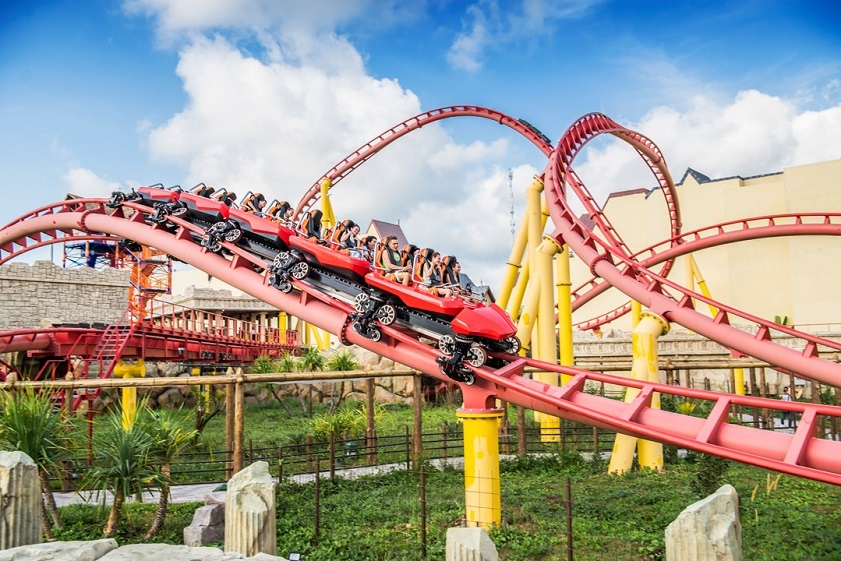
Have a one-of-a-kind experience at VinWonders Phu Quoc
>>> Book tickets of VinWonders Phu Quoc, Nha Trang, and Nam Hoi An to create unforgettable memories on your trip to Vietnam!
Vietnamese wedding dress has undergone a long journey of evolution. From the traditional ao dai to modern dresses, each piece tells a different story and is an example of Vietnam’s vibrant culture. Through these wedding dresses, Vietnam’s rich heritage and culture continue to be celebrated and passed down to future generations.
Grab the hottest deals at VinWonders
Best-selling products




![[Must-try] Unique dining experiences at VinWonders Phu Quoc / Vinpearl Safari Phu Quoc](https://static.vinwonders.com/production/DSC_5620-329x220.jpg)


