 en
en


 Tiếng Việt
  中文 (中国)
  한국어
한국어  Русский


 09/12/2024
 1.089 views
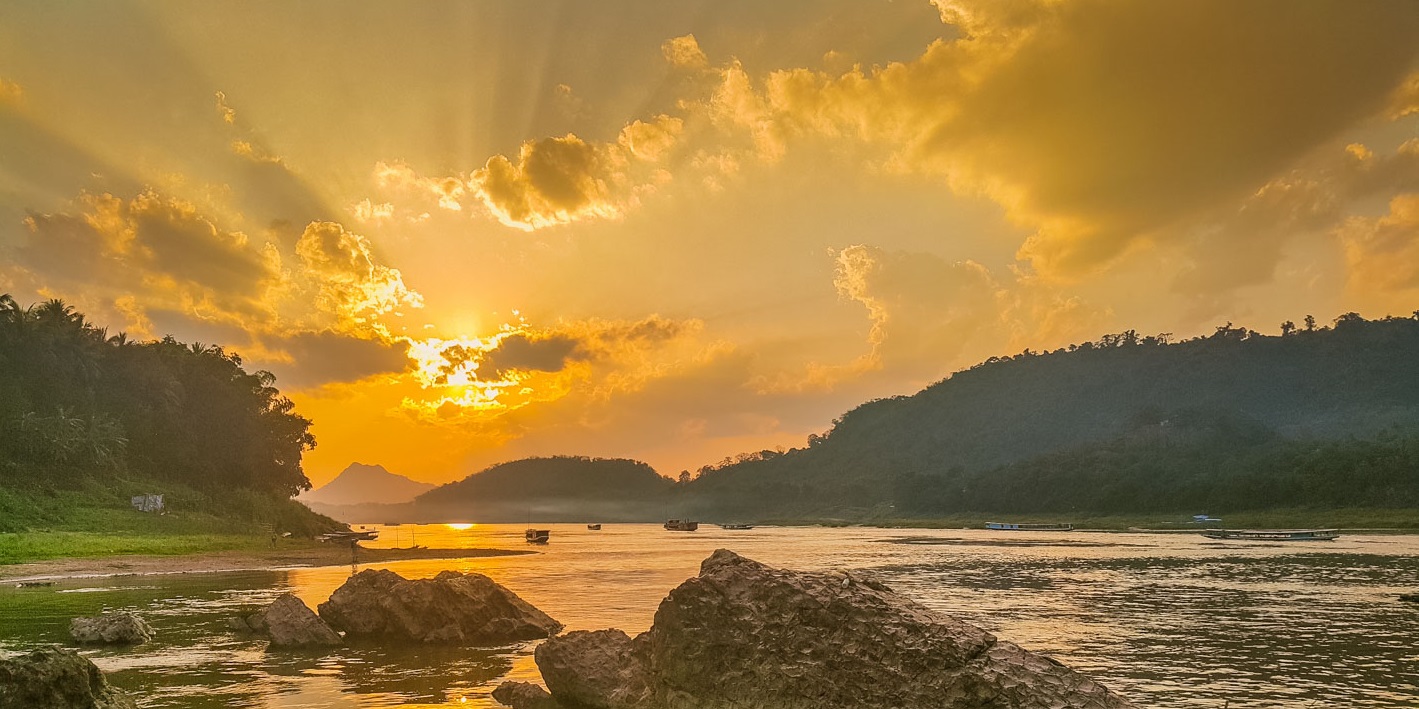
The Mekong River is one of the longest rivers in the world (Source: Collected)
1. The Mekong River in which country? – Essential information
For those unfamiliar with where is the Mekong River, and how long is the Mekong River, here’s what makes this river so remarkable:
Stretching about 4,900 kilometers, the Mekong River is the longest in Southeast Asia, the seventh longest in Asia, and the twelfth longest in the world. Which countries does the Mekong River flow through? Originating from the Tibetan Plateau in China, it winds through Myanmar, Laos, Thailand, Cambodia, and Vietnam via an expansive delta before flowing into the sea. Its basin spans 795,000 square kilometers, ranking among the largest globally. With an average annual discharge of 475 cubic kilometers, it is recognized as the world’s tenth-largest river basin.
The Mekong River Basin comprises seven distinct regions, each showcasing a unique topography, drainage patterns, and geomorphological features. It is generally categorized into two primary sections: the Upper Mekong River Basin and the Lower Mekong River Basin.
1.1. Countries in The Upper Mekong River Basin
The Upper Mekong River Basin consists of three distinct areas: the Tibetan Plateau, the Three Parallel Rivers Area, and the Lancang Basin in China and Myanmar.
The river begins in the Jifu Mountains on the Tibetan Plateau, southern Qinghai Province, fueled by melting Himalayan snow. The Mekong River in China flows 450 kilometers through Qinghai and the Tibetan Autonomous Zone.
In Yunnan Province, it traverses the UNESCO-listed Three Parallel Rivers Protected Area, where the Mekong, Salween, and Yangtze flow through deep ravines without tributaries.
Then, the river enters the Lancang Basin in lower Yunnan, transitioning from steep gradients to broader midland and lowland plains.
1.2. Countries in The Lower Mekong River Basin
The Lower Mekong River Basin encompasses four distinct regions: the Northern Highlands, the Khorat Plateau, the Tonle Sap Basin, and the Mekong Delta. Wondering, “the Lower Mekong River is in which country?” It spans northeastern Thailand, almost the entirety of Laos and Cambodia, and the southern tip of Vietnam.
The Northern Highlands form an upland region that includes northeastern Myanmar, northern Thailand, and northern Laos.
The Khorat Plateau, a flat and low-lying plain, lies primarily in northeastern Thailand, also known as Isaan, and covers about one-third of the country.
The Tonle Sap Basin begins in southern Laos, just north of Pakse, and extends into northern and central Cambodia.
The Mekong Delta, the most densely populated section of the river, begins in Phnom Penh, Cambodia, where the Bassac River branches off from the main Mekong and extends into Southern Vietnam.
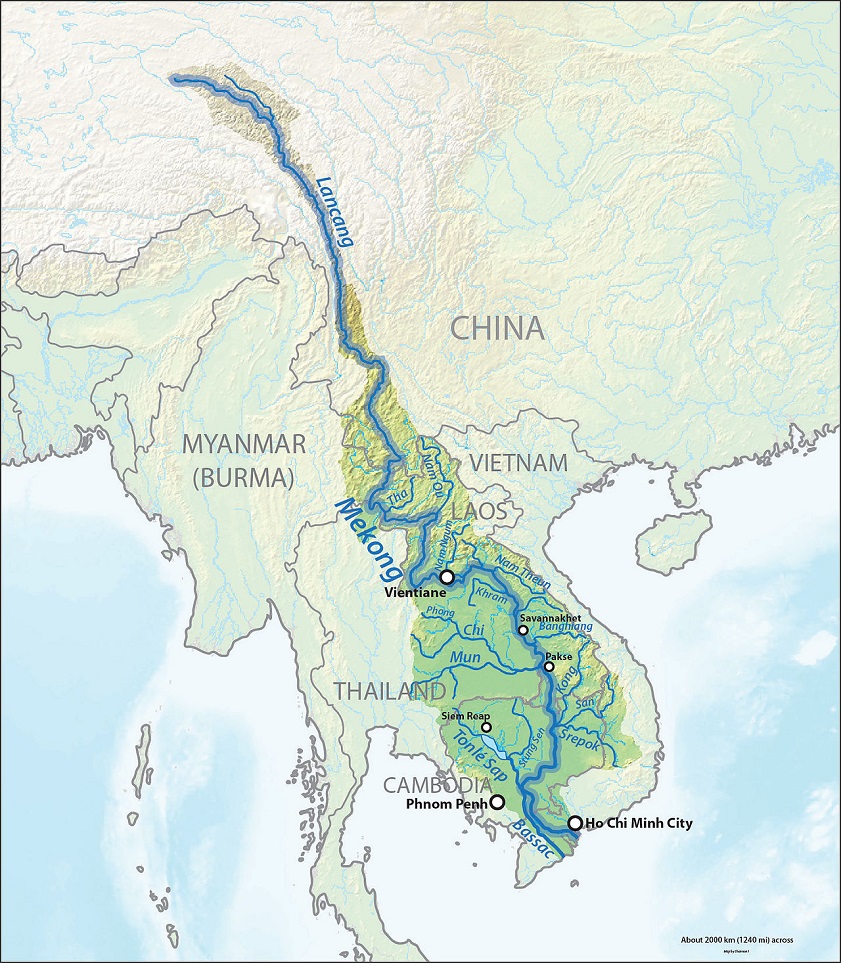
What country is the Mekong River in? It flows through six countries, including China and 5 Southeast Asian countries (Source: Collected)
Check out: Mekong River map: Geography and extra guide for travelers
2. The Mekong River’s roles in the countries it flows through
The Mekong River Basin, rich in biodiversity and second only to the Amazon, supports diverse wetlands that uphold the region’s unique economic, cultural, social, and ecological values. It shapes life across Southeast Asia, feeding farmland, supporting bustling fisheries, generating hydropower, and opening up key trade routes for the countries along its path.
2.1. Agriculture and irrigation
The Mekong River is essential for agriculture and irrigation in the countries it traverses, especially in the Lower Mekong River Basin, including the Mekong Delta. Agriculture forms the foundation of economic growth in the region, supporting livelihoods for 70% of the basin’s population and covering approximately 7.8 million hectares of farmland. Rice cultivation is the dominant activity, contributing 80% of the agricultural output in the Lower Mekong Basin. To sustain this vital sector, around 22 billion cubic meters of water are used annually for irrigation, accounting for 5% of the basin’s average yearly flow.
In addition to rice, the region thrives on the cultivation of key export crops such as corn (maize), sugar, soybeans, cassava, coffee, and natural rubber. These crops further underscore the significance of the Mekong River in supporting both local communities and international trade.
2.2. Fisheries
The Mekong River is home to an incredible variety of fish, ranking as the world’s third most diverse fish population with 1,148 species. The Lower Mekong River Basin is particularly notable for having the largest inland fisheries on the planet, producing around 2.3 million tonnes of fish worth approximately 11 billion US dollars each year.
These fisheries are essential for the food security and livelihoods of millions of people, playing a crucial role in the region’s social and economic development. However, the Mekong’s fisheries are increasingly threatened by factors such as climate change and various development projects, including hydropower dams and agricultural expansion, which can impact their sustainability.
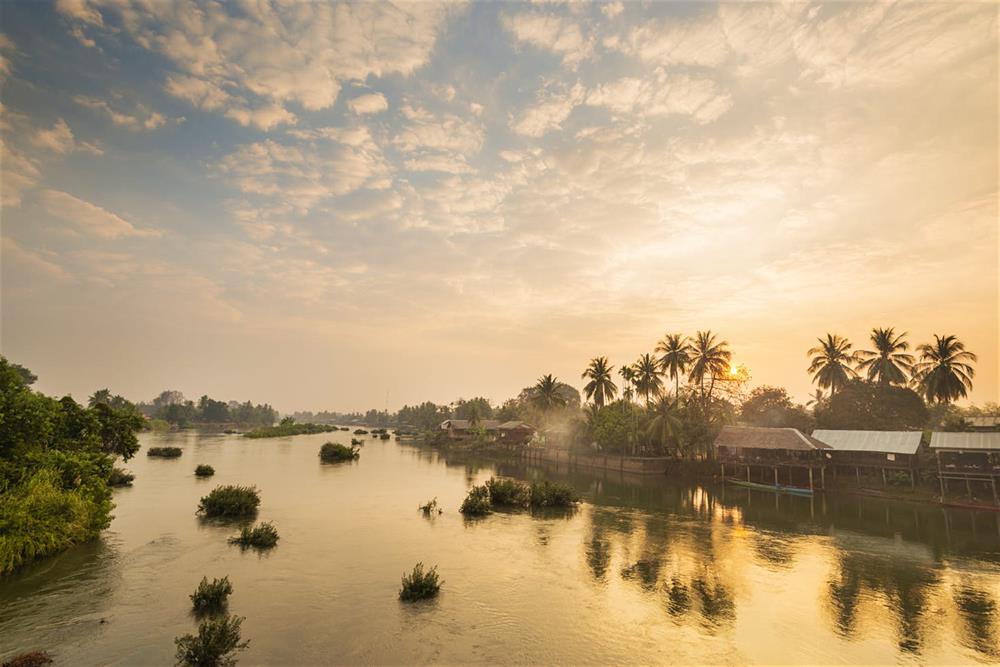
The Mekong River is crucial for agriculture and fisheries (Source: Collected)
2.3. Hydropower
The Mekong River is essential for hydropower development, with China leading in the Upper Mekong, or Lancang, where it has 12 operational dams, including Tuoba. In the Lower Mekong Basin, Lao PDR dominates with 98 hydropower projects, making up 64% of the region’s capacity.
Currently, 88 projects are operational in the Lower Mekong Basin, with more than 20 under construction and plans for an additional 14. If completed, the total hydropower capacity could exceed 27,000 MW. While these projects provide significant economic benefits and energy security, they also raise environmental and social concerns, highlighting the need for careful management.
The Mekong River is a crucial navigation route that has connected communities for thousands of years, facilitating access to resources and services. It supports both local and international trade, linking the six Mekong countries and transporting various goods, including petroleum, general cargo, cement, steel, coal, fertilizers, and agricultural products. Additionally, the river promotes tourism, with many passenger boats catering to travelers. However, navigation potential remains underutilized due to physical obstacles and varying conditions along its length.
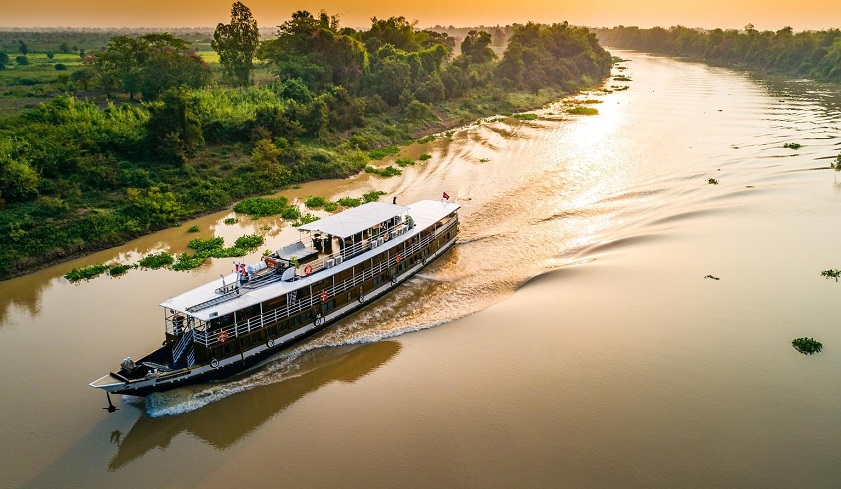
Many people still wonder, “The Mekong River is in which country?” (Source: Collected)
Read more: Mekong Delta tour: Detailed itineraries by day and more
Best-selling products
![[02 Day Combo] - Admission to VinWonders + Vinpearl Safari Phu Quoc | Gifts: Meal Voucher + Teddy Bear Museum](http://booking-static.vinpearl.com/tours/877d8a3289a246d18f95aa5cc414f6d6_27be58d21e244664bf34d11d72e77860_Castle_vinwonders-phu-quoc-ve-vao-cua_vinwonders-phu-quoc-ve-vao-cua.jpg)
![[Hoi An Passport] VinWonders Ticket & Buggy Ride & Hoi An Coconut Forest](http://booking-static.vinpearl.com/tours/6c002e3ea71642f38eda8efa8654e5e4_vwnha0_vinwonders-nam-hoi-an-ve-vao-cua.jpg)
![[Nha Trang Passport] - [Half-Day] - Cable Car + Aquafield Sauna (2 hours) + Tata Show](http://booking-static.vinpearl.com/tours/91c34711df754e76b66d3ff6d3436e26_34d71a9c3e6b4b7484f9d7cbbc935c26_200dd4dda03e45e0a1add52e4acc11fa_NHT_1796_ve-xem-tata-show-vinwonders-nha-trang_ve-xem-tata-show-vinwonders-nha-trang.jpg)
![[VinWonders Cua Hoi] - Indoor Games Area](http://booking-static.vinpearl.com/tours/0b0d68a6480146e3a0aba9a3cfc038c1_1920-x-1080-double%20day%20sale%2077%20no%20text_vinwonders-nam-hoi-an-ve-vao-cua.jpg)
![[VinWonders Nha Trang] - Standard Admission Ticket to VinWonders | Free F&B Voucher](http://booking-static.vinpearl.com/tours/d1425f018b3e4d2d833374b5b52d8bb9_Hinh-anh-VinWonders-Nha-Trang-The-World-Garden-Lau-vong-canh-3x2-so-1_vinwonders-nha-trang-ve-vao-cua-sau-16h.jpg)
![[VinWonders Cua Hoi] Round-Trip Cable Car + Water Park + Buffet Voucher worth VND 125,000](http://booking-static.vinpearl.com/tours/aa8379d6db3a4f5c9df6d78d53177c35_11-E-Ticket-Vinwonder-Cua-Hoi_23072024111407_vinwonders-nam-hoi-an-ve-vao-cua.jpg)
![[Vinpearl Harbour] - Happy Hour Combo: Round-trip Cable Car + Dinner Buffet + Tata Show](http://booking-static.vinpearl.com/tours/a869acdae59e4137855742de1cbbb1af__KAH2165_vinpearl-harbour-combo-happy-hour.jpg)
![[Grand World Phu Quoc] [Ultimate Combo] - Water Taxi + Teddy Bear Museum + Grand Show](http://booking-static.vinpearl.com/tours/e31a9e66b5444808bba3e3114d195559_VENICE%20ALL%20IN%20ONE%20KV%20(1)_ve-bao-tang-gau-teddy-bear.jpg)
![[VinWonders Nha Trang] - 01-day Unlimited Admission Ticket | Free F&B Voucher](http://booking-static.vinpearl.com/tours/ccf23087ea0f419980c411d0e79c10fb_88c594a8352d49e7b031b9fbd5c5d27f_tro-choi-mao-hiem-o-vinpearl-nha-trang-thumb-1_vinwonders-nha-trang-khong-gioi-han-2-ngay_vinwonders-nam-hoi-an-ve-vao-cua.jpg)
![[VinWonders Nha Trang] - Admission to VinWonders after 4:00 PM](http://booking-static.vinpearl.com/tours/de2da6d471b34297ab13cb26ef2da9a0_Hinh-anh-VinWonders-Nha-Trang-The-World-Garden-Lau-vong-canh-3x2-so-1_vinwonders-nha-trang-ve-vao-cua-sau-16h.jpg)
![[Vinpearl Aquarium Times City] Entrance Ticket](http://booking-static.vinpearl.com/tours/8702a10bf2934d6299df65669a290679_aquarium%20times%20city%203_thuy-cung-vinpearl-aquarium-times-city.jpg)
![[VinWonders Cua Hoi] Combo Entrance Ticket | Includes Cable Car + Games Area (excluding Gokart and Indoor Games)](http://booking-static.vinpearl.com/tours/d5af0cb7759d48a7a2b991c8de1e19a0_Hinh-anh-VinWonders-Nam-Hoi-An-Noi-bat-3x2-so-3%20(1)_vinwonders-nam-hoi-an-ve-vao-cua.jpg)
![[Zoo Tram Combo] - Admission to Vinpearl Safari Phu Quoc + Zoo Tram](http://booking-static.vinpearl.com/tours/ceb77f9174d845ebb2fd3dfe2b846066_3%20copy_vinwonders-nam-hoi-an-ve-vao-cua.jpg)
![[VinWonders Vu Yen] - Admission Ticket to Games zone (after 5:00 PM)](http://booking-static.vinpearl.com/tours/edbd3eb4bc9848aead9940e0f5aa050d_fa21c62dfa9644ada0c3fce89b3e79ff_DO__8711_vinwonders-vu-yen-vuon-thu-khu-tro-choi-sau-17h.jpg)
![[Aquafield] - [Female] - 4-hour Korean Sauna](http://booking-static.vinpearl.com/tours/0e6fe24c37b84cb799b94dae70578054_aqf-suong-may-2048x1365_aquafield-nha-trang-xong-hoi-chuan-han.jpg)
![[VinWonders Nam Hoi An] - Standard Admission Ticket](http://booking-static.vinpearl.com/tours/81813f8ced2c466e82ad53f1c29c1904_tour-kham-pha-van-hoa-viet-vinwonders-nam-hoi-an-668ca102bcc29_vinwonders-nam-hoi-an-ve-vao-cua.jpg)
![[VinWonders Phu Quoc] - Standard Entrance Ticket](http://booking-static.vinpearl.com/tours/0dd25afc61ad45d48486bbd3b9c8a96a_tieu%20chuan%201_vinwonders-phu-quoc-ve-vao-cua.jpg)
![[VinGroup Employees] Standard Admission Ticket to Ocean Park 3 Water Park](http://booking-static.vinpearl.com/tours/f949b31af919495c9b4e111237642763_358600999_111579731994757_433244877993048710_n_vinwonders-ha-noi.jpg)
![[50% Student Discount] – VinWonders Admission Ticket](http://booking-static.vinpearl.com/tours/43126c168bb04853bf7c93e197db724a_Banner%201200x628_vinwonders-nha-trang-ve-vao-cua-2-chieu.jpg)
![[Grand World] Skydrop ticket](http://booking-static.vinpearl.com/tours/ed7c962747be42458f35c7b18340b901_A2-4-jpeg-2640-1687438608_grandworld.jpg)
![[Grand World Phu Quoc] - The Quintessence of Vietnam Show](http://booking-static.vinpearl.com/tours/f88e2be1139b4eada4043eb7f0e39362_THVN1_show-tinh-hoa-viet-nam.jpg)
![[Grand Park] Celestial Swing](http://booking-static.vinpearl.com/tours/eeb9a602315342ccbc7965b29cfb0db0_Ảnh%20màn%20hình%202025-03-03%20lúc%2015.00.17_vinwonders-nam-hoi-an-ve-vao-cua.png)
![[Nha Trang Passport] - [Half-Day] - Cable Car + Aquafield Sauna (2 hours) + Tata Show](http://booking-static.vinpearl.com/tours/ef49c187eadf4177b425d2bb85a18b30_200dd4dda03e45e0a1add52e4acc11fa_NHT_1796_ve-xem-tata-show-vinwonders-nha-trang.jpg)
![[Grand World Phu Quoc] - Water Taxi Boat + Teddy Bear Museum](http://booking-static.vinpearl.com/tours/add2e0908faa4289b555856472b181be_VENICE%20ALL%20IN%20ONE%20KV%20(1)_ve-bao-tang-gau-teddy-bear.jpg)
![[VinWonders Vu Yen] - Admission Ticket to Zoo + Games + Buffet](http://booking-static.vinpearl.com/tours/b2cd8cf6b14c48459b21393e14d73163_vwvy%201_vinwonders-nha-trang-ve-vao-cua-2-chieu.jpg)
![[Hon Tam] - [Zone A&B] - Full island entertainment + Mud Bath Zone A + Lunch](http://booking-static.vinpearl.com/tours/af991883d63f4133b62b76551ba2444d_tam-bun-dao-hon-tam_httpswwwhontammudbathvnwp-contentuploadssites2720190625-3-2200x700jpg.jpg)
![[VinWonders Vu Yen] - [04 Adults] - Admission to Zoo + Games + Free Tote Bag](http://booking-static.vinpearl.com/tours/34488b227a3648e5b73d4aa6d6d36b46_DO__8153_vinwonders-nha-trang-ve-vao-cua-2-chieu.jpg)
![[Grand World] Carousel Ride](http://booking-static.vinpearl.com/tours/0d6a4bcfc2a54fd4aa9df0b38ae8c7b6_A2-4-jpeg-2640-1687438608_grandworld.jpg)
![[-30%] The Quintessence of Vietnam Show](http://booking-static.vinpearl.com/tours/6cee2bcb52a447009f64771095d03c9e_Screenshot%202024-10-22%20at%2014.49.18_ve-bao-tang-gau-teddy-bear.png)
![[-10%] - VIP River Safari Ticket*](http://booking-static.vinpearl.com/tours/5d3ee19e977446be8917a34697bb9443_ece6e58a02fd48de9eba9d3f4689f77a_Hinh-anh-VinWonders-Nam-Hoi-An-River-Safari-3x2-so-1%20(1)_vinwonders-nam-hoi-an-ve-vao-cua_vinwonders-nam-hoi-an-ve-vao-cua.jpg)
![[Vinpearl Aquarium Times City] Entrance Ticket](http://booking-static.vinpearl.com/tours/e7fcffc8256546e8bdcfd5ccfbe69783_VINKE2%20(1)_vinke-ve-vao-cua-truc-tiep.jpg)
![[Aquafield] - [Male] - 4-hour Korean Sauna](http://booking-static.vinpearl.com/tours/94abeb55e3d54efbac23f7a862445389_0d72b531dd6749bbac2874b915ab0512_Screenshot_8_aquafield-nha-trang_aquafield-nha-trang.png)
![[Buggy Combo] - VinWonders Phu Quoc + Buggy + Free Ice Cream](http://booking-static.vinpearl.com/tours/0fc52a574094489da612d0f36bb4b1e6_buggy%20kem_vinwonders-phu-quoc-ve-vao-cua-tet-vi-vu.jpg)
![[Aquafield] - [Male] - 4-hour Korean Sauna](http://booking-static.vinpearl.com/tours/4ae60d29ea264f8fab17beb6b4415502_aqf-da-muoi_aquafield-nha-trang-xong-hoi-chuan-han.jpg)
![[Aquafield] - 2-hour Aquafield Sauna + 30-min Spa](http://booking-static.vinpearl.com/tours/b0bf65880af449f39ea19fa0acbb94d5_34d71a9c3e6b4b7484f9d7cbbc935c26_200dd4dda03e45e0a1add52e4acc11fa_NHT_1796_ve-xem-tata-show-vinwonders-nha-trang_ve-xem-tata-show-vinwonders-nha-trang.jpg)
![[Aquafield Ocean City] [Male] – Standard Jjimjilbang Sauna Ticket](http://booking-static.vinpearl.com/tours/0be276c684454e8d969c373f35f6be97_DSC_2127_11zon_aquafield-nha-trang.jpg)
![[Hon Tam] - [Zone A] - Mud Bath + Lunch Combo](http://booking-static.vinpearl.com/tours/5debd1efb6d34e42a88efa65354c8c72_ebdde60fd9a44539afe75c9338ec8a3d_ảnh%205_tam-bun-hon-tam.jpg)
![[Vinpearl Harbour] - Round-trip Cable Car Ticket](http://booking-static.vinpearl.com/tours/3cbd16b8edc74f6abc7f7cfa0e91caec_VPHB_Photos15_vinwonders-nha-trang-ve-vao-cua-2-chieu.jpg)
![[Aquafield] - [Male] - Round-trip Cable Car + 4-hour Korean Sauna](http://booking-static.vinpearl.com/tours/625529980f3249e6b0491cddfc30db43_297be2477c5847748ef3bc08603ebf90_aqf%204_aquafield-nha-trang.jpg)
![[Hon Tam] - [Zone A] - Standard Mud Bath](http://booking-static.vinpearl.com/tours/9db66a615a7d4f119316b338afff30cb_tam-bun-dao-hon-tam_httpswwwhontammudbathvnwp-contentuploadssites2720190625-3-2200x700jpg.jpg)
![[Aquafield] - [Female] - Round-trip Cable Car + 4-hour Korean Sauna](http://booking-static.vinpearl.com/tours/c3bae84e472b42078ca3ff6f28d55d80_1c5968412aca409fa8571c88cc85a4ba_aqf%205_aquafield-nha-trang.jpg)
![[Grand Park] Water Park + Dream Garden Outdoor Games Combo](http://booking-static.vinpearl.com/tours/35566b714d4c4dd9802a6bf4650ac2b1_khu-vui-choi-cua-hoi-9_vinwonders-nam-hoi-an-ve-vao-cua.jpg)
![[Nha Trang Passport] – [01 day] – Snorkeling Tour + Lunch & Mud Bath at Hon Tam + Vinpearl Harbour + Tata Show](http://booking-static.vinpearl.com/tours/f6b1826759674c9c9d3f074e03fa04ba_snorkeling%201_vinwonders-nha-trang-ve-vao-cua-2-chieu.jpg)
![[Onsite service] - Premium VIP Zoo Tour Vinpearl Safari Phu Quoc](http://booking-static.vinpearl.com/tours/ff1e4b66ec1b46edad0c0460144e70ad_VINPEARL%20SAFARI%20PHU%20QUOC%20%20(51)_vinwonders-nam-hoi-an-ve-vao-cua.jpg)
![[Aquafield Ocean City] - Body Exfoliation Session](http://booking-static.vinpearl.com/tours/0e8ee4024e1f4378ba932eb06d945636_Screenshot_14_aquafield-nha-trang.png)
![[Grand World Phu Quoc] - Teddy Bear Museum](http://booking-static.vinpearl.com/tours/30da03237e2f42fe818e6686fb350481_teddy%20bear%201_ve-bao-tang-gau-teddy-bear.jpg)
![[Vinpearl Harbour] - Combo for 02 pax: Round-trip cable car + Two-seater Go Kart ride](http://booking-static.vinpearl.com/tours/ab277ed82445448aad2f6b1a0c249e40_Gokart-1_vinpearl-harbour-go-kart-xe-doi.jpeg)
![[VinWonders Cua Hoi] - Combo: Indoor Games + Outdoor Games](http://booking-static.vinpearl.com/tours/59e1a8613d6741d9b9c86645ecf6726e_vinwonders-cua-hoi-10_vinwonders-cua-hoi.jpeg)
![[Aquafield Ocean City] [Female] – Standard Jjimjilbang Sauna Ticket](http://booking-static.vinpearl.com/tours/4aec5fed6be54fe8a736aca12893384b_40fc72547fe242f8b6bbbbc428885848_065A8735_aquafield-nha-trang_aquafield-nha-trang.jpg)
![[-10%] - Tata Show Ticket](http://booking-static.vinpearl.com/tours/18dc9f798082474ba26cf00121da6180_Hinh-anh-VinWonders-Nha-Trang-The-World-Garden-Lau-vong-canh-3x2-so-1_ve-xem-tata-show-vinwonders-nha-trang.jpg)
![[Hon Tam] - 15-Minute Snorkeling](http://booking-static.vinpearl.com/tours/56618ea554304747b54636a31d59f9f4_Untitled-design-1_httpswwwhontammudbathvnwp-contentuploadssites2720190625-3-2200x700jpg.jpg)
![[Times City] Combo VinKE & Vinpearl Aquarium Entrance Ticket](http://booking-static.vinpearl.com/tours/d6296ca1d3714503b01f24603b85b8cf_vinke1_vinke-ve-vao-cua-truc-tiep.jpg)
3. How to explore the countries along The Mekong River?
The Mekong River has long enchanted travelers with its serene beauty and the vibrant cultures of the communities it sustains. A journey along this river promises breathtaking natural beauty, from majestic mountains and verdant forests to peaceful riverside villages. It is also an opportunity to dive into the rich cultural diversity of the region, experiencing local traditions, daily life, and unique culinary delights that reflect the essence of each destination.
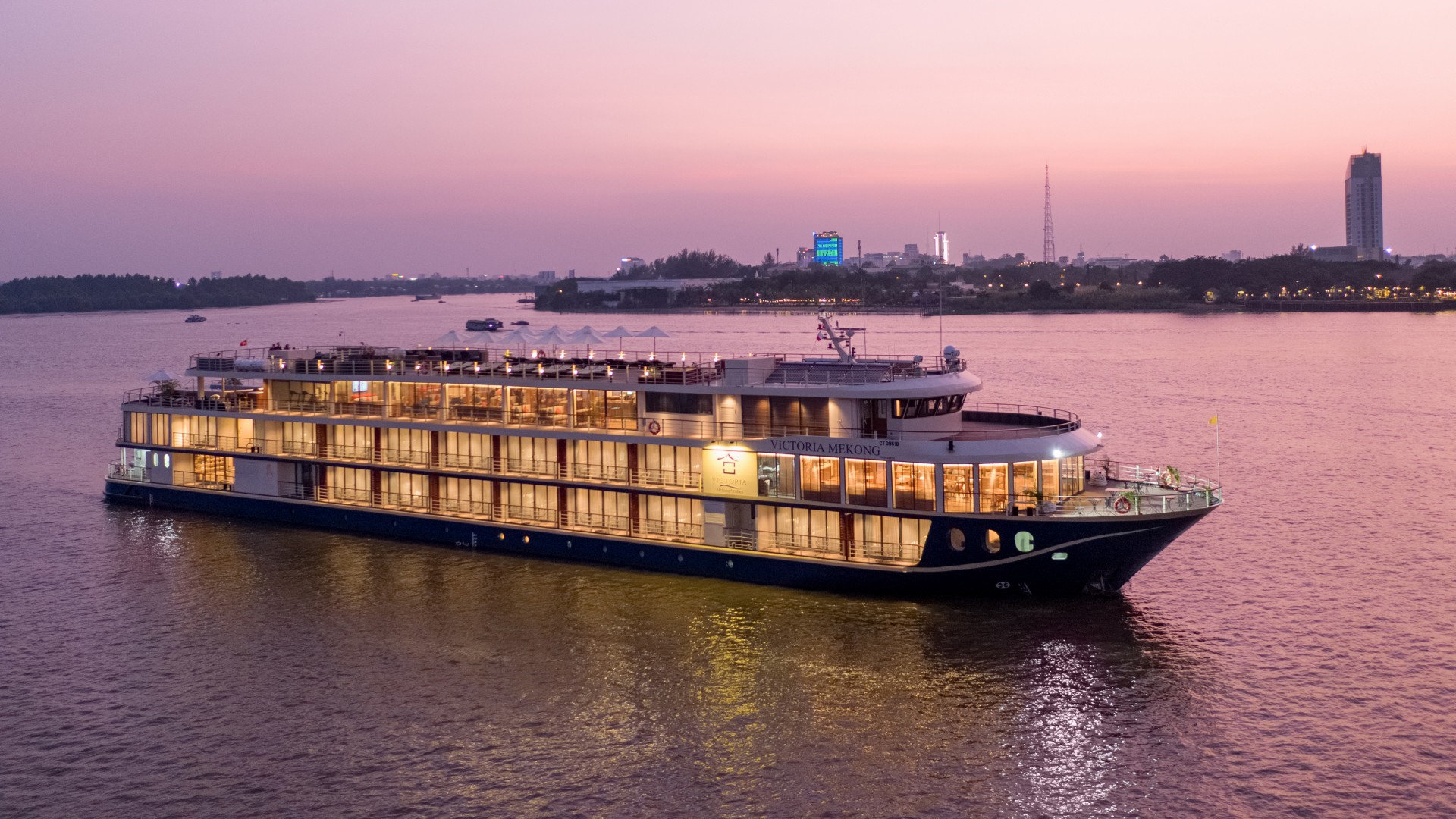
To truly explore the charm of this iconic waterway, several exceptional tours are worth trying. In Luang Prabang, Laos, a cycling trip to a local village offers a unique insight into daily life along the river. In Cambodia, a day tour through Kampong Cham reveals the authentic traditions and lifestyles of its people. For an even more remarkable experience, the Mekong Delta in Vietnam, one of Southeast Asia’s most enchanting destinations, promises unforgettable memories. To complete your journey, you can consider a Mekong River cruise through multiple countries, where you can soak in picturesque landscapes and diverse cultures.
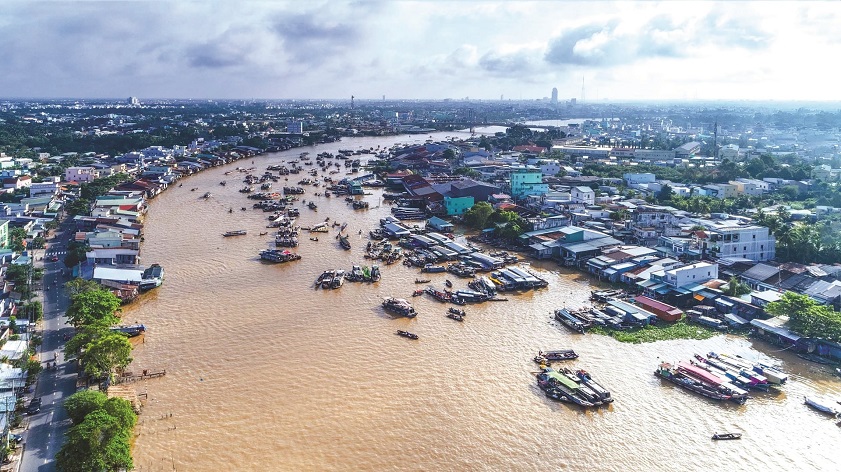
The river buzzes with life, from vibrant floating markets to lush orchards (Source: Collected)
Mekong River Cruises, especially the Mekong Delta cruise, offer the perfect way to explore the wonders of the Mekong River. Unlike traditional travel, these cruises provide a seamless journey where guests sleep on board and enjoy complete itineraries that can span a single country or multiple destinations. Along the way, travelers can marvel at breathtaking attractions, from lush wetlands and vibrant green landscapes to historic landmarks. The cruise itself is a rich experience, featuring luxurious, well-appointed cabins, exquisite onboard cuisine, and engaging cultural programs. Starting at approximately $178 per person, these journeys combine relaxation, exploration, and cultural immersion, making them an exceptional choice for an unforgettable adventure.
Key notable attractions:
- Laos: Vientiane, Pak Lai, Chiang Saen, Pak Beng.
- Cambodia: Siem Reap, the serene Tonle River, bustling Phnom Penh, and Kampong Cham.
- Vietnam: Can Tho, My Tho, Sa Dec, Chau Doc, and Cai Be, Ho Chi Minh City.
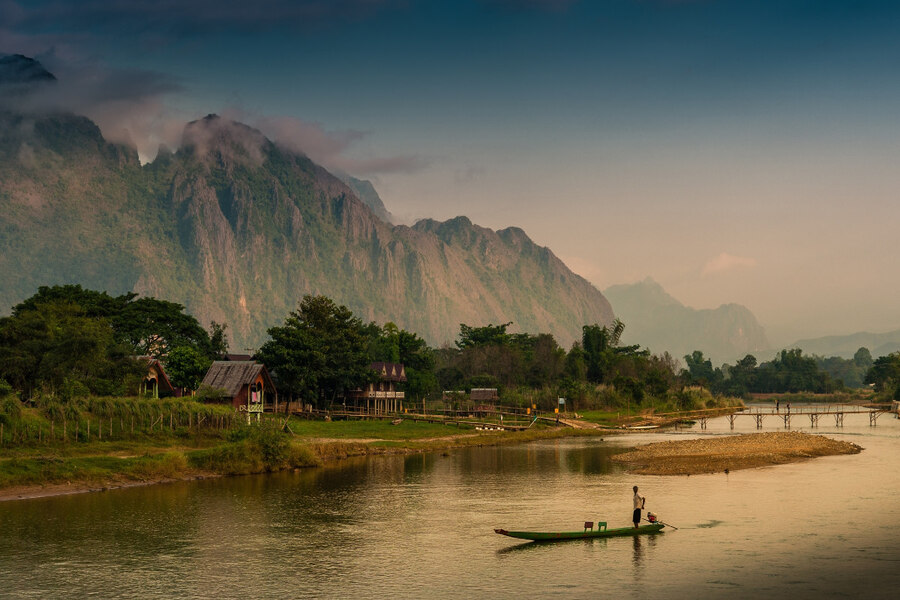
The Mekong River in Laos flows through stunning landscapes (Source: Collected)
Explore: Vietnam travel: TOP places to explore nature, culture, and cuisine
The question “Mekong River in which country?” highlights the river’s journey through six nations—China, Myanmar, Laos, Thailand, Cambodia, and Vietnam—each offering unique cultural and natural experiences. The Mekong River’s significance transcends borders, enriching the lives of millions across Southeast Asia.
On the Mekong Delta map, Phu Quoc in Kien Giang Province is either the starting or ending point along the Phu Quoc – Mekong Delta – Saigon route. Whether your journey begins or concludes on this idyllic island in Kien Giang Province, be sure to take the time to explore its captivating beauty and vibrant attractions. Renowned for its breathtaking beaches, lush tropical jungles, and vibrant coral reefs, Phu Quoc is the perfect escape for travelers seeking both relaxation and adventure.
When visiting Phu Quoc, you can’t miss VinWonders Phu Quoc, a world-class amusement park filled with countless exciting games and activities for all ages. Here, you will experience spectacular artistic performances and explore unique themed areas.
Next, Vinpearl Safari Phu Quoc offers you the chance to get close to nature and wild animals. At Vietnam’s first semi-wild animal care and conservation park, you will be amazed by the rare animal species and the lush green environment.
Grand World Phu Quoc is a must-visit destination with its exciting shopping, dining, and cultural experiences. You can explore vibrant streets and participate in various entertainment activities, from artistic performances to unique cultural festivals.
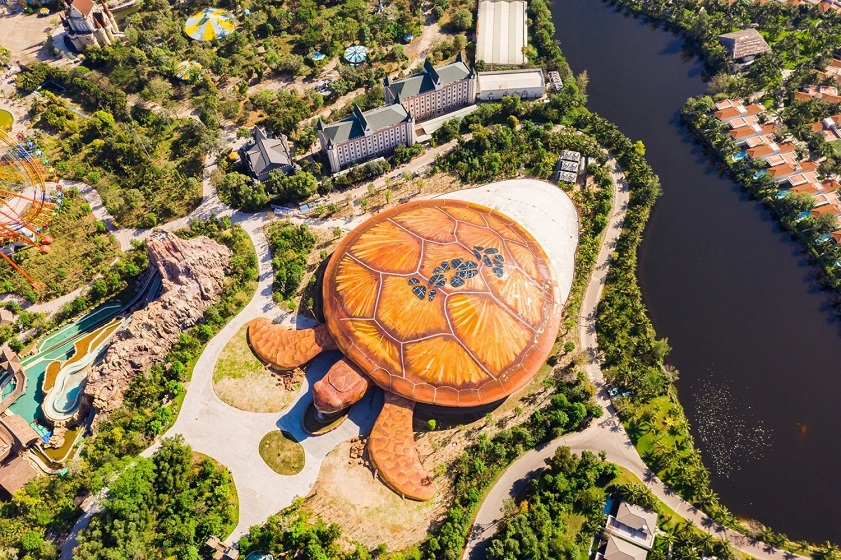
The unique turtle-shaped aquarium at VinWonders Phu Quoc
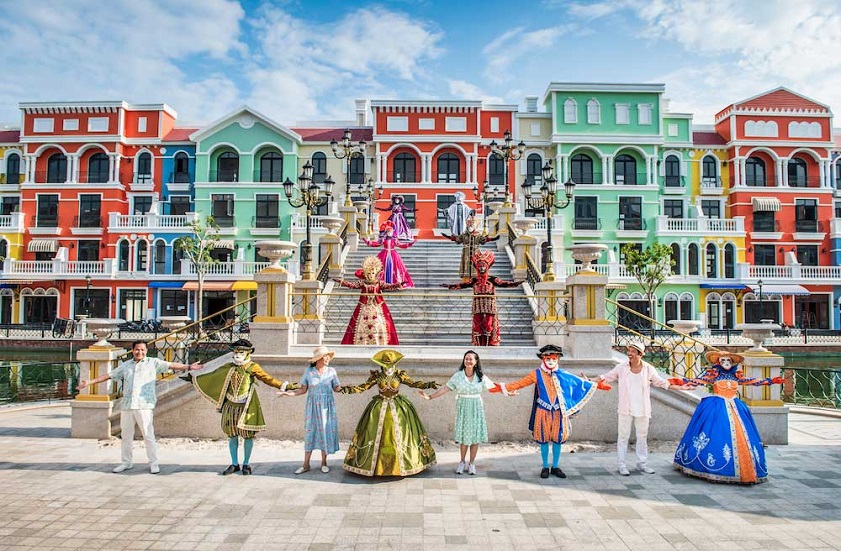
Discover diverse festivals at Grand World Phu Quoc
To enjoy a comfortable vacation, Vinpearl Phu Quoc provides exquisite accommodations featuring stunning ocean views. Guests can enjoy exceptional amenities, such as gourmet dining, rejuvenating spa services, and direct beach access, all of which ensure an unforgettable retreat.
Book VinWonders Phu Quoc ticket now
Book rooms in Vinpearl Phu Quoc in advance
Best-selling products




![[Must-try] Unique dining experiences at VinWonders Phu Quoc / Vinpearl Safari Phu Quoc](https://static.vinwonders.com/production/DSC_5620-329x220.jpg)


