 en
en


 Tiếng Việt
  中文 (中国)
  한국어
한국어  Русский


 18/05/2025
 1.613 views
1. How is traffic in Vietnam?
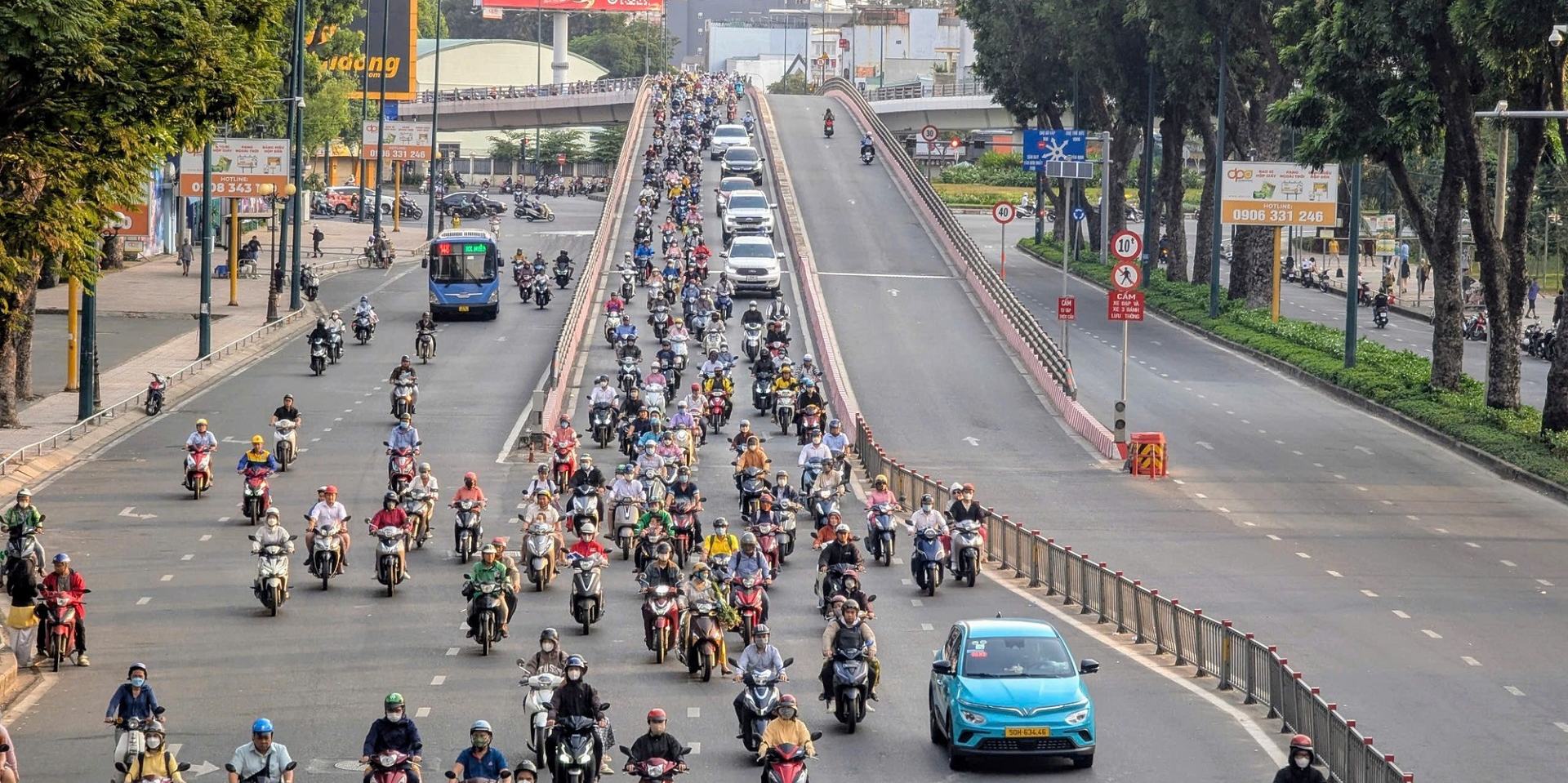
Navigating Vietnam’s roads can be a challenging yet memorable experience for foreigners due to its unique traffic conditions. In recent years, Vietnam has made progress in improving its road infrastructure and developing modern systems. However, some challenges remain. Road quality varies by location—while national highways and provincial roads are generally well-maintained, many smaller roads may be narrower or have uneven surfaces. The presence of numerous intersections, roundabouts, and countdown traffic signals adds to the distinct characteristics of traffic in Vietnam.

The scene of traffic in Ho Chi Minh City, Vietnam, at its rush hour (Source: Collected)
Given Vietnam’s diverse road conditions, various transportation modes are available to accommodate different travel needs. Common means of transportation include motorbikes, bicycles, buses, taxis, cars, trains, and the metro. Additionally, travelers may encounter trucks, passenger coaches, and cranes on the roads. Among these, motorbikes are the most popular due to their compact size, ease of navigation, and ability to maneuver through small alleys and mountainous terrains.
More on: How to travel in Vietnam: A complete guide to exploration across regions
2. Major means of transportation in Vietnam
2.1. Motorbikes
Vietnam motorbikes are the most common mode of transport, providing a convenient way to explore cities and navigate narrow alleys. They are also popular among travelers seeking adventure and scenic long-distance rides. Daily motorbike rentals are generally affordable, costing approximately 100,000 VND per day.
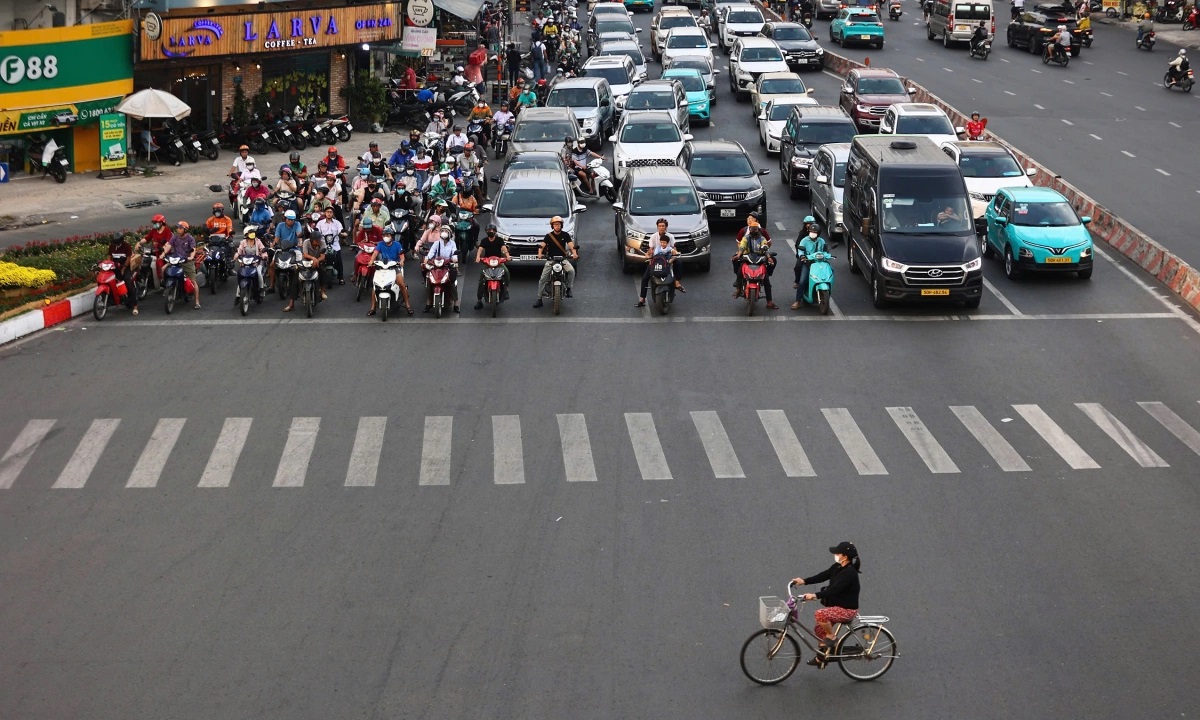
Motorbike is the most popular transportation mode in Vietnam (Source: Collected)
2.2. Cars and taxis
Cars and taxis are preferred for group travel or those seeking comfort, including tourists unfamiliar with traffic in Vietnam. However, costs are higher than other transport options. Car rentals are available for airport transfers and city tours, while reputable taxi companies and ride-hailing apps operate widely in most cities.
2.3. Buses
Public buses are an affordable option to navigate traffic in Vietnam. Local buses operate in all major cities, connecting key tourist attractions. Additionally, overnight and sleeper buses provide budget-friendly travel between major destinations such as Hanoi, Hue, Da Nang, Hoi An, Nha Trang, Da Lat, Mui Ne, and Ho Chi Minh City.
2.4. Metros
Metro systems are the most modern and efficient means of transport, unaffected by the conditions of traffic in Vietnam. Currently, Vietnam has three operational metro lines: Cat Linh – Ha Dong and Nhon – Ha Noi Railway Station in Hanoi and Ho Chi Minh City metro from Ben Thanh to Suoi Tien. Ticket prices range from 7,000 to 20,000 VND per ride.
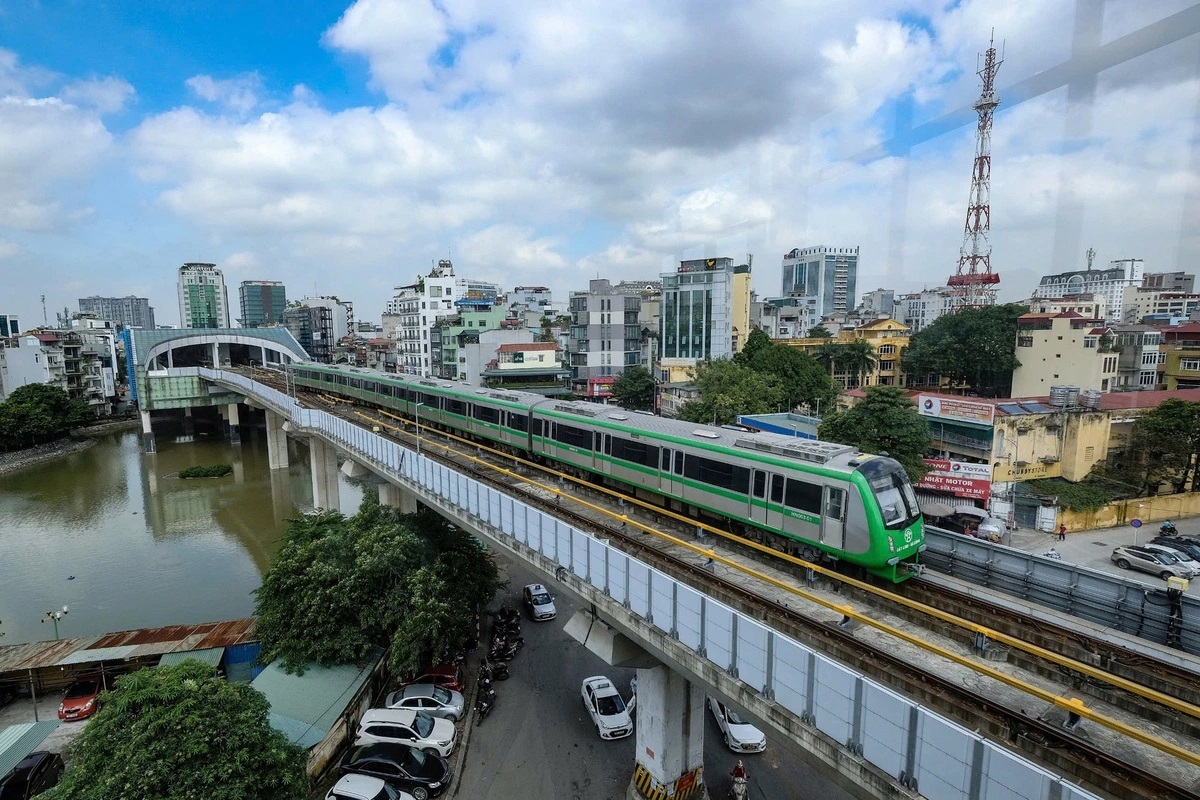
Visitors can use the metro to explore local life and avoid traffic congestion (Source: Collected)
2.5. Trains
Vietnam’s train network is a slow but reliable mode of transportation. A train journey from Hanoi to Ho Chi Minh City takes approximately 36 hours, stopping at major cities along the way. This option allows travelers to experience local life and enjoy scenic views. Train fares are generally lower than airfare, making it an economical choice.
2.6. Bicycles
Bicycles remain a popular transport mode due to their affordability and suitability for sightseeing. They are ideal for exploring historical cities such as Hanoi, Hoi An, and Hue. In rural areas like Mai Chau, cycling offers an immersive experience of the countryside’s tranquility. Daily rental costs around 30,000 VND.
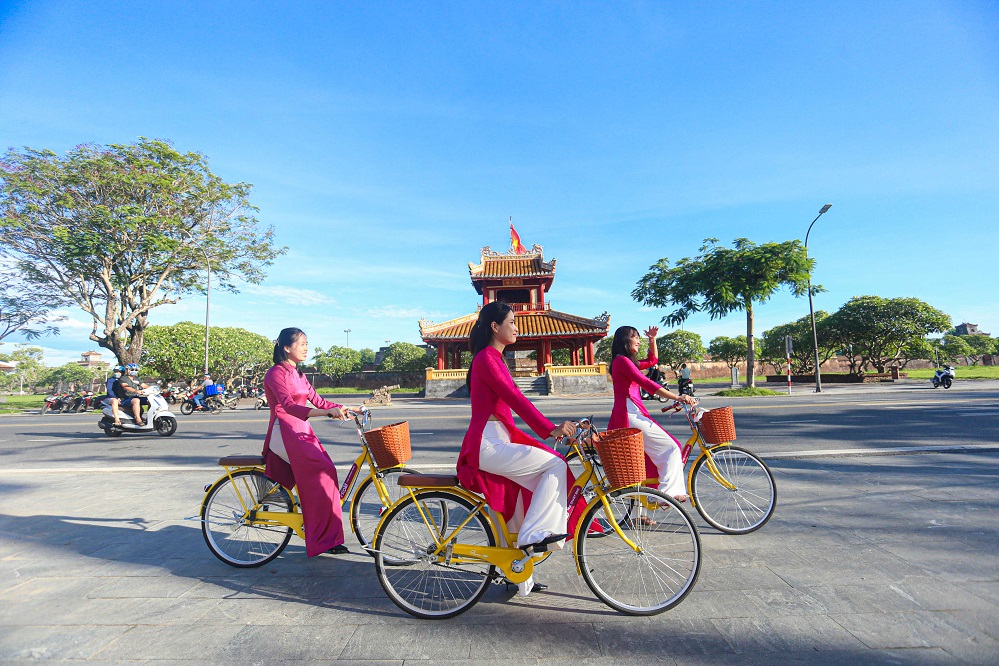
Cycling allows you to enjoy the slow-paced beauty of Vietnam’s ancient cities or rural areas (Source: Collected)
Best-selling products
![[Grand World Phu Quoc] - Venice Water Taxi Ticket](http://booking-static.vinpearl.com/tours/6cee2bcb52a447009f64771095d03c9e_Screenshot%202024-10-22%20at%2014.49.18_ve-bao-tang-gau-teddy-bear.png)
![[-10%] - VIP River Safari Ticket*](http://booking-static.vinpearl.com/tours/5d3ee19e977446be8917a34697bb9443_ece6e58a02fd48de9eba9d3f4689f77a_Hinh-anh-VinWonders-Nam-Hoi-An-River-Safari-3x2-so-1%20(1)_vinwonders-nam-hoi-an-ve-vao-cua_vinwonders-nam-hoi-an-ve-vao-cua.jpg)
![[-10%] - Zoo Tram Service - Vinpearl Safari Phu Quoc](http://booking-static.vinpearl.com/tours/ceb77f9174d845ebb2fd3dfe2b846066_3%20copy_vinwonders-nam-hoi-an-ve-vao-cua.jpg)
![[Aquafield Ocean City] - Body Exfoliation Session](http://booking-static.vinpearl.com/tours/0e8ee4024e1f4378ba932eb06d945636_Screenshot_14_aquafield-nha-trang.png)
![[Aquafield] - [Female] - Round-trip Cable Car + 4-hour Korean Sauna](http://booking-static.vinpearl.com/tours/c3bae84e472b42078ca3ff6f28d55d80_1c5968412aca409fa8571c88cc85a4ba_aqf%205_aquafield-nha-trang.jpg)
![[-50%] [VinWonders Wave Park & Water Park] Admission Ticket for 2 Parks](http://booking-static.vinpearl.com/tours/f949b31af919495c9b4e111237642763_358600999_111579731994757_433244877993048710_n_vinwonders-ha-noi.jpg)
![[-15%] Combo Admission Tickets for 2 Zones: Aquarium & VinKE + F&B Set](http://booking-static.vinpearl.com/tours/e7fcffc8256546e8bdcfd5ccfbe69783_VINKE2%20(1)_vinke-ve-vao-cua-truc-tiep.jpg)
![[-30% Grand Opening] [Aquafield Ocean City] – Standard Jjimjilbang Sauna Ticket for Female](http://booking-static.vinpearl.com/tours/94abeb55e3d54efbac23f7a862445389_0d72b531dd6749bbac2874b915ab0512_Screenshot_8_aquafield-nha-trang_aquafield-nha-trang.png)
![[Aquafield] - 2-hour Aquafield Sauna + 30-min Spa](http://booking-static.vinpearl.com/tours/b0bf65880af449f39ea19fa0acbb94d5_34d71a9c3e6b4b7484f9d7cbbc935c26_200dd4dda03e45e0a1add52e4acc11fa_NHT_1796_ve-xem-tata-show-vinwonders-nha-trang_ve-xem-tata-show-vinwonders-nha-trang.jpg)
![[02 Day Combo] - Admission to VinWonders + Vinpearl Safari Phu Quoc | Gifts: Meal Voucher + Teddy Bear Museum](http://booking-static.vinpearl.com/tours/877d8a3289a246d18f95aa5cc414f6d6_27be58d21e244664bf34d11d72e77860_Castle_vinwonders-phu-quoc-ve-vao-cua_vinwonders-phu-quoc-ve-vao-cua.jpg)
![[VinWonders Cua Hoi] - Tropical Paradise Water Park (9:00AM - 6:00PM)](http://booking-static.vinpearl.com/tours/aa8379d6db3a4f5c9df6d78d53177c35_11-E-Ticket-Vinwonder-Cua-Hoi_23072024111407_vinwonders-nam-hoi-an-ve-vao-cua.jpg)
![[Aquafield] - [Male] - Round-trip Cable Car + 4-hour Korean Sauna](http://booking-static.vinpearl.com/tours/625529980f3249e6b0491cddfc30db43_297be2477c5847748ef3bc08603ebf90_aqf%204_aquafield-nha-trang.jpg)
![[Vinpearl Harbour] - Happy Hour Combo: Round-trip Cable Car + Dinner Buffet + Tata Show](http://booking-static.vinpearl.com/tours/a869acdae59e4137855742de1cbbb1af__KAH2165_vinpearl-harbour-combo-happy-hour.jpg)
![[Grand Park] Water Park + Dream Garden Outdoor Games Combo](http://booking-static.vinpearl.com/tours/35566b714d4c4dd9802a6bf4650ac2b1_khu-vui-choi-cua-hoi-9_vinwonders-nam-hoi-an-ve-vao-cua.jpg)
![[Buy 2 Get 1] – Combo of 2 Entrance Tickets & Buggy + FREE Kids Combo](http://booking-static.vinpearl.com/tours/6c002e3ea71642f38eda8efa8654e5e4_vwnha0_vinwonders-nam-hoi-an-ve-vao-cua.jpg)
![[VinWonders Vu Yen] - Admission Ticket to Zoo + Games + Water Park](http://booking-static.vinpearl.com/tours/b2cd8cf6b14c48459b21393e14d73163_vwvy%201_vinwonders-nha-trang-ve-vao-cua-2-chieu.jpg)
![[Grand World Phu Quoc] - The Quintessence of Vietnam Show](http://booking-static.vinpearl.com/tours/f88e2be1139b4eada4043eb7f0e39362_THVN1_show-tinh-hoa-viet-nam.jpg)
![[Nha Trang Passport] – [01 day] – Snorkeling Tour + Lunch & Mud Bath at Hon Tam + Vinpearl Harbour + Tata Show](http://booking-static.vinpearl.com/tours/f6b1826759674c9c9d3f074e03fa04ba_snorkeling%201_vinwonders-nha-trang-ve-vao-cua-2-chieu.jpg)
![[Nha Trang Passport] - [Half-Day] - Cable Car + Aquafield Sauna (2 hours) + Tata Show](http://booking-static.vinpearl.com/tours/91c34711df754e76b66d3ff6d3436e26_34d71a9c3e6b4b7484f9d7cbbc935c26_200dd4dda03e45e0a1add52e4acc11fa_NHT_1796_ve-xem-tata-show-vinwonders-nha-trang_ve-xem-tata-show-vinwonders-nha-trang.jpg)
![[VinWonders Cua Hoi] - Indoor Games Area](http://booking-static.vinpearl.com/tours/0b0d68a6480146e3a0aba9a3cfc038c1_1920-x-1080-double%20day%20sale%2077%20no%20text_vinwonders-nam-hoi-an-ve-vao-cua.jpg)
![[Grand World] Carousel Ride](http://booking-static.vinpearl.com/tours/0d6a4bcfc2a54fd4aa9df0b38ae8c7b6_A2-4-jpeg-2640-1687438608_grandworld.jpg)
![[VinWonders Vu Yen] - [04 Adults] - Admission to Zoo + Games + Free Tote Bag](http://booking-static.vinpearl.com/tours/34488b227a3648e5b73d4aa6d6d36b46_DO__8153_vinwonders-nha-trang-ve-vao-cua-2-chieu.jpg)
![[VinWonders Cua Hoi] Combo Entrance Ticket | Includes Cable Car + Games Area (excluding Gokart and Indoor Games)](http://booking-static.vinpearl.com/tours/d5af0cb7759d48a7a2b991c8de1e19a0_Hinh-anh-VinWonders-Nam-Hoi-An-Noi-bat-3x2-so-3%20(1)_vinwonders-nam-hoi-an-ve-vao-cua.jpg)
![[Grand Park] Celestial Swing](http://booking-static.vinpearl.com/tours/eeb9a602315342ccbc7965b29cfb0db0_Ảnh%20màn%20hình%202025-03-03%20lúc%2015.00.17_vinwonders-nam-hoi-an-ve-vao-cua.png)

![[50% Student Discount] – VinWonders Admission Ticket](http://booking-static.vinpearl.com/tours/43126c168bb04853bf7c93e197db724a_Banner%201200x628_vinwonders-nha-trang-ve-vao-cua-2-chieu.jpg)
![[Nha Trang Passport] - [Half-Day] - Cable Car + Aquafield Sauna (2 hours) + Tata Show](http://booking-static.vinpearl.com/tours/ef49c187eadf4177b425d2bb85a18b30_200dd4dda03e45e0a1add52e4acc11fa_NHT_1796_ve-xem-tata-show-vinwonders-nha-trang.jpg)
![[Aquafield Ocean City] [Male] – Standard Jjimjilbang Sauna Ticket](http://booking-static.vinpearl.com/tours/0be276c684454e8d969c373f35f6be97_DSC_2127_11zon_aquafield-nha-trang.jpg)
![[Grand World Phu Quoc] [Ultimate Combo] - Water Taxi + Teddy Bear Museum + Grand Show](http://booking-static.vinpearl.com/tours/e31a9e66b5444808bba3e3114d195559_VENICE%20ALL%20IN%20ONE%20KV%20(1)_ve-bao-tang-gau-teddy-bear.jpg)
![[Vinpearl Harbour] - Combo for 02 pax: Round-trip cable car + Two-seater Go Kart ride](http://booking-static.vinpearl.com/tours/ab277ed82445448aad2f6b1a0c249e40_Gokart-1_vinpearl-harbour-go-kart-xe-doi.jpeg)
![[Hon Tam] - [Zone A] - Mud Bath + Lunch Combo](http://booking-static.vinpearl.com/tours/5debd1efb6d34e42a88efa65354c8c72_ebdde60fd9a44539afe75c9338ec8a3d_ảnh%205_tam-bun-hon-tam.jpg)
![[Grand World Phu Quoc] - Teddy Bear Museum](http://booking-static.vinpearl.com/tours/30da03237e2f42fe818e6686fb350481_teddy%20bear%201_ve-bao-tang-gau-teddy-bear.jpg)
![[Vinpearl Harbour] - Tata Show Ticket & Round-trip Cable Car](http://booking-static.vinpearl.com/tours/3cbd16b8edc74f6abc7f7cfa0e91caec_VPHB_Photos15_vinwonders-nha-trang-ve-vao-cua-2-chieu.jpg)
![[Hon Tam] - [Zone A] - Standard Mud Bath](http://booking-static.vinpearl.com/tours/9db66a615a7d4f119316b338afff30cb_tam-bun-dao-hon-tam_httpswwwhontammudbathvnwp-contentuploadssites2720190625-3-2200x700jpg.jpg)
![[Aquafield] - [Female] - 4-hour Korean Sauna](http://booking-static.vinpearl.com/tours/0e6fe24c37b84cb799b94dae70578054_aqf-suong-may-2048x1365_aquafield-nha-trang-xong-hoi-chuan-han.jpg)
![[Grand World Phu Quoc] - Water Taxi Boat + Teddy Bear Museum](http://booking-static.vinpearl.com/tours/add2e0908faa4289b555856472b181be_VENICE%20ALL%20IN%20ONE%20KV%20(1)_ve-bao-tang-gau-teddy-bear.jpg)
![[VinWonders Nha Trang] - VinWonders Admission Ticket & Buffet service](http://booking-static.vinpearl.com/tours/d1425f018b3e4d2d833374b5b52d8bb9_Hinh-anh-VinWonders-Nha-Trang-The-World-Garden-Lau-vong-canh-3x2-so-1_vinwonders-nha-trang-ve-vao-cua-sau-16h.jpg)
![[VinWonders Phu Quoc] - Standard Entrance Ticket](http://booking-static.vinpearl.com/tours/0dd25afc61ad45d48486bbd3b9c8a96a_tieu%20chuan%201_vinwonders-phu-quoc-ve-vao-cua.jpg)
![[VinWonders Nam Hoi An] - Standard Admission Ticket](http://booking-static.vinpearl.com/tours/81813f8ced2c466e82ad53f1c29c1904_tour-kham-pha-van-hoa-viet-vinwonders-nam-hoi-an-668ca102bcc29_vinwonders-nam-hoi-an-ve-vao-cua.jpg)
![[Hon Tam] - [Zone A&B] - Full island entertainment + Mud Bath Zone A + Lunch](http://booking-static.vinpearl.com/tours/af991883d63f4133b62b76551ba2444d_tam-bun-dao-hon-tam_httpswwwhontammudbathvnwp-contentuploadssites2720190625-3-2200x700jpg.jpg)
![[Onsite service] - Premium VIP Zoo Tour Vinpearl Safari Phu Quoc](http://booking-static.vinpearl.com/tours/ff1e4b66ec1b46edad0c0460144e70ad_VINPEARL%20SAFARI%20PHU%20QUOC%20%20(51)_vinwonders-nam-hoi-an-ve-vao-cua.jpg)
![[Aquafield Ocean City] [Female] – Standard Jjimjilbang Sauna Ticket](http://booking-static.vinpearl.com/tours/4aec5fed6be54fe8a736aca12893384b_40fc72547fe242f8b6bbbbc428885848_065A8735_aquafield-nha-trang_aquafield-nha-trang.jpg)
![[Times City] Combo VinKE & Vinpearl Aquarium Entrance Ticket](http://booking-static.vinpearl.com/tours/d6296ca1d3714503b01f24603b85b8cf_vinke1_vinke-ve-vao-cua-truc-tiep.jpg)
![[Buggy Combo] - VinWonders Phu Quoc + Buggy + Free Ice Cream](http://booking-static.vinpearl.com/tours/0fc52a574094489da612d0f36bb4b1e6_buggy%20kem_vinwonders-phu-quoc-ve-vao-cua-tet-vi-vu.jpg)
![[VinWonders Vu Yen] - Admission Ticket to Games zone (after 5:00 PM)](http://booking-static.vinpearl.com/tours/edbd3eb4bc9848aead9940e0f5aa050d_fa21c62dfa9644ada0c3fce89b3e79ff_DO__8711_vinwonders-vu-yen-vuon-thu-khu-tro-choi-sau-17h.jpg)
![[Hon Tam] - 15-Minute Snorkeling](http://booking-static.vinpearl.com/tours/56618ea554304747b54636a31d59f9f4_Untitled-design-1_httpswwwhontammudbathvnwp-contentuploadssites2720190625-3-2200x700jpg.jpg)
![[VinWonders Nha Trang] - 01-day Unlimited Admission Ticket | Free F&B Voucher](http://booking-static.vinpearl.com/tours/ccf23087ea0f419980c411d0e79c10fb_88c594a8352d49e7b031b9fbd5c5d27f_tro-choi-mao-hiem-o-vinpearl-nha-trang-thumb-1_vinwonders-nha-trang-khong-gioi-han-2-ngay_vinwonders-nam-hoi-an-ve-vao-cua.jpg)
![[VinWonders Nha Trang] - Admission to VinWonders after 4:00 PM](http://booking-static.vinpearl.com/tours/de2da6d471b34297ab13cb26ef2da9a0_Hinh-anh-VinWonders-Nha-Trang-The-World-Garden-Lau-vong-canh-3x2-so-1_vinwonders-nha-trang-ve-vao-cua-sau-16h.jpg)
![[Aquafield] - [Male] - 4-hour Korean Sauna](http://booking-static.vinpearl.com/tours/4ae60d29ea264f8fab17beb6b4415502_aqf-da-muoi_aquafield-nha-trang-xong-hoi-chuan-han.jpg)
![[VinWonders Cua Hoi] - Combo: Indoor Games + Outdoor Games](http://booking-static.vinpearl.com/tours/59e1a8613d6741d9b9c86645ecf6726e_vinwonders-cua-hoi-10_vinwonders-cua-hoi.jpeg)
![[Vinpearl Aquarium Times City] Entrance Ticket](http://booking-static.vinpearl.com/tours/8702a10bf2934d6299df65669a290679_aquarium%20times%20city%203_thuy-cung-vinpearl-aquarium-times-city.jpg)
![[-10%] - Tata Show Ticket](http://booking-static.vinpearl.com/tours/18dc9f798082474ba26cf00121da6180_Hinh-anh-VinWonders-Nha-Trang-The-World-Garden-Lau-vong-canh-3x2-so-1_ve-xem-tata-show-vinwonders-nha-trang.jpg)
3. Basic traffic rules in Vietnam you must know
Following traffic rules is essential when visiting a foreign country. Let’s explore some key regulations about traffic in Vietnam to ensure a safe and enjoyable journey!
3.1. Road rules and speed limits
Before traveling to Vietnam, getting to know its road rules and speed limits is a must:
- Observe speed limits displayed on traffic signs in Vietnam: motorbikes limited to 40 km/h in urban areas and 60 km/h on highways and rural roads.
- Drive on the right side of the road.
- Keep a safe distance based on speed: at 60 km/h, the minimum distance is 35m; at 80 km/h, it is 55m.
- Follow traffic signals and road signs for safe and smooth travel.
3.2. Helmet and seatbelt requirements
There are requirements for wearing helmets and seatbelts to ensure traffic safety in Vietnam:
- Helmets are mandatory for all motorbike riders in Vietnam travel.
- Seatbelts must be worn by passengers in both front and rear seats where available.
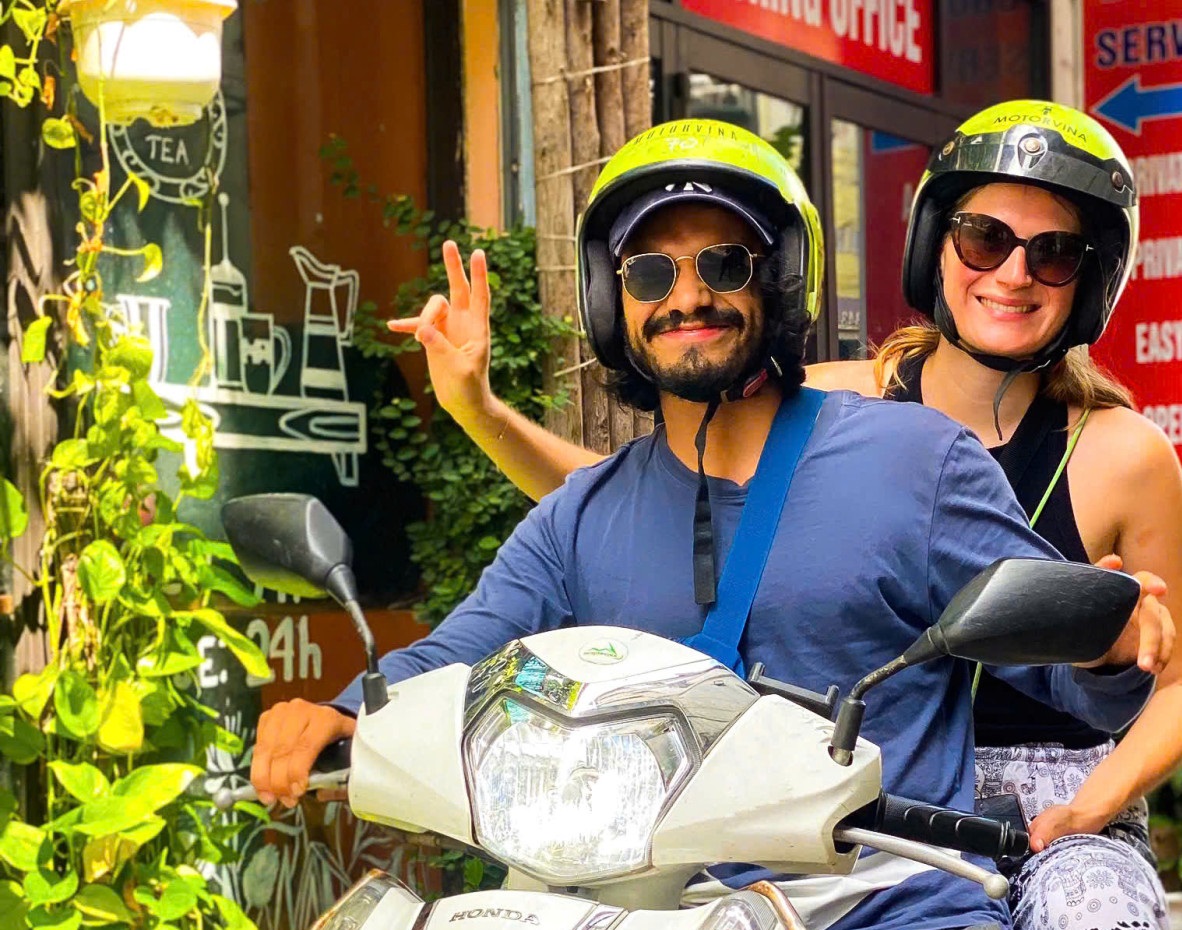
Is it safe to drive in Vietnam? – Remember to wear your helmet and seatbelt (Source: Collected)
3.3. Alcohol and driving laws
Considering traffic in Vietnam, there are some Vietnam driving rules that you must obey to ensure safety:
- Refrain from driving under the influence of alcohol.
- Limit motorbikes to carrying two passengers.
- Do not use a mobile phone while driving.
- Always carry a valid driver’s license and passport.
- Park only in designated areas to avoid fines.
- Use horns frequently to signal presence to other drivers.
- Yield to pedestrians at crosswalks.
4. Common traffic challenges in Vietnam
Concerning traffic in Vietnam, traffic congestion is a major issue in cities like Hanoi, Ho Chi Minh City, and Da Nang, especially during peak hours. Roads become packed with various vehicles, making travel time longer. To avoid heavy traffic, it is advisable to plan trips outside of rush hours.
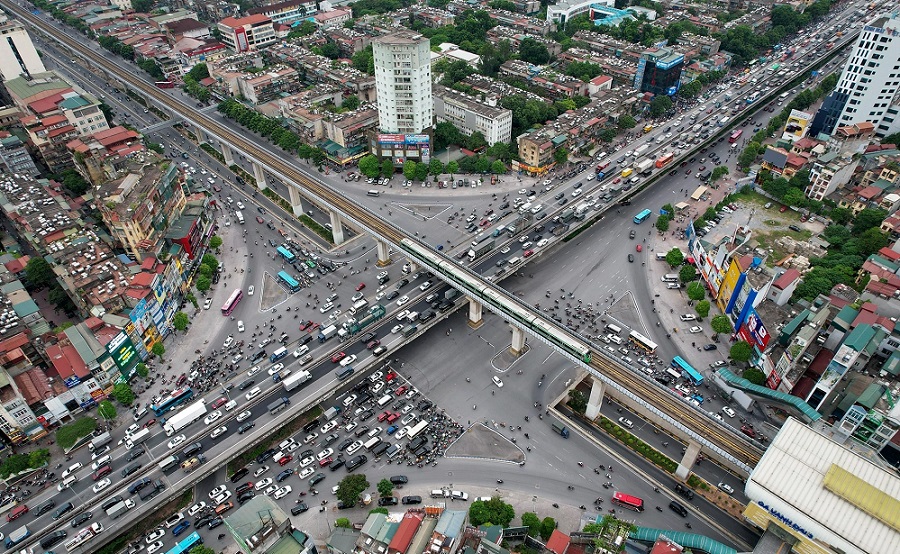
Traffic jam in Hanoi, Vietnam, is a common sight (Source: Collected)
5.1. Safe street crossing
Among travel to Vietnam tips, learning to cross the street safely is essential:
- Use designated pedestrian crossings, overpasses, or tunnels when available.
- Follow traffic signals and observe how locals cross.
- Stay patient and alert when crossing.
- Walk at a steady pace and signal your intention to cross by raising your hand.
5.2. Safe motorbike riding
For a safe and enjoyable motorbike adventure in Vietnam, don’t miss these essential safety tips:
- Obtain a temporary Vietnamese motorcycle license or an International Driving Permit (IDP).
- Adhere to traffic laws in Vietnam, wear helmets, and obey road signs.
- Wear protective gear, such as gloves and jackets, for long rides.
- Gain experience by riding as a passenger before navigating traffic in Vietnam independently.
- Keep the rental shop’s contact information in case of emergencies.
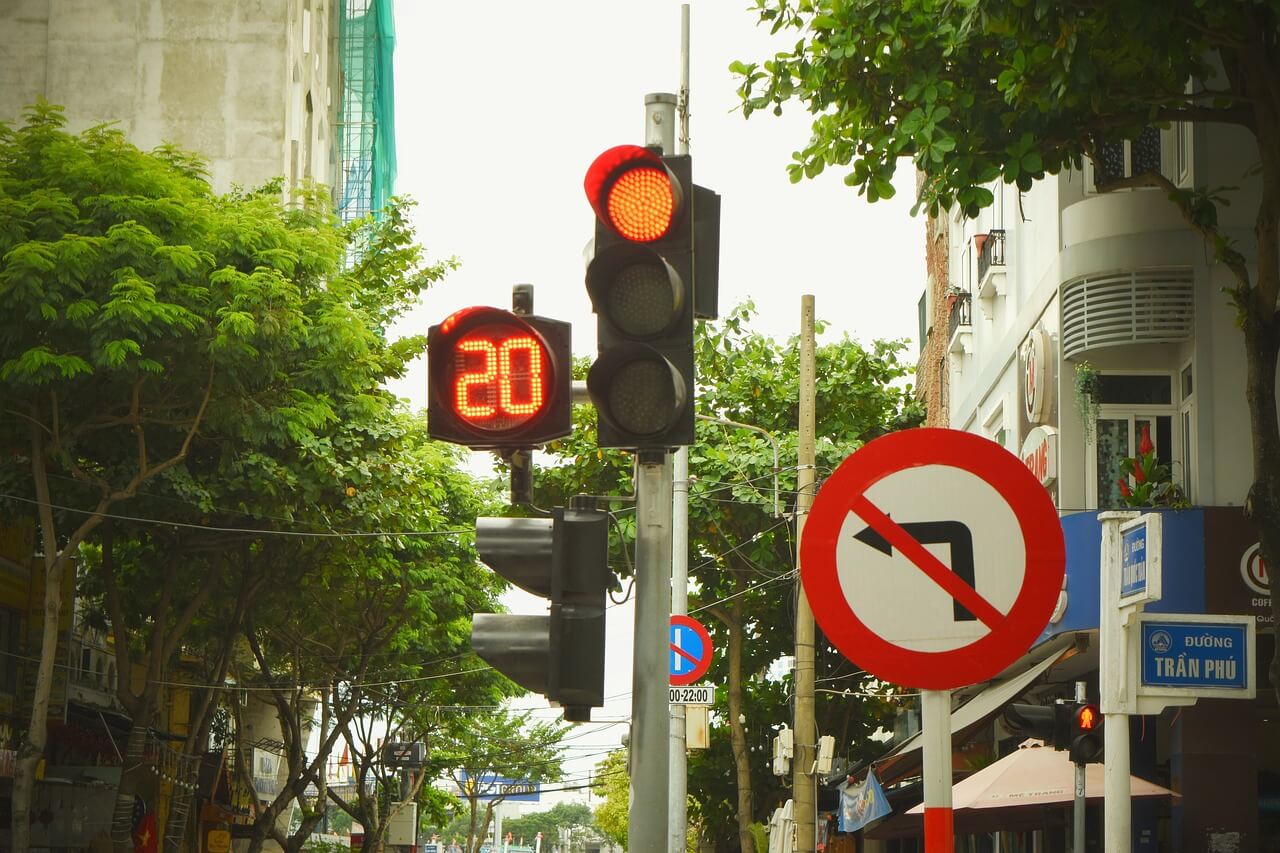
Following traffic lights in Vietnam is essential to ensure safety (Source: Collected)
5.3. Traffic accident actions
If you are involved in a traffic accident while traveling in Vietnam, the Vietnam National Traffic Safety Committee recommends that you:
- Report accidents to the police by dialing 113.
- In case of injury, call 115 and provide details about the number of victims, type of injuries, and location.
- Collect information, including names, phone numbers, addresses, and vehicle details.
- Take photos of the accident scene and vehicle damage for records.
5.4. Cultural considerations
Understanding some cultural considerations related to traffic in Vietnam will help travelers navigate Vietnam’s roads safely and efficiently:
- Honking is common, but excessive honking may be seen as rude.
- While traffic from the right generally has priority, some drivers may not adhere to this rule.
- Stay patient and avoid confrontations with other drivers.
- Show respect for local driving habits and avoid aggressive behavior.
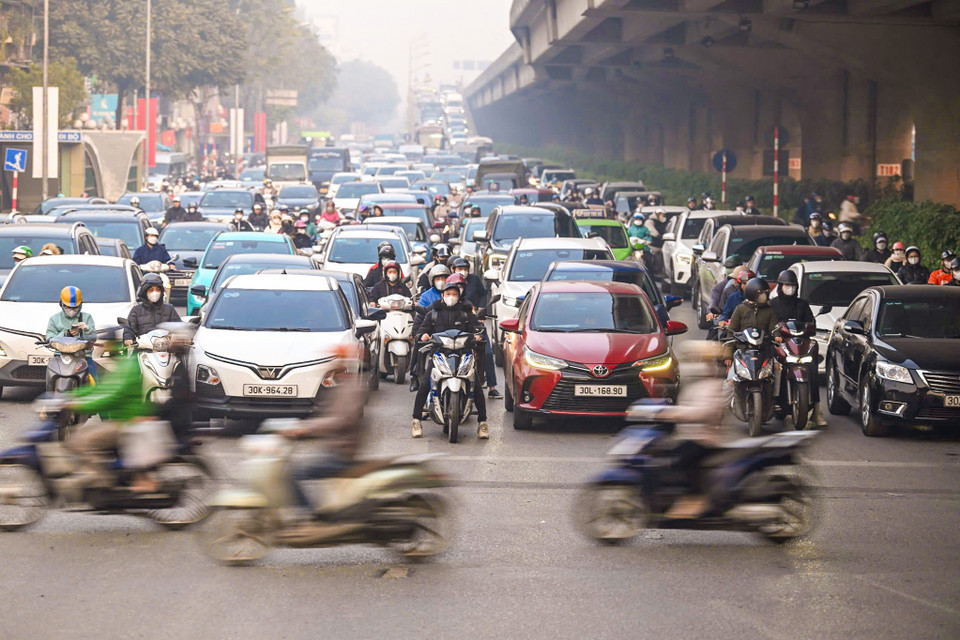
It is important to understand the traffic culture in Vietnam before your visit (Source: Collected)
Traffic in Vietnam presents unique challenges but also offers an exciting way to experience the country. Whether navigating busy streets or enjoying the local culture, understanding traffic norms will ensure a safer and more enjoyable journey. Embrace the vibrant hustle of Vietnam’s roads for a truly unforgettable adventure!
After preparing for Vietnam traffic, it’s time to dive into an unforgettable experience! During your visit, make sure to explore not just the historical sites, cultural landmarks, and natural wonders but also the thrilling modern entertainment hubs like VinWonders for endless fun.
At VinWonders entertainment complexes in Phu Quoc, Nha Trang, and Hoi An, visitors of all ages can enjoy a variety of attractions, including amusement parks, water parks, aquariums, botanical gardens, wildlife safaris, and captivating live shows.
To enhance your journey, treat yourself to the luxury of Vinpearl hotels and resorts, where you will experience outstanding service and various 5-star amenities.
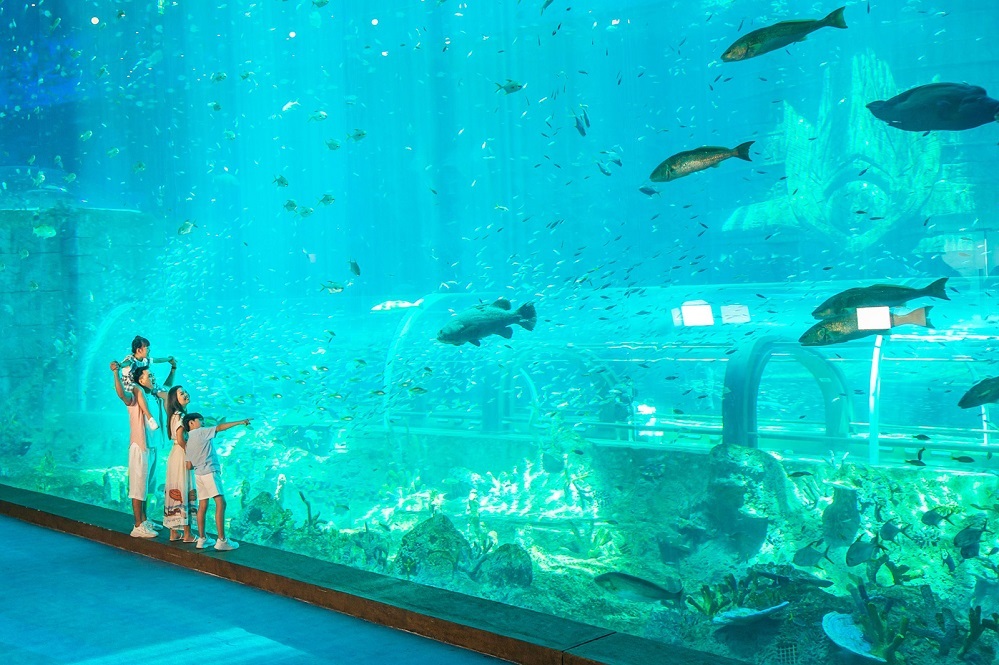
VinWonders Phu Quoc – the country’s largest theme park
Book VinWonders Phu Quoc ticket now
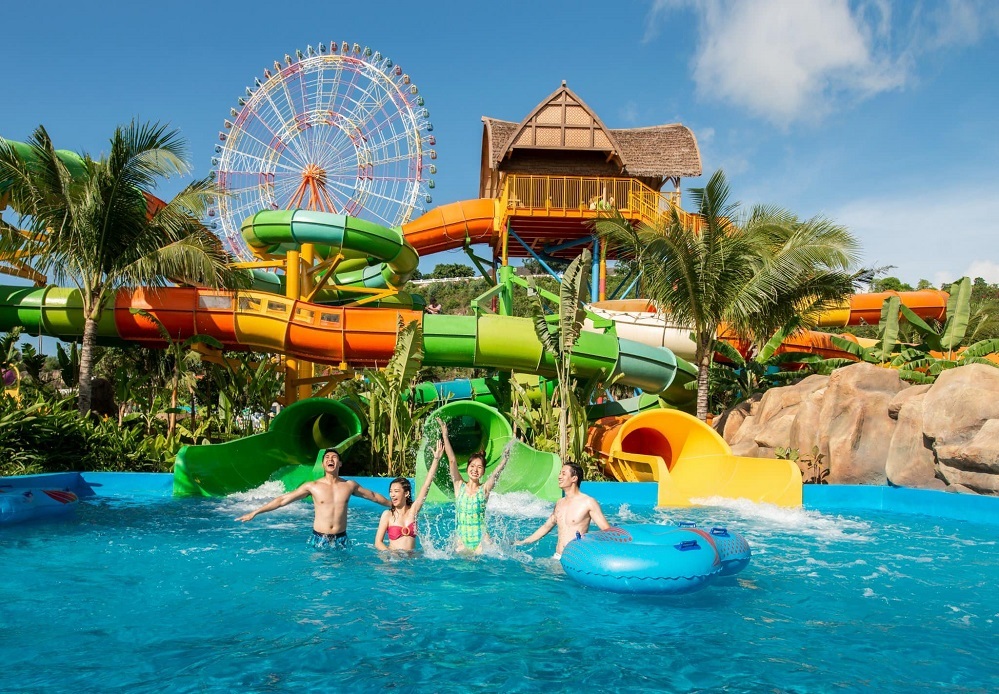
Enjoy tens of thrilling rides at VinWonders Nha Trang
Book VinWonders Nha Trang ticket now

Visit VinWonders Nam Hoi An to honor Vietnamese culture and world heritage
Book VinWonders Nam Hoi An ticket now
Best-selling products




![[Mega Sale 2.2] Get up to 50% off VinWonders on Double Day](https://static.vinwonders.com/production/2025/12/homepage-banner-3-336x161.jpg)


