en
en


 Tiếng Việt
  中文 (中国)
  한국어
한국어  Русский


 24/02/2024
 3.630 views
North and South Vietnam, two distinct regions shaped by diverse landscapes, climates, and cultural influences, offer travelers a captivating journey. From the historic capital of Hanoi in the north to the bustling metropolis of Ho Chi Minh City in the south, each region presents a tapestry of unique experiences. This Vietnam travel guide sets the stage for an exploration of the remarkable attractions that await in both corners of Vietnam.
1. Map of North and South Vietnam
1.1. Map of Northern Vietnam

North Vietnam’s map (Source: Collected)
There are 25 provinces and cities in the north:
1. Lao Cai
2. Yen Bai
3. Dien Bien
4. Hoa Binh
5. Lai Chau
6. Son La
7. Ha Giang
8. Cao Bang
9. Bac Kan
10. Lang Son
11. Tuyen Quang
12. Thai Nguyen
13. Phu Tho
14. Bac Giang
15. Quang Ninh
16. Bac Ninh
17. Ha Nam
18. Hanoi
19. Hai Duong
20. Hung Yen
21. Hai Phong
22. Nam Dinh
23. Ninh Binh
24. Thai Binh
25. Vinh Phuc
North Vietnam can also be divided into the northern midlands and mountains and the Red River Delta, specifically:
- Northern midlands and mountains (14 provinces): Ha Giang, Cao Bang, Lang Son, Bac Giang, Phu Tho, Thai Nguyen, Bac Kan, Tuyen Quang, Lao Cai, Yen Bai, Lai Chau, Son La, Dien Bien, and Hoa Binh.
- The Red River Delta (11 provinces and centrally run cities): Hanoi, Hai Phong, Hai Duong, Hung Yen, Vinh Phuc, Bac Ninh, Thai Binh, Nam Dinh, Ha Nam, Ninh Binh, and Quang Ninh.
1.2. Map of Southern Vietnam
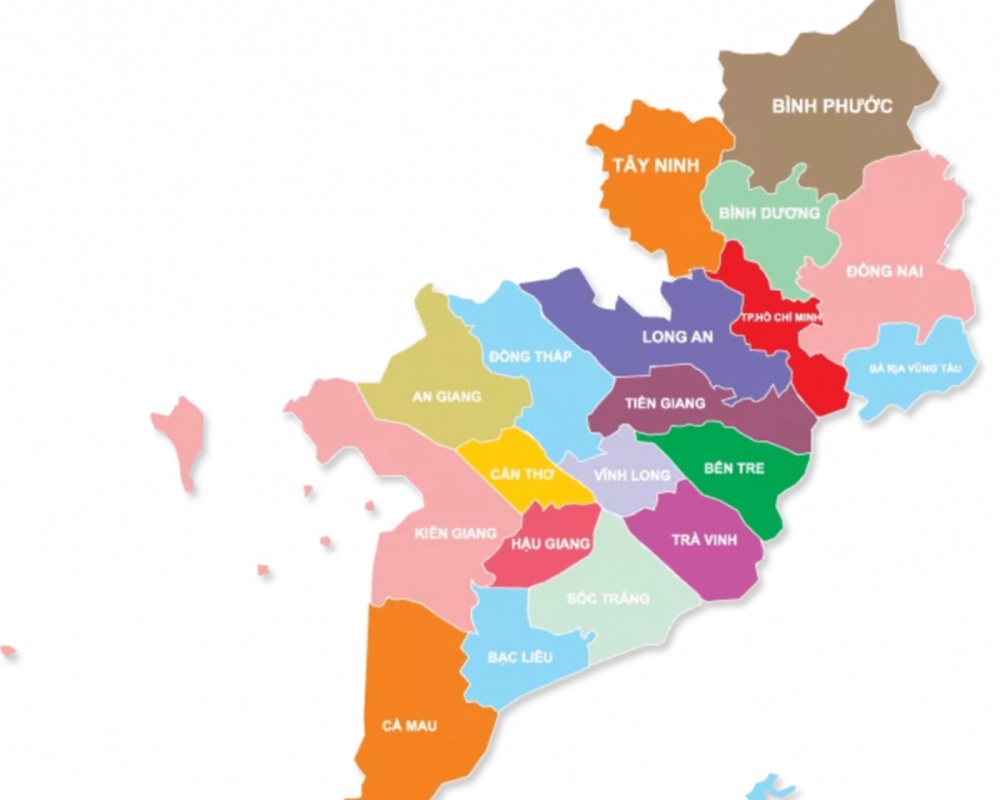
The map of southern Vietnam (Source: Collected)
South Vietnam is home to 19 provinces and cities:
1. Binh Phuoc
2. Binh Duong
3. Dong Nai
4. Tay Ninh
5. Ba Ria Vung Tau
6. Long An
7. Dong Thap
8. Tien Giang
9. An Giang
10. Ben Tre
11. Vinh Long
12. Tra Vinh
13. Hau Giang
14. Kien Giang
15. Soc Trang
16.Bac Lieu
17. Ca Mau
18. Ho Chi Minh City
19. Can Tho City
South Vietnam can also be divided into:
- Southeast Vietnam (6 provinces and centrally run cities): Ho Chi Minh City, Dong Nai, Ba Ria – Vung Tau, Binh Duong, Binh Phuoc, and Tay Ninh.
- Mekong Delta (13 provinces and centrally run cities): Can Tho, Long An, Tien Giang, Ben Tre, Tra Vinh, Vinh Long, An Giang, Dong Thap, Kien Giang, Hau Giang, Soc Trang, Bac Lieu, and Ca Mau.
2. Differences between North and South Vietnam
2.1. Climate
Climate-wise, northern and southern Vietnam are notably different. The northern region experiences distinct seasons, with a cold winter and a hot summer. During the transitional months, spring and autumn bring milder temperatures. In contrast, southern Vietnam has a more tropical climate, characterized by high temperatures and humidity throughout the year. The region lacks distinct seasons, with a wet season and a dry season. This climatic variation significantly influences the vegetation, agriculture, and overall lifestyle in each part of the country.
2.2. People & Accent
The people and accents in northern and southern Vietnam differ both culturally and linguistically. Northern Vietnamese people are often perceived as reserved and place a strong emphasis on traditional values. Hanoi reflects a more formal and conservative atmosphere. The accent in the North is more nasal and clipped. In addition, people speak rather slowly.
On the other hand, southern Vietnamese people are known for their friendliness and a more relaxed lifestyle. Ho Chi Minh City, in the south, is a bustling economic hub with a vibrant, dynamic atmosphere. The southern accent tends to be softer and features variations in tonal patterns and expressions. These differences between people in North and South Vietnam contribute to the rich tapestry of Vietnamese culture and communication.
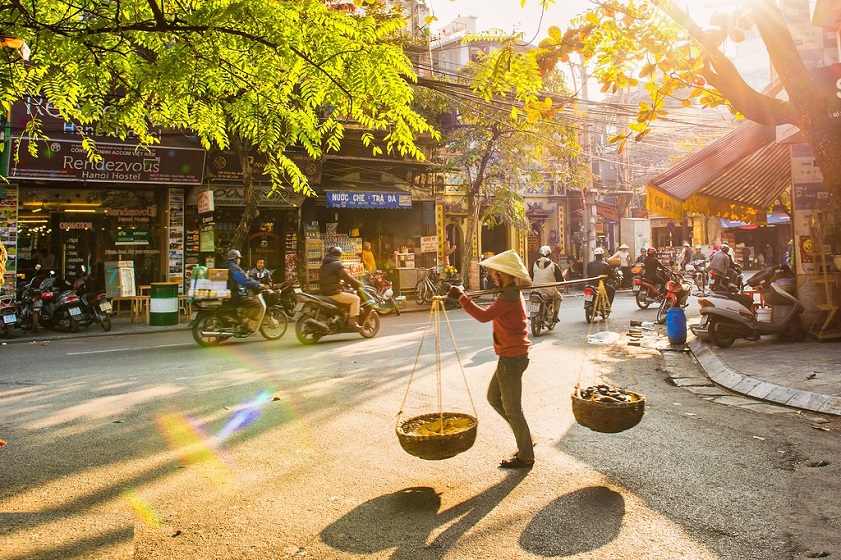
Differentiating the northern vs. southern Vietnamese accent is interesting (Source: Collected)
2.3. Cuisine
Northern and southern Vietnam boast diverse culinary traditions, reflecting the distinct geographic and cultural influences in each region. Northern Vietnamese food is often characterized by subtle flavors and a preference for freshwater ingredients. Dishes like “Pho,” a noodle soup, and “Bun cha,” grilled pork with vermicelli, are iconic to the north. The cuisine in this region tends to be less sweet compared to the south.
In southern Vietnam, the cuisine is marked by a more liberal use of spices and a sweeter palate. The tropical climate influences the abundance of fresh fruits and vegetables. Southern dishes such as “com tam” and “hu tieu” showcase the variety of flavors found in this region. Additionally, street food culture is vibrant in both areas, but the specific dishes can vary significantly.
Overall, the cuisine reflects not only the availability of ingredients but also historical influences, making northern and southern Vietnam’s culinary experiences unique.
2.4. Nightlife
The nightlife in northern and southern Vietnam offers distinct experiences shaped by cultural nuances and regional characteristics. In Hanoi, nightlife tends to be more subdued. Although there are many bars and clubs, they are not as publicly prominent as in the South. Many places after dark are centered around cultural activities, traditional music performances, and social gatherings in charming cafes.
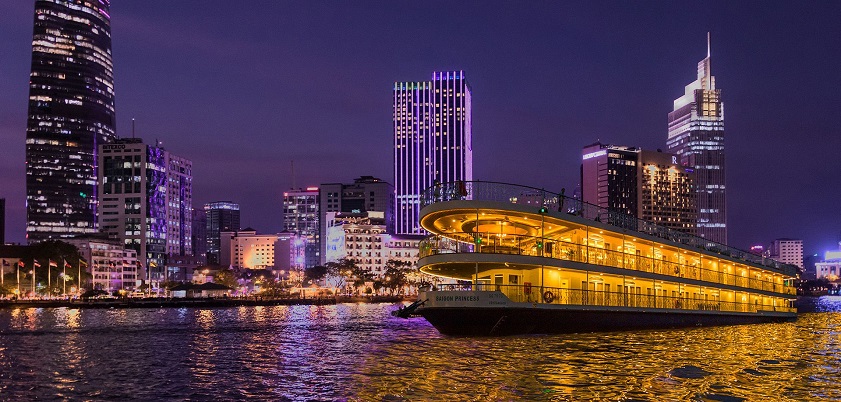
North and South Vietnam’s nightlife are unique (Source: Collected)
In contrast, southern Vietnam, especially Ho Chi Minh City, boasts a livelier and more modern nightlife scene. The southern metropolis is known for its energetic bars, nightclubs, and rooftop lounges. The nightlife in Ho Chi Minh City caters to diverse tastes, with a mix of trendy venues and traditional entertainment options. The southern approach to nightlife often mirrors the region’s dynamic and cosmopolitan vibe.
Best-selling products
![[VinWonders Wave Park] Family Coaster Ride Ticket](http://booking-static.vinpearl.com/tours/f949b31af919495c9b4e111237642763_358600999_111579731994757_433244877993048710_n_vinwonders-ha-noi.jpg)
![[Nha Trang Passport] - [Half-Day] - Cable Car + Aquafield Sauna (2 hours) + Tata Show](http://booking-static.vinpearl.com/tours/c3bae84e472b42078ca3ff6f28d55d80_1c5968412aca409fa8571c88cc85a4ba_aqf%205_aquafield-nha-trang.jpg)
![[VinWonders Vu Yen] - [02 Adults + 02 Children] - Admission to Zoo + Games + Water Park | FREE 01 Limited Tote Bag](http://booking-static.vinpearl.com/tours/b2cd8cf6b14c48459b21393e14d73163_vwvy%201_vinwonders-nha-trang-ve-vao-cua-2-chieu.jpg)
![[Phu Quoc Passport] - Top Experiences Across 3 Zones + Buffet voucher (2-Day Unlimited Access)](http://booking-static.vinpearl.com/tours/877d8a3289a246d18f95aa5cc414f6d6_27be58d21e244664bf34d11d72e77860_Castle_vinwonders-phu-quoc-ve-vao-cua_vinwonders-phu-quoc-ve-vao-cua.jpg)
![[02-Day Combo] - VinWonders + Vinpearl Safari + Free Grand World Tour](http://booking-static.vinpearl.com/tours/ceb77f9174d845ebb2fd3dfe2b846066_3%20copy_vinwonders-nam-hoi-an-ve-vao-cua.jpg)
![[Grand Park] Adventure Express](http://booking-static.vinpearl.com/tours/eeb9a602315342ccbc7965b29cfb0db0_Ảnh%20màn%20hình%202025-03-03%20lúc%2015.00.17_vinwonders-nam-hoi-an-ve-vao-cua.png)
![[-30% Grand Opening] [Aquafield Ocean City] – Standard Jjimjilbang Sauna Ticket for Male](http://booking-static.vinpearl.com/tours/94abeb55e3d54efbac23f7a862445389_0d72b531dd6749bbac2874b915ab0512_Screenshot_8_aquafield-nha-trang_aquafield-nha-trang.png)
![[Buggy Combo] - VinWonders Phu Quoc + Buggy + Free Ice Cream](http://booking-static.vinpearl.com/tours/0fc52a574094489da612d0f36bb4b1e6_buggy%20kem_vinwonders-phu-quoc-ve-vao-cua-tet-vi-vu.jpg)
![[VinWonders Nam Hoi An] Entrance Ticket After 2:00 PM](http://booking-static.vinpearl.com/tours/6c002e3ea71642f38eda8efa8654e5e4_vwnha0_vinwonders-nam-hoi-an-ve-vao-cua.jpg)
![[Onsite service] - Premium VIP Zoo Tour Vinpearl Safari Phu Quoc](http://booking-static.vinpearl.com/tours/ff1e4b66ec1b46edad0c0460144e70ad_VINPEARL%20SAFARI%20PHU%20QUOC%20%20(51)_vinwonders-nam-hoi-an-ve-vao-cua.jpg)
![[VinWonders Cua Hoi] - Tropical Paradise Water Park (9:00AM - 6:00PM)](http://booking-static.vinpearl.com/tours/aa8379d6db3a4f5c9df6d78d53177c35_11-E-Ticket-Vinwonder-Cua-Hoi_23072024111407_vinwonders-nam-hoi-an-ve-vao-cua.jpg)
![[Vinpearl Harbour] - Tata Show Ticket & Round-trip Cable Car](http://booking-static.vinpearl.com/tours/3cbd16b8edc74f6abc7f7cfa0e91caec_VPHB_Photos15_vinwonders-nha-trang-ve-vao-cua-2-chieu.jpg)
![[-15%] Combo Admission Tickets for 2 Zones: Aquarium & VinKE + F&B Set](http://booking-static.vinpearl.com/tours/e7fcffc8256546e8bdcfd5ccfbe69783_VINKE2%20(1)_vinke-ve-vao-cua-truc-tiep.jpg)
![[Hon Tam] - [Zone A] - Standard Mud Bath](http://booking-static.vinpearl.com/tours/9db66a615a7d4f119316b338afff30cb_tam-bun-dao-hon-tam_httpswwwhontammudbathvnwp-contentuploadssites2720190625-3-2200x700jpg.jpg)
![[VinWonders Nha Trang] - VinWonders Admission + Buggy Ride | FREE Ice cream](http://booking-static.vinpearl.com/tours/d1425f018b3e4d2d833374b5b52d8bb9_Hinh-anh-VinWonders-Nha-Trang-The-World-Garden-Lau-vong-canh-3x2-so-1_vinwonders-nha-trang-ve-vao-cua-sau-16h.jpg)
![[Nam Hoi An Signature] VinWonders Ticket + VIP Safari Package | FREE Merchandise Gift](http://booking-static.vinpearl.com/tours/881ac31c4a2b4687a59f412901e85b2c_VIN2725_-08746%20(2)_vinwonders-nam-hoi-an-ve-vao-cua.jpg)
![[VinWonders Vu Yen] - Admission Ticket to Games zone (after 5:00 PM)](http://booking-static.vinpearl.com/tours/edbd3eb4bc9848aead9940e0f5aa050d_fa21c62dfa9644ada0c3fce89b3e79ff_DO__8711_vinwonders-vu-yen-vuon-thu-khu-tro-choi-sau-17h.jpg)
![[50% Student Discount] – VinWonders Admission Ticket](http://booking-static.vinpearl.com/tours/43126c168bb04853bf7c93e197db724a_Banner%201200x628_vinwonders-nha-trang-ve-vao-cua-2-chieu.jpg)
![[Grand World Phu Quoc] [Ultimate Combo] - Water Taxi + Teddy Bear Museum + Grand Show](http://booking-static.vinpearl.com/tours/e31a9e66b5444808bba3e3114d195559_VENICE%20ALL%20IN%20ONE%20KV%20(1)_ve-bao-tang-gau-teddy-bear.jpg)
![[VinWonders Nha Trang] - 01-day Unlimited Admission Ticket | Free F&B Voucher](http://booking-static.vinpearl.com/tours/ccf23087ea0f419980c411d0e79c10fb_88c594a8352d49e7b031b9fbd5c5d27f_tro-choi-mao-hiem-o-vinpearl-nha-trang-thumb-1_vinwonders-nha-trang-khong-gioi-han-2-ngay_vinwonders-nam-hoi-an-ve-vao-cua.jpg)
![[Aquafield] - [Female] - 4-hour Korean Sauna](http://booking-static.vinpearl.com/tours/0e6fe24c37b84cb799b94dae70578054_aqf-suong-may-2048x1365_aquafield-nha-trang-xong-hoi-chuan-han.jpg)
![[Grand Park] Water Park + Dream Garden Outdoor Games Combo](http://booking-static.vinpearl.com/tours/35566b714d4c4dd9802a6bf4650ac2b1_khu-vui-choi-cua-hoi-9_vinwonders-nam-hoi-an-ve-vao-cua.jpg)
![[VinWonders Nam Hoi An] - Standard Admission Ticket](http://booking-static.vinpearl.com/tours/81813f8ced2c466e82ad53f1c29c1904_tour-kham-pha-van-hoa-viet-vinwonders-nam-hoi-an-668ca102bcc29_vinwonders-nam-hoi-an-ve-vao-cua.jpg)
![[Aquafield Ocean City] [Male] – Standard Jjimjilbang Sauna Ticket](http://booking-static.vinpearl.com/tours/0be276c684454e8d969c373f35f6be97_DSC_2127_11zon_aquafield-nha-trang.jpg)
![[VinWonders Phu Quoc] - Game Fastpass - Top 04 Rides](http://booking-static.vinpearl.com/tours/574c2b7798524c17a08f28feb80d45b5_fastpass%204%20games%20vwpq_vinwonders-phu-quoc-fastpass.jpg)
![[VinWonders Cua Hoi] - Cable Car + Games on the Island](http://booking-static.vinpearl.com/tours/63c924f8521a4af981666076c5c3b0fe_VinWonders%20Cua%20Hoi%20Summer%20Say%20Hi%20Banner%201920x920px_vinwonders-nam-hoi-an-ve-vao-cua.jpg)
![[VinWonders Cua Hoi] - Indoor Games Zone](http://booking-static.vinpearl.com/tours/b952de18058e4a67a8ffa52f2039e7d2_1920-x-1080-double%20day%20sale%2077%20no%20text_vinwonders-nam-hoi-an-ve-vao-cua.jpg)
![[Nha Trang Passport] - [Half-Day] - Cable Car + Aquafield Sauna (2 hours) + Tata Show](http://booking-static.vinpearl.com/tours/ef49c187eadf4177b425d2bb85a18b30_200dd4dda03e45e0a1add52e4acc11fa_NHT_1796_ve-xem-tata-show-vinwonders-nha-trang.jpg)
![[Grand World] Skydrop ticket](http://booking-static.vinpearl.com/tours/ed7c962747be42458f35c7b18340b901_A2-4-jpeg-2640-1687438608_grandworld.jpg)
![[VinWonders Nha Trang] - Admission to VinWonders after 4:00 PM](http://booking-static.vinpearl.com/tours/de2da6d471b34297ab13cb26ef2da9a0_Hinh-anh-VinWonders-Nha-Trang-The-World-Garden-Lau-vong-canh-3x2-so-1_vinwonders-nha-trang-ve-vao-cua-sau-16h.jpg)
![[VinWonders Vu Yen] - [02 Adults + 01 Child] - Admission to Zoo + Games + Free Tote Bag](http://booking-static.vinpearl.com/tours/34488b227a3648e5b73d4aa6d6d36b46_DO__8153_vinwonders-nha-trang-ve-vao-cua-2-chieu.jpg)
![[Aquafield Ocean City] – VIP Membership (12 Months)](http://booking-static.vinpearl.com/tours/3c2f7ab0ed374cb1bbdb2e54e6d6eb9a_e1f2756dfec346f3bb3b16e296b3b166_Screenshot_5_aquafield-nha-trang_aquafield-nha-trang.png)
![[Hon Tam] - [Zone A] - Mud Bath + Lunch Combo](http://booking-static.vinpearl.com/tours/5debd1efb6d34e42a88efa65354c8c72_ebdde60fd9a44539afe75c9338ec8a3d_ảnh%205_tam-bun-hon-tam.jpg)
![[Nha Trang Passport] – [01 day] – Snorkeling Tour + Lunch & Mud Bath at Hon Tam + Vinpearl Harbour + Tata Show](http://booking-static.vinpearl.com/tours/f6b1826759674c9c9d3f074e03fa04ba_snorkeling%201_vinwonders-nha-trang-ve-vao-cua-2-chieu.jpg)
![[Vinpearl Harbour] - Round-trip Cable Car Ticket | Free Wishing Coin Voucher](http://booking-static.vinpearl.com/tours/e584c2f486d246c5820a19f519d184a4_VPHB_Photos15_vinwonders-nha-trang-ve-vao-cua-2-chieu.jpg)
![[Aquafield] - Round-trip Cable Car + Korean Sauna + Body Scrub](http://booking-static.vinpearl.com/tours/d00bc95eb402434c8f4a4756c2a3ad3d_Akoya-spa-Villa-Vinpearl-Resort-Spa-Phu-Quoc-12_aquafield-nha-trang.jpg)
![[Grand World Phu Quoc] - The Quintessence of Vietnam Show](http://booking-static.vinpearl.com/tours/f88e2be1139b4eada4043eb7f0e39362_THVN1_show-tinh-hoa-viet-nam.jpg)
![[-30%] The Quintessence of Vietnam Show](http://booking-static.vinpearl.com/tours/6cee2bcb52a447009f64771095d03c9e_Screenshot%202024-10-22%20at%2014.49.18_ve-bao-tang-gau-teddy-bear.png)
![[Aquafield] - 2-hour Aquafield Sauna + 30-min Spa](http://booking-static.vinpearl.com/tours/b0bf65880af449f39ea19fa0acbb94d5_34d71a9c3e6b4b7484f9d7cbbc935c26_200dd4dda03e45e0a1add52e4acc11fa_NHT_1796_ve-xem-tata-show-vinwonders-nha-trang_ve-xem-tata-show-vinwonders-nha-trang.jpg)
![[VinWonders Phu Quoc] - Standard Entrance Ticket](http://booking-static.vinpearl.com/tours/0dd25afc61ad45d48486bbd3b9c8a96a_tieu%20chuan%201_vinwonders-phu-quoc-ve-vao-cua.jpg)
![[Aquafield] - [Male] - Round-trip Cable Car + 4-hour Korean Sauna](http://booking-static.vinpearl.com/tours/625529980f3249e6b0491cddfc30db43_297be2477c5847748ef3bc08603ebf90_aqf%204_aquafield-nha-trang.jpg)
![[-10%] - VIP River Safari Ticket*](http://booking-static.vinpearl.com/tours/5d3ee19e977446be8917a34697bb9443_ece6e58a02fd48de9eba9d3f4689f77a_Hinh-anh-VinWonders-Nam-Hoi-An-River-Safari-3x2-so-1%20(1)_vinwonders-nam-hoi-an-ve-vao-cua_vinwonders-nam-hoi-an-ve-vao-cua.jpg)
![[Aquafield] - [Male] - 4-hour Korean Sauna](http://booking-static.vinpearl.com/tours/4ae60d29ea264f8fab17beb6b4415502_aqf-da-muoi_aquafield-nha-trang-xong-hoi-chuan-han.jpg)
![[Aquafield Ocean City] [Male] – VIP Membership (12 Months)](http://booking-static.vinpearl.com/tours/6ab10678fcbd4822a8fddb0590d3bcbf_0d72b531dd6749bbac2874b915ab0512_Screenshot_8_aquafield-nha-trang_aquafield-nha-trang.png)
![[VinWonders Nam Hoi An] [Sunset Premium] Admission Ticket & Buggy Ride & VIP Safari Package & Afternoon Tea Set](http://booking-static.vinpearl.com/tours/3a1e510945b4421d861fede29a1b3e58_xE3mXzIVwTdZRf7M8zZfHqHIPqV17uyEOzL8PaUQ_vinwonders-nam-hoi-an-ve-vao-cua.jpg)
![[Vinpearl Aquarium Times City] Entrance Ticket](http://booking-static.vinpearl.com/tours/8702a10bf2934d6299df65669a290679_aquarium%20times%20city%203_thuy-cung-vinpearl-aquarium-times-city.jpg)
![[VinWonders Phu Quoc] - Entrance Ticket + Gate Fastpass + Buggy](http://booking-static.vinpearl.com/tours/de2a24896b0e49469fa1e89e93aa5314_1920x1080%20VWPQ%20KV_vinwonders-phu-quoc-standard-entrance-ticket.jpg)
![[Grand World Phu Quoc] - Water Taxi Boat + Teddy Bear Museum](http://booking-static.vinpearl.com/tours/add2e0908faa4289b555856472b181be_VENICE%20ALL%20IN%20ONE%20KV%20(1)_ve-bao-tang-gau-teddy-bear.jpg)
![[Grand World] Carousel Ride](http://booking-static.vinpearl.com/tours/0d6a4bcfc2a54fd4aa9df0b38ae8c7b6_A2-4-jpeg-2640-1687438608_grandworld.jpg)
![[Vinpearl Harbour] - Admission to VinWonders (after 4:00PM) & Round trip cable car](http://booking-static.vinpearl.com/tours/4b2d76bbde1f4c54a43370680d311928_Hinh-anh-VinWonders-Nha-Trang-The-World-Garden-Lau-vong-canh-3x2-so-1_vinwonders-nha-trang-ve-vao-cua-sau-16h.jpg)
![[Hon Tam] - [Zone A&B] - Full island entertainment + Mud Bath Zone A + Lunch](http://booking-static.vinpearl.com/tours/af991883d63f4133b62b76551ba2444d_tam-bun-dao-hon-tam_httpswwwhontammudbathvnwp-contentuploadssites2720190625-3-2200x700jpg.jpg)
3. Which is better to visit, North Vietnam or South Vietnam?
Choosing between North and South Vietnam for a visit depends on the kind of experience you desire. If you are drawn to Vietnam’s rich history and cultural heritage, exploring the northern region, particularly Hanoi, is a captivating choice. The capital city boasts ancient temples, museums, and a more traditional atmosphere, providing a deep dive into the country’s past. The breathtaking landscapes of Ha Long Bay and the terraced rice fields in Sapa further enhance the appeal of northern Vietnam.
On the other hand, if you prefer a lively urban setting that harmoniously blends modernity with tradition, then the bustling Ho Chi Minh City in the South is a compelling destination. Here, you will find a dynamic nightlife, contemporary architecture, and a diverse array of cultural experiences. The Mekong Delta, with its lush landscapes, and the historic Cu Chi Tunnels are additional highlights that showcase the richness of southern Vietnam.
Culinary preferences can also play a role in your decision. While both regions offer delicious Vietnamese cuisine, there are subtle differences in flavors and specialties. The North tends to have more subtle and nuanced dishes, while the South incorporates a bit more spice and sweetness into its culinary repertoire.
In essence, both North and South Vietnam offer unique and enchanting experiences, so consider your interests, whether they lie in history, culture, urban life, or cuisine, to make the choice that aligns best with your preferences.
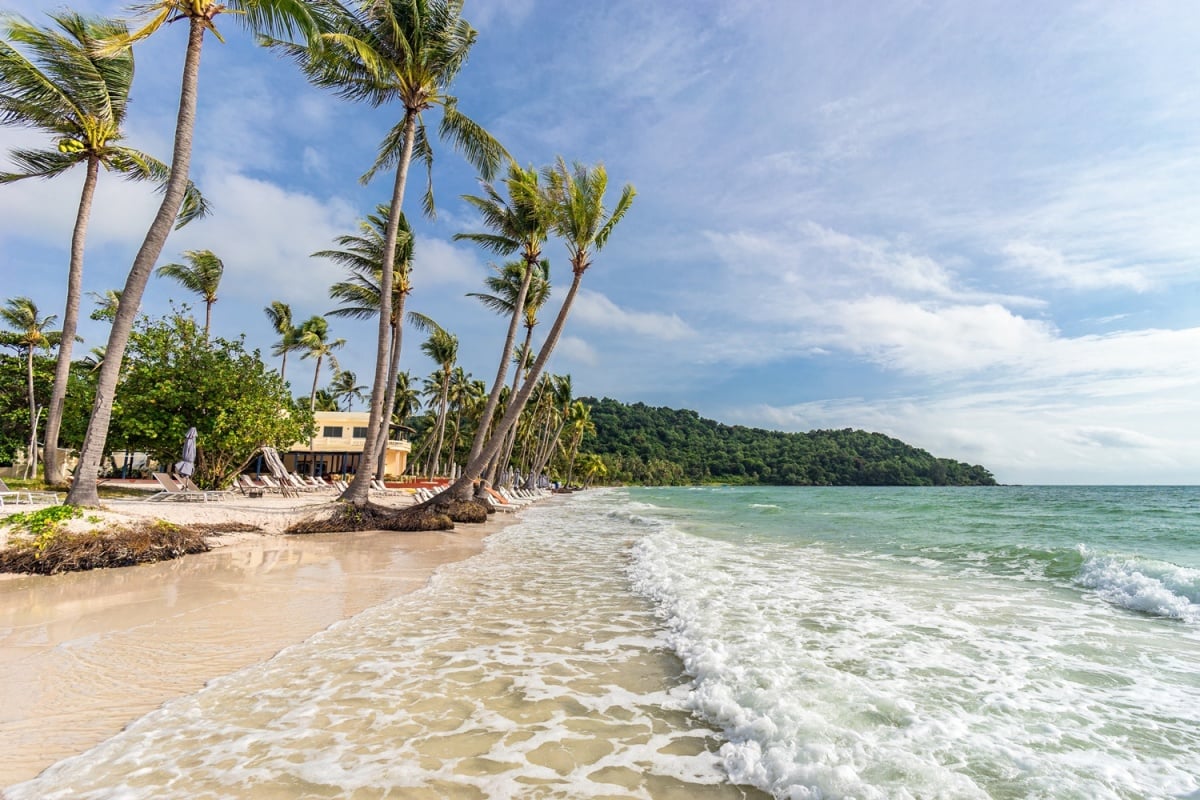
Is North or South Vietnam better to visit? It depends (Source: Collected)
4. Ideal Northern and Southern Vietnam itinerary for tourists
4.1. Hanoi
In Hanoi, the capital of Vietnam, there are numerous captivating places with plenty of activities for tourists to explore:
- Old Quarter (Hoan Kiem District): Wander through the narrow streets of the Old Quarter, where you can experience the rich history and vibrant street life. Don’t miss the opportunity to shop for traditional handicrafts and sample local street food.
- Hoan Kiem Lake and Ngoc Son Temple: Enjoy a leisurely stroll around Hoan Kiem Lake and visit Ngoc Son Temple, located on a small island in the lake. The iconic red bridge, known as The Huc Bridge, adds to the picturesque setting.
- Ho Chi Minh Mausoleum: Pay your respects to the country’s revolutionary leader by visiting the Ho Chi Minh Mausoleum. The adjacent Presidential Palace and One Pillar Pagoda are also worth exploring.
- Temple of Literature (Van Mieu-Quoc Tu Giam): Explore this well-preserved temple complex, which served as Vietnam’s first university. The serene gardens and historic architecture make it a peaceful retreat.
- Water Puppet Theater: Experience a unique traditional art form by attending a water puppet show. This traditional Vietnamese performance is a captivating blend of puppetry, music, and storytelling.
These attractions provide a fantastic introduction to the charm and cultural richness of Hanoi. Other places worth exploring include Turtle Tower, Bach Ma Temple, Dong Xuan Market, Hanoi Opera House, Truc Bach Lake, Presidential Palace, One Pillar Pagoda, and Tran Quoc Pagoda.
For entertainment, head to VinWonders Wave Park & Water Park and VinKE & Vinpearl Aquarium. With water slides, lazy pools, and more, the former is a hotspot for beating the heat. Meanwhile, the latter offers a range of indoor games and displays for visitors to have fun while hiding from the unexpected tropical rain.
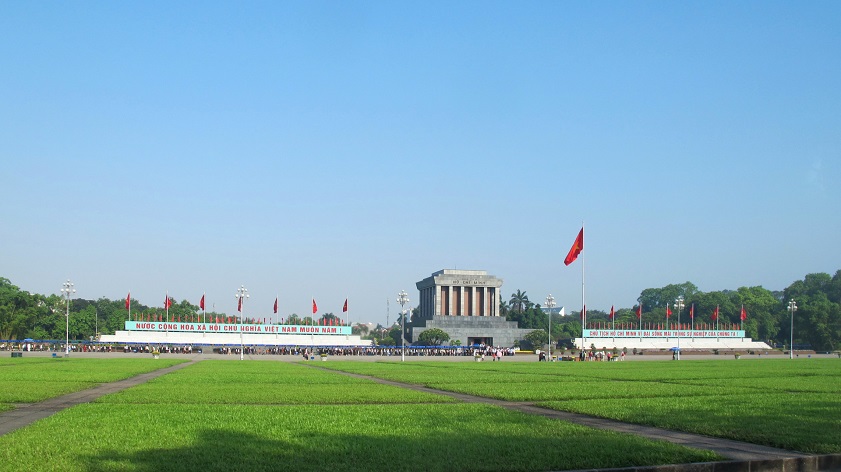
Start in Hanoi on your North to South Vietnam itinerary (Source: Collected)
4.2. Sapa
In Sapa, nestled in the northern mountains of Vietnam, you will discover breathtaking landscapes and unique cultural experiences. The best things to do and places to explore in Sapa include:
- Treks: Sapa is renowned for its stunning terraced rice fields. Embark on a trekking adventure to witness the beauty of these landscapes, especially in villages like Cat Cat, Lao Chai, and Ta Van.
- Fansipan: For those seeking adventure, tackle the “Roof of Indochina” by climbing Fansipan, the highest peak in Vietnam. The panoramic views from the summit are incredibly rewarding.
- Local markets: Immerse yourself in the local culture by visiting Sapa’s bustling markets. The Bac Ha Market and the Sapa Market offer vibrant displays of ethnic minority traditions and crafts.
- Ethnic villages: Explore the distinctive cultures of various ethnic minorities residing in the region. Engage with local communities, learn about their traditional customs, and perhaps stay in a homestay for an authentic experience.
Sapa’s natural beauty and diverse cultural encounters make it a must-visit destination for those seeking a unique and immersive experience in North and South Vietnam.
4.3. Ha Giang
Ha Giang, located in the northernmost part of Vietnam, is a destination known for its rugged landscapes and vibrant ethnic cultures. Two great places to venture to while in Ha Giang are:
- Dong Van Karst Plateau Geopark: Marvel at the unique geological formations in this UNESCO-listed geopark. The stunning landscapes, limestone peaks, and ethnic minority villages make it a photographer’s paradise.
- Ma Pi Leng Pass: Journey along one of the most scenic mountain passes in Vietnam, offering breathtaking views of the Nho Que River and the surrounding mountains. The winding roads provide an exhilarating experience for adventurers.
Ha Giang offers a raw and authentic experience, making it an ideal destination for those who want to immerse themselves in stunning landscapes of North and South Vietnam off the beaten path.
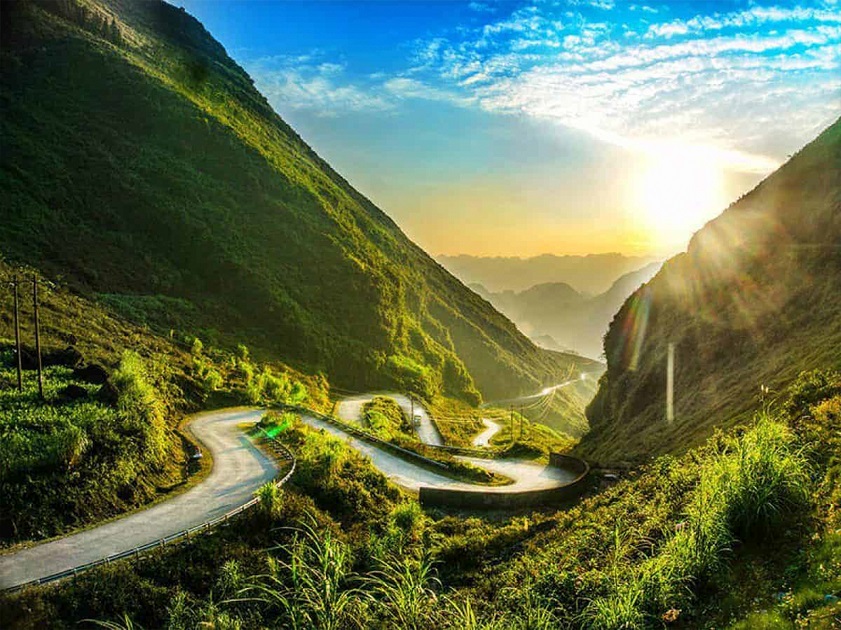
Ha Giang is a must-explore destination on your North to South itinerary (Source: Collected)
4.4. Ninh Binh
Ninh Binh, often referred to as “Ha Long Bay on land,” is a picturesque province in northern Vietnam, known for its karst landscapes, ancient temples, and serene waterways. The following are attractions that should not be missed:
- Trang An Landscape Complex: Take a boat ride through the stunning karst landscapes and limestone caves of Trang An. This UNESCO World Heritage Site offers a tranquil journey amidst lush greenery and ancient temples.
- Bai Dinh Pagoda: Visit the Bai Dinh Pagoda complex, one of the largest Buddhist pagodas in Southeast Asia. Explore the intricate architecture and vast temple grounds, including the Bai Dinh Tower.
- Hoa Lu Ancient Capital: Discover the historical significance of Hoa Lu, the ancient capital of Vietnam in the 10th and 11th centuries. Visit the temples dedicated to the Dinh and Le dynasties and learn about the country’s early history.
- Cuc Phuong National Park: Explore the biodiversity of Cuc Phuong, Vietnam’s first national park. Trek through lush forests, visit the Endangered Primate Rescue Center, and discover ancient trees and caves.
- Van Long Nature Reserve: Take a boat trip through Van Long, the largest wetland nature reserve in northern Vietnam. Enjoy the tranquility as you spot birdlife and immerse yourself in the natural beauty.
Ninh Binh boasts a perfect blend of natural beauty and cultural heritage, making it a delightful destination for those seeking a tranquil escape from the bustling cities in North and South Vietnam.
4.5. Ha Long
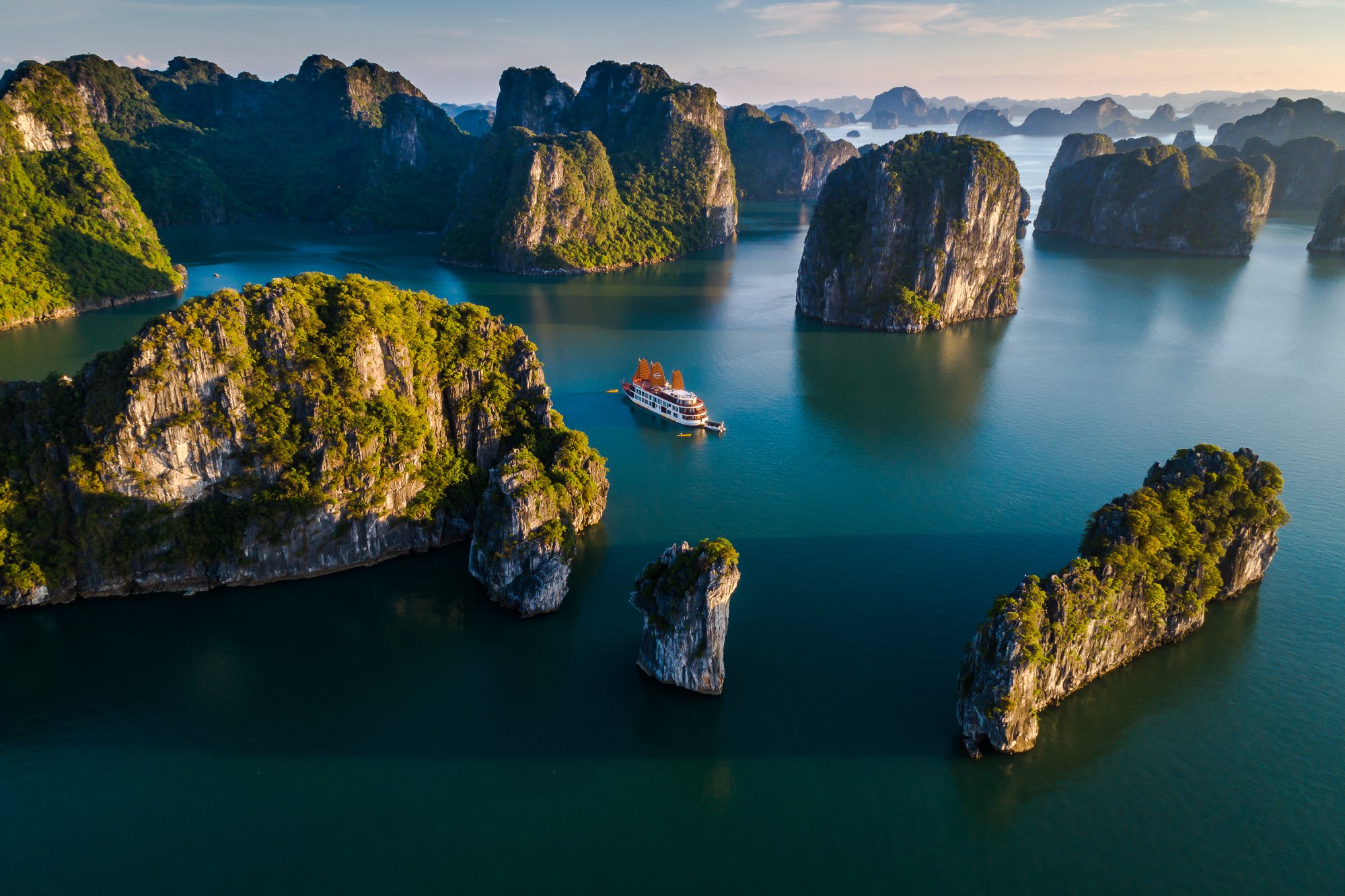
Ha Long Bay, a UNESCO World Heritage Site in northern Vietnam, is renowned for its breathtaking landscapes of limestone karsts and emerald waters. Visitors should:
- Cruise in Ha Long Bay: Embark on a cruise to explore the stunning karst formations and picturesque islets scattered throughout the bay. Most cruises offer opportunities for activities like kayaking, swimming, and visiting floating fishing villages.
- Visit Thien Cung Cave: This is one of the most impressive caves in Ha Long Bay. Admire the intricate stalactite formations illuminated by colorful lights, creating a magical atmosphere.
- Explore fishing villages: Discover the local way of life in floating fishing villages like Cua Van and Vung Vieng. These communities offer a glimpse into the traditional practices of Ha Long Bay’s inhabitants.
Ha Long Bay’s stunning landscapes and unique cultural experiences make it a must-visit North and South Vietnam destination for natural beauty and tranquility.
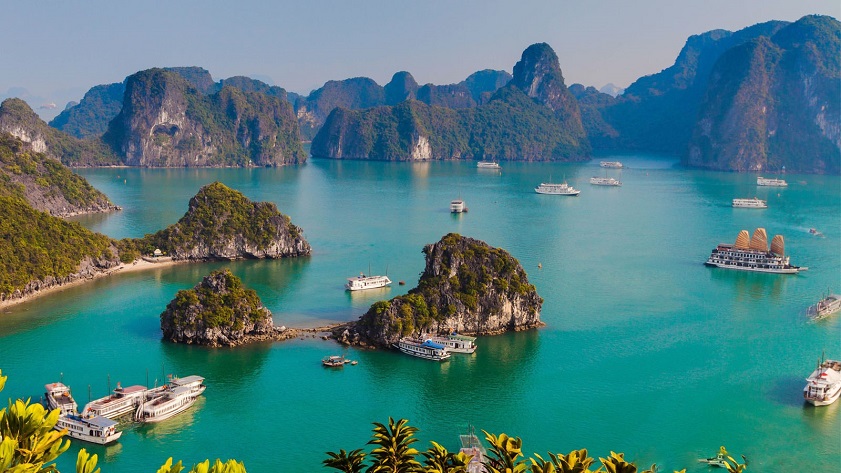
Discover the differences between North and South Vietnam in Ha Long Bay (Source: Collected)
4.6. Ho Chi Minh City
Ho Chi Minh City, formerly known as Saigon, is a dynamic metropolis in southern Vietnam. A few popular check-in spots are:
- Notre-Dame Cathedral Basilica of Saigon: Admire the French colonial architecture of this iconic cathedral located in the heart of the city. The red-brick façade and twin spires make it a prominent landmark.
- Ben Thanh Market: Immerse yourself in the bustling atmosphere of Ben Thanh Market. This vibrant market offers a wide array of local goods, souvenirs, and delicious street food. Negotiating prices is common here.
- Cu Chi Tunnels: Take a day trip to explore the intricate network of Cu Chi Tunnels, used by the Viet Cong during the Vietnam War. Learn about the guerrilla warfare tactics and the tunnels’ historical significance.
- Saigon Opera House: Experience cultural performances or simply marvel at the neoclassical architecture of the Saigon Opera House. The venue hosts a variety of events, including ballet, concerts, and traditional Vietnamese performances.
- Nguyen Hue Street: Stroll along Nguyen Hue Street, a pedestrian promenade in the city center. Lined with shops, cafes, and entertainment, it is a popular spot for locals and tourists alike.
Additionally, don’t miss out on other top tourist attractions in Ho Chi Minh City, namely Monkey Island, Saigon Central Post Office, Ho Chi Minh City Museum of Fine Arts, Ho Chi Minh City Museum, Ho Thi Ky Flower Market, etc.
4.7. Con Dao
Con Dao, an archipelago off the southern coast of Vietnam, is a hidden gem. Visitors can explore the following attractions for a holistic experience:
- Con Dao Prison: Delve into the island’s dark history by visiting Con Dao Prison. This historical site provides insight into the harsh conditions faced by Vietnamese prisoners during the French colonial era and the Vietnam War.
- Con Dao National Park: Explore the rich biodiversity of Con Dao National Park. The park is home to diverse ecosystems, rare species, and hiking trails that lead to viewpoints offering stunning panoramic vistas.
- Con Dao Market: Experience the local culture at Con Dao Market. Browse through stalls selling fresh seafood, fruits, and handmade crafts. It’s a great place to interact with locals and sample authentic Con Dao cuisine.
Con Dao offers a unique blend of historical exploration, natural beauty, and tranquility, making it an ideal destination for those seeking a peaceful escape with a touch of history.
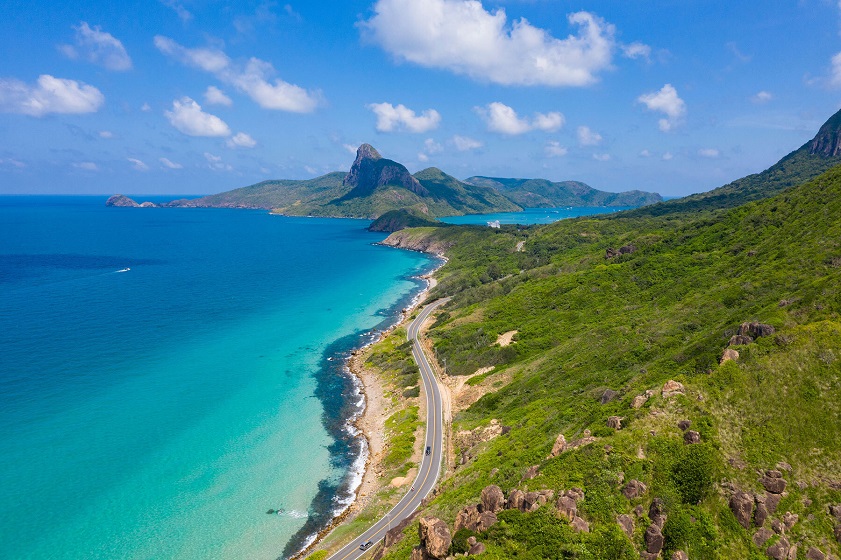
Include Con Dao on your North to South Vietnam itinerary (Source: Collected)
4.8. Binh Thuan
Binh Thuan, a coastal province in southeastern Vietnam, is known for its diverse landscapes and pristine beaches. Visitors to Binh Thuan cannot miss out on the region’s iconic attractions:
- Mui Ne Sand Dunes: Experience the mesmerizing red and white sand dunes of Mui Ne. Sand sliding is a popular activity, and the sunrise or sunset views over the dunes are truly spectacular.
- Mui Ne Beach: Relax on the sandy shores of Mui Ne Beach, known for its long stretch of coastline and water sports activities. The strong sea breeze makes it a popular spot for windsurfing and kiteboarding.
Binh Thuan blends natural wonders with seaside activities, making it a worthwhile location for travelers seeking an unspoiled beach retreat.
4.9. Can Tho
Can Tho, situated in the heart of the Mekong Delta in southern Vietnam, is a city of unique charm and cultural richness.
- Cai Rang Floating Market: This is a bustling spectacle where boats laden with colorful produce create a lively, waterborne marketplace. The city’s riverbanks, particularly along Ninh Kieu Wharf, provide a serene setting to unwind and witness the ebb and flow of the Hau River.
- Bang Lang Stork Garden: For those seeking nature’s embrace, the Bang Lang Stork Garden showcases the ecological diversity of the region, providing a haven for thousands of storks and other bird species.
- O Mon Ancient Village: This ancient village offers a step back in time, allowing visitors to explore traditional houses and appreciate the cultural heritage of the area.
Can Tho encapsulates the essence of the Mekong Delta, evident in its harmonious blend of history, nature, and local life.
4.10. Phu Quoc
Phu Quoc, an island paradise located in the Gulf of Thailand, is known for its pristine beaches, lush landscapes, and vibrant marine life. Some of the most notable attractions on the island include:
- Long Beach: Relax on the white sands of Long Beach, the longest beach on Phu Quoc. Enjoy the clear turquoise waters and a variety of water activities, including snorkeling and jet skiing.
- Vinpearl Safari Phu Quoc: Explore Vinpearl Safari, home to diverse wildlife, including giraffes, lions, and elephants. The open-zoo concept allows for a close encounter with the animals in a natural setting.
- Phu Quoc National Park: Discover the biodiversity of Phu Quoc National Park, featuring dense forests, hiking trails, and the famous Ganh Dau Trail. The park is home to unique flora and fauna, including the rare Phu Quoc langur.
- Dinh Cau Night Market: Experience the vibrant Dinh Cau Night Market in Duong Dong town. Sample fresh seafood, local street food, and shop for souvenirs in this bustling market.
- Ham Ninh Fishing Village: Explore the rustic charm of Ham Ninh Fishing Village, known for its stilt houses and traditional way of life. Enjoy fresh seafood at the village’s waterfront restaurants.
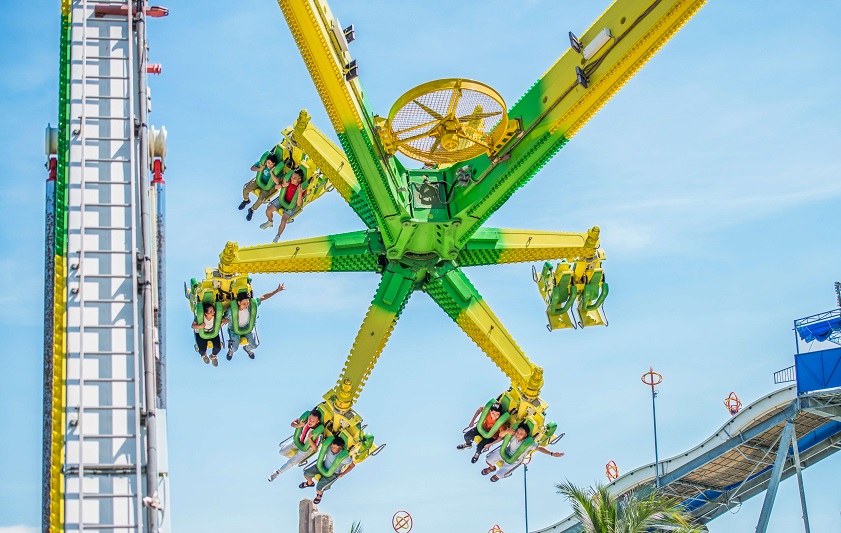
Visit VinWonders during your exploration of North and South Vietnam
Besides the destinations above, you can also visit May Rut Island, Fingernail Island, Gam Ghi Island, Dinh Cau Beach, Tranh Stream, Starfish Beach, Phu Quoc Prison, Su Muon Pagoda, and Grand World Phu Quoc.
The dichotomy between North and South Vietnam reveals the remarkable diversity within this Southeast Asian nation. The country’s historical tapestry, coupled with its natural wonders, creates an alluring mosaic that captivates the hearts of travelers. Whether exploring the ancient temples of Hanoi, cruising through the karst formations of Ha Long Bay, or immersing oneself in the cultural tapestry of the Mekong Delta, North and South Vietnam offer an enchanting journey filled with history, beauty, and the warm hospitality of its people.
Make sure you remember to check out VinWonders across different destinations from North to South Vietnam. This chain of entertainment complexes, with numerous thrills and immersive experiences, will surely leave you with memories that last a lifetime. You can also stay at Vinpearl hotels and resorts to enjoy pampering hospitality amidst scenic surroundings to complement your northern and southern Vietnam exploration.
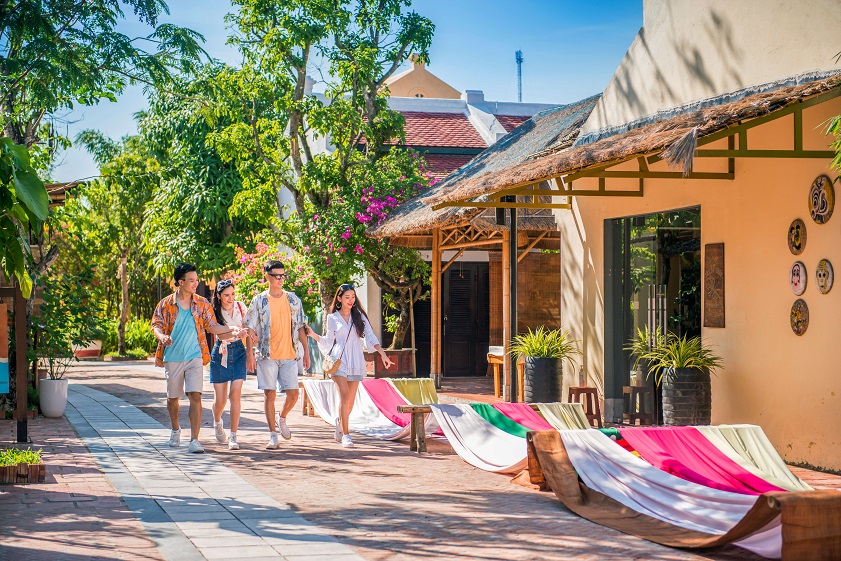
VinWonders is a must-visit while immersing in North and South Vietnam’s charm
>>> Book tickets to VinWonders Phu Quoc, Nha Trang, Nam Hoi An, VinKE & Vinpearl Aquarium, and VinWonders Wave Park & Water Park for entertainment in North and South Vietnam!
Grab the hottest deals at VinWonders!
Best-selling products