en
en


 Tiếng Việt
  中文 (中国)
  한국어
한국어  Русский


 12/07/2024
 2.257 views

Vietnamese culture is a rich tapestry of deep-rooted values (Source: Collected)
1. About the culture of Vietnam
- The definition of Vietnamese culture
Based on various perspectives, there are multiple definitions of Vietnamese culture. One widely accepted viewpoint among cultural researchers and managers is that: “Vietnamese culture represents the unified culture of the nation based on the diverse nuances of its ethnic groups.”
Vietnam’s culture exhibits high diversity. Despite its geographical location in Southeast Asia, the culture of Vietnam is sometimes classified as part of East Asian culture (alongside China, Taiwan, North Korea, South Korea, and Japan) due to significant similarities.
- The characteristics of Vietnamese culture
Vietnam’s culture is comprehensive, embracing 54 ethnic communities that uphold ancient customs, meaningful communal festivals, enduring religious beliefs, tolerant philosophical ideals, and nuanced communication through literature and art.
The differences in geographical structure, climate, and ethnic distribution have created distinct cultural regions in Vietnam. These include the Red River Delta characterized by rice cultivation practices, the ethnic minorities in the Northwestern and Northeastern mountains, the Cham influence in South Central Vietnam, a blend of Chinese and Khmer cultures in Southern Vietnam, and the ethnic diversity in the Central Highlands.
Vietnam’s cultural history spans millennia, blending indigenous traditions from the time of the Hung Kings with enduring influences from China, Southeast Asia, 19th-century French colonialism, 20th-century Western influences, and 21st-century globalization.

Vietnamese culture draws influences from many regions in the world (Source: Collected)
Discover: Vietnamese symbol for love: Unveiling a special cake representing loyalty
2. The 10 outstanding aspects of Vietnamese culture
Vietnamese culture has developed over nearly four thousand years. Despite having been occupied by various powers in the course of history, Vietnam has retained its traditional values while adapting foreign influences, becoming a melting pot of cultures that welcome all visitors to explore Vietnam travel.
2.1. Religion and belief
In Vietnam, the spectrum of religions includes Mahayana Buddhism, Confucianism, and Taoism, alongside Roman Catholicism, Caodaism, and Hoa Hao. Smaller groups practice Theravada Buddhism, Protestantism, and Islam. Most people identify as non-religious, yet in daily life in Vietnam, they often visit religious sites. Generally, Vietnamese religious practices focus more on ritual worship than doctrinal study.
Vietnamese culture venerates figures such as Thanh Hoang (the Holy Kings), national heroes, and spirits in Dao Mau (Mother Goddess worship). Ancestral worship remains integral among the Kinh and other ethnic groups. They believe that ancestral spirits safeguard and bestow blessings upon the descendants.

Various ethnic groups worship a wide range of deities (Source: Collected)
2.2. Language
Vietnamese is the official Vietnamese language. It functions as the primary administrative language for all 54 ethnic groups in Vietnam, with 86% of the population using it. Vietnamese also displays regional differences in pronunciation and vocabulary, thus is often classified into Northern, Central, and Southern dialects.
The Vietnamese alphabet, or Chu Quoc Ngu, is the official script used by Vietnamese people today. Some ethnic groups also use their own scripts, such as the Khmer script used by the Khmer people in the South, the Akhar Thrah script used by the Cham people in the Central, the Thai script used by the Thai people in the Northwest, and the Mnong script used by the Mnong people in the Central Highlands. These scripts are maintained to preserve their respective cultures and to facilitate the adoption of new knowledge translated from Chu Quoc Ngu.
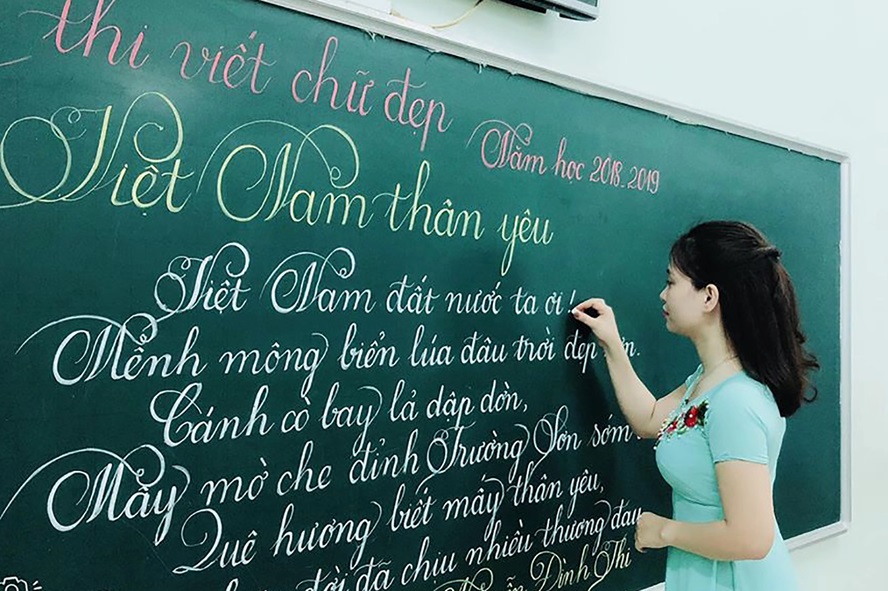
Currently, 26 ethnic groups in Vietnam possess their own unique scripts (Source: Collected)
2.3. Food in Vietnamese culture
In 2015, Vietnamese cuisine ranked among the “Top 8 emerging culinary scenes globally with significant impact.” Vietnamese food focuses on blending ingredients for delicious flavors. It is famous for using a wide range of fresh herbs, plant-based spices, fruits, and young leaves. Vietnamese cuisine combines Eastern and Western and continues to innovate and adapt.
Trying Vietnamese food is a must on any Vietnamese itinerary! Below are some Vietnamese specialties that travelers should not miss out on:
- Northern Vietnam: Pho, bun cha, banh cuon, cha ca, nem ran, pho cuon, etc.
- Central Vietnam: Banh xeo, cao lau, mi Quang, banh beo, bun bo Hue, com hen, etc.
- Southern Vietnam: Goi cuon, com tam, hu tieu, bun thit nuong, banh pia, etc.

Vietnamese culture celebrates flavorful cuisine with many unique delicacies (Source: Collected)
2.4. Vietnamese family culture
In Vietnam, family plays a multifaceted role in both social and cultural aspects. It is often described as the “cell of society,” symbolizing its fundamental importance in the social structure. Today, Vietnamese families generally span two or three generations, with many couples opting for two children. The traditional belief in male dominance is waning. Vietnamese culture continues to prioritize respect for elders, women, and the nurturing of children within every family.

Families form the bedrock of communities in Vietnamese culture (Source: Collected)
Discover 8 incredible Vietnam UNESCO world heritage sites for your journey!
2.5. Literature
Literature is a vital component of the culture and traditions of Vietnam, offering deep insights into the country’s heritage. Similar to other countries, Vietnamese literature encompasses two main branches: folk literature and written literature.
The vast collection of Vietnamese folk literature preserves the nation’s treasured traditions and the collective wisdom of generations. Modern Vietnamese literature, on the other hand, features works influenced by romanticism, realism, and political movements, reflecting the evolving social landscape of Vietnam.
Famous literary works in Vietnam include “Truyen Kieu” by Nguyen Du, “Dumb Luck” by Vu Trong Phung, and “The Sorrow of War” by Bao Ninh, and “Paradise of the Blind” by Duong Thu Huong.
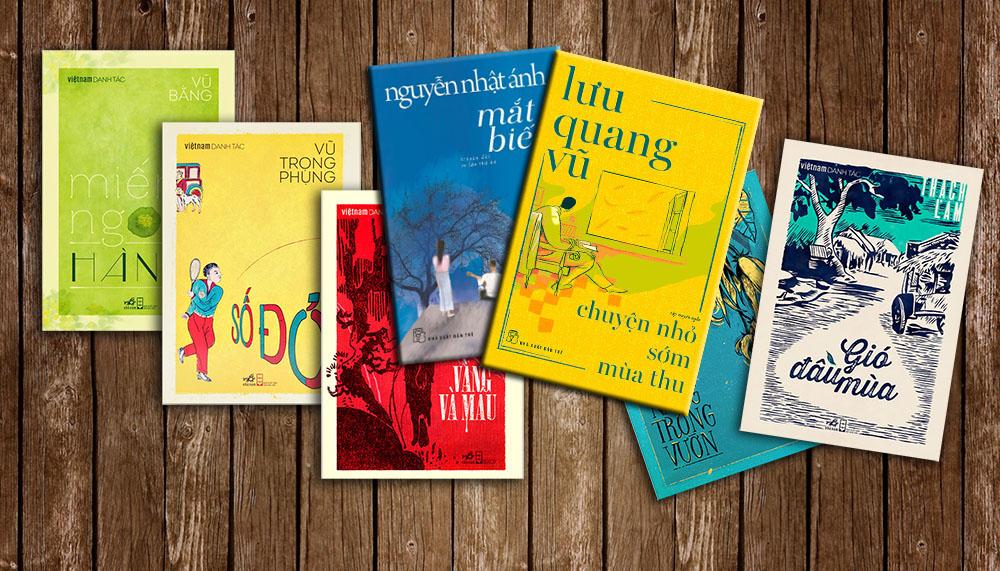
Literature reflects the essence of Vietnamese culture (Source: Collected)
2.6. Performing arts
Vietnam’s performing arts, including theater, dance, and music, are a particularly intriguing part of Vietnamese culture and tradition. The development of Vietnamese folk music is deeply connected to agriculture. Water puppetry, a beloved art form of rice farmers in the Red River Delta, is typically performed during festivals. Alongside water puppetry, traditional arts like Cheo, Tuong, and Cai Luong add richness to Vietnamese theater. Since the early 20th century, modern Vietnamese theater has embraced influences from the West, incorporating drama, comedy, circus, magic, dance, ballet, and opera, making it even more vibrant.

Exploring Vietnam’s culture and customs through the art of water puppetry (Source: Collected)
2.7. Vietnamese culture on clothing
Most ethnic groups in Vietnam have distinct traditional costumes that vividly reflect their unique cultural identities. These garments often feature intricate patterns, vibrant colors, and specific designs. Through their clothing, these ethnic groups preserve and celebrate their tradition, creating a visual tapestry of Vietnam’s culture.
The Vietnamese national dress is ao dai, a silk tunic with pants worn by both women and men. Other traditional Vietnamese outfits include Ao ba ba, Ao tu than, Ao cham, and traditional clothing from ethnic groups such as the Hmong, Dao, Cham, Khmer, and Ede. Since the 20th century, Vietnamese people have also embraced contemporary fashion styles around the world.

Ao dai is often worn on special occasions in Vietnamese culture (Source: Collected)
Read more: Daily life in Vietnam: A window into everyday practices
2.8. Architecture
Vietnam’s architecture is a testament to its rich heritage. The feudal period saw the rise of temples, pagodas, and communal Vietnamese houses adorned with intricate carvings and elaborate decorations. The colonial period brought a fusion of European and Vietnamese elements, evident in buildings characterized by yellow walls, red tile roofs, and spacious verandas. Today, Vietnamese architects blend tradition and innovation, creating structures that integrate modernity.
Visiting Vietnam, tourists should not miss out on famous architectural landmarks such as the Temple of Literature (Hanoi), the One Pillar Pagoda (Hanoi), the Imperial City (Hue), My Son Sanctuary (Quang Nam), Hoi An Ancient Town (Quang Nam), Independence Palace (Ho Chi Minh City), Bitexco Financial Tower (Ho Chi Minh City), and Landmark 81 (Ho Chi Minh City).

Vietnam’s architecture blends traditional and modern influences (Source: Collected)
2.9. Martial arts
Martial arts in Vietnamese culture hold a deep significance, embodying both physical prowess and philosophical principles. It encompasses a variety of styles, each with its own techniques and origins rooted in ancient combat traditions. Over centuries, Vietnamese martial arts have been passed down through generations, contributing to the country’s cultural heritage and serving as a source of national pride.
Mentioning Vietnam’s martial arts, one cannot overlook Vovinam, an art which has developed strongly worldwide with the participation of over 2 million practitioners from nearly 70 countries and territories. It combines intricate techniques of wrestling and martial arts from China, South Korea, and Japan. Built on the principle of using softness to conquer hardness, this art also teaches practitioners how to handle weapons with bare hands, employing counterattacks, locks, and effective grappling techniques.

Vietnamese martial arts combine flexibility, strength, and precision in each strike (Source: Collected)
More on: Best things to do in Vietnam: 35+ incredible activities for your itinerary
2.10. Public holidays and festivals
The diverse culture of Vietnam is showcased through numerous festivals, which serve as vibrant demonstrations of the belief and tradition of Vietnamese people. These festivals are held at various times throughout the year, often centered around springtime, reflecting the customs of different ethnic groups. During these festivals, religious ceremonies, cultural practices, and communal activities are vividly reenacted.
Vietnamese festivals are typically held to worship deities, observe ancestral rites, commemorate heroes, pay homage to pioneers who expanded the country’s borders, and honor ancestors of diverse professions. Therefore, when visiting Vietnam, visitors should consider participating in popular festivals such as Tet Nguyen Dan (Lunar New Year), Trung Thu (Mid-Autumn Festival), Hung King Temple Festival, Hoi An Lantern Festival, and Ba Chua Xu Temple Festival to gain a deeper understanding of Vietnamese culture.

Vietnamese traditional festivals play a central role in daily life (Source: Collected)
Vietnamese holidays are a vibrant reflection of its cultural tapestry and historical development. From traditional holidays like the Lunar New Year and Mid-Autumn Festival to national commemorations such as the Independence Day and Reunification Day, each holiday holds special significance in Vietnamese culture. These occasions are marked by lively festivities, traditional rituals, and familial gatherings, offering a glimpse into the traditions and values that define Vietnam.
Vietnam’s culturally rich landscapes offer visitors ample opportunities to immerse themselves in stunning natural beauty and engage in a variety of unique activities. The country boasts a range of globally acclaimed destinations, such as Hanoi, Hoi An, Nha Trang, and Phu Quoc, which draw travelers from all corners of the world.
For an exciting journey in Vietnam, take your time to explore VinWonders – a chain of prestigious entertainment complexes in the country. These are just a few of what VinWonders has to offer:
- VinWonders Nam Hoi An invites visitors to indulge in an array of thrilling games and cultural shows, set amidst the serene landscapes of Central Vietnam.
- VinWonders Nha Trang offers an exciting blend of water fun and land entertainment, perfect for families and adventure seekers alike.
- VinWonders Phu Quoc captivates with its tropical charm, featuring all sorts of immersive experiences for a day of excitement.
- Vinpearl Safari Phu Quoc provides a unique safari adventure, where visitors can observe wildlife in their natural habitats surrounded by lush greenery.

Indulge in the captivating games and shows at VinWonders
Book tickets of VinWonders Phu Quoc, Nha Trang, Nam Hoi An to have lots of fun in Vietnam!
Vietnamese culture is a captivating tapestry of history, traditions, and values that continue to thrive in the modern world. For culture travelers seeking an enriching experience, Vietnam offers a treasure trove of opportunities to immerse themselves in heritage. By embracing traditional Vietnamese culture, travelers will not only gain a deeper appreciation for Vietnam but also form lasting connections with the heart and soul of this enchanting country.
Grab the hottest deals at VinWonders
Best-selling products
![[VinWonders Nha Trang] - VinWonders Admission Ticket & Buffet service](http://booking-static.vinpearl.com/tours/d1425f018b3e4d2d833374b5b52d8bb9_Hinh-anh-VinWonders-Nha-Trang-The-World-Garden-Lau-vong-canh-3x2-so-1_vinwonders-nha-trang-ve-vao-cua-sau-16h.jpg)
![[VinWonders Phu Quoc] - Standard Entrance Ticket](http://booking-static.vinpearl.com/tours/0dd25afc61ad45d48486bbd3b9c8a96a_tieu%20chuan%201_vinwonders-phu-quoc-ve-vao-cua.jpg)
![[VinWonders Vu Yen] - [04 Adults] - Admission to Zoo + Games + Free Tote Bag](http://booking-static.vinpearl.com/tours/34488b227a3648e5b73d4aa6d6d36b46_DO__8153_vinwonders-nha-trang-ve-vao-cua-2-chieu.jpg)
![[Hon Tam] - [Zone A] - Mud Bath + Lunch Combo](http://booking-static.vinpearl.com/tours/5debd1efb6d34e42a88efa65354c8c72_ebdde60fd9a44539afe75c9338ec8a3d_ảnh%205_tam-bun-hon-tam.jpg)

![[Vinpearl Harbour] - Round-trip Cable Car Ticket](http://booking-static.vinpearl.com/tours/3cbd16b8edc74f6abc7f7cfa0e91caec_VPHB_Photos15_vinwonders-nha-trang-ve-vao-cua-2-chieu.jpg)
![[Aquafield] - [Male] - 4-hour Korean Sauna](http://booking-static.vinpearl.com/tours/94abeb55e3d54efbac23f7a862445389_0d72b531dd6749bbac2874b915ab0512_Screenshot_8_aquafield-nha-trang_aquafield-nha-trang.png)
![[Aquafield Ocean City] [Male] – Standard Jjimjilbang Sauna Ticket](http://booking-static.vinpearl.com/tours/0be276c684454e8d969c373f35f6be97_DSC_2127_11zon_aquafield-nha-trang.jpg)
![[Vinpearl Harbour] - Round-trip Cable Car Ticket | Free Wishing Coin Voucher](http://booking-static.vinpearl.com/tours/e584c2f486d246c5820a19f519d184a4_VPHB_Photos15_vinwonders-nha-trang-ve-vao-cua-2-chieu.jpg)
![[VinWonders Nam Hoi An] Entrance Ticket After 2:00 PM](http://booking-static.vinpearl.com/tours/6c002e3ea71642f38eda8efa8654e5e4_vwnha0_vinwonders-nam-hoi-an-ve-vao-cua.jpg)
![[Grand Park] Adventure Express](http://booking-static.vinpearl.com/tours/eeb9a602315342ccbc7965b29cfb0db0_Ảnh%20màn%20hình%202025-03-03%20lúc%2015.00.17_vinwonders-nam-hoi-an-ve-vao-cua.png)
![[01 Day Combo] - Admission to Vinpearl Safari + VinWonders Phu Quoc](http://booking-static.vinpearl.com/tours/ceb77f9174d845ebb2fd3dfe2b846066_3%20copy_vinwonders-nam-hoi-an-ve-vao-cua.jpg)
![[Grand World Phu Quoc] [Ultimate Combo] - Water Taxi + Teddy Bear Museum + Grand Show](http://booking-static.vinpearl.com/tours/e31a9e66b5444808bba3e3114d195559_VENICE%20ALL%20IN%20ONE%20KV%20(1)_ve-bao-tang-gau-teddy-bear.jpg)
![[Aquafield Ocean City] [Male] – VIP Membership (12 Months)](http://booking-static.vinpearl.com/tours/6ab10678fcbd4822a8fddb0590d3bcbf_0d72b531dd6749bbac2874b915ab0512_Screenshot_8_aquafield-nha-trang_aquafield-nha-trang.png)
![[Grand World Phu Quoc] - The Quintessence of Vietnam Show](http://booking-static.vinpearl.com/tours/f88e2be1139b4eada4043eb7f0e39362_THVN1_show-tinh-hoa-viet-nam.jpg)
![[-30%] The Quintessence of Vietnam Show](http://booking-static.vinpearl.com/tours/6cee2bcb52a447009f64771095d03c9e_Screenshot%202024-10-22%20at%2014.49.18_ve-bao-tang-gau-teddy-bear.png)
![[Vinpearl Aquarium Times City] Entrance Ticket](http://booking-static.vinpearl.com/tours/8702a10bf2934d6299df65669a290679_aquarium%20times%20city%203_thuy-cung-vinpearl-aquarium-times-city.jpg)
![[VinWonders Vu Yen] - Admission Ticket to Games zone (after 5:00 PM)](http://booking-static.vinpearl.com/tours/edbd3eb4bc9848aead9940e0f5aa050d_fa21c62dfa9644ada0c3fce89b3e79ff_DO__8711_vinwonders-vu-yen-vuon-thu-khu-tro-choi-sau-17h.jpg)
![[Aquafield] - Round-trip Cable Car + Korean Sauna + Body Scrub](http://booking-static.vinpearl.com/tours/d00bc95eb402434c8f4a4756c2a3ad3d_Akoya-spa-Villa-Vinpearl-Resort-Spa-Phu-Quoc-12_aquafield-nha-trang.jpg)
![[Grand World] Carousel Ride](http://booking-static.vinpearl.com/tours/0d6a4bcfc2a54fd4aa9df0b38ae8c7b6_A2-4-jpeg-2640-1687438608_grandworld.jpg)
![[Nha Trang Passport] – [01 day] – Snorkeling Tour + Lunch & Mud Bath at Hon Tam + Vinpearl Harbour + Tata Show](http://booking-static.vinpearl.com/tours/f6b1826759674c9c9d3f074e03fa04ba_snorkeling%201_vinwonders-nha-trang-ve-vao-cua-2-chieu.jpg)
![[Grand Park] Water Park + Dream Garden Outdoor Games Combo](http://booking-static.vinpearl.com/tours/35566b714d4c4dd9802a6bf4650ac2b1_khu-vui-choi-cua-hoi-9_vinwonders-nam-hoi-an-ve-vao-cua.jpg)
![[VinWonders Phu Quoc] - Game Fastpass - Top 04 Rides](http://booking-static.vinpearl.com/tours/574c2b7798524c17a08f28feb80d45b5_fastpass%204%20games%20vwpq_vinwonders-phu-quoc-fastpass.jpg)
![[-10%] - VIP River Safari Ticket*](http://booking-static.vinpearl.com/tours/5d3ee19e977446be8917a34697bb9443_ece6e58a02fd48de9eba9d3f4689f77a_Hinh-anh-VinWonders-Nam-Hoi-An-River-Safari-3x2-so-1%20(1)_vinwonders-nam-hoi-an-ve-vao-cua_vinwonders-nam-hoi-an-ve-vao-cua.jpg)
![[VinWonders Vu Yen] - Admission Ticket to Zoo + Games + Buffet](http://booking-static.vinpearl.com/tours/b2cd8cf6b14c48459b21393e14d73163_vwvy%201_vinwonders-nha-trang-ve-vao-cua-2-chieu.jpg)
![[Buggy Combo] - VinWonders Phu Quoc + Buggy + Free Ice Cream](http://booking-static.vinpearl.com/tours/0fc52a574094489da612d0f36bb4b1e6_buggy%20kem_vinwonders-phu-quoc-ve-vao-cua-tet-vi-vu.jpg)
![[VinWonders Nha Trang] - 01-day Unlimited Admission Ticket | Free F&B Voucher](http://booking-static.vinpearl.com/tours/ccf23087ea0f419980c411d0e79c10fb_88c594a8352d49e7b031b9fbd5c5d27f_tro-choi-mao-hiem-o-vinpearl-nha-trang-thumb-1_vinwonders-nha-trang-khong-gioi-han-2-ngay_vinwonders-nam-hoi-an-ve-vao-cua.jpg)
![[VinWonders Nha Trang] - Admission to VinWonders after 4:00 PM](http://booking-static.vinpearl.com/tours/de2da6d471b34297ab13cb26ef2da9a0_Hinh-anh-VinWonders-Nha-Trang-The-World-Garden-Lau-vong-canh-3x2-so-1_vinwonders-nha-trang-ve-vao-cua-sau-16h.jpg)
![[Buggy Combo] - VinWonders Phu Quoc + Buggy + FREE: Ice Cream + Meal Voucher](http://booking-static.vinpearl.com/tours/877d8a3289a246d18f95aa5cc414f6d6_27be58d21e244664bf34d11d72e77860_Castle_vinwonders-phu-quoc-ve-vao-cua_vinwonders-phu-quoc-ve-vao-cua.jpg)
![[Hon Tam] - [Zone A] - Standard Mud Bath](http://booking-static.vinpearl.com/tours/9db66a615a7d4f119316b338afff30cb_tam-bun-dao-hon-tam_httpswwwhontammudbathvnwp-contentuploadssites2720190625-3-2200x700jpg.jpg)
![[Nha Trang Passport] - [Half-Day] - Cable Car + Aquafield Sauna (2 hours) + Tata Show](http://booking-static.vinpearl.com/tours/ef49c187eadf4177b425d2bb85a18b30_200dd4dda03e45e0a1add52e4acc11fa_NHT_1796_ve-xem-tata-show-vinwonders-nha-trang.jpg)
![[Nha Trang Passport] - [Half-Day] - Cable Car + Aquafield Sauna (2 hours) + Tata Show](http://booking-static.vinpearl.com/tours/c3bae84e472b42078ca3ff6f28d55d80_1c5968412aca409fa8571c88cc85a4ba_aqf%205_aquafield-nha-trang.jpg)
![[VinWonders Phu Quoc] - Entrance Ticket + Gate Fastpass + Buggy](http://booking-static.vinpearl.com/tours/de2a24896b0e49469fa1e89e93aa5314_1920x1080%20VWPQ%20KV_vinwonders-phu-quoc-standard-entrance-ticket.jpg)
![[VinWonders Cua Hoi] - Tropical Paradise Water Park (9:00AM - 6:00PM)](http://booking-static.vinpearl.com/tours/aa8379d6db3a4f5c9df6d78d53177c35_11-E-Ticket-Vinwonder-Cua-Hoi_23072024111407_vinwonders-nam-hoi-an-ve-vao-cua.jpg)
![[Vinpearl Aquarium Times City] Entrance Ticket](http://booking-static.vinpearl.com/tours/e7fcffc8256546e8bdcfd5ccfbe69783_VINKE2%20(1)_vinke-ve-vao-cua-truc-tiep.jpg)
![[Hon Tam] - [Zone A&B] - Full island entertainment + Mud Bath Zone A + Lunch](http://booking-static.vinpearl.com/tours/af991883d63f4133b62b76551ba2444d_tam-bun-dao-hon-tam_httpswwwhontammudbathvnwp-contentuploadssites2720190625-3-2200x700jpg.jpg)
![[Aquafield] - [Male] - Round-trip Cable Car + 4-hour Korean Sauna](http://booking-static.vinpearl.com/tours/625529980f3249e6b0491cddfc30db43_297be2477c5847748ef3bc08603ebf90_aqf%204_aquafield-nha-trang.jpg)
![[-50%] [VinWonders Wave Park] Standard Admission Ticket to Wave Park](http://booking-static.vinpearl.com/tours/f949b31af919495c9b4e111237642763_358600999_111579731994757_433244877993048710_n_vinwonders-ha-noi.jpg)
![[VinWonders Nam Hoi An] - Standard Admission Ticket](http://booking-static.vinpearl.com/tours/81813f8ced2c466e82ad53f1c29c1904_tour-kham-pha-van-hoa-viet-vinwonders-nam-hoi-an-668ca102bcc29_vinwonders-nam-hoi-an-ve-vao-cua.jpg)
![[Aquafield] - [Male] - 4-hour Korean Sauna](http://booking-static.vinpearl.com/tours/4ae60d29ea264f8fab17beb6b4415502_aqf-da-muoi_aquafield-nha-trang-xong-hoi-chuan-han.jpg)
![[Nam Hoi An Signature] VinWonders Ticket + VIP Safari Package | FREE Merchandise Gift](http://booking-static.vinpearl.com/tours/881ac31c4a2b4687a59f412901e85b2c_VIN2725_-08746%20(2)_vinwonders-nam-hoi-an-ve-vao-cua.jpg)
![[Onsite service] - Premium VIP Zoo Tour Vinpearl Safari Phu Quoc](http://booking-static.vinpearl.com/tours/ff1e4b66ec1b46edad0c0460144e70ad_VINPEARL%20SAFARI%20PHU%20QUOC%20%20(51)_vinwonders-nam-hoi-an-ve-vao-cua.jpg)
![[Vinpearl Harbour] - Admission to VinWonders (after 4:00PM) & Round trip cable car](http://booking-static.vinpearl.com/tours/4b2d76bbde1f4c54a43370680d311928_Hinh-anh-VinWonders-Nha-Trang-The-World-Garden-Lau-vong-canh-3x2-so-1_vinwonders-nha-trang-ve-vao-cua-sau-16h.jpg)
![[Aquafield] - [Female] - 4-hour Korean Sauna](http://booking-static.vinpearl.com/tours/0e6fe24c37b84cb799b94dae70578054_aqf-suong-may-2048x1365_aquafield-nha-trang-xong-hoi-chuan-han.jpg)
![[Grand World Phu Quoc] - Water Taxi Boat + Teddy Bear Museum](http://booking-static.vinpearl.com/tours/add2e0908faa4289b555856472b181be_VENICE%20ALL%20IN%20ONE%20KV%20(1)_ve-bao-tang-gau-teddy-bear.jpg)
![[50% Student Discount] – VinWonders Admission Ticket](http://booking-static.vinpearl.com/tours/43126c168bb04853bf7c93e197db724a_Banner%201200x628_vinwonders-nha-trang-ve-vao-cua-2-chieu.jpg)
![[VinWonders Cua Hoi] - Indoor Games Zone](http://booking-static.vinpearl.com/tours/b952de18058e4a67a8ffa52f2039e7d2_1920-x-1080-double%20day%20sale%2077%20no%20text_vinwonders-nam-hoi-an-ve-vao-cua.jpg)
![[Aquafield Ocean City] – VIP Membership (12 Months)](http://booking-static.vinpearl.com/tours/3c2f7ab0ed374cb1bbdb2e54e6d6eb9a_e1f2756dfec346f3bb3b16e296b3b166_Screenshot_5_aquafield-nha-trang_aquafield-nha-trang.png)
![[VinWonders Nam Hoi An] [Sunset Premium] Admission Ticket & Buggy Ride & VIP Safari Package & Afternoon Tea Set](http://booking-static.vinpearl.com/tours/3a1e510945b4421d861fede29a1b3e58_xE3mXzIVwTdZRf7M8zZfHqHIPqV17uyEOzL8PaUQ_vinwonders-nam-hoi-an-ve-vao-cua.jpg)
![[Aquafield] - 2-hour Aquafield Sauna + 30-min Spa](http://booking-static.vinpearl.com/tours/b0bf65880af449f39ea19fa0acbb94d5_34d71a9c3e6b4b7484f9d7cbbc935c26_200dd4dda03e45e0a1add52e4acc11fa_NHT_1796_ve-xem-tata-show-vinwonders-nha-trang_ve-xem-tata-show-vinwonders-nha-trang.jpg)
![[VinWonders Cua Hoi] - Cable Car + Games on the Island](http://booking-static.vinpearl.com/tours/63c924f8521a4af981666076c5c3b0fe_VinWonders%20Cua%20Hoi%20Summer%20Say%20Hi%20Banner%201920x920px_vinwonders-nam-hoi-an-ve-vao-cua.jpg)