en
en


 Tiếng Việt
  中文 (中国)
  한국어
한국어  Русский


 28/11/2024
 1.420 views
1. Where is Con Dao Prison? What is it famous for?
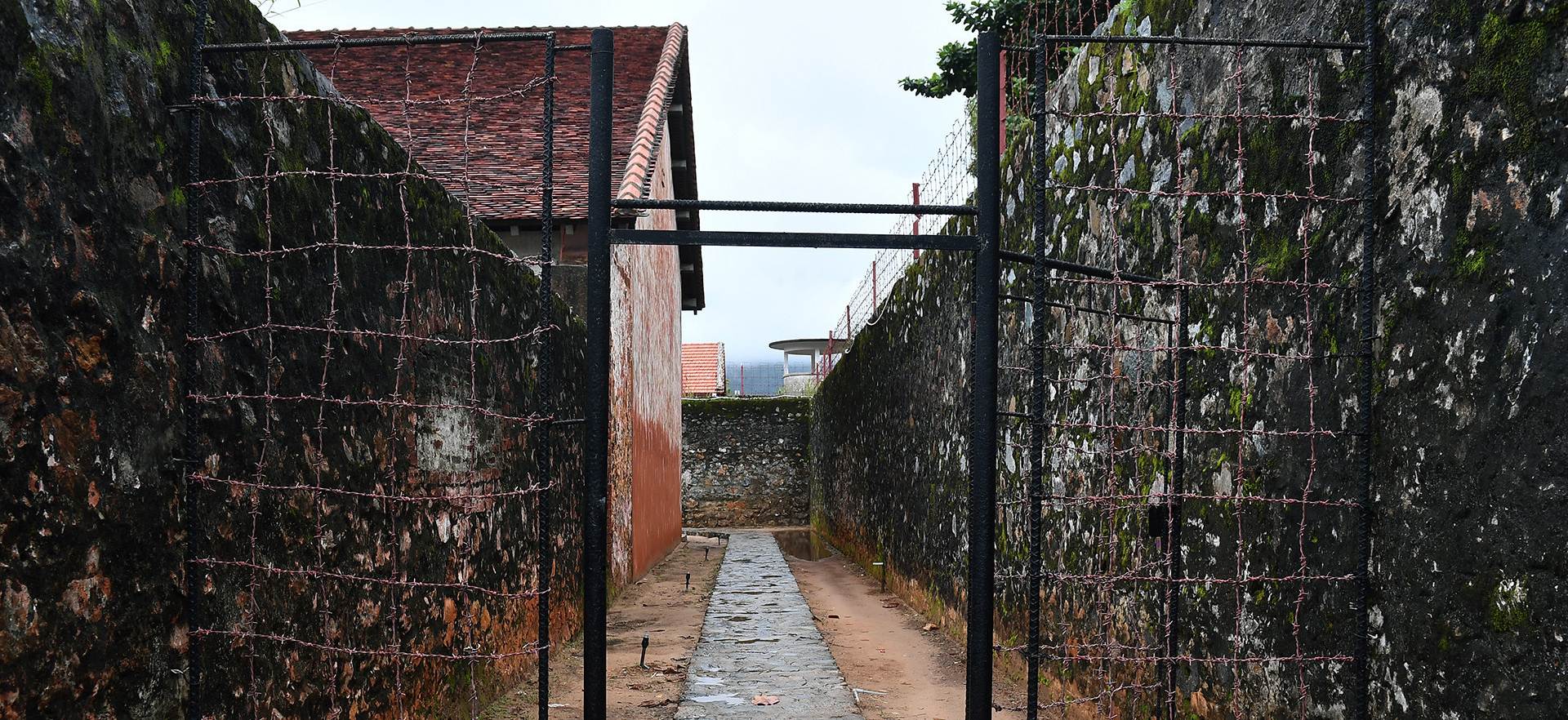
Con Dao Prison, located on Con Dao Island of Ba Ria – Vung Tau Province, is famous as Vietnam’s oldest and largest prison complex. This historic site encompasses several prison facilities and cemeteries, where French and American forces once brutally detained political prisoners.
Known for its harsh conditions, the prison system was notorious for forced labor, torture, and executions of revolutionary fighters. Despite these hardships, Con Dao Prison became a “Communist School,” where resilient prisoners inspired future generations with their unwavering patriotism and spirit, leaving a profound legacy for Vietnamese history and independence.
In 2012, Con Dao Prison was designated as a special national relic (Source: Collected)
2. Things to know about the history of Con Dao Prison
Con Dao Prison in Vietnam was officially established on February 1, 1862, by Governor Bonard of Cochinchina, chosen by the French due to its isolated island location, which made escape nearly impossible. Throughout its history, the French colonial government and the Republic of Vietnam (South Vietnam) constructed a vast prison complex, including 127 cells, 42 solitary confinement rooms, and 504 infamous Con Dao prison tiger cages for extreme punishment.
Following Vietnam’s reunification in 1975, Con Dao Prison ceased operations. Recognizing its profound historical, cultural, and scientific value, the Con Dao Prison Complex was classified as a national relic by the Ministry of Culture in 1979, and in 2012, it received designation as a special national relic.
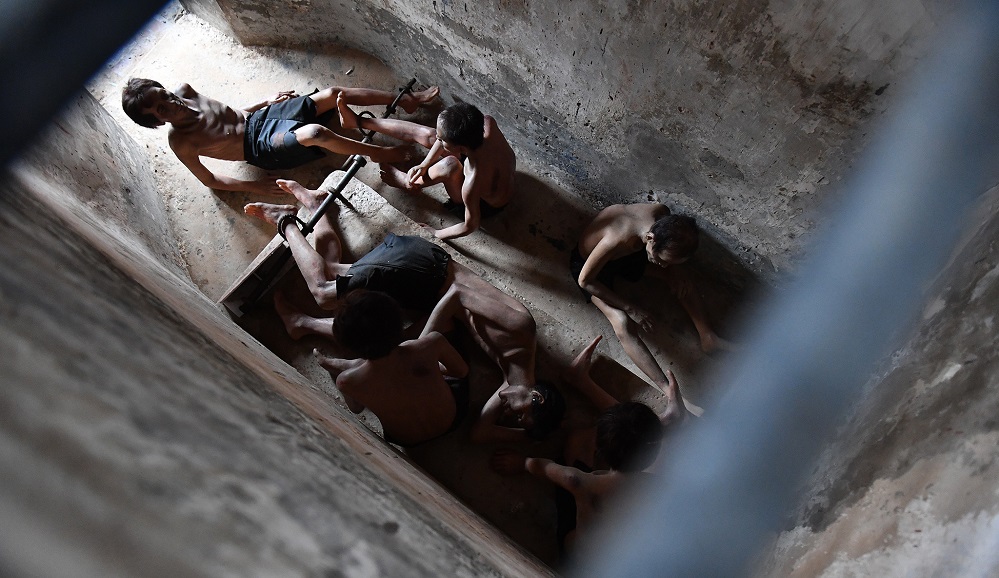
For over 100 years, around 20,000 patriotic Vietnamese were imprisoned, tortured, and sacrificed in this prison (Source: Collected)
Best-selling products
![[Vinpearl Harbour] - Round-trip Cable Car Ticket](http://booking-static.vinpearl.com/tours/3cbd16b8edc74f6abc7f7cfa0e91caec_VPHB_Photos15_vinwonders-nha-trang-ve-vao-cua-2-chieu.jpg)
![[Onsite service] - VIP Zoo Tour Vinpearl Safari Phu Quoc](http://booking-static.vinpearl.com/tours/ceb77f9174d845ebb2fd3dfe2b846066_3%20copy_vinwonders-nam-hoi-an-ve-vao-cua.jpg)
![[Vinpearl Aquarium Times City] Entrance Ticket](http://booking-static.vinpearl.com/tours/8702a10bf2934d6299df65669a290679_aquarium%20times%20city%203_thuy-cung-vinpearl-aquarium-times-city.jpg)
![[Onsite service] - Premium VIP Zoo Tour Vinpearl Safari Phu Quoc](http://booking-static.vinpearl.com/tours/ff1e4b66ec1b46edad0c0460144e70ad_VINPEARL%20SAFARI%20PHU%20QUOC%20%20(51)_vinwonders-nam-hoi-an-ve-vao-cua.jpg)
![[Grand World Phu Quoc] [Ultimate Combo] - Water Taxi + Teddy Bear Museum + Grand Show](http://booking-static.vinpearl.com/tours/e31a9e66b5444808bba3e3114d195559_VENICE%20ALL%20IN%20ONE%20KV%20(1)_ve-bao-tang-gau-teddy-bear.jpg)
![[Nha Trang Passport] - [Half-Day] - Cable Car + Aquafield Sauna (2 hours) + Tata Show](http://booking-static.vinpearl.com/tours/ef49c187eadf4177b425d2bb85a18b30_200dd4dda03e45e0a1add52e4acc11fa_NHT_1796_ve-xem-tata-show-vinwonders-nha-trang.jpg)
![[-10%] [Times City Hanoi] - Combo Aquarium Admission Ticket + F&B Set](http://booking-static.vinpearl.com/tours/e7fcffc8256546e8bdcfd5ccfbe69783_VINKE2%20(1)_vinke-ve-vao-cua-truc-tiep.jpg)
![[VinGroup Employees] Standard Admission Ticket to Ocean Park 3 Water Park](http://booking-static.vinpearl.com/tours/f949b31af919495c9b4e111237642763_358600999_111579731994757_433244877993048710_n_vinwonders-ha-noi.jpg)
![[VinWonders Cua Hoi] - Cable Car + Games on the Island](http://booking-static.vinpearl.com/tours/63c924f8521a4af981666076c5c3b0fe_VinWonders%20Cua%20Hoi%20Summer%20Say%20Hi%20Banner%201920x920px_vinwonders-nam-hoi-an-ve-vao-cua.jpg)
![[Nam Hoi An Signature] VinWonders Ticket + VIP Safari Package | FREE Merchandise Gift](http://booking-static.vinpearl.com/tours/881ac31c4a2b4687a59f412901e85b2c_VIN2725_-08746%20(2)_vinwonders-nam-hoi-an-ve-vao-cua.jpg)
![[Grand Park] Celestial Swing](http://booking-static.vinpearl.com/tours/eeb9a602315342ccbc7965b29cfb0db0_Ảnh%20màn%20hình%202025-03-03%20lúc%2015.00.17_vinwonders-nam-hoi-an-ve-vao-cua.png)
![[VinWonders Nha Trang] - Admission to VinWonders after 4:00 PM](http://booking-static.vinpearl.com/tours/de2da6d471b34297ab13cb26ef2da9a0_Hinh-anh-VinWonders-Nha-Trang-The-World-Garden-Lau-vong-canh-3x2-so-1_vinwonders-nha-trang-ve-vao-cua-sau-16h.jpg)
![[VinWonders Cua Hoi] - Indoor Games Zone](http://booking-static.vinpearl.com/tours/b952de18058e4a67a8ffa52f2039e7d2_1920-x-1080-double%20day%20sale%2077%20no%20text_vinwonders-nam-hoi-an-ve-vao-cua.jpg)
![[01 Day Combo] - Admission to VinWonders + Vinpearl Safari Phu Quoc](http://booking-static.vinpearl.com/tours/877d8a3289a246d18f95aa5cc414f6d6_27be58d21e244664bf34d11d72e77860_Castle_vinwonders-phu-quoc-ve-vao-cua_vinwonders-phu-quoc-ve-vao-cua.jpg)
![[VinWonders Nha Trang] - Sunset Combo: Admission to VinWonders after 4:00 PM + Dinner Buffet](http://booking-static.vinpearl.com/tours/d1425f018b3e4d2d833374b5b52d8bb9_Hinh-anh-VinWonders-Nha-Trang-The-World-Garden-Lau-vong-canh-3x2-so-1_vinwonders-nha-trang-ve-vao-cua-sau-16h.jpg)
![[VinWonders Cua Hoi] Round-Trip Cable Car + Water Park + Buffet Voucher worth VND 125,000](http://booking-static.vinpearl.com/tours/aa8379d6db3a4f5c9df6d78d53177c35_11-E-Ticket-Vinwonder-Cua-Hoi_23072024111407_vinwonders-nam-hoi-an-ve-vao-cua.jpg)
![[Hon Tam] - [Zone A&B] - Full island entertainment + Mud Bath Zone A + Lunch](http://booking-static.vinpearl.com/tours/af991883d63f4133b62b76551ba2444d_tam-bun-dao-hon-tam_httpswwwhontammudbathvnwp-contentuploadssites2720190625-3-2200x700jpg.jpg)
![[Aquafield] - [Male] - Round-trip Cable Car + 4-hour Korean Sauna](http://booking-static.vinpearl.com/tours/625529980f3249e6b0491cddfc30db43_297be2477c5847748ef3bc08603ebf90_aqf%204_aquafield-nha-trang.jpg)
![[Aquafield] - [Female] - Round-trip Cable Car + 4-hour Korean Sauna](http://booking-static.vinpearl.com/tours/c3bae84e472b42078ca3ff6f28d55d80_1c5968412aca409fa8571c88cc85a4ba_aqf%205_aquafield-nha-trang.jpg)
![[Aquafield] - [Female] - 4-hour Korean Sauna](http://booking-static.vinpearl.com/tours/0e6fe24c37b84cb799b94dae70578054_aqf-suong-may-2048x1365_aquafield-nha-trang-xong-hoi-chuan-han.jpg)
![[VinWonders Nha Trang] - 01-day Unlimited Admission Ticket | Free F&B Voucher](http://booking-static.vinpearl.com/tours/ccf23087ea0f419980c411d0e79c10fb_88c594a8352d49e7b031b9fbd5c5d27f_tro-choi-mao-hiem-o-vinpearl-nha-trang-thumb-1_vinwonders-nha-trang-khong-gioi-han-2-ngay_vinwonders-nam-hoi-an-ve-vao-cua.jpg)
![[VinWonders Nam Hoi An] - Standard Admission Ticket](http://booking-static.vinpearl.com/tours/6c002e3ea71642f38eda8efa8654e5e4_vwnha0_vinwonders-nam-hoi-an-ve-vao-cua.jpg)
![[Grand World Phu Quoc] - Venice Water Taxi Ticket](http://booking-static.vinpearl.com/tours/6cee2bcb52a447009f64771095d03c9e_Screenshot%202024-10-22%20at%2014.49.18_ve-bao-tang-gau-teddy-bear.png)
![[-30% Grand Opening] [Aquafield Ocean City] – Standard Jjimjilbang Sauna Ticket for Female](http://booking-static.vinpearl.com/tours/94abeb55e3d54efbac23f7a862445389_0d72b531dd6749bbac2874b915ab0512_Screenshot_8_aquafield-nha-trang_aquafield-nha-trang.png)
![[VinWonders Vu Yen] - Admission Ticket to Games zone (after 5:00 PM)](http://booking-static.vinpearl.com/tours/edbd3eb4bc9848aead9940e0f5aa050d_fa21c62dfa9644ada0c3fce89b3e79ff_DO__8711_vinwonders-vu-yen-vuon-thu-khu-tro-choi-sau-17h.jpg)
![[Nha Trang Passport] - [Half-Day] - Cable Car + Aquafield Sauna (2 hours) + Tata Show](http://booking-static.vinpearl.com/tours/b0bf65880af449f39ea19fa0acbb94d5_34d71a9c3e6b4b7484f9d7cbbc935c26_200dd4dda03e45e0a1add52e4acc11fa_NHT_1796_ve-xem-tata-show-vinwonders-nha-trang_ve-xem-tata-show-vinwonders-nha-trang.jpg)
![[VinWonders Vu Yen] - [04 Adults] - Admission to Zoo + Games + Free Tote Bag](http://booking-static.vinpearl.com/tours/34488b227a3648e5b73d4aa6d6d36b46_DO__8153_vinwonders-nha-trang-ve-vao-cua-2-chieu.jpg)
![[VinWonders Phu Quoc] - Entrance Ticket + Gate Fastpass + Buggy](http://booking-static.vinpearl.com/tours/de2a24896b0e49469fa1e89e93aa5314_1920x1080%20VWPQ%20KV_vinwonders-phu-quoc-standard-entrance-ticket.jpg)
![[Grand Park] Dream Garden Outdoor Games Pass](http://booking-static.vinpearl.com/tours/35566b714d4c4dd9802a6bf4650ac2b1_khu-vui-choi-cua-hoi-9_vinwonders-nam-hoi-an-ve-vao-cua.jpg)
![[Aquafield Ocean City] [Male] – Standard Jjimjilbang Sauna Ticket](http://booking-static.vinpearl.com/tours/0be276c684454e8d969c373f35f6be97_DSC_2127_11zon_aquafield-nha-trang.jpg)
![[Vinpearl Harbour] - Admission to VinWonders (after 4:00PM) & Round trip cable car](http://booking-static.vinpearl.com/tours/4b2d76bbde1f4c54a43370680d311928_Hinh-anh-VinWonders-Nha-Trang-The-World-Garden-Lau-vong-canh-3x2-so-1_vinwonders-nha-trang-ve-vao-cua-sau-16h.jpg)
![[VinWonders Phu Quoc] - Standard Entrance Ticket](http://booking-static.vinpearl.com/tours/0dd25afc61ad45d48486bbd3b9c8a96a_tieu%20chuan%201_vinwonders-phu-quoc-ve-vao-cua.jpg)
![[VinWonders Vu Yen] - Admission Ticket to Zoo + Games + Water Park](http://booking-static.vinpearl.com/tours/b2cd8cf6b14c48459b21393e14d73163_vwvy%201_vinwonders-nha-trang-ve-vao-cua-2-chieu.jpg)
![[Hon Tam] - [Zone A] - Mud Bath + Lunch Combo](http://booking-static.vinpearl.com/tours/5debd1efb6d34e42a88efa65354c8c72_ebdde60fd9a44539afe75c9338ec8a3d_ảnh%205_tam-bun-hon-tam.jpg)
![[Aquafield Ocean City] [Male] – VIP Membership (12 Months)](http://booking-static.vinpearl.com/tours/6ab10678fcbd4822a8fddb0590d3bcbf_0d72b531dd6749bbac2874b915ab0512_Screenshot_8_aquafield-nha-trang_aquafield-nha-trang.png)

![[Buggy Combo] - VinWonders Phu Quoc + Buggy + Free Ice Cream](http://booking-static.vinpearl.com/tours/0fc52a574094489da612d0f36bb4b1e6_buggy%20kem_vinwonders-phu-quoc-ve-vao-cua-tet-vi-vu.jpg)
![[Grand World Phu Quoc] - The Quintessence of Vietnam Show](http://booking-static.vinpearl.com/tours/f88e2be1139b4eada4043eb7f0e39362_THVN1_show-tinh-hoa-viet-nam.jpg)
![[Aquafield Ocean City] – VIP Membership (12 Months)](http://booking-static.vinpearl.com/tours/3c2f7ab0ed374cb1bbdb2e54e6d6eb9a_e1f2756dfec346f3bb3b16e296b3b166_Screenshot_5_aquafield-nha-trang_aquafield-nha-trang.png)
![[Grand World] Carousel Ride](http://booking-static.vinpearl.com/tours/0d6a4bcfc2a54fd4aa9df0b38ae8c7b6_A2-4-jpeg-2640-1687438608_grandworld.jpg)
![[VinWonders Phu Quoc] - Game Fastpass - Top 04 Rides](http://booking-static.vinpearl.com/tours/574c2b7798524c17a08f28feb80d45b5_fastpass%204%20games%20vwpq_vinwonders-phu-quoc-fastpass.jpg)
![[Aquafield] - [Male] - 4-hour Korean Sauna](http://booking-static.vinpearl.com/tours/4ae60d29ea264f8fab17beb6b4415502_aqf-da-muoi_aquafield-nha-trang-xong-hoi-chuan-han.jpg)
![[-10%] - VIP River Safari Ticket*](http://booking-static.vinpearl.com/tours/5d3ee19e977446be8917a34697bb9443_ece6e58a02fd48de9eba9d3f4689f77a_Hinh-anh-VinWonders-Nam-Hoi-An-River-Safari-3x2-so-1%20(1)_vinwonders-nam-hoi-an-ve-vao-cua_vinwonders-nam-hoi-an-ve-vao-cua.jpg)
![[Nha Trang Passport] – [01 day] – Snorkeling Tour + Lunch & Mud Bath at Hon Tam + Vinpearl Harbour + Tata Show](http://booking-static.vinpearl.com/tours/f6b1826759674c9c9d3f074e03fa04ba_snorkeling%201_vinwonders-nha-trang-ve-vao-cua-2-chieu.jpg)
![[VinWonders Nam Hoi An] - Standard Admission Ticket](http://booking-static.vinpearl.com/tours/81813f8ced2c466e82ad53f1c29c1904_tour-kham-pha-van-hoa-viet-vinwonders-nam-hoi-an-668ca102bcc29_vinwonders-nam-hoi-an-ve-vao-cua.jpg)
![[Vinpearl Harbour] - Round-trip Cable Car Ticket | Free Wishing Coin Voucher](http://booking-static.vinpearl.com/tours/e584c2f486d246c5820a19f519d184a4_VPHB_Photos15_vinwonders-nha-trang-ve-vao-cua-2-chieu.jpg)
![[Aquafield] - Round-trip Cable Car + Korean Sauna + Body Scrub](http://booking-static.vinpearl.com/tours/d00bc95eb402434c8f4a4756c2a3ad3d_Akoya-spa-Villa-Vinpearl-Resort-Spa-Phu-Quoc-12_aquafield-nha-trang.jpg)
![[Grand World Phu Quoc] - Water Taxi Boat + Teddy Bear Museum](http://booking-static.vinpearl.com/tours/add2e0908faa4289b555856472b181be_VENICE%20ALL%20IN%20ONE%20KV%20(1)_ve-bao-tang-gau-teddy-bear.jpg)
![[50% Student Discount] – VinWonders Admission Ticket](http://booking-static.vinpearl.com/tours/43126c168bb04853bf7c93e197db724a_Banner%201200x628_vinwonders-nha-trang-ve-vao-cua-2-chieu.jpg)
![[VinWonders Nam Hoi An] [Sunset Premium] Admission Ticket & Buggy Ride & VIP Safari Package & Afternoon Tea Set](http://booking-static.vinpearl.com/tours/3a1e510945b4421d861fede29a1b3e58_xE3mXzIVwTdZRf7M8zZfHqHIPqV17uyEOzL8PaUQ_vinwonders-nam-hoi-an-ve-vao-cua.jpg)
![[Hon Tam] - [Zone A] - Standard Mud Bath](http://booking-static.vinpearl.com/tours/9db66a615a7d4f119316b338afff30cb_tam-bun-dao-hon-tam_httpswwwhontammudbathvnwp-contentuploadssites2720190625-3-2200x700jpg.jpg)
3. Must-visit relics in Con Dao Prison Complex
The Con Dao Prison Complex contains numerous relics that provide a powerful glimpse into Vietnam’s past. Visiting these historical sites reveals the hardships endured by prisoners and the enduring spirit of resistance that defines this landmark.
3.1. The Governor’s Palace
The Governor’s Palace, built in the late 19th century, spans 21,500 square meters and served as the residence and headquarters for 53 island governors, including 39 French and 14 Vietnamese. This site was the center of colonial authority and where oppressive orders and harsh measures against prisoners were issued.
The palace also highlights the contrast between the governors’ luxurious lifestyle and the impoverished conditions endured by the prisoners. Formerly known as “Ong Lon Plantation,” its grounds often saw prisoners forced into labor to support the opulent lives of the governors. This site also holds historic significance as it witnessed the establishment of Con Dao’s first revolutionary government in 1945 and again in 1975.
3.2. The Pier 914
Built in 1873, Pier 914 is a historic site covering 1,400 square meters, where nearly 1,000 prisoners lost their lives to forced labor, transporting massive stones to construct the pier. This location also served as the arrival point for ships carrying prisoners to Con Dao and witnessed brutal beatings intended to intimidate the newly arrived captives. Today, Pier 914 stands as a somber reminder of the suffering endured by those who fought for Vietnam’s independence.
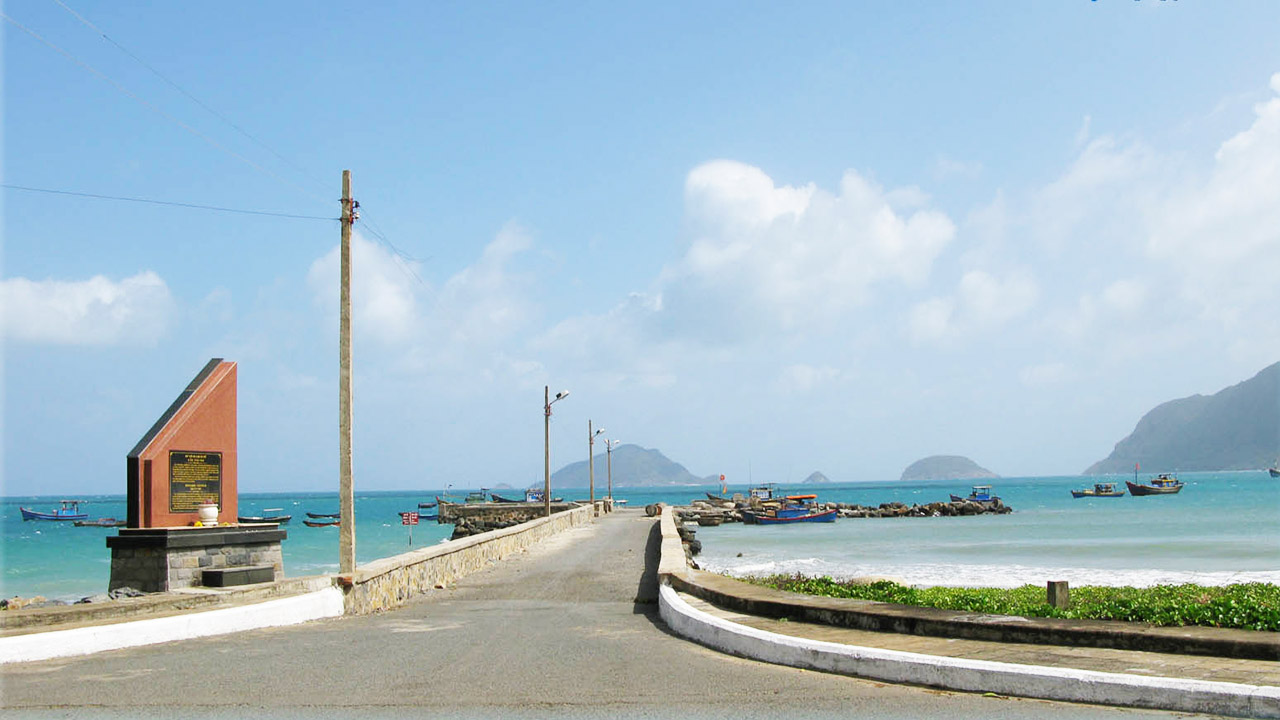
Pier 914 spans 5-8 meters in width, stretches over 300 meters in length, and overlooks Con Son Bay (Source: Collected)
3.3. The system of prisons
The Con Dao prison system comprises multiple camps, including Phu Hai, Phu Son, Phu Tho, Phu Tuong, Phu Phong, Phu An, Phu Binh, Phu Hung, the isolated American Tiger Cages, and several other camps. Initially established by the French in the colonial era to detain revolutionaries and patriots, it was later used by American forces for similar purposes.
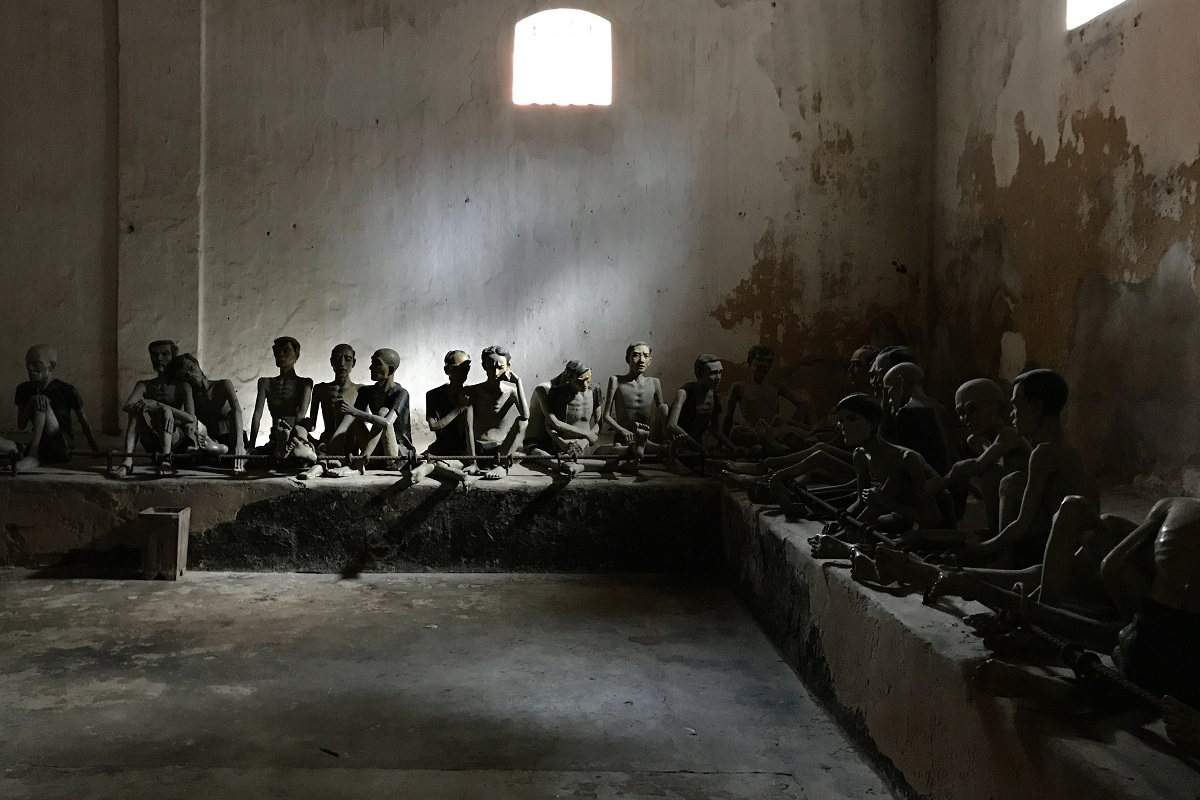
The oldest and largest of these, Phu Hai Camp, was built in 1862 and featured various facilities—cells, isolation rooms, a chapel, infirmary, and work areas—though many were fronts to mask the severe torture and inhumane conditions prisoners endured.
In addition to the Con Son prison camps, the system included an investigation area dedicated to processing and interrogating prisoners before their assignment to specific camps. It included three main buildings: the main office, an archive room, and an interrogation site with solitary cells and basic facilities.
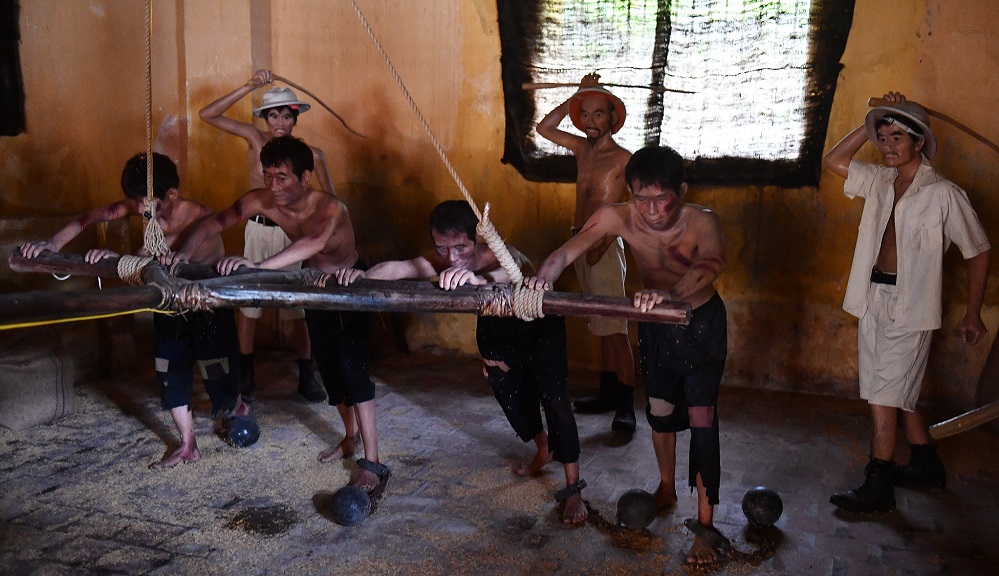
The wax figures at Phu Hai Prison recreate scenes of prisoners’ daily lives (Source: Collected)
3.4. Cow Shed Isolated Area
During a visit to Con Dao Prison, you will have the chance to explore the Cow Shed Isolated Area. This area included nine solitary confinement rooms, 24 pigsty cells, two cattle pens, and a pit for storing cow dung. It was not only a site of forced labor but also served as a cemetery for prisoners. The “Field of Skulls” here marked the first burial ground at Con Dao Prison, followed by Hang Keo Cemetery and Hang Duong Cemetery.
One of the most horrifying forms of torture involved submerging prisoners in a three-meter-deep dung pit, using underground drainage systems to drown them. During the liberation of Con Dao in 1975, cries for help were heard from the Cow Shed, but by the time prisoners were rescued, they had been so severely mutilated by maggots that they did not survive.
3.5. Hang Duong Cemetery
Hang Duong Cemetery, covering an area of 190,000 square meters, was established in 1941 and is the final resting place for around 5,000 prisoners out of the 20,000 who perished at Con Dao Prison. It is the most significant cemetery for prisoners in the area, divided into three main sections.
Area A is home to the graves of notable figures such as Nguyen An Ninh and Le Hong Phong, while Area B includes the grave of hero Vo Thi Sau. Area C holds the remains of prisoners who died under American and South Vietnamese control. The cemetery also features a ceremonial area and a statue, erected in 1980, commemorating the sacrifices of these prisoners.
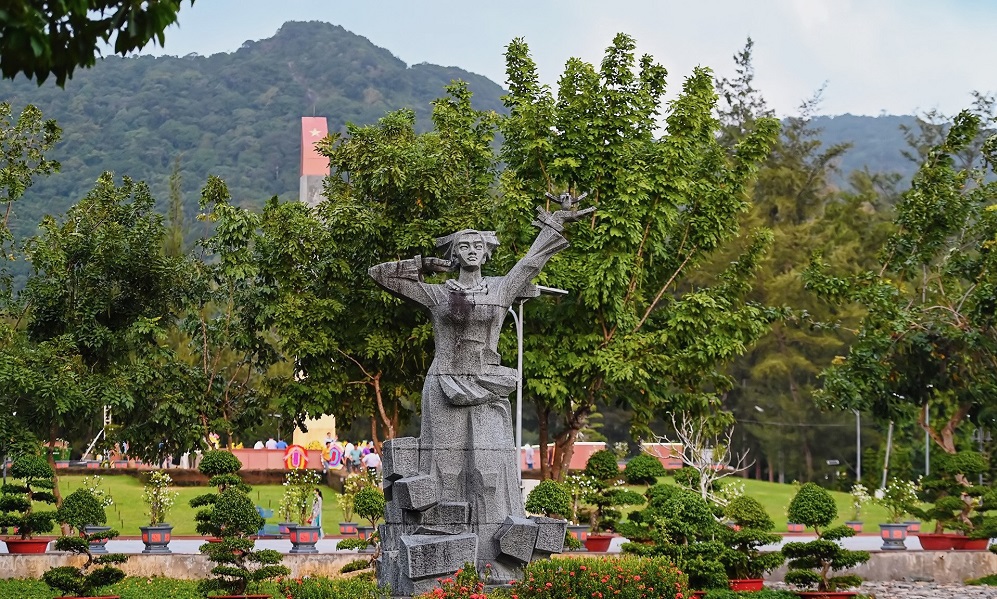
Since 1990, the cemetery has been renovated with walls, entrances, a road, a caretaker’s house, and 1,800 graves (Source: Collected)
3.6. Other relics
In addition to the sites mentioned above, Con Dao Prison has many other relics worth visiting:
- Ma Thien Lanh Bridge: This unfinished bridge on the path to Ong Dung Beach saw 530 prisoners killed during forced labor on its stone embankments, a stark reminder of colonial brutality.
- Lime Kiln (Lo Voi): Built in 1923, this 5,000-square-meter site forced prisoners into hard labor, harvesting coral for lime used in prison construction; many suffered injuries or death due to severe conditions.
- Cong Quan House: Completed in the late 19th century, this 850-square-meter building hosted composer Camille Saint-Saëns, who finished his opera Brunenida here—one of the few cultural marks left by the French.
Read more: Con Dao map: Best spots & experiences you can’t miss
4. Useful information for tourists to Con Dao Prison
4.1. Opening hours and entrance fee
Opening Hours: Con Dao Prison is open daily from 7:30 AM to 11:30 AM and 2:00 PM to 5:00 PM, including weekends and holidays. It is recommended to join a guided tour to hear stories about Con Dao prison’s history.
Entrance ticket to Con Dao Prison
Admission includes access to five historical sites: Con Dao Museum, The Governor’s Palace, Phu Hai Camp, American Tiger Cages, and French Tiger Cages.
- Standard ticket: 50,000 VND per person
- Discounted ticket: 25,000 VND per person for people with disabilities and seniors
Tickets can be purchased either directly at the Con Dao Museum or online through the Con Dao National Relic Preservation Center’s website.
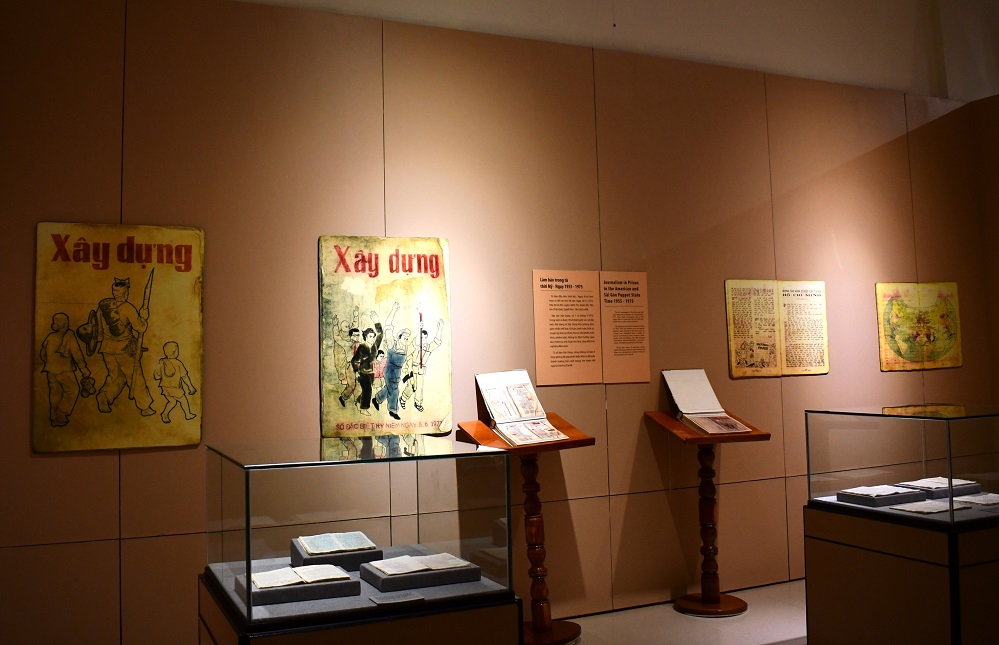
Con Dao Museum has more than 2000 exhibits, including many rare documents, dioramas, and excellent photographs (Source: Collected)
4.2. Direction, transportation
The Con Dao Prison Complex is centrally located in Con Dao Town, making it easily accessible for visitors. From the town center, you can reach the relics within 6–7 minutes by motorbike or car by following Phan Chu Trinh and Vo Thi Sau streets.
4.3. Important notes
Here are the list of things to note for your upcoming trip to Con Dao Prison:
- Con Dao Prison is a sacred site where many sacrificed their lives; please dress modestly and respectfully, avoiding revealing attire.
- Move quietly and speak softly to show reverence for the site.
- Consider visiting nearby attractions such as Lo Voi Beach (650 meters away), Con Dao Cathedral (2.2 kilometers away), and Van Son Pagoda (2.9 kilometers away) for a fuller experience.
- Guided tours are available at 7:00 AM, 9:00 AM, 2:00 PM, and 3:00 PM.
Discover: Con Dao weather: Best time to visit and useful travel guide
Con Dao Prison stands as a testament to the resilience and sacrifices of Vietnam’s freedom fighters. For anyone traveling to Con Dao, the prison complex is an essential destination that provides deep insight into Vietnam’s journey for independence.
Beyond Con Dao, Vietnam travel offers a wealth of other renowned destinations like Phu Quoc, Nha Trang, Ha Long, and Hoi An. Exploring these locations alongside Con Dao enriches your journey through Vietnam’s natural beauty and historic depth.
For a well-rounded Vietnam travel experience, consider the lively entertainment at VinWonders entertainment complexes. At VinWonders, tourists can immerse themselves in thrilling attractions, explore themed zones, and enjoy unforgettable entertainment experiences. For accommodation, consider booking your stay at the luxury hotels and resorts under the Vinpearl brand to experience world-class amenities and services. These destinations offer both adventure and relaxation, enhancing your journey with unforgettable memories.

VinWonders Phu Quoc offers six themed zones with thrilling attractions for unforgettable experiences
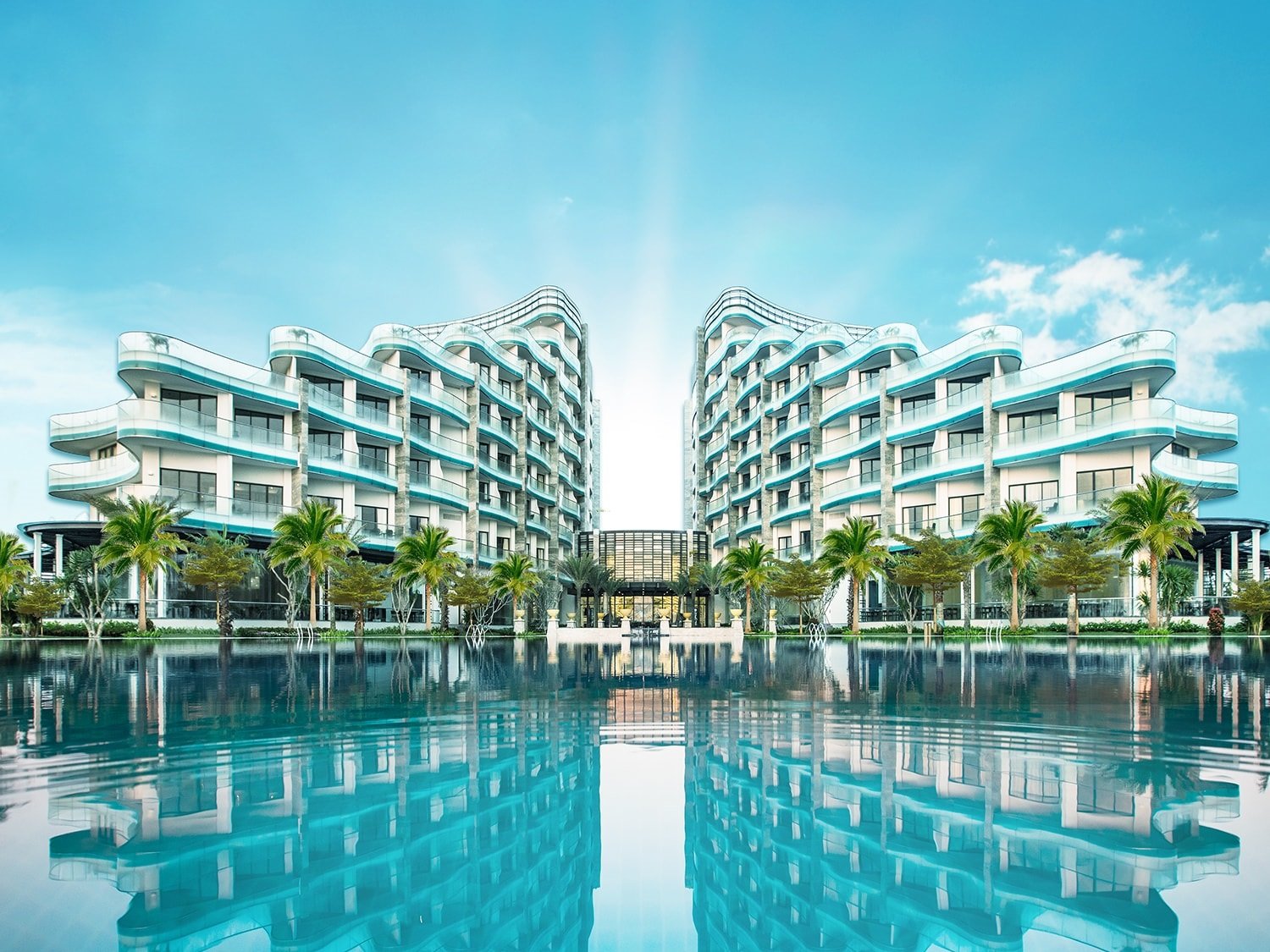
Vinpearl Nam Hoi An is a top resort and entertainment destination in Central Vietnam, offering cultural experiences
Book VinWonders Phu Quoc ticket now
Book VinWonders Nha Trang ticket now
Book VinWonders Nam Hoi An ticket now
Best-selling products