 en
en


 Tiếng Việt
  中文 (中国)
  한국어
한국어  Русский


 23/08/2025
 2188 views
1. Japanese Garden Area
1.1. Zen Garden
Origin: The Zen Garden (also known as Karesansui – “dry landscape”) is one of the traditional Japanese garden styles, closely linked to Zen Buddhism and the architecture of Rinzai sect temples. Later, this style spread to private homes, inns, and shops thanks to its simple and harmonious beauty.
Characteristics: Instead of using real water, it recreates mountains, rivers, and seas with sand, gravel, and rocks; undulating mountains are represented by stones, sometimes complemented with moss, bonsai, or grass.
Meaning: The Zen Garden reflects the spirit of wabi-sabi – a Japanese aesthetic concept that values simplicity, impermanence, humility, and the pristine beauty of nature.
Art of Arrangement: Stones are the core element, determining the layout, feng shui flow, and meditative depth of the garden.
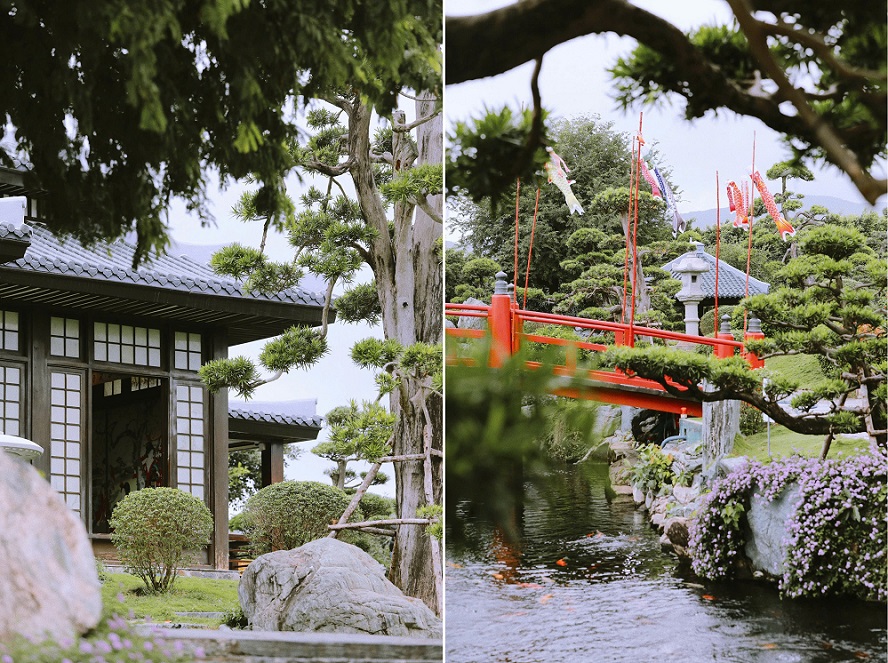
The Zen Garden is one of Japan’s traditional garden styles, deeply influenced by Shinto aesthetics
1.2. Koi Fish Pond
Origin: Originally common carp, Koi were domesticated and selectively bred to produce over 100 color variations, becoming one of the most famous ornamental fish in Chinese and Japanese culture.
Symbol of Perseverance: Linked to the legend of “The carp jumping the Dragon Gate,” Koi represent persistence, courage, and resilience in overcoming challenges to achieve success.
Samurai Spirit: Ancient tales say that when captured, Koi face death calmly—symbolizing the unwavering bravery of Samurai warriors confronting the sword.
Lucky Charm: Beyond perseverance, Koi are associated with wealth and prosperity. It is believed that seven golden Koi bring fortune and abundance to their owner; the larger the fish, the greater the luck.
Essence of Values: Koi embody luck, success, longevity, determination, and courage—qualities deeply cherished in Eastern culture.

Koi fish are always seen as a symbol of unwavering determination in life.
2. Japanese House Area
2.1. Experience the Japanese Tea Ceremony
For the Japanese, the tea ceremony (chadō, sadō, chanoyu) is not merely about drinking tea—it is an art of finding stillness, serenity, and harmony with nature.
Tea Room Ambience:
- Minimalist yet elegant design with paper sliding doors, calligraphy, hanging scrolls, and seasonal flower arrangements.
- A low entrance requiring guests to bow, symbolizing respect and humility.
- The host, dressed in a traditional kimono, greets and welcomes guests with gentle courtesy.
Tea Ceremony Etiquette:
- A tea gathering can last over four hours, starting with seasonal sweets (such as sakura blossoms or momiji leaves).
- Tea is brewed at a precise temperature (80–90°C), never with boiling water.
- The tea utensils are rinsed with hot water and carefully wiped clean before use.
- The tea master carefully balances aroma, flavor, and color to ensure the tea is neither too strong nor too weak.
- When pouring, tea must be evenly distributed into each cup for consistent taste.
The Art of the Tea Ceremony:
- Tea drinkers show respect through their demeanor and manner of sipping.
- Tea is typically served with small seasonal sweets, which not only enhance the flavor but also embody elegance and reflect the cultural sophistication of the participants.

Entrance to the Japanese tea ceremony room at VinWonders Nha Trang
2.2. Katana Sword
The Katana is not just a weapon—it is the soul of the Samurai, symbolizing courage, loyalty, and the warrior spirit. For the Samurai, “If the sword exists, so does the man; if the sword is lost, the man is lost as well.” The sword embodies honor and dignity, passed down through generations.
History:
- Before 1588: Everyone could carry swords.
- From 1588: Only Samurai were allowed to own them.
- From 1876: The government banned Samurai from carrying swords; this privilege remained only for the military and police.
- After the war: Restrictions tightened further, permitting usage only in special cases or for display purposes.
The Katana is regarded as one of Japan’s three sacred imperial treasures (alongside the jewel and the mirror), symbolically linked to the Japanese Imperial Family. According to ancient custom, when a boy was born, villagers contributed scraps of iron. Upon his coming of age, this iron was forged into his personal sword. During the forging, the swordsmith would observe strict purification rituals, pray, and wear ceremonial attire—making the process not merely labor but a spiritual act combining body and soul.
The Katana is far more than a long blade; it is a masterpiece that embodies artistry, spirituality, and combat power. Each sword undergoes rigorous testing during its creation—from ensuring sharpness capable of piercing armor to meeting the ultimate satisfaction of both the swordsmith and its owner.

Admire the Katana Sword at VinWonders Nha Trang
2.3. Samurai Helmet (Kabuto)
The Samurai helmet, known as Kabuto, was the most crucial piece of protection for warriors during the Sengoku period. Beyond its defensive function, the Kabuto also served as a symbol of rank and authority, allowing Shoguns, Daimyo, and warlords to stand out on the battlefield.
The helmet’s design often reflected the wearer’s personal beliefs and spiritual convictions. Each Kabuto is more than just armor; it reflects dignity, valor, and authority. This is why the image of the Kabuto continues to fascinate those who admire Japanese culture.
Displaying Samurai helmets and armor today is a tribute to the warriors’ courage. For the owner, it represents strength, resilience, and the indomitable spirit of the Samurai.
2.4. Kimono
The kimono is Japan’s traditional attire and is considered the country’s national costume. The word kimono literally means “a thing to wear,” reflecting its origin as everyday clothing. Over time, the kimono evolved into a cultural symbol, representing Japanese lifestyle, aesthetics, and identity. Through its patterns, way of wearing, and accompanying accessories, one can discern the wearer’s age, gender, social status, and marital status.
Common Types of Kimono:
- Furisode:
- The most formal kimono for unmarried young women
- Features: long sleeves (100–110 cm), vibrant patterns
- Typically worn during the Coming of Age Ceremony (Seijin Shiki) or at weddings
- Kurotomesode:
- The most formal kimono for older or married women
- Black base with patterns concentrated along the hemline
- Commonly worn at weddings, usually by the bride’s relatives
- Homongi:
- Semi-formal attire suitable for various occasions
- Patterns elegantly arranged across the shoulders, sleeves, and hem
- Popular for important parties or by the bride’s friends at weddings
- Komon:
- Casual kimono with evenly repeated patterns
- Ideal for daily activities or small celebrations

Kimono in the Japanese House Area at VinWonders Nha Trang
2.5. Japanese Paintings and Architectural Screens
Painting is one of Japan’s oldest art forms, deeply intertwined with the nation’s spiritual life and aesthetic values. Japanese paintings skillfully depict nature with delicate expression, evoking profound emotions through every line and shade of color. Despite historical upheavals, Japanese painting has preserved its traditional essence while embracing influences from other artistic traditions.
Main Styles of Japanese Painting:
- Nihonga (Japanese-style painting):
- Rooted in classical Japanese aesthetics
- Traditional materials: washi paper, silk, sumi ink, and natural mineral pigments
- Themes often include nature, religion, and customs
- Yōga (Western-style painting):
- Emerged after cultural exchanges with the West
- Materials and techniques influenced by European art
- Created a contrast yet also complemented the visual language of modern Japanese art
Japanese paintings serve both educational and aesthetic purposes, often with no clear boundary between the two. They are typically displayed by theme, historical period, or the artist’s personal style.
In addition to their standalone artistic value, Japanese paintings also appear on folding screens, sliding doors (fusuma), and the walls of traditional houses. They not only decorate living spaces but also create harmony between architecture and visual art. Screens adorned with nature scenes, flowers, or religious motifs often help define the character of Japanese interiors—elegant yet rich in symbolism.

Japanese painting has undergone many ups and downs but has managed to preserve its traditional identity.
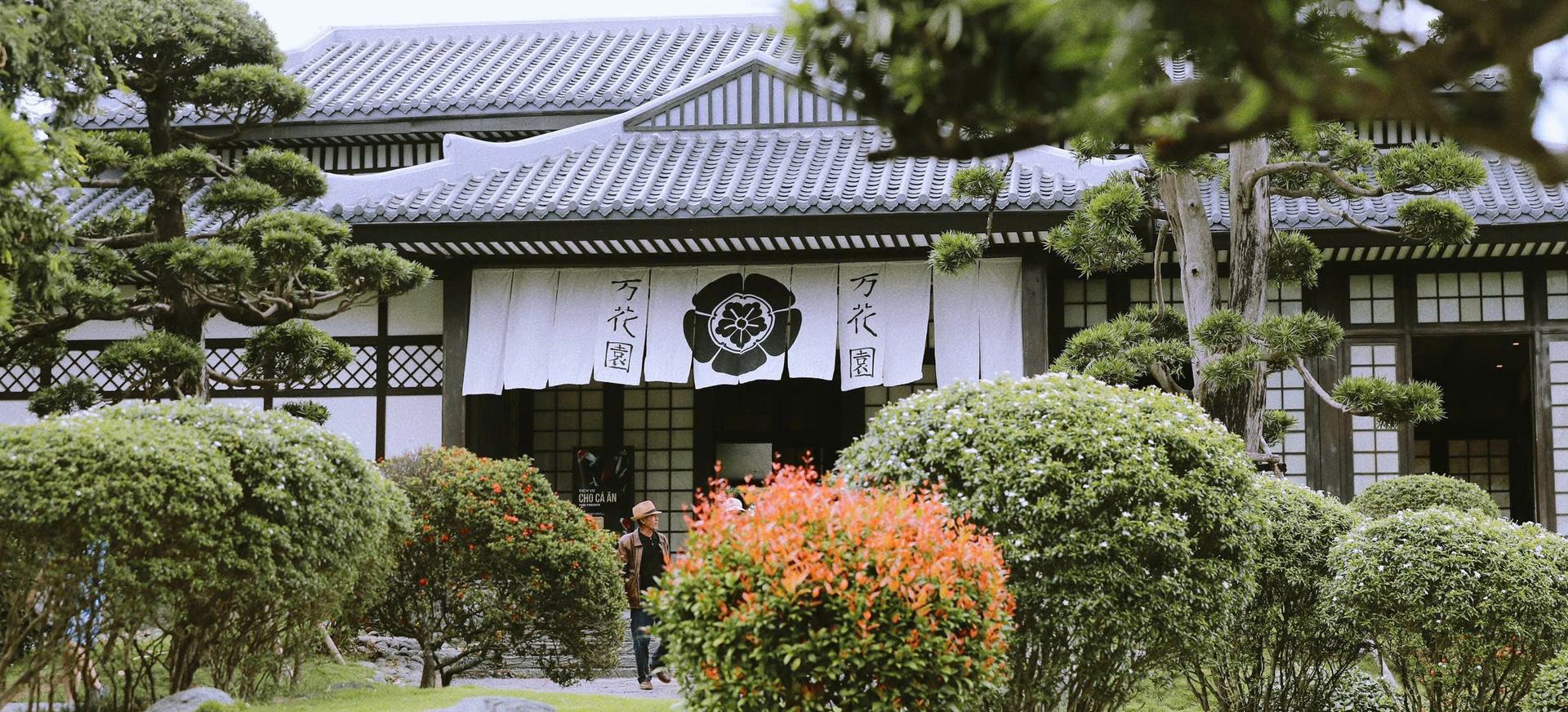
The Japanese Garden and House areas at VinWonders Nha Trang not only offer visitors a journey into the rich culture of the Land of the Rising Sun but also provide a serene escape from the hustle and bustle of daily life, where elegance shines through every detail. From the tranquil Zen Garden and the meaningful Koi Pond to the tea ceremony, Katana, and Kimono displays…, every element invites you into a miniature Japan right in the heart of Nha Trang. Book your VinWonders Nha Trang tickets now to immerse yourself in this unique Japanese space and enjoy hundreds of other exciting attractions!




 17/11/2025
 60.966 views


![[Mega Sale 2.2] Get up to 50% off VinWonders on Double Day](https://static.vinwonders.com/production/2026/01/double-day-thumb-336x161.jpg)


