en
en


 Tiếng Việt
  中文 (中国)
  한국어
한국어  Русский


 24/03/2023
 3.937 views

Vietnam currency – the Vietnamese Dong (VND) (Source: Collected)
Through the ups and downs, many aspects of life including Vietnam currency have been shaped by the country’s rich history itself. The Vietnamese Dong has come a long way since its introduction and fascinating development. To maximize your Vietnam travel experiences, we will provide you with all the information you need to know about Vietnam currency, including its history, Vietnam currency denominations, exchange rates, and tips for money-saving.
1. Currency of Vietnam: Name, symbol, and history
Vietnam currency plays an important role in the country’s development, symbolizing its progress and resilience through phases of history. So, what is Vietnam currency called and what is its symbol?
- Name: The official Vietnam currency name is the Vietnamese Dong, or “dong” for short. The Vietnamese Dong is issued by the State Bank of Vietnam.
- Symbol: Vietnam currency symbol is the letters “đ“, or “d”, which was introduced in 1978.
Over the course of history, Vietnam currency has undergone significant changes:
- During the French colonial period, the Piastre was used as the main monetary unit in Indochina.
- Later, Mexico coins and Dong Duong coins were introduced.
- In 1945, the first aluminum coins were issued by the Democratic Republic of Vietnam.
- On May 15, 1947, the government introduced Vietnam dong banknotes in denominations of 1, 5, 10, 20, 50, 100, and 500 dongs. 500 dong was the highest vietnam currency denomination then.
- In 1951, the National Bank of Vietnam was established, and new banknotes were introduced with an exchange rate of 10 old dongs to 1 new dong.
- On September 22, 1975, a new national currency was launched, with an exchange rate of 1 new dong for 500 old dongs and equivalent to US$1.
- Since then, Vietnam currency has gone through various exchanges and revaluations, with new notes featuring updated artwork.
- The last major change to the dong occurred in 2003, when the paper banknotes were replaced with plastics. Now, the 500,000 dong is Vietnam biggest currency note.
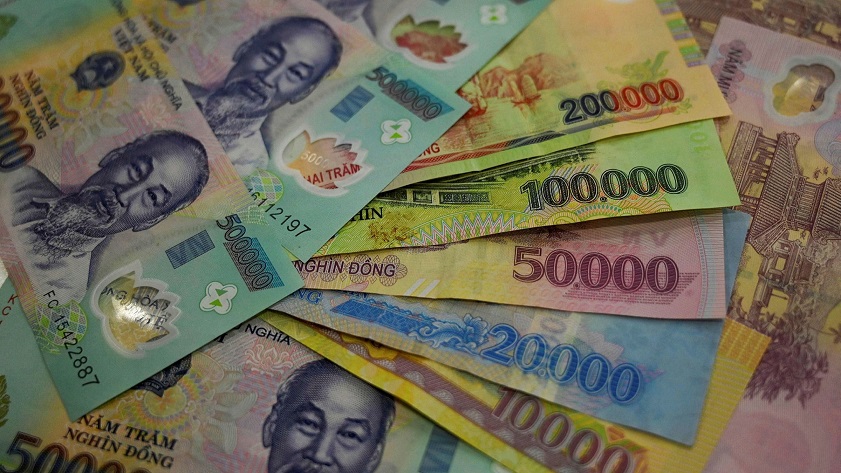
Vietnam currency has a long history (Source: Collected)
2. Vietnam currency conversion: Exchange rates to 10 other currencies
Vietnam is a popular destination for tourists and business travelers. Whether you are planning a short visit or an extended stay in Vietnam, it is essential to have a solid understanding of Vietnam currency rate. At the time of writing, some popular exchange rates are:
2.1. EUR to Vietnam currency
1 EUR = 25,204.4 VND
Euro (EUR) is the official currency of the European Union and is widely used throughout Europe. Euro to Vietnam currency is also a popular exchange pair in Vietnam. The Euro is symbolized by the € sign. This currency is widely accepted in Vietnam, particularly in major cities and tourist areas.
2.2. USD to Vietnam currency
1 USD = 23,695.7 VND
United States dollar (USD) is the official currency of the United States of America. A U.S. dollar is denoted by the symbol $ or US$ to distinguish it from other dollar-based currencies. It is widely recognized as a benchmark currency and accepted as a reserve currency by many central banks, including the State Bank of Vietnam.
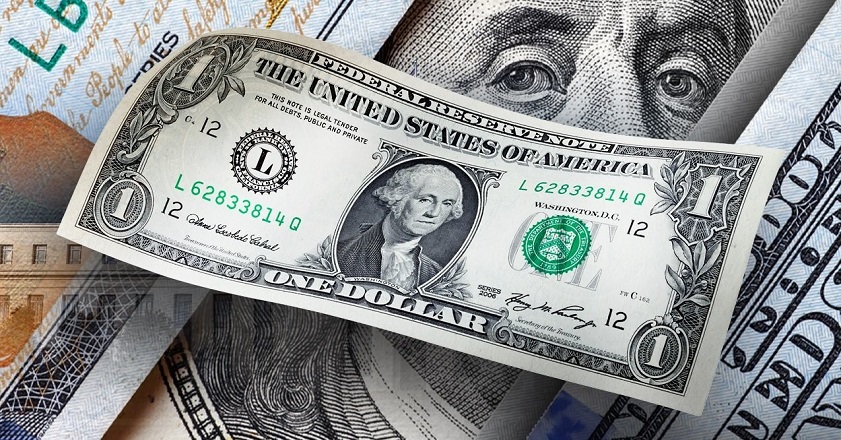
United States dollar (USD) is one of the most powerful currencies in the world (Source: Collected)
2.3. CAD to Vietnam currency
1 CAD = 17,415.8 VND
Canadian dollar (CAD) is the official currency of Canada, the land of marble leaf. The currency is also represented by the symbol $. However, to distinguish it from other dollar-based currencies, symbols such as CA$, Can$, and C$ are also used.
2.4. AUD to Vietnam currency
1 AUD = 16,038.9 VND
Australian dollar (AUD) is the official currency of Australia, as well as several countries and territories including Christmas Island, Cocos Islands, Norfolk Island, Nauru, Tuvalu, and Kiribati. The Australian dollar is represented by the symbol $, but it is also commonly referred to as A$ or AU$ to differentiate it from other dollar-based currencies.
2.5. SGD to Vietnam currency
1 SGD = 17,643.4 VND
Singapore dollar (SGD) is the official currency of the small island country of Singapore. With the symbol S$, the Singapore dollar is widely recognized as an international currency.
2.6. JPY to Vietnam currency
1 JPY = 174.564 VND
Japanese yen (JPY) is the official currency of Japan, a country often referred to as the land of the rising sun. The yen is often represented by the symbol ¥, which resembles the capital letter Y with two horizontal dashes. The Japanese yen is widely traded in the global foreign exchange market and is considered to be the third-most traded currency, following the U.S. dollar and the Euro.
2.7. CNY to Vietnam currency
1 CNY = 3,433.68 VND
Chinese yuan renminbi (CNY), or CNY, is the official currency of the People’s Republic of China. The term “renminbi” means “people’s currency,” while “yuan” refers to the basic unit of the currency. The symbol of the renminbi is ¥, which is also used for the Japanese yen. To differentiate between the two, CN¥ is sometimes used to refer specifically to the Chinese yuan renminbi. The renminbi is issued by the People’s Bank of China, and it is the world’s eighth most traded currency in the foreign exchange market.

The renminbi and the yen share the same symbol ¥ (Source: Collected)
2.8. INR to Vietnam currency
1 INR = 290.267 VND
Indian rupee (INR) is the official currency of the Republic of India, issued and regulated by the Reserve Bank of India. The rupee’s symbol is ₹.
2.9. HKD to Vietnam currency
1 HKD = 3,022.02 VND
Hong Kong dollar (HKD) is the official currency of Hong Kong, introduced in 1863. The currency is used by three banks that operate under the supervision of the Hong Kong Monetary Authority. The symbol of the Hong Kong dollar is $, which is also used by many other currencies To distinguish it from other dollar-based currencies, HK$ is also commonly used.
2.10. GBP to Vietnam currency
1 GBP = 28,548.0 VND
British Pound sterling (GBP) is the official currency of the United Kingdom, also used in several other territories of the UK. The symbol for the British pound is £.
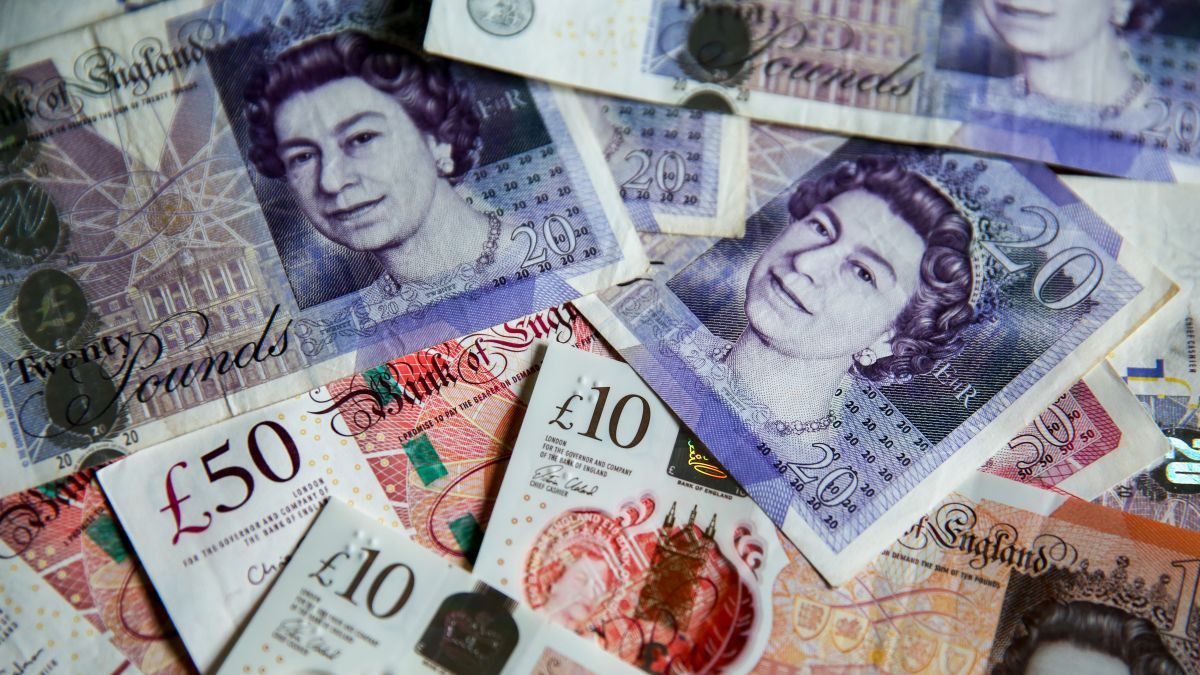
The British is among the most exchanged currency in the world (Source: Collected)
Best-selling products
![[-30% Grand Opening] [Aquafield Ocean City] – Standard Jjimjilbang Sauna Ticket for Female](http://booking-static.vinpearl.com/tours/94abeb55e3d54efbac23f7a862445389_0d72b531dd6749bbac2874b915ab0512_Screenshot_8_aquafield-nha-trang_aquafield-nha-trang.png)
![[VinWonders Vu Yen] - Admission Ticket to Zoo + Games + Buffet](http://booking-static.vinpearl.com/tours/b2cd8cf6b14c48459b21393e14d73163_vwvy%201_vinwonders-nha-trang-ve-vao-cua-2-chieu.jpg)
![[VinWonders Vu Yen] - [02 Adults + 01 Child] - Admission to Zoo + Games + Free Tote Bag](http://booking-static.vinpearl.com/tours/34488b227a3648e5b73d4aa6d6d36b46_DO__8153_vinwonders-nha-trang-ve-vao-cua-2-chieu.jpg)
![[Grand Park] Celestial Swing](http://booking-static.vinpearl.com/tours/eeb9a602315342ccbc7965b29cfb0db0_Ảnh%20màn%20hình%202025-03-03%20lúc%2015.00.17_vinwonders-nam-hoi-an-ve-vao-cua.png)
![[VinWonders Phu Quoc] - Standard Entrance Ticket](http://booking-static.vinpearl.com/tours/0dd25afc61ad45d48486bbd3b9c8a96a_tieu%20chuan%201_vinwonders-phu-quoc-ve-vao-cua.jpg)
![[Hon Tam] - [Zone A] - Mud Bath + Lunch Combo](http://booking-static.vinpearl.com/tours/5debd1efb6d34e42a88efa65354c8c72_ebdde60fd9a44539afe75c9338ec8a3d_ảnh%205_tam-bun-hon-tam.jpg)
![[Aquafield] - 2-hour Aquafield Sauna + 30-min Spa](http://booking-static.vinpearl.com/tours/b0bf65880af449f39ea19fa0acbb94d5_34d71a9c3e6b4b7484f9d7cbbc935c26_200dd4dda03e45e0a1add52e4acc11fa_NHT_1796_ve-xem-tata-show-vinwonders-nha-trang_ve-xem-tata-show-vinwonders-nha-trang.jpg)
![[Vinpearl Harbour] - Admission to VinWonders (after 4:00PM) & Round trip cable car](http://booking-static.vinpearl.com/tours/4b2d76bbde1f4c54a43370680d311928_Hinh-anh-VinWonders-Nha-Trang-The-World-Garden-Lau-vong-canh-3x2-so-1_vinwonders-nha-trang-ve-vao-cua-sau-16h.jpg)
![[VinWonders Nha Trang] - 02-day Unlimited Admission Ticket | Free F&B Voucher](http://booking-static.vinpearl.com/tours/d1425f018b3e4d2d833374b5b52d8bb9_Hinh-anh-VinWonders-Nha-Trang-The-World-Garden-Lau-vong-canh-3x2-so-1_vinwonders-nha-trang-ve-vao-cua-sau-16h.jpg)
![[Vinpearl Harbour] - Round-trip Cable Car Ticket](http://booking-static.vinpearl.com/tours/3cbd16b8edc74f6abc7f7cfa0e91caec_VPHB_Photos15_vinwonders-nha-trang-ve-vao-cua-2-chieu.jpg)
![[Aquafield] - [Female] - Round-trip Cable Car + 4-hour Korean Sauna](http://booking-static.vinpearl.com/tours/c3bae84e472b42078ca3ff6f28d55d80_1c5968412aca409fa8571c88cc85a4ba_aqf%205_aquafield-nha-trang.jpg)
![[Onsite service] - VIP Zoo Tour Vinpearl Safari Phu Quoc](http://booking-static.vinpearl.com/tours/ceb77f9174d845ebb2fd3dfe2b846066_3%20copy_vinwonders-nam-hoi-an-ve-vao-cua.jpg)
![[VinWonders Phu Quoc] - Game Fastpass - Top 04 Rides](http://booking-static.vinpearl.com/tours/574c2b7798524c17a08f28feb80d45b5_fastpass%204%20games%20vwpq_vinwonders-phu-quoc-fastpass.jpg)
![[Phu Quoc Passport] - Top Experiences Across 3 Zones + Buffet voucher (2-Day Unlimited Access)](http://booking-static.vinpearl.com/tours/877d8a3289a246d18f95aa5cc414f6d6_27be58d21e244664bf34d11d72e77860_Castle_vinwonders-phu-quoc-ve-vao-cua_vinwonders-phu-quoc-ve-vao-cua.jpg)
![[Nha Trang Passport] - [Half-Day] - Cable Car + Aquafield Sauna (2 hours) + Tata Show](http://booking-static.vinpearl.com/tours/ef49c187eadf4177b425d2bb85a18b30_200dd4dda03e45e0a1add52e4acc11fa_NHT_1796_ve-xem-tata-show-vinwonders-nha-trang.jpg)
![[Grand World] Carousel Ride](http://booking-static.vinpearl.com/tours/0d6a4bcfc2a54fd4aa9df0b38ae8c7b6_A2-4-jpeg-2640-1687438608_grandworld.jpg)
![[Grand World Phu Quoc] - Venice Water Taxi Ticket](http://booking-static.vinpearl.com/tours/6cee2bcb52a447009f64771095d03c9e_Screenshot%202024-10-22%20at%2014.49.18_ve-bao-tang-gau-teddy-bear.png)
![[Nha Trang Passport] – [01 day] – Snorkeling Tour + Lunch & Mud Bath at Hon Tam + Vinpearl Harbour + Tata Show](http://booking-static.vinpearl.com/tours/f6b1826759674c9c9d3f074e03fa04ba_snorkeling%201_vinwonders-nha-trang-ve-vao-cua-2-chieu.jpg)
![[Onsite service] - Premium VIP Zoo Tour Vinpearl Safari Phu Quoc](http://booking-static.vinpearl.com/tours/ff1e4b66ec1b46edad0c0460144e70ad_VINPEARL%20SAFARI%20PHU%20QUOC%20%20(51)_vinwonders-nam-hoi-an-ve-vao-cua.jpg)
![[VinWonders Nha Trang] - Admission to VinWonders after 4:00 PM](http://booking-static.vinpearl.com/tours/de2da6d471b34297ab13cb26ef2da9a0_Hinh-anh-VinWonders-Nha-Trang-The-World-Garden-Lau-vong-canh-3x2-so-1_vinwonders-nha-trang-ve-vao-cua-sau-16h.jpg)
![[Buggy Combo] - VinWonders Phu Quoc + Buggy + Free Ice Cream](http://booking-static.vinpearl.com/tours/0fc52a574094489da612d0f36bb4b1e6_buggy%20kem_vinwonders-phu-quoc-ve-vao-cua-tet-vi-vu.jpg)
![[Buy 2 Get 1] – Combo of 2 Entrance Tickets & Buggy + FREE Kids Combo](http://booking-static.vinpearl.com/tours/6c002e3ea71642f38eda8efa8654e5e4_vwnha0_vinwonders-nam-hoi-an-ve-vao-cua.jpg)
![[Aquafield Ocean City] – VIP Membership (12 Months)](http://booking-static.vinpearl.com/tours/3c2f7ab0ed374cb1bbdb2e54e6d6eb9a_e1f2756dfec346f3bb3b16e296b3b166_Screenshot_5_aquafield-nha-trang_aquafield-nha-trang.png)
![[-10%] - VIP River Safari Ticket*](http://booking-static.vinpearl.com/tours/5d3ee19e977446be8917a34697bb9443_ece6e58a02fd48de9eba9d3f4689f77a_Hinh-anh-VinWonders-Nam-Hoi-An-River-Safari-3x2-so-1%20(1)_vinwonders-nam-hoi-an-ve-vao-cua_vinwonders-nam-hoi-an-ve-vao-cua.jpg)
![[Aquafield] - [Female] - 4-hour Korean Sauna](http://booking-static.vinpearl.com/tours/0e6fe24c37b84cb799b94dae70578054_aqf-suong-may-2048x1365_aquafield-nha-trang-xong-hoi-chuan-han.jpg)
![[VinWonders Nam Hoi An] - Standard Admission Ticket](http://booking-static.vinpearl.com/tours/81813f8ced2c466e82ad53f1c29c1904_tour-kham-pha-van-hoa-viet-vinwonders-nam-hoi-an-668ca102bcc29_vinwonders-nam-hoi-an-ve-vao-cua.jpg)
![[VinWonders Nam Hoi An] [Sunset Premium] Admission Ticket & Buggy Ride & VIP Safari Package & Afternoon Tea Set](http://booking-static.vinpearl.com/tours/3a1e510945b4421d861fede29a1b3e58_xE3mXzIVwTdZRf7M8zZfHqHIPqV17uyEOzL8PaUQ_vinwonders-nam-hoi-an-ve-vao-cua.jpg)
![[VinWonders Cua Hoi] - GoKart F1 Racing Car (10:00 AM - 8:00 PM)](http://booking-static.vinpearl.com/tours/aa8379d6db3a4f5c9df6d78d53177c35_11-E-Ticket-Vinwonder-Cua-Hoi_23072024111407_vinwonders-nam-hoi-an-ve-vao-cua.jpg)
![[Vinpearl Harbour] - Round-trip Cable Car Ticket | Free Wishing Coin Voucher](http://booking-static.vinpearl.com/tours/e584c2f486d246c5820a19f519d184a4_VPHB_Photos15_vinwonders-nha-trang-ve-vao-cua-2-chieu.jpg)
![[VinWonders Nha Trang] - 01-day Unlimited Admission Ticket | Free F&B Voucher](http://booking-static.vinpearl.com/tours/ccf23087ea0f419980c411d0e79c10fb_88c594a8352d49e7b031b9fbd5c5d27f_tro-choi-mao-hiem-o-vinpearl-nha-trang-thumb-1_vinwonders-nha-trang-khong-gioi-han-2-ngay_vinwonders-nam-hoi-an-ve-vao-cua.jpg)
![[Nam Hoi An Signature] VinWonders Ticket + VIP Safari Package | FREE Merchandise Gift](http://booking-static.vinpearl.com/tours/881ac31c4a2b4687a59f412901e85b2c_VIN2725_-08746%20(2)_vinwonders-nam-hoi-an-ve-vao-cua.jpg)
![[Vinpearl Aquarium Times City] Entrance Ticket](http://booking-static.vinpearl.com/tours/8702a10bf2934d6299df65669a290679_aquarium%20times%20city%203_thuy-cung-vinpearl-aquarium-times-city.jpg)
![[Aquafield Ocean City] [Male] – Standard Jjimjilbang Sauna Ticket](http://booking-static.vinpearl.com/tours/0be276c684454e8d969c373f35f6be97_DSC_2127_11zon_aquafield-nha-trang.jpg)
![[Hon Tam] - [Zone A] - Standard Mud Bath](http://booking-static.vinpearl.com/tours/9db66a615a7d4f119316b338afff30cb_tam-bun-dao-hon-tam_httpswwwhontammudbathvnwp-contentuploadssites2720190625-3-2200x700jpg.jpg)
![[-50%] [VinWonders Wave Park] Standard Admission Ticket to Wave Park](http://booking-static.vinpearl.com/tours/f949b31af919495c9b4e111237642763_358600999_111579731994757_433244877993048710_n_vinwonders-ha-noi.jpg)
![[VinWonders Vu Yen] - Admission Ticket to Games zone (after 5:00 PM)](http://booking-static.vinpearl.com/tours/edbd3eb4bc9848aead9940e0f5aa050d_fa21c62dfa9644ada0c3fce89b3e79ff_DO__8711_vinwonders-vu-yen-vuon-thu-khu-tro-choi-sau-17h.jpg)
![[Aquafield] - [Male] - 4-hour Korean Sauna](http://booking-static.vinpearl.com/tours/4ae60d29ea264f8fab17beb6b4415502_aqf-da-muoi_aquafield-nha-trang-xong-hoi-chuan-han.jpg)
![[-15%] Combo Admission Tickets for 2 Zones: Aquarium & VinKE + F&B Set](http://booking-static.vinpearl.com/tours/e7fcffc8256546e8bdcfd5ccfbe69783_VINKE2%20(1)_vinke-ve-vao-cua-truc-tiep.jpg)
![[Grand World Phu Quoc] [Ultimate Combo] - Water Taxi + Teddy Bear Museum + Grand Show](http://booking-static.vinpearl.com/tours/e31a9e66b5444808bba3e3114d195559_VENICE%20ALL%20IN%20ONE%20KV%20(1)_ve-bao-tang-gau-teddy-bear.jpg)
![[Aquafield] - Round-trip Cable Car + Korean Sauna + Body Scrub](http://booking-static.vinpearl.com/tours/d00bc95eb402434c8f4a4756c2a3ad3d_Akoya-spa-Villa-Vinpearl-Resort-Spa-Phu-Quoc-12_aquafield-nha-trang.jpg)
![[Grand Park] Water Park + Dream Garden Outdoor Games Combo](http://booking-static.vinpearl.com/tours/35566b714d4c4dd9802a6bf4650ac2b1_khu-vui-choi-cua-hoi-9_vinwonders-nam-hoi-an-ve-vao-cua.jpg)
![[Hon Tam] - [Zone A&B] - Full island entertainment + Mud Bath Zone A + Lunch](http://booking-static.vinpearl.com/tours/af991883d63f4133b62b76551ba2444d_tam-bun-dao-hon-tam_httpswwwhontammudbathvnwp-contentuploadssites2720190625-3-2200x700jpg.jpg)
![[VinWonders Cua Hoi] - Indoor Games Zone](http://booking-static.vinpearl.com/tours/b952de18058e4a67a8ffa52f2039e7d2_1920-x-1080-double%20day%20sale%2077%20no%20text_vinwonders-nam-hoi-an-ve-vao-cua.jpg)
![[50% Student Discount] – VinWonders Admission Ticket](http://booking-static.vinpearl.com/tours/43126c168bb04853bf7c93e197db724a_Banner%201200x628_vinwonders-nha-trang-ve-vao-cua-2-chieu.jpg)
![[Grand World Phu Quoc] - The Quintessence of Vietnam Show](http://booking-static.vinpearl.com/tours/f88e2be1139b4eada4043eb7f0e39362_THVN1_show-tinh-hoa-viet-nam.jpg)
![[Aquafield] - [Male] - Round-trip Cable Car + 4-hour Korean Sauna](http://booking-static.vinpearl.com/tours/625529980f3249e6b0491cddfc30db43_297be2477c5847748ef3bc08603ebf90_aqf%204_aquafield-nha-trang.jpg)
![[Aquafield Ocean City] [Male] – VIP Membership (12 Months)](http://booking-static.vinpearl.com/tours/6ab10678fcbd4822a8fddb0590d3bcbf_0d72b531dd6749bbac2874b915ab0512_Screenshot_8_aquafield-nha-trang_aquafield-nha-trang.png)
![[VinWonders Phu Quoc] - Entrance Ticket + Gate Fastpass + Buggy](http://booking-static.vinpearl.com/tours/de2a24896b0e49469fa1e89e93aa5314_1920x1080%20VWPQ%20KV_vinwonders-phu-quoc-standard-entrance-ticket.jpg)
![[VinWonders Cua Hoi] - Cable Car + Games on the Island](http://booking-static.vinpearl.com/tours/63c924f8521a4af981666076c5c3b0fe_VinWonders%20Cua%20Hoi%20Summer%20Say%20Hi%20Banner%201920x920px_vinwonders-nam-hoi-an-ve-vao-cua.jpg)
![[Grand World] Skydrop ticket](http://booking-static.vinpearl.com/tours/ed7c962747be42458f35c7b18340b901_A2-4-jpeg-2640-1687438608_grandworld.jpg)
![[Grand World Phu Quoc] - Water Taxi Boat + Teddy Bear Museum](http://booking-static.vinpearl.com/tours/add2e0908faa4289b555856472b181be_VENICE%20ALL%20IN%20ONE%20KV%20(1)_ve-bao-tang-gau-teddy-bear.jpg)
3. Tips for Vietnam currency exchange on your travel
Visitors should bear these tips in mind before exchanging money in Vietnam:
- For trusted sources of Vietnam currency exchange, you should visit the official website of The State Bank of Vietnam.
- It is best to refer to the banks for exchange rates, as most currency converter tools on the internet are not frequently updated.
- Handle the polymer notes with care, as they can stick together, especially when they are wet.
- Double-check the number of zeroes on the Vietnamese Dong notes when making purchases, as some notes have similar colors, such as the 500,000 VND and the 20,000 VND, or the 200,000 VND and the 10,000 VND.
- Do not trade on the black market to avoid being scammed.
- The letter “k” often represents a thousand, such as 50k which equals 50,000 VND, 100k which equals 100,000 VND, and 500k which equals 500,000 VND.

Some Vietnam banknotes have the same color (Source: Collected)
If you do not know where to exchange money in Vietnam, there are several options available:
- Banks: Banks are the safest and most reliable places to exchange money in Vietnam. Most banks have a dedicated foreign currency exchange counter, and their exchange rates are generally competitive.
Vietnam has 4 state-owned banks: Vietnam Bank for Agriculture and Rural Development (Agribank), Bank for Investment and Development of Vietnam (BIDV), Joint Stock Commercial Bank for Foreign Trade of Vietnam (Vietcombank) and Vietnam Bank for Industry and Trade (Vietinbank).
Some big private banks include Vietnam Prosperity Joint Stock Commercial Bank (VP Bank), Saigon – Hanoi Commercial Joint Stock Bank (SHB), Vietnam Technological and Commercial Joint Stock Bank (Techcombank), and Military Joint Stock Commercial Bank (MB Bank).
- Money exchange kiosks: You can find money exchange kiosks in major cities in Vietnam. However, it is important to note that not all of these kiosks are licensed and regulated, so you should be cautious when using them. Checking the exchange rates and commission fees is a must-do before exchanging your money.
- Hotels: Most hotels in Vietnam offer currency exchange services for their guests. However, their rates are usually not as competitive as those offered by banks or money exchange kiosks.
- ATMs: You can find ATMs in most major cities in Vietnam. It is of importance to check with your bank to see if they have partnerships with any local banks in Vietnam to avoid extra withdrawal fees. Also, some smaller towns and villages may not have ATMs, so it is best to plan ahead.
It is highly recommended that foreigners exchange money at a bank or a licensed money exchange kiosk to get the best exchange rate and avoid scams.
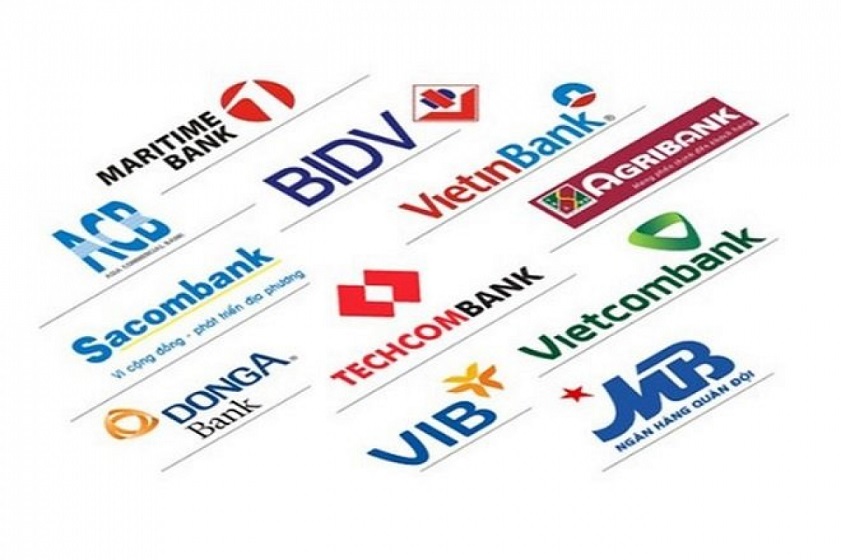
Banks are the best places to exchange money (Source: Collected)
The best time to visit Vietnam depends on the location and the type of vacation you prefer. Each region has its own weather characteristics, so you should look over these notes before packing to ensure a perfect trip:
- Northern Vietnam experiences four seasons, including spring, summer, autumn, and winter. The weather is hot and humid with significant rainfall from May to October and colder and drier from November to April.
- Central Vietnam has a typical tropical climate. It experiences hot, dry weather from January to August with highs of up to 30 degrees Celsius and heavy rainfall from September to November.
- Southern Vietnam has just two seasons: dry and rainy. From November to April, it is dry and hot. From May to October, it is damp and also hot.

The best time to visit Vietnam depends on the location
With the detailed Vietnam currency exchange tips and information about the best season to visit Vietnam above, the question is no longer “how to exchange money?” but rather “where is money worth spending?” Some famous tourist destinations in Vietnam are Hanoi, Hoi An, Nha Trang, Phu Quoc, Ha Long, Danang, Ho Chi Minh City, etc
- For those planning to visit Hanoi, Vinpearl Aquarium and VinKE are must-visit attractions. At Vinpearl Aquarium, you will be immersed in an underwater world of wonder. Meanwhile, VinKE is a paradise for entertainment, education, and physical activity for children and their families.
- Next on the list is VinWonders Nam Hoi An. This place is a 5-star entertainment complex in Central Vietnam, a perfect combination between traditional artistic values and modern entertainment activities near Hoi An Ancient Town.
- If you are looking for the sun, sea, and sand, then VinWonders Nha Trang should be on top of your bucket list. Located on Hon Tre Island in the coastal city of Nha Trang, this amusement park is known as an entertainment paradise with hundreds of exciting activities, which will satisfy visitors of all ages and nationalities.
- Last but not least, VinWonders Phu Quoc is the largest theme park in Vietnam and a leading one in Asia. This fantastic park has six subdivisions, each with a different theme, which are suitable for both local and foreign visitors. So what are you waiting for? Numerous unique activities are waiting for you here.


VinWonders Phu Quoc
>>> Book tickets of VinWonders Phu Quoc, Nha Trang, Nam Hoi An, Vinpearl Aquarium and VinKE to enjoy a day full of adventure at affordable prices!
Knowing the exchange rates between Vietnam currency and other currencies can help travelers better manage their budgets. Whatever currency you have in your wallet, it can be easily exchanged, especially in the major cities and tourist areas of Vietnam. With this guide, travelers can have a hassle-free trip to Vietnam.
>>>Book tickets of VinWonders Phu Quoc, Nha Trang, Nam Hoi An, Vinpearl Aquarium and VinKE for a unique experience!
Grab the hottest deals at VinWonders!
Best-selling products