 en
en


 Tiếng Việt
  中文 (中国)
  한국어
한국어  Русский


 27/08/2025
 2567 views
1. Featured Plants in the African Garden
1.1. Chorisia (Bottle-Shaped Tree)

| Information | Details |
| Scientific Name | Ceiba insignis, family Malvaceae |
| Origin | Northern Argentina, Paraguay, and Bolivia |
| Lifespan | Around 150 years |
| Description | The Chorisia tree has a cylindrical trunk that swells at the base (1–2 m) to store water. Its wood is soft and spongy, and the trunk and branches are covered with large conical thorns (up to 2.5 cm). Mature trees grow 4–30 m tall, thriving in subtropical climates, favoring both humidity and moderate drought. The fruit is green, elliptical, 10–15 cm long, 5–7 cm wide, and deeply grooved when ripe. |
| Blooming Season | July – October |
1.2. Olive Tree

| Information | Details |
| Scientific Name | Olea europaea, family Oleaceae |
| Origin | Mediterranean region |
| Lifespan | 300–600 years, with some trees living over 1,000 years |
| Description | The olive tree, a woody species from the Oleaceae family, grows 10–25 m tall with dark green elliptical leaves arranged oppositely. Its small white flowers bloom in clusters at the leaf axils. The fruit measures 1–2.5 cm, turning from green to purplish-brown or black when ripe; wild olives are usually smaller and contain less flesh than cultivated varieties. |
| Best Planting Season | The ideal time to plant olive trees is between November and March. In colder regions, spring is the most suitable season for planting. |
| Growing Conditions | Olive trees prefer full sunlight and well-drained sandy soil but can also survive in less fertile ground. However, they cannot withstand prolonged cold below 10°C or extremely harsh climates. They start producing fruit after 5–6 years and require short periods of chill and dry air for flowering and fruiting. |
1.3. Yucca Tree
| Information | Details |
| Scientific Name | Yucca rostrata, family Asparagaceae |
| Origin | Rocky slopes and ridges, canyon bottoms, and plains |
| Lifespan | between 20 and 50 years (outdoor) |
| Description | Yucca rostrata (Beaked Yucca) is a slow-growing species with an upright trunk reaching 2.5–3.5 meters, usually with a single stem. Its slender gray-green leaves form a dense rosette, with edges lined with small, pale-yellow teeth. Large clusters of white flowers bloom in spring, rising prominently above the foliage. The fruit is egg-shaped, 3.5–7 cm long, and becomes dry when ripe. This plant is highly tolerant of drought, frost, and intense heat. |
| Blooming Season | Spring (from March to May) |
| Growing Conditions | Yucca prefers a hot, dry climate but can tolerate humidity if the soil is well-drained, and it thrives in alkaline environments. It requires plenty of sunlight, though it can endure light shade, which may cause it to grow tall and spindly. Water sparingly in winter and provide additional water in summer in dry regions, avoiding watering the crown to prevent rot. When removing old leaves, leaving the base creates an attractive spiral pattern. |
1.4. Baobab Tree

A tree native to Africa, the Baobab has a towering trunk so large that three to four people holding hands cannot wrap around it
| Information | Details |
| Scientific Name | Adansonia gregorii, family Bombacaceae |
| Origin | Northeastern, Central, and Southern Africa |
| Lifespan | Over 250 years |
| Description | Baobab, or Adansonia gregorii, is a medium-sized deciduous tree with a swollen trunk and velvety gourd-like fruit. It is closely related to the African Baobab (Adansonia digitata), but is smaller in size and bears upright flowers. |
| Uses | Almost every part of the tree is edible. Indigenous people extract water from the trunk, use the roots as food, and eat the white pulp around the seeds directly, bake it into bread, or process it into beverages. |
| Blooming Season | November – December |
| Growing Conditions | This species is relatively easy to grow, thriving in good sunlight without requiring excessive watering. The Baobab can still grow well in humid and rainy climates as long as the soil is well-drained and there is no frost. |
1.5. A Vibrant Paradise of Colorful Cacti
At the African Garden in VinWonders Nha Trang, visitors can marvel at hundreds of unique cactus species in an array of fascinating shapes and vibrant colors. From tiny, charming succulents to towering, spiky giants, the collection creates a stunning desert landscape. This is also an ideal check-in spot, where guests can explore the rich world of desert flora while capturing unforgettable photos.
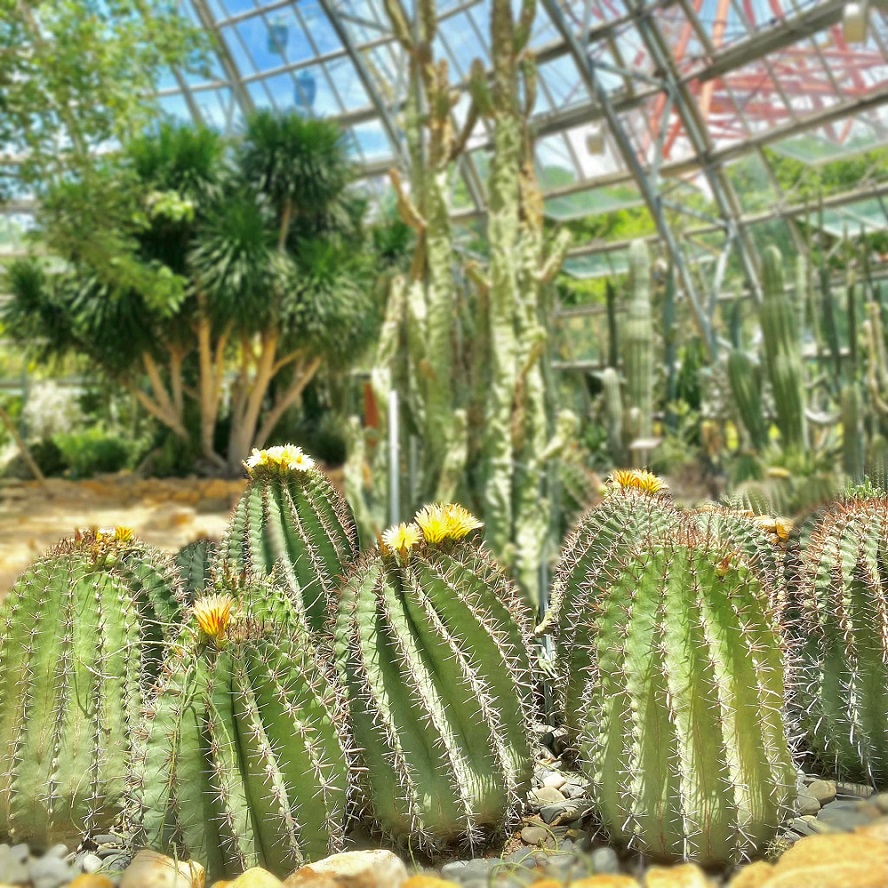
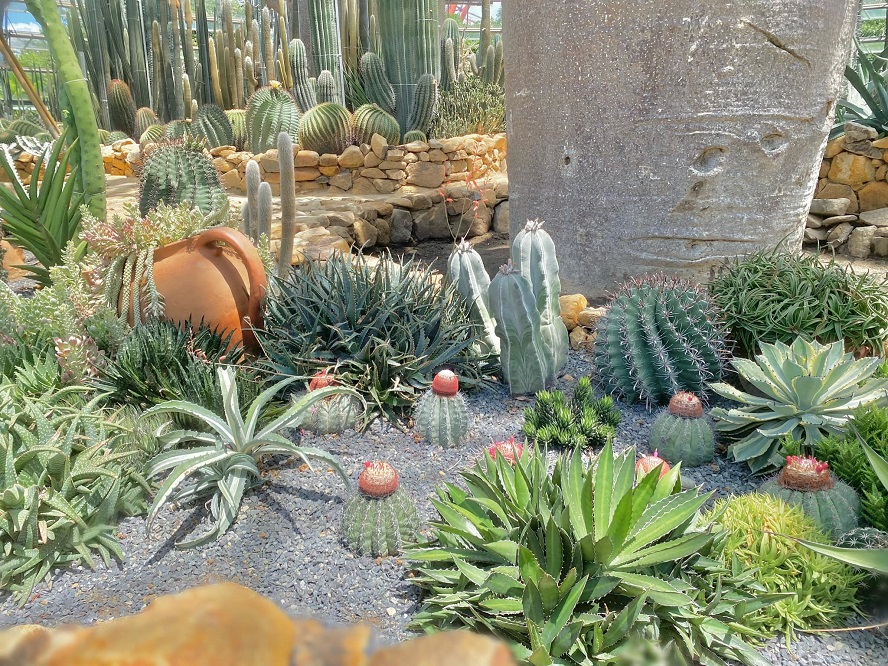
Discover the diverse world of Cacti at the African garden
2. Unmissable Experiences at the African Garden
Step into the African Garden and immerse yourself in a one-of-a-kind journey filled with unforgettable moments:
- Explore the largest cactus collection on the island – home to the highest number of cacti species in Vietnam.
- Snap a photo with Vietnam’s first cactus-shaped map – a truly unique landmark!
- Marvel at hundreds of exotic plant species showcased in Vietnam for the very first time – a fascinating window into nature’s wonders.
- Visit the African Tribal Village – experience vibrant cultural colors and step into the distinctive lifestyle of indigenous tribes.
Visiting Tips
- Best time to visit: Morning or late afternoon for perfect lighting and cooler weather.
- What to wear: Light-colored clothing and a wide-brimmed hat to pop against the lush green backdrop.
- Don’t forget: A fully charged phone or camera, because this is truly a “check-in paradise.”
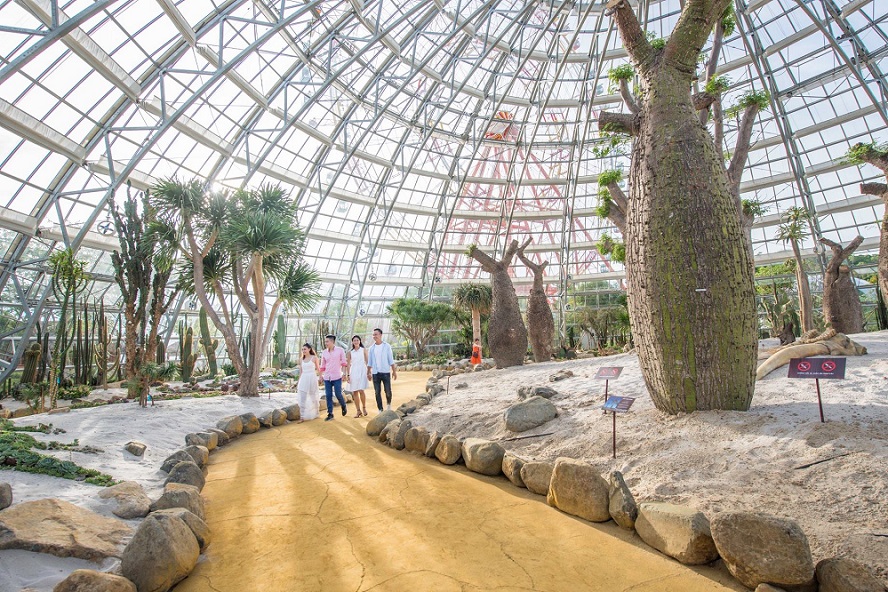
Visit the African Garden in the morning or late afternoon
Make your Nha Trang trip even more memorable with a visit to the African Garden at VinWonders Nha Trang. Book your tickets today and don’t miss the most unique botanical paradise in Vietnam!




 17/11/2025
 60.962 views


![[Mega Sale 2.2] Get up to 50% off VinWonders on Double Day](https://static.vinwonders.com/production/2026/01/double-day-thumb-336x161.jpg)


