en
en


 Tiếng Việt
  中文 (中国)
  한국어
한국어  Русский


 20/10/2024
 848 views
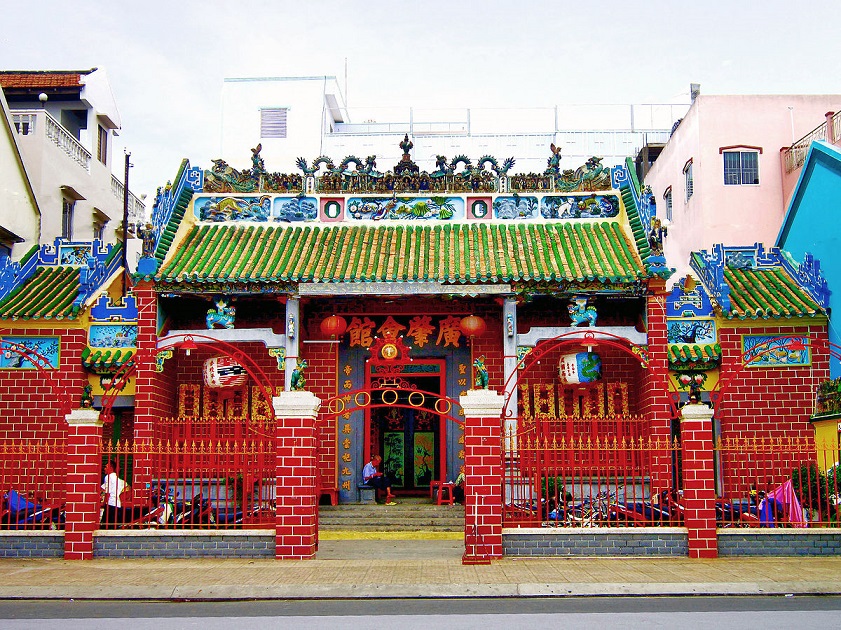
The distinctive architecture of the Canton Assembly Hall of Can Tho (Source: Collected)
1. Where is the Canton Assembly Hall of Can Tho? How to get there?
- Address: No. 32 Hai Ba Trung Street, Tan An, Ninh Kieu, Can Tho.
The Canton Assembly Hall is a sacred temple built by the Chinese community in Can Tho to worship Guan Yu, also known as Quan Thanh De. The pagoda was originally a cultural and religious gathering place for Chinese immigrants from Guangzhou and Zhaoqing in Guangdong Province, China, which is why it was named the Canton Assembly Hall.
To visit Ong Pagoda from Ninh Kieu Wharf, tourists can follow this route: From Can Tho city center, take 3A Road to Vo Van Kiet, and continue straight on Mau Than Street towards Ninh Kieu. Then, take Nguyen Viet Hong Street and turn left at Hoa Binh Avenue until you reach Hai Ba Trung Street in Tan An.
Visitors can choose to travel by motorbike, car, or taxi. If you are looking for an eco-friendly option, consider Xanh SM Taxi. This electric taxi service offers an environmentally conscious way to travel with well-trained and courteous drivers. Fares start from just 10,000 VND, and you can book a ride by simply contacting their hotline at 1900 2088 or via Xanh SM app.

Visitors can choose Xanh SM Taxi in Can Tho to get to Ong Pagoda
2. The history and significance of Canton Assembly Hall of Can Tho
Historical wood carvings show that the construction of the Canton Assembly Hall of Can Tho began in 1894 and was completed in 1896, covering an area of 532 square meters. Chinese immigrants from Guangzhou and Zhaoqing established it as a place of worship and a gathering spot for the community, where they could connect with fellow citizens and support each other in their new life.
Elders recall that most of the building materials and decorative elements were imported from Guangdong, including many handcrafted ceramic pieces made by Qing Dynasty artisans.
Beyond its artistic and architectural significance, Ong Pagoda was a place for preserving cultural traditions. It played an essential role in the cultural and spiritual life of the Chinese community in Can Tho at that time.
During the resistance against the U.S., it also served as a solid base for Chinese support efforts, contributing to the national defense. For its historical and cultural values, Ong Pagoda was recognized as a national architectural heritage site by the Ministry of Culture and Information on June 21, 1993.
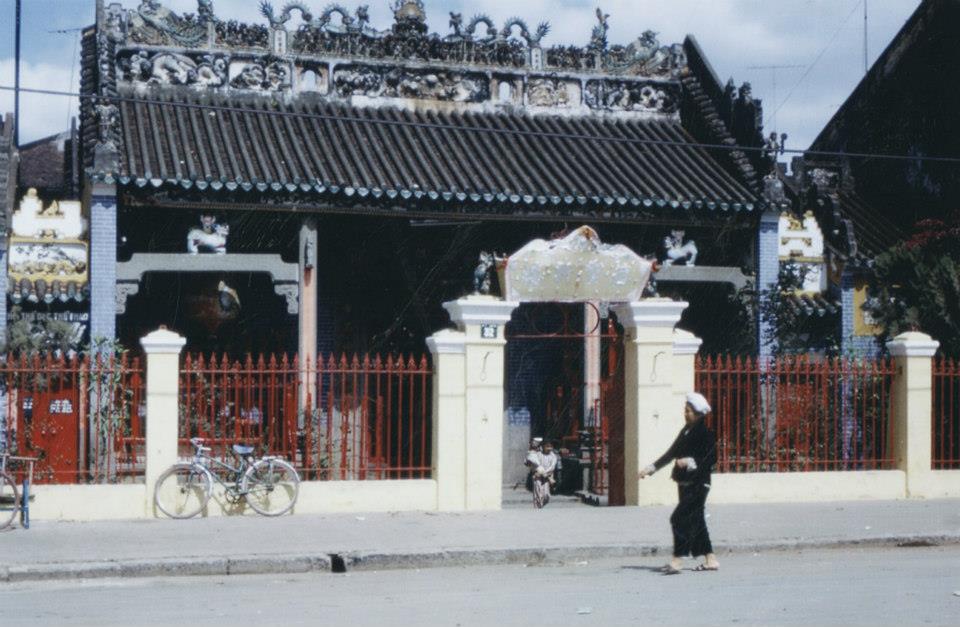
Ong Pagoda is around 120 years old (Source: Collected)
Best-selling products
![[Buggy Combo] - VinWonders Phu Quoc + Buggy + Free Ice Cream](http://booking-static.vinpearl.com/tours/0fc52a574094489da612d0f36bb4b1e6_buggy%20kem_vinwonders-phu-quoc-ve-vao-cua-tet-vi-vu.jpg)
![[Grand World Phu Quoc] - Venice Water Taxi Ticket](http://booking-static.vinpearl.com/tours/6cee2bcb52a447009f64771095d03c9e_Screenshot%202024-10-22%20at%2014.49.18_ve-bao-tang-gau-teddy-bear.png)
![[Vinpearl Aquarium Times City] Entrance Ticket](http://booking-static.vinpearl.com/tours/e7fcffc8256546e8bdcfd5ccfbe69783_VINKE2%20(1)_vinke-ve-vao-cua-truc-tiep.jpg)
![[VinWonders Nha Trang] - VinWonders Admission Ticket & Buffet service](http://booking-static.vinpearl.com/tours/d1425f018b3e4d2d833374b5b52d8bb9_Hinh-anh-VinWonders-Nha-Trang-The-World-Garden-Lau-vong-canh-3x2-so-1_vinwonders-nha-trang-ve-vao-cua-sau-16h.jpg)
![[VinGroup Employees] Standard Admission Ticket to Ocean Park 3 Water Park](http://booking-static.vinpearl.com/tours/f949b31af919495c9b4e111237642763_358600999_111579731994757_433244877993048710_n_vinwonders-ha-noi.jpg)
![[VinWonders Vu Yen] - Admission Ticket to Zoo + Games + Buffet](http://booking-static.vinpearl.com/tours/b2cd8cf6b14c48459b21393e14d73163_vwvy%201_vinwonders-nha-trang-ve-vao-cua-2-chieu.jpg)
![[VinWonders Phu Quoc] - Standard Entrance Ticket](http://booking-static.vinpearl.com/tours/0dd25afc61ad45d48486bbd3b9c8a96a_tieu%20chuan%201_vinwonders-phu-quoc-ve-vao-cua.jpg)
![[Aquafield] - [Male] - Round-trip Cable Car + 4-hour Korean Sauna](http://booking-static.vinpearl.com/tours/625529980f3249e6b0491cddfc30db43_297be2477c5847748ef3bc08603ebf90_aqf%204_aquafield-nha-trang.jpg)
![[Nam Hoi An Signature] VinWonders Ticket + VIP Safari Package | FREE Merchandise Gift](http://booking-static.vinpearl.com/tours/881ac31c4a2b4687a59f412901e85b2c_VIN2725_-08746%20(2)_vinwonders-nam-hoi-an-ve-vao-cua.jpg)
![[Aquafield Ocean City] [Male] – VIP Membership (12 Months)](http://booking-static.vinpearl.com/tours/6ab10678fcbd4822a8fddb0590d3bcbf_0d72b531dd6749bbac2874b915ab0512_Screenshot_8_aquafield-nha-trang_aquafield-nha-trang.png)
![[Hon Tam] - [Zone A] - Standard Mud Bath](http://booking-static.vinpearl.com/tours/9db66a615a7d4f119316b338afff30cb_tam-bun-dao-hon-tam_httpswwwhontammudbathvnwp-contentuploadssites2720190625-3-2200x700jpg.jpg)
![[Vinpearl Safari Phu Quoc] - Standard Entrance Ticket + Meal voucher gift](http://booking-static.vinpearl.com/tours/ceb77f9174d845ebb2fd3dfe2b846066_3%20copy_vinwonders-nam-hoi-an-ve-vao-cua.jpg)
![[Aquafield] - [Female] - Round-trip Cable Car + 4-hour Korean Sauna](http://booking-static.vinpearl.com/tours/c3bae84e472b42078ca3ff6f28d55d80_1c5968412aca409fa8571c88cc85a4ba_aqf%205_aquafield-nha-trang.jpg)
![[Aquafield Ocean City] – VIP Membership (12 Months)](http://booking-static.vinpearl.com/tours/3c2f7ab0ed374cb1bbdb2e54e6d6eb9a_e1f2756dfec346f3bb3b16e296b3b166_Screenshot_5_aquafield-nha-trang_aquafield-nha-trang.png)
![[VinWonders Cua Hoi] - Cable Car + Games on the Island](http://booking-static.vinpearl.com/tours/63c924f8521a4af981666076c5c3b0fe_VinWonders%20Cua%20Hoi%20Summer%20Say%20Hi%20Banner%201920x920px_vinwonders-nam-hoi-an-ve-vao-cua.jpg)
![[Onsite service] - Premium VIP Zoo Tour Vinpearl Safari Phu Quoc](http://booking-static.vinpearl.com/tours/ff1e4b66ec1b46edad0c0460144e70ad_VINPEARL%20SAFARI%20PHU%20QUOC%20%20(51)_vinwonders-nam-hoi-an-ve-vao-cua.jpg)
![[Grand World] Skydrop ticket](http://booking-static.vinpearl.com/tours/ed7c962747be42458f35c7b18340b901_A2-4-jpeg-2640-1687438608_grandworld.jpg)
![[Vinpearl Harbour] - Happy Hour Combo: Round-trip Cable Car + Dinner Buffet + Tata Show](http://booking-static.vinpearl.com/tours/3cbd16b8edc74f6abc7f7cfa0e91caec_VPHB_Photos15_vinwonders-nha-trang-ve-vao-cua-2-chieu.jpg)
![[VinWonders Nam Hoi An] Direct admission & Buggy Ticket Combo](http://booking-static.vinpearl.com/tours/6c002e3ea71642f38eda8efa8654e5e4_vwnha0_vinwonders-nam-hoi-an-ve-vao-cua.jpg)
![[VinWonders Cua Hoi] - Indoor Games Zone](http://booking-static.vinpearl.com/tours/b952de18058e4a67a8ffa52f2039e7d2_1920-x-1080-double%20day%20sale%2077%20no%20text_vinwonders-nam-hoi-an-ve-vao-cua.jpg)
![[-30% Grand Opening] [Aquafield Ocean City] – Standard Jjimjilbang Sauna Ticket for Male](http://booking-static.vinpearl.com/tours/94abeb55e3d54efbac23f7a862445389_0d72b531dd6749bbac2874b915ab0512_Screenshot_8_aquafield-nha-trang_aquafield-nha-trang.png)
![[VinWonders Vu Yen] - [02 Adults + 01 Child] - Admission to Zoo + Games + Free Tote Bag](http://booking-static.vinpearl.com/tours/34488b227a3648e5b73d4aa6d6d36b46_DO__8153_vinwonders-nha-trang-ve-vao-cua-2-chieu.jpg)
![[Nha Trang Passport] - [Half-Day] - Cable Car + Aquafield Sauna (2 hours) + Tata Show](http://booking-static.vinpearl.com/tours/ef49c187eadf4177b425d2bb85a18b30_200dd4dda03e45e0a1add52e4acc11fa_NHT_1796_ve-xem-tata-show-vinwonders-nha-trang.jpg)
![[Aquafield] - [Female] - 4-hour Korean Sauna](http://booking-static.vinpearl.com/tours/0e6fe24c37b84cb799b94dae70578054_aqf-suong-may-2048x1365_aquafield-nha-trang-xong-hoi-chuan-han.jpg)
![[Vinpearl Harbour] - Admission to VinWonders (after 4:00PM) & Round trip cable car](http://booking-static.vinpearl.com/tours/4b2d76bbde1f4c54a43370680d311928_Hinh-anh-VinWonders-Nha-Trang-The-World-Garden-Lau-vong-canh-3x2-so-1_vinwonders-nha-trang-ve-vao-cua-sau-16h.jpg)
![[01 Day Combo] - Admission to VinWonders + Vinpearl Safari Phu Quoc](http://booking-static.vinpearl.com/tours/877d8a3289a246d18f95aa5cc414f6d6_27be58d21e244664bf34d11d72e77860_Castle_vinwonders-phu-quoc-ve-vao-cua_vinwonders-phu-quoc-ve-vao-cua.jpg)
![[Nha Trang Passport] – [01 day] – Snorkeling Tour + Lunch & Mud Bath at Hon Tam + Vinpearl Harbour + Tata Show](http://booking-static.vinpearl.com/tours/f6b1826759674c9c9d3f074e03fa04ba_snorkeling%201_vinwonders-nha-trang-ve-vao-cua-2-chieu.jpg)
![[Nha Trang Passport] - [Half-Day] - Cable Car + Aquafield Sauna (2 hours) + Tata Show](http://booking-static.vinpearl.com/tours/b0bf65880af449f39ea19fa0acbb94d5_34d71a9c3e6b4b7484f9d7cbbc935c26_200dd4dda03e45e0a1add52e4acc11fa_NHT_1796_ve-xem-tata-show-vinwonders-nha-trang_ve-xem-tata-show-vinwonders-nha-trang.jpg)
![[Grand Park] Water Park + Dream Garden Outdoor Games Combo](http://booking-static.vinpearl.com/tours/35566b714d4c4dd9802a6bf4650ac2b1_khu-vui-choi-cua-hoi-9_vinwonders-nam-hoi-an-ve-vao-cua.jpg)
![[Grand Park] Fairy Guardian](http://booking-static.vinpearl.com/tours/eeb9a602315342ccbc7965b29cfb0db0_Ảnh%20màn%20hình%202025-03-03%20lúc%2015.00.17_vinwonders-nam-hoi-an-ve-vao-cua.png)
![[Grand World Phu Quoc] - Water Taxi Boat + Teddy Bear Museum](http://booking-static.vinpearl.com/tours/add2e0908faa4289b555856472b181be_VENICE%20ALL%20IN%20ONE%20KV%20(1)_ve-bao-tang-gau-teddy-bear.jpg)
![[Vinpearl Harbour] - Round-trip Cable Car Ticket | Free Wishing Coin Voucher](http://booking-static.vinpearl.com/tours/e584c2f486d246c5820a19f519d184a4_VPHB_Photos15_vinwonders-nha-trang-ve-vao-cua-2-chieu.jpg)
![[VinWonders Cua Hoi] - GoKart F1 Racing Car (10:00 AM - 8:00 PM)](http://booking-static.vinpearl.com/tours/aa8379d6db3a4f5c9df6d78d53177c35_11-E-Ticket-Vinwonder-Cua-Hoi_23072024111407_vinwonders-nam-hoi-an-ve-vao-cua.jpg)
![[VinWonders Nam Hoi An] [Sunset Premium] Admission Ticket & Buggy Ride & VIP Safari Package & Afternoon Tea Set](http://booking-static.vinpearl.com/tours/3a1e510945b4421d861fede29a1b3e58_xE3mXzIVwTdZRf7M8zZfHqHIPqV17uyEOzL8PaUQ_vinwonders-nam-hoi-an-ve-vao-cua.jpg)
![[Grand World Phu Quoc] - The Quintessence of Vietnam Show](http://booking-static.vinpearl.com/tours/f88e2be1139b4eada4043eb7f0e39362_THVN1_show-tinh-hoa-viet-nam.jpg)
![[VinWonders Nha Trang] - 01-day Unlimited Admission Ticket | Free F&B Voucher](http://booking-static.vinpearl.com/tours/ccf23087ea0f419980c411d0e79c10fb_88c594a8352d49e7b031b9fbd5c5d27f_tro-choi-mao-hiem-o-vinpearl-nha-trang-thumb-1_vinwonders-nha-trang-khong-gioi-han-2-ngay_vinwonders-nam-hoi-an-ve-vao-cua.jpg)
![[VinWonders Vu Yen] - Admission Ticket to Games zone (after 5:00 PM)](http://booking-static.vinpearl.com/tours/edbd3eb4bc9848aead9940e0f5aa050d_fa21c62dfa9644ada0c3fce89b3e79ff_DO__8711_vinwonders-vu-yen-vuon-thu-khu-tro-choi-sau-17h.jpg)
![[Grand World Phu Quoc] [Ultimate Combo] - Water Taxi + Teddy Bear Museum + Grand Show](http://booking-static.vinpearl.com/tours/e31a9e66b5444808bba3e3114d195559_VENICE%20ALL%20IN%20ONE%20KV%20(1)_ve-bao-tang-gau-teddy-bear.jpg)
![[Aquafield] - Round-trip Cable Car + Korean Sauna + Body Scrub](http://booking-static.vinpearl.com/tours/d00bc95eb402434c8f4a4756c2a3ad3d_Akoya-spa-Villa-Vinpearl-Resort-Spa-Phu-Quoc-12_aquafield-nha-trang.jpg)
![[VinWonders Phu Quoc] - Game Fastpass - Top 04 Rides](http://booking-static.vinpearl.com/tours/574c2b7798524c17a08f28feb80d45b5_fastpass%204%20games%20vwpq_vinwonders-phu-quoc-fastpass.jpg)
![[VinWonders Phu Quoc] - Entrance Ticket + Gate Fastpass + Buggy](http://booking-static.vinpearl.com/tours/de2a24896b0e49469fa1e89e93aa5314_1920x1080%20VWPQ%20KV_vinwonders-phu-quoc-standard-entrance-ticket.jpg)
![[-10%] - VIP River Safari Ticket*](http://booking-static.vinpearl.com/tours/5d3ee19e977446be8917a34697bb9443_ece6e58a02fd48de9eba9d3f4689f77a_Hinh-anh-VinWonders-Nam-Hoi-An-River-Safari-3x2-so-1%20(1)_vinwonders-nam-hoi-an-ve-vao-cua_vinwonders-nam-hoi-an-ve-vao-cua.jpg)
![[Vinpearl Aquarium Times City] Entrance Ticket](http://booking-static.vinpearl.com/tours/8702a10bf2934d6299df65669a290679_aquarium%20times%20city%203_thuy-cung-vinpearl-aquarium-times-city.jpg)
![[50% Student Discount] – VinWonders Admission Ticket](http://booking-static.vinpearl.com/tours/43126c168bb04853bf7c93e197db724a_Banner%201200x628_vinwonders-nha-trang-ve-vao-cua-2-chieu.jpg)
![[Aquafield] - [Male] - 4-hour Korean Sauna](http://booking-static.vinpearl.com/tours/4ae60d29ea264f8fab17beb6b4415502_aqf-da-muoi_aquafield-nha-trang-xong-hoi-chuan-han.jpg)
![[Aquafield Ocean City] [Male] – Standard Jjimjilbang Sauna Ticket](http://booking-static.vinpearl.com/tours/0be276c684454e8d969c373f35f6be97_DSC_2127_11zon_aquafield-nha-trang.jpg)
![[VinWonders Nha Trang] - Admission to VinWonders after 4:00 PM](http://booking-static.vinpearl.com/tours/de2da6d471b34297ab13cb26ef2da9a0_Hinh-anh-VinWonders-Nha-Trang-The-World-Garden-Lau-vong-canh-3x2-so-1_vinwonders-nha-trang-ve-vao-cua-sau-16h.jpg)
![[VinWonders Nam Hoi An] - Standard Admission Ticket](http://booking-static.vinpearl.com/tours/81813f8ced2c466e82ad53f1c29c1904_tour-kham-pha-van-hoa-viet-vinwonders-nam-hoi-an-668ca102bcc29_vinwonders-nam-hoi-an-ve-vao-cua.jpg)
![[Hon Tam] - [Zone A] - Mud Bath + Lunch Combo](http://booking-static.vinpearl.com/tours/5debd1efb6d34e42a88efa65354c8c72_ebdde60fd9a44539afe75c9338ec8a3d_ảnh%205_tam-bun-hon-tam.jpg)
![[Grand World] Carousel Ride](http://booking-static.vinpearl.com/tours/0d6a4bcfc2a54fd4aa9df0b38ae8c7b6_A2-4-jpeg-2640-1687438608_grandworld.jpg)
![[Hon Tam] - [Zone A&B] - Full island entertainment + Mud Bath Zone A + Lunch](http://booking-static.vinpearl.com/tours/af991883d63f4133b62b76551ba2444d_tam-bun-dao-hon-tam_httpswwwhontammudbathvnwp-contentuploadssites2720190625-3-2200x700jpg.jpg)
3. The architectural features of Ong Pagoda in Can Tho
3.1. Quoc-letter-shaped structure
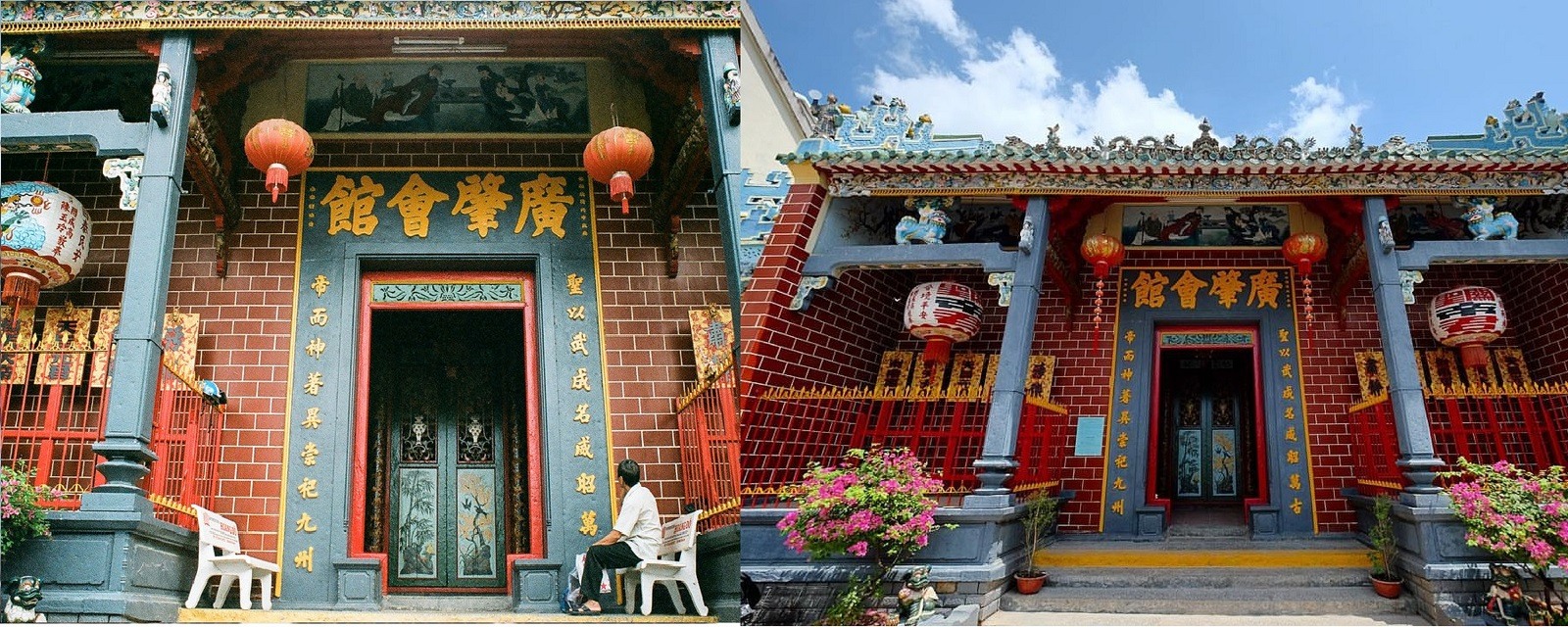
The architecture of the Canton Assembly Hall of Can Tho is arranged in the shape of the Chinese character “國” (Nation), with enclosed, perpendicular wings surrounding an open courtyard known as the skylight (Gieng Troi). The roof features traditional yin-yang tiles, with ridges made of dark green glazed ceramic.
The rooftop is beautifully decorated with multicolored ceramic sculptures, including motifs such as dragons chasing pearls, phoenixes, and figures representing traditional Chinese celebrations. At each end of the roof are statues of figures holding the sun and the moon, symbolizing the balance of yin and yang.
To enter the temple, visitors ascend five green stone steps and pass through a traditional wooden door painted with images of two guardian deities. Inside, the space is divided into three parts: the front hall, where Phuc Duc Chinh Than and Ma Tien Tuong Quan are worshiped. A wooden screen separates the front hall from the main hall, creating a sense of sacredness by preventing direct entry from the outside.
The skylight, lower than the rest of the temple, is covered with a retractable roof that allows for natural light and ventilation. Above the central hall hangs a wooden “Bát Nhã” dragon boat, intricately carved with human figures, reflecting the artistry typical of Chinese religious structures.
The main hall, the temple’s most important area, features rows of wooden altars framed with glass, displaying intricate gilded carvings that depict scenes from The Romance of the Three Kingdoms and daily life activities like carrying water and chopping wood. In the center, the primary deity, Guan Sheng Dijun (Quan Thánh Đế Quân), representing righteousness and loyalty, is seated on a throne with a red face, long black beard, and a green robe.
Other deities, including Mazu (Thiên Hậu Thánh Mẫu), Caishen (Tài Bạch Tinh Quân), and Dong Yong (Đổng Vĩnh Trạng Nguyên), are also worshipped here. To the left of the main hall is a shrine dedicated to the bodhisattva Guan Yin (Quan Âm). The statues are crafted from various materials like wood, plaster, and ceramics, showcasing Chinese craftsmanship.
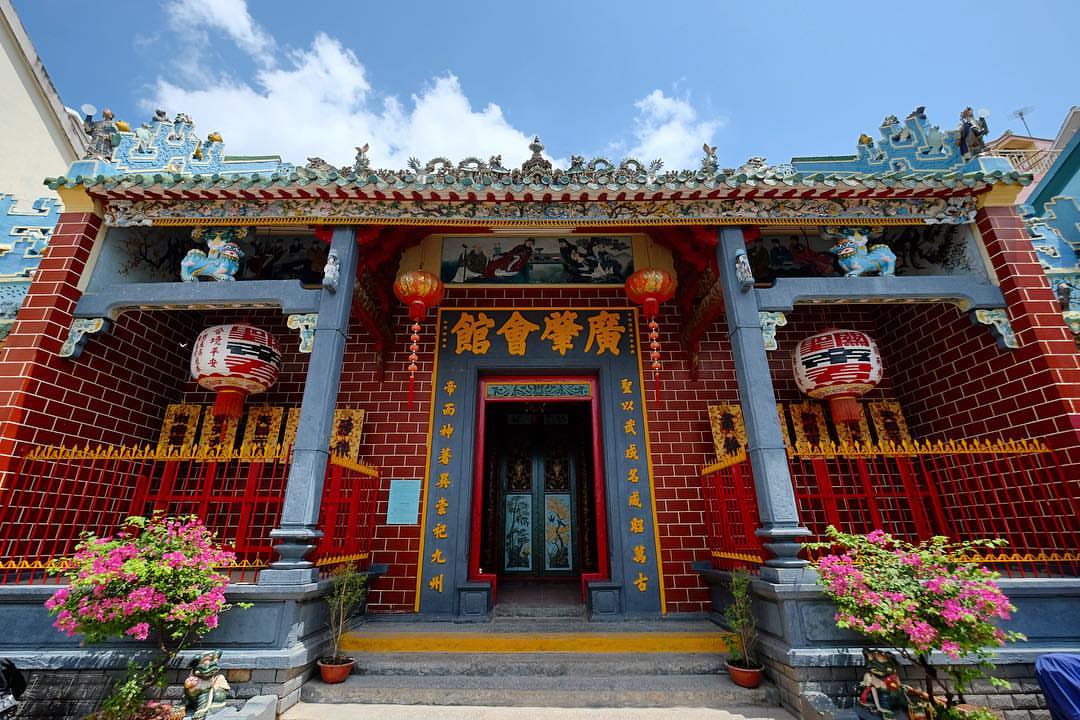
The impressive architecture of the Canton Assembly Hall of Can Tho (Source: Collected)
3.2. Reliefs and carved elements
The standout feature of the Ong Pagoda Can Tho art is its intricate relief carvings, which play a central role in the temple’s decoration. These reliefs are found throughout the structure, from decorative panels and beams to inscriptions and couplets, all crafted using raised carving techniques. The subjects are varied, ranging from Chinese myths and historical stories to motifs like plum blossoms, bamboo, chrysanthemums, dragons, phoenixes, and carp turning into dragons.
In addition to the exquisite carvings that balance both solemnity and elegance, the artisans also showcased their skill in calligraphy. Styles such as “Seal Script” and “Cursive Script” are engraved on boards, couplets, incense burners, and bronze bells, enhancing both the aesthetic value and spiritual depth of the pagoda.
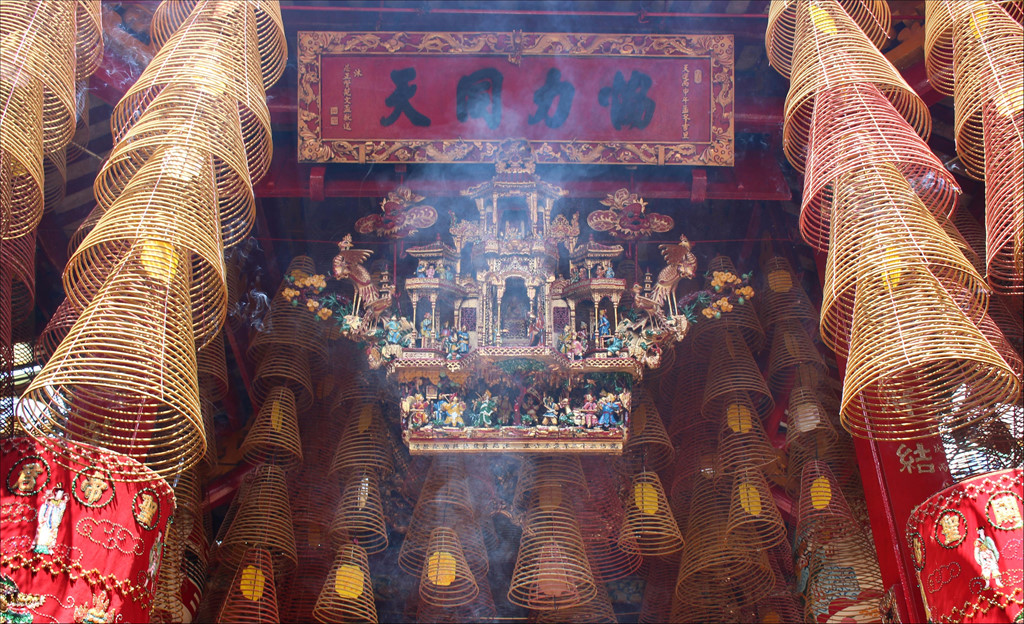
One of the most striking aspects of Ong Pagoda’s art is its detailed relief carvings (Source: Collected)
4. Things to experience at Canton Assembly Hall of Can Tho
4.1. Experience local religious customs and practices
At the Canton Assembly Hall of Can Tho, visitors can experience the deeply rooted religious customs of the local Chinese community. This 130-year-old pagoda is not only a place of worship but also a cultural hub where people come to seek blessings.
One of the prominent practices is offering incense coils for blessings. Visitors write the names of those seeking fortune on small plaques, either in Vietnamese or Chinese, and attach them to large incense coils, which burn over 1-2 weeks. The slow-burning incense symbolizes long-lasting prayers and wishes for prosperity.
Worshippers also partake in offering various items to honor different deities, each requiring specific offerings. Lady Thien Hau, for instance, is offered red roasted pork, while Quan Cong receives vegetarian offerings, and Ong Ban is honored with a live pig.
The temple also holds a unique lantern ritual every decade, where participants believe that owning a lantern from the temple brings good fortune and success. These practices provide visitors with a glimpse into the vibrant spiritual traditions and cultural values that have been preserved for generations.
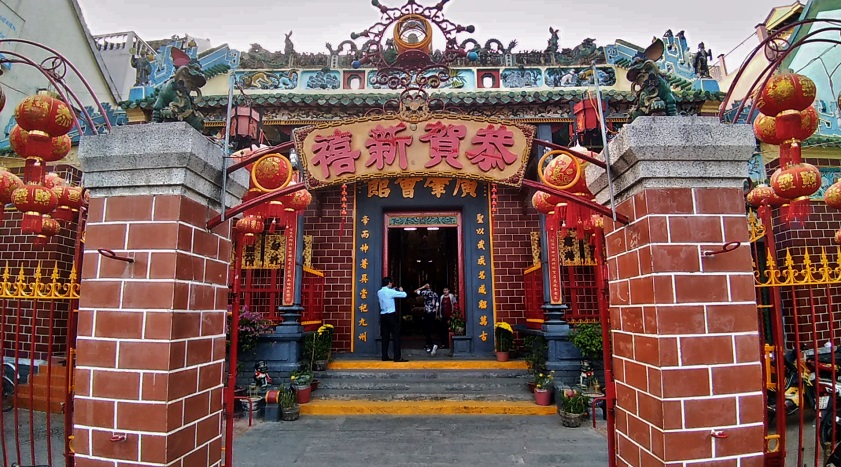
Visitors frequently come to Ong Pagoda to seek blessings for good fortune and tranquility (Source: Collected)
4.2. Join in spiritual celebrations and festivities
The Canton Assembly Hall of Can Tho is where both local and international visitors gather to pray and admire its history and architecture. The busiest times are during significant festivals like those of Lady Thien Hau, Phuc Duc Chinh Than, Tai Bach Tinh Quan, and most notably, the Quan Thanh De Quan Day on the 24th day of the sixth lunar month.
Though the ceremony is brief, lasting about 15 minutes, it remains a solemn and sacred event steeped in folk culture. Offerings such as roasted pork, duck, fruits, incense, candles, and ceremonial paper garments of Guan Sheng Di Jun are made by both the local Chinese and Vietnamese communities, who come to pray for wealth, peace, and prosperity.
Beyond these main festivals, Ong Pagoda hosts traditional events like the “Khai Quang Diem Nhan” (eye-dotting) ceremony, lion and dragon dances, and the lantern auction. The “Khai Quang Diem Nhan” is held at year’s end or before lion and dragon dance performances, where the eyes of the creatures are ceremonially painted to bring them to life. It is believed this ritual, done on an auspicious day, infuses the lions with energy for solid and graceful movements.
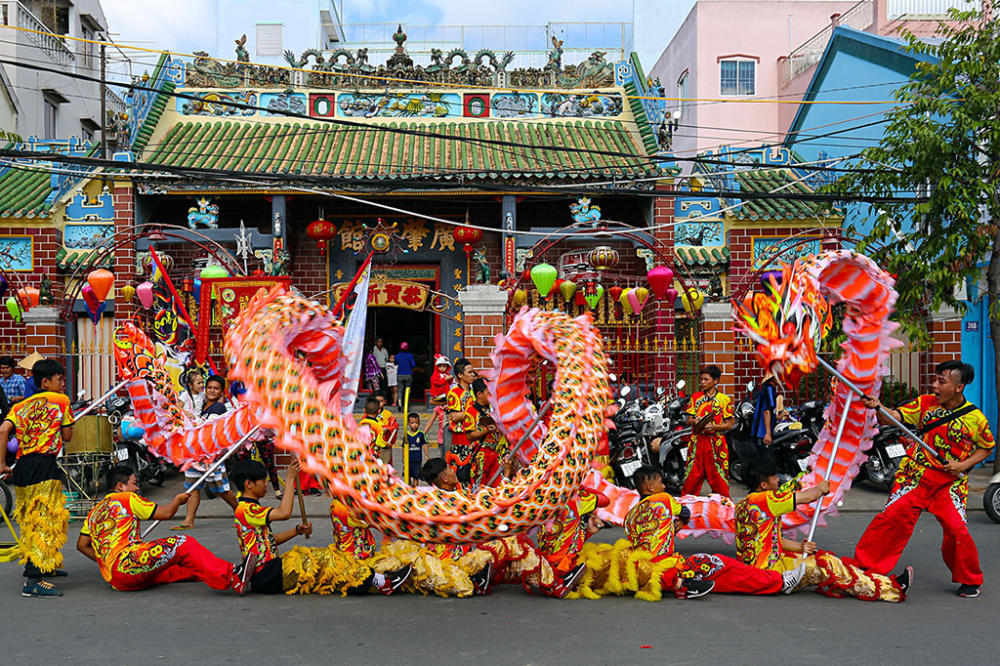
Ong Pagoda festival (Source: Collected)
4.3. Explore nearby attractive tourist attractions
Around Ong Pagoda, Can Tho offers many attractive destinations for visitors to explore as part of their journey through the Western capital. Each site adds its unique charm, contributing to the city’s rich cultural and historical tapestry.
Surrounding Ong Pagoda, Can Tho boasts many attractive destinations for visitors to explore during their journey through the “capital of the Mekong Delta.” Each site adds its own unique charm, enriching the city’s vibrant cultural and historical landscape.
- Ninh Kieu Wharf (190 meters away): A symbol of Can Tho, this scenic riverside promenade lets visitors take leisurely walks along the Hau River, enjoy the picturesque views, and join boat tours to explore the famous floating markets. In the evening, Ninh Kieu Wharf becomes even more vibrant with illuminated lights and bustling night markets.
- Can Tho Market (300 meters away): One of the busiest among Can Tho markets, where you can experience the daily life of locals. It is a great spot to shop for fresh seafood, local specialities, and handcrafted souvenirs, offering a glimpse into the vibrant culture of Can Tho.
- Can Tho Museum (600 meters away): Perfect for history enthusiasts, this museum displays numerous artifacts and exhibits about the history and culture of the Mekong Delta region. Visitors can learn more about the traditions and lifestyles of the local people.
- Munir Ansay Temple (900 meters away): A unique Khmer temple with intricate architecture, it serves as an important spiritual site for the local Khmer community. Visitors can admire the detailed carvings and immerse themselves in the spiritual practices of this cultural group.
- Luu Huu Phuoc Park (1 kilometer away): A green space in the heart of the city, this park is ideal for relaxation, walking, or enjoying outdoor cultural events. With its fresh air and peaceful atmosphere, it is a perfect stop for those looking to unwind and soak in the local life.
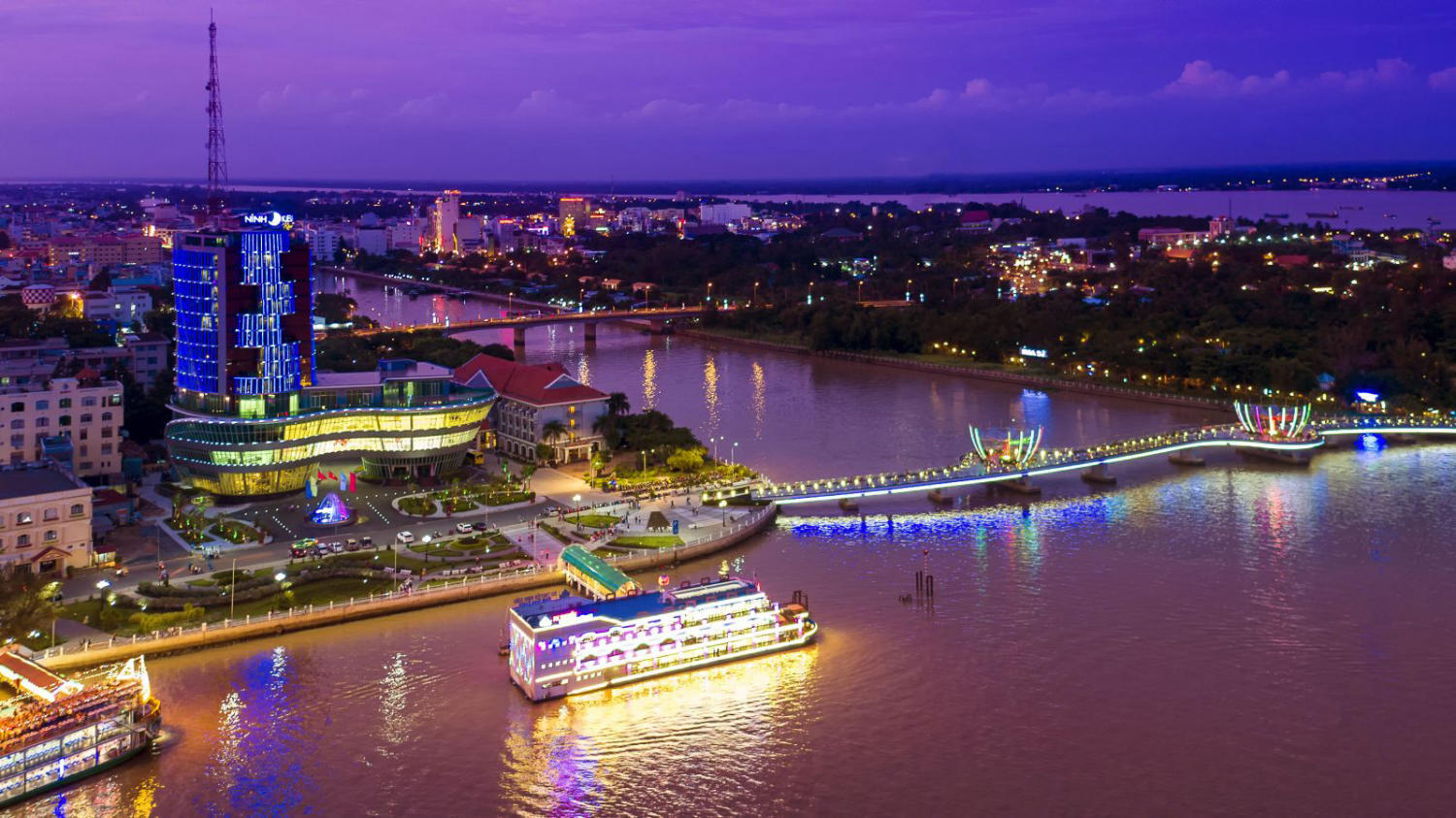
Visitors should not miss Ninh Kieu Wharf when visiting Can Tho (Source: Collected)
The Canton Assembly Hall of Can Tho stands as a symbol of cultural and spiritual significance, not only for the local Chinese community but also for the entire city. Its historical value, intricate architecture, and deeply rooted religious practices provide visitors with a unique opportunity to explore the rich heritage of the region.
Beyond Can Tho, Vietnam travel invites tourists to explore a variety of captivating destinations such as Hanoi, Ha Long, Hoi An, Nha Trang, Phu Quoc, etc. Each location promises a rich cultural and scenic experience for all types of travelers.
For those seeking family-friendly entertainment, VinWonders is a must visit. This amusement park chain offers everything from thrilling rides and expansive water parks to cultural showcases and animal encounters, ensuring a day packed with excitement and adventure.
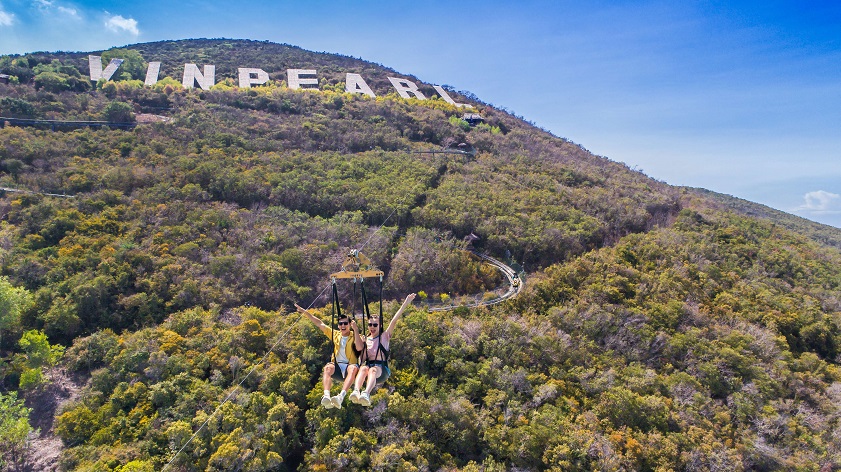
VinWonders offers excitement and unforgettable moments for every visitors
After a day of exploration and fun, indulge in relaxation at one of the luxurious Vinpearl hotels and resorts. These premium accommodations, found in prime locations like Nha Trang and Phu Quoc, offer world-class facilities, stunning oceanfront views, and impeccable service, creating the perfect setting for a rejuvenating getaway.
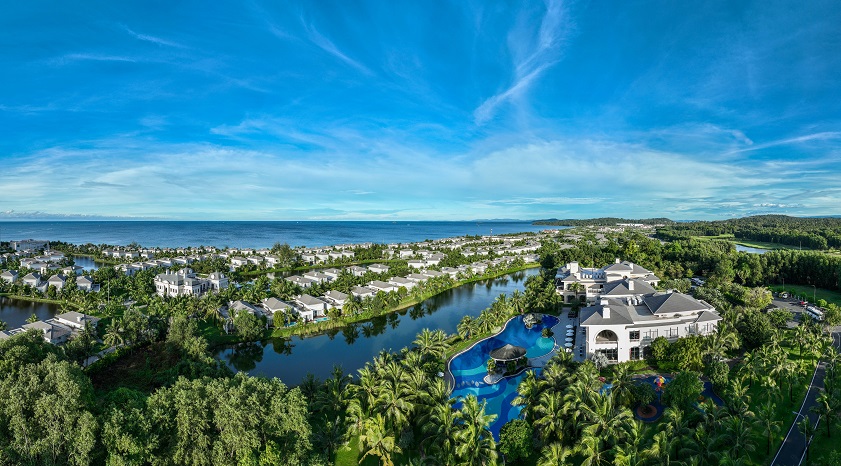
Whether you seek relaxation or excitement, Vinpearl ensures your Vietnam travel experience is both memorable and luxurious
Book VinWonders Phu Quoc ticket now
Book VinWonders Nha Trang ticket now
Book VinWonders Nam Hoi An ticket now
Best-selling products