 en
en


 Tiếng Việt
  中文 (中国)
  한국어
한국어  Русский


 15/09/2024
 933 views
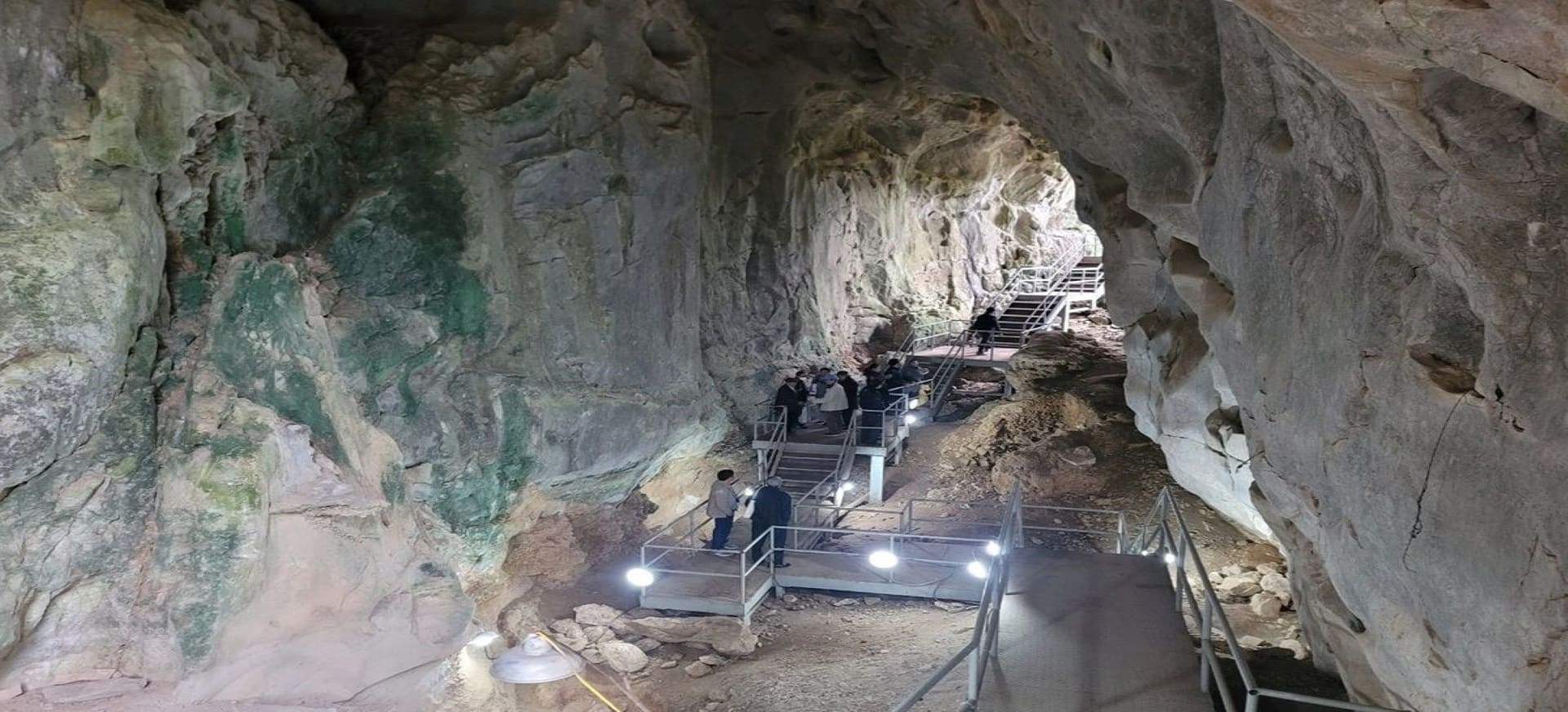
Con Moong Cave photos capture the cave’s stunning natural formations (Source: Collected)
1. A glance at Con Moong Cave in Thanh Hoa, Vietnam
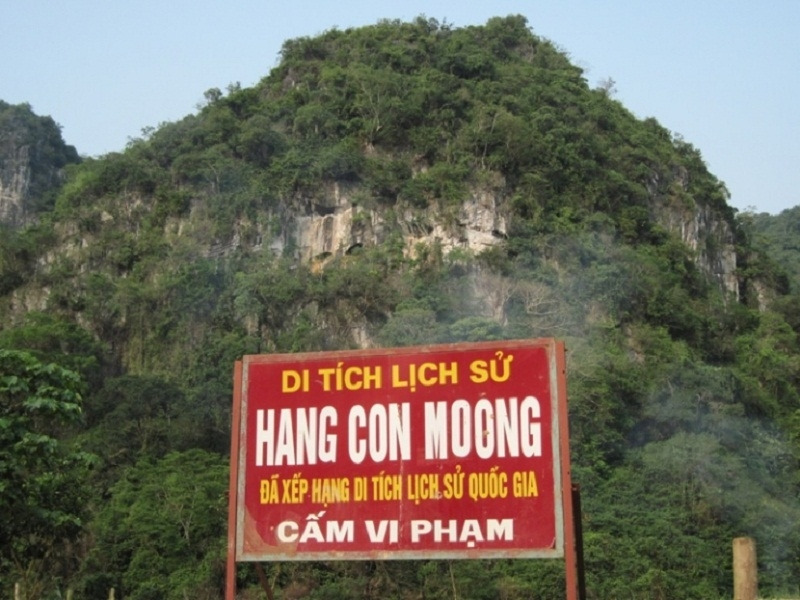
Con Moong Cave, also known as Animal Cave, is an extraordinary archaeological site nestled in Thanh Trung Village, Thanh Yen Commune, Thanh Hoa Province. To be more specific, Con Moong Cave is located in the buffer zone of Cuc Phuong National Park. The cave stretches approximately 40 meters in length, with two open ends and a ceiling that reaches up to 10 meters high in certain sections. This site has earned a distinguished reputation within the Vietnamese archaeological community and on the global stage.
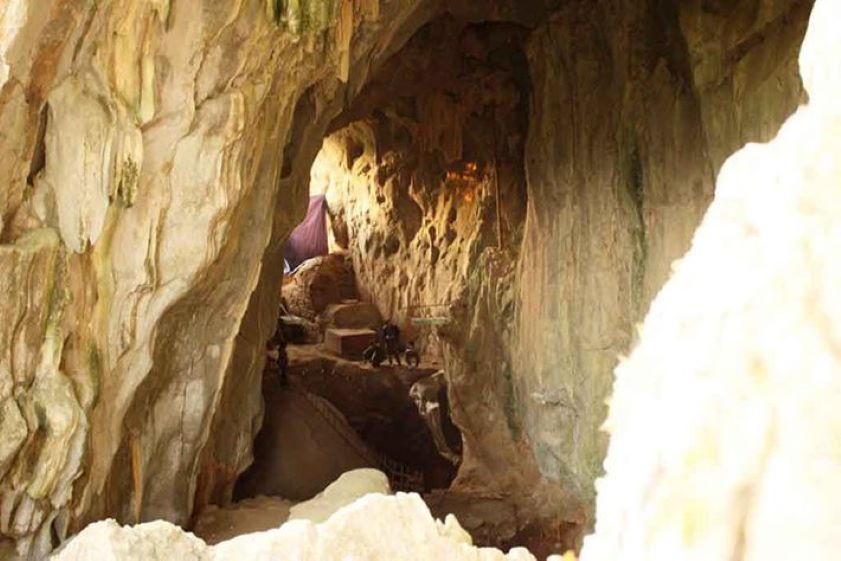
Con Moong Cave history is crucial for understanding the development of human societies (Source: Collected)
Buried deep within the layers of sediment, Con Moong Cave still preserves traces of prehistoric human activity, offering a unique glimpse into ancient life. Recognized for its cultural significance, it was named a National Archaeological Site in 2007, and in 2016, it was further honored a Special National Archaeological Site by Vietnam’s Ministry of Culture, Sports, and Tourism.
2. The discovery and excavation of Con Moong Cave
Con Moong Cave was discovered in 1974 and has been the focus of four major excavation efforts, each adding to our understanding of prehistoric life in Vietnam.
- 1976: The first excavation
The initial excavation took place in 1976, covering an area of 24 square meters, with 8 square meters preserved as a research site. This first excavation revealed the continuous development of stone tool industries throughout the stages of the Vietnamese Stone Age. The findings illuminated the transition from the Old Stone Age to the New Stone Age, highlighting the evolution of human life from hunting and gathering to the beginnings of primitive agriculture, marking the shift from prehistoric times to early civilization.
- 2008-2009: The second excavation
In 2008 and 2009, the Thanh Hoa Provincial People’s Committee tasked the Department of Culture, Sports, and Tourism with continuing the excavation and research of Con Moong Cave and its surrounding sites. This phase aimed to establish criteria for building a World Cultural Heritage dossier, further emphasizing the site’s significance.
- 2010-2013 & 2014: The third and fourth excavation
The third phase of excavation occurred between 2010 and 2013, followed by a fourth in 2014. These later excavations reaffirmed the continuous development of stone tool industries across the Stone Age periods in Vietnam. They provided deeper insights into the pivotal transition from the Old Stone Age to the New Stone Age, highlighting the progression from a lifestyle of hunting and gathering to one of primitive agriculture, and ultimately, to the dawn of civilization.
- Discovery of Additional Sites
In addition to Con Moong Cave, a series of new caves were discovered through these extensive excavation studies. These include Lai Cave, Chun Cave, Bo Giao Cave, Dau Voi Mountain earthwork relic, Diem Cave, Chieng Cave, Moc Long Cave, and Moc Long Stone Roof Cave. Each of these sites holds historical, cultural, and scientific significance, further enriching our understanding of the prehistoric context of Vietnam and Southeast Asia.
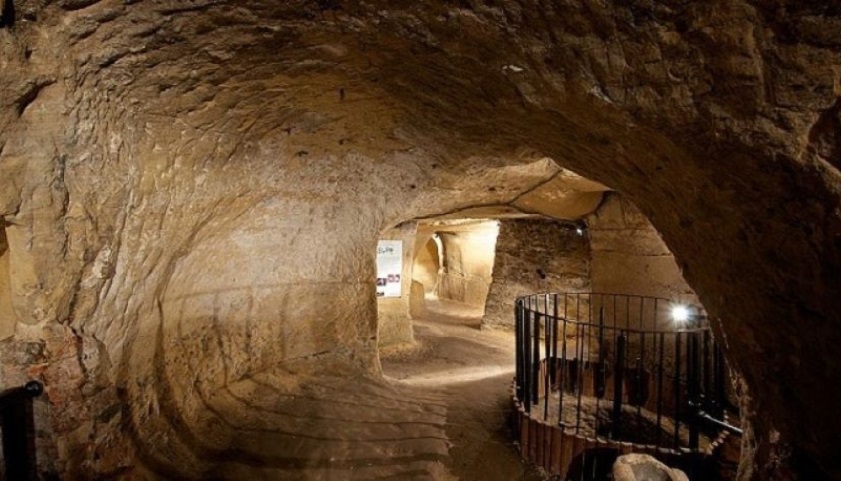
The items in Con Moong Cave reveal a rich tapestry of human evolution, showcasing changes from the Old Stone Age to the New Stone Age (Source: Collected)
Let’s explore some famous caves in Vietnam!
Best-selling products
![[02 Day Combo] - Admission to VinWonders + Vinpearl Safari Phu Quoc | Gifts: Meal Voucher + Teddy Bear Museum](http://booking-static.vinpearl.com/tours/877d8a3289a246d18f95aa5cc414f6d6_27be58d21e244664bf34d11d72e77860_Castle_vinwonders-phu-quoc-ve-vao-cua_vinwonders-phu-quoc-ve-vao-cua.jpg)
![[Hoi An Passport] VinWonders Ticket + Buggy + Hoi An Coconut Forest Boat](http://booking-static.vinpearl.com/tours/9a5a9b25d51e4308be89afd9a4ce0e4a_1%20(2)_vinwonders-nam-hoi-an-ve-vao-cua.jpg)
![[Nha Trang Passport] - [Half-Day] - Cable Car + Aquafield Sauna (2 hours) + Tata Show](http://booking-static.vinpearl.com/tours/91c34711df754e76b66d3ff6d3436e26_34d71a9c3e6b4b7484f9d7cbbc935c26_200dd4dda03e45e0a1add52e4acc11fa_NHT_1796_ve-xem-tata-show-vinwonders-nha-trang_ve-xem-tata-show-vinwonders-nha-trang.jpg)
![[VinWonders Cua Hoi] - Indoor Games Area](http://booking-static.vinpearl.com/tours/aa8379d6db3a4f5c9df6d78d53177c35_11-E-Ticket-Vinwonder-Cua-Hoi_23072024111407_vinwonders-nam-hoi-an-ve-vao-cua.jpg)
![[VinWonders Nha Trang] - Standard Admission Ticket to VinWonders | Free F&B Voucher](http://booking-static.vinpearl.com/tours/ef49c187eadf4177b425d2bb85a18b30_200dd4dda03e45e0a1add52e4acc11fa_NHT_1796_ve-xem-tata-show-vinwonders-nha-trang.jpg)
![[Vinpearl Harbour] - Happy Hour Combo: Round-trip Cable Car + Dinner Buffet + Tata Show](http://booking-static.vinpearl.com/tours/a869acdae59e4137855742de1cbbb1af__KAH2165_vinpearl-harbour-combo-happy-hour.jpg)
![[Grand World Phu Quoc] [Ultimate Combo] - Water Taxi + Teddy Bear Museum + Grand Show](http://booking-static.vinpearl.com/tours/6cee2bcb52a447009f64771095d03c9e_Screenshot%202024-10-22%20at%2014.49.18_ve-bao-tang-gau-teddy-bear.png)
![[VinWonders Nha Trang] - 01-day Unlimited Admission Ticket | Free F&B Voucher](http://booking-static.vinpearl.com/tours/ccf23087ea0f419980c411d0e79c10fb_88c594a8352d49e7b031b9fbd5c5d27f_tro-choi-mao-hiem-o-vinpearl-nha-trang-thumb-1_vinwonders-nha-trang-khong-gioi-han-2-ngay_vinwonders-nam-hoi-an-ve-vao-cua.jpg)
![[VinWonders Nha Trang] - Admission to VinWonders after 4:00 PM](http://booking-static.vinpearl.com/tours/de2da6d471b34297ab13cb26ef2da9a0_Hinh-anh-VinWonders-Nha-Trang-The-World-Garden-Lau-vong-canh-3x2-so-1_vinwonders-nha-trang-ve-vao-cua-sau-16h.jpg)
![[Vinpearl Aquarium Times City] Entrance Ticket](http://booking-static.vinpearl.com/tours/8702a10bf2934d6299df65669a290679_aquarium%20times%20city%203_thuy-cung-vinpearl-aquarium-times-city.jpg)
![[VinWonders Cua Hoi] Combo Entrance Ticket | Includes Cable Car + Games Area (excluding Gokart and Indoor Games)](http://booking-static.vinpearl.com/tours/d5af0cb7759d48a7a2b991c8de1e19a0_Hinh-anh-VinWonders-Nam-Hoi-An-Noi-bat-3x2-so-3%20(1)_vinwonders-nam-hoi-an-ve-vao-cua.jpg)
![[Zoo Tram Combo] - Admission to Vinpearl Safari Phu Quoc + Zoo Tram](http://booking-static.vinpearl.com/tours/91af11bafaf549649cb13be8151df18e_uu-dai-vinpearl-safari-phu-quoc-1_1711097070_ve-combo-tinh-hoa-viet-nam-va-bao-tang-gau.jpg)
![[VinWonders Vu Yen] - Admission Ticket to Games after 5 PM](http://booking-static.vinpearl.com/tours/edbd3eb4bc9848aead9940e0f5aa050d_fa21c62dfa9644ada0c3fce89b3e79ff_DO__8711_vinwonders-vu-yen-vuon-thu-khu-tro-choi-sau-17h.jpg)
![[Aquafield] - [Female] - 4-hour Korean Sauna](http://booking-static.vinpearl.com/tours/0e6fe24c37b84cb799b94dae70578054_aqf-suong-may-2048x1365_aquafield-nha-trang-xong-hoi-chuan-han.jpg)
![[VinWonders Nam Hoi An] - Standard Admission Ticket](http://booking-static.vinpearl.com/tours/81813f8ced2c466e82ad53f1c29c1904_tour-kham-pha-van-hoa-viet-vinwonders-nam-hoi-an-668ca102bcc29_vinwonders-nam-hoi-an-ve-vao-cua.jpg)
![[VinWonders Phu Quoc] - Standard Entrance Ticket](http://booking-static.vinpearl.com/tours/0dd25afc61ad45d48486bbd3b9c8a96a_tieu%20chuan%201_vinwonders-phu-quoc-ve-vao-cua.jpg)
![[VinGroup Employees] Standard Admission Ticket to Ocean Park 3 Water Park](http://booking-static.vinpearl.com/tours/f949b31af919495c9b4e111237642763_358600999_111579731994757_433244877993048710_n_vinwonders-ha-noi.jpg)
![[Buy 2 Get 1] – Combo of 2 Entrance Tickets & Buggy + FREE Kids Combo](http://booking-static.vinpearl.com/tours/5d3ee19e977446be8917a34697bb9443_ece6e58a02fd48de9eba9d3f4689f77a_Hinh-anh-VinWonders-Nam-Hoi-An-River-Safari-3x2-so-1%20(1)_vinwonders-nam-hoi-an-ve-vao-cua_vinwonders-nam-hoi-an-ve-vao-cua.jpg)
![[Vinpearl Safari Phu Quoc] - Standard Entrance Ticket + Meal voucher gift](http://booking-static.vinpearl.com/tours/ceb77f9174d845ebb2fd3dfe2b846066_3%20copy_vinwonders-nam-hoi-an-ve-vao-cua.jpg)
![[50% Student Discount] – VinWonders Admission Ticket](http://booking-static.vinpearl.com/tours/43126c168bb04853bf7c93e197db724a_Banner%201200x628_vinwonders-nha-trang-ve-vao-cua-2-chieu.jpg)
![[Grand World] Skydrop ticket](http://booking-static.vinpearl.com/tours/ed7c962747be42458f35c7b18340b901_A2-4-jpeg-2640-1687438608_grandworld.jpg)
![[01 Day Combo] - Admission to VinWonders + Vinpearl Safari Phu Quoc](http://booking-static.vinpearl.com/tours/65ba6f5d4c5d423791dc1b90555959d9_CB1D%200_Combo-ve-vao-cua-vinwonders-safari.jpg)
![[Grand Park] Tropical Island Water Park Entrance Ticket](http://booking-static.vinpearl.com/tours/eeb9a602315342ccbc7965b29cfb0db0_Ảnh%20màn%20hình%202025-03-03%20lúc%2015.00.17_vinwonders-nam-hoi-an-ve-vao-cua.png)
![[Grand World Phu Quoc] - Water Taxi Boat + Teddy Bear Museum](http://booking-static.vinpearl.com/tours/add2e0908faa4289b555856472b181be_VENICE%20ALL%20IN%20ONE%20KV%20(1)_ve-bao-tang-gau-teddy-bear.jpg)
![[VinWonders Vu Yen] - Admission Ticket to Zoo + Games + Buffet](http://booking-static.vinpearl.com/tours/b2cd8cf6b14c48459b21393e14d73163_vwvy%201_vinwonders-nha-trang-ve-vao-cua-2-chieu.jpg)
![[Hon Tam] - [Zone A&B] - Full island entertainment + Mud Bath Zone A + Lunch](http://booking-static.vinpearl.com/tours/af991883d63f4133b62b76551ba2444d_tam-bun-dao-hon-tam_httpswwwhontammudbathvnwp-contentuploadssites2720190625-3-2200x700jpg.jpg)
![[VinWonders Vu Yen] - [04 Adults] - Admission to Zoo + Games | FREE 01 Limited Tote Bag](http://booking-static.vinpearl.com/tours/34488b227a3648e5b73d4aa6d6d36b46_DO__8153_vinwonders-nha-trang-ve-vao-cua-2-chieu.jpg)
![[Grand World] Carousel Ride](http://booking-static.vinpearl.com/tours/0d6a4bcfc2a54fd4aa9df0b38ae8c7b6_A2-4-jpeg-2640-1687438608_grandworld.jpg)
![[Vinpearl Aquarium Times City] Entrance Ticket](http://booking-static.vinpearl.com/tours/a8f34fa1704a4063b07ee322b81b9aaf_VINKE%20(1)_vinke-ve-vao-cua-truc-tiep.jpg)
![[Aquafield] - [Male] - 4-hour Korean Sauna](http://booking-static.vinpearl.com/tours/94abeb55e3d54efbac23f7a862445389_0d72b531dd6749bbac2874b915ab0512_Screenshot_8_aquafield-nha-trang_aquafield-nha-trang.png)
![[Buggy Combo] - VinWonders Phu Quoc + Buggy + Free Ice Cream](http://booking-static.vinpearl.com/tours/0fc52a574094489da612d0f36bb4b1e6_buggy%20kem_vinwonders-phu-quoc-ve-vao-cua-tet-vi-vu.jpg)
![[Aquafield] - [Male] - 4-hour Korean Sauna](http://booking-static.vinpearl.com/tours/4ae60d29ea264f8fab17beb6b4415502_aqf-da-muoi_aquafield-nha-trang-xong-hoi-chuan-han.jpg)
![[Aquafield] - 2-hour Aquafield Sauna + 30-min Spa](http://booking-static.vinpearl.com/tours/91265fa8abae49cba05dfe912492c85f_c0c6160fbeb345a68fd211aa23a2a43b_VWNT_Tropical%20Paradise5_ve-xem-tata-show-vinwonders-nha-trang_ve-xem-tata-show-vinwonders-nha-trang.jpg)
![[Aquafield Ocean City] [Male] – Standard Jjimjilbang Sauna Ticket](http://booking-static.vinpearl.com/tours/0be276c684454e8d969c373f35f6be97_DSC_2127_11zon_aquafield-nha-trang.jpg)
![[Nam Hoi An Signature] VinWonders Ticket + VIP Safari Package | FREE Merchandise Gift](http://booking-static.vinpearl.com/tours/881ac31c4a2b4687a59f412901e85b2c_VIN2725_-08746%20(2)_vinwonders-nam-hoi-an-ve-vao-cua.jpg)
![[Hon Tam] - [Zone A] - Mud Bath + Lunch Combo](http://booking-static.vinpearl.com/tours/5debd1efb6d34e42a88efa65354c8c72_ebdde60fd9a44539afe75c9338ec8a3d_ảnh%205_tam-bun-hon-tam.jpg)
![[Vinpearl Harbour] - Round-trip Cable Car Ticket](http://booking-static.vinpearl.com/tours/e584c2f486d246c5820a19f519d184a4_VPHB_Photos15_vinwonders-nha-trang-ve-vao-cua-2-chieu.jpg)
![[Romantic Couple Combo] – Standard Jjimjilbang Ticket & Premium Spa Treatment + Complimentary Bingsu](http://booking-static.vinpearl.com/tours/9f599f374c484303bcfce0a220d48d71_065A8403_aquafield-nha-trang.jpg)
![[Aquafield] - [Male] - Round-trip Cable Car + 4-hour Korean Sauna](http://booking-static.vinpearl.com/tours/625529980f3249e6b0491cddfc30db43_297be2477c5847748ef3bc08603ebf90_aqf%204_aquafield-nha-trang.jpg)
![[02 Day Unlimited Access] - VinWonders + Vinpearl Safari Phu Quoc + Teddy Bear Museum](http://booking-static.vinpearl.com/tours/0a8c0679cffa437a8a7fe90deb639382_cb2d%20unlimited%202_Combo-ve-vao-cua-vinwonders-safari.jpg)
![[Vinpearl Harbour] - Tata Show Ticket & Round-trip Cable Car](http://booking-static.vinpearl.com/tours/18dc9f798082474ba26cf00121da6180_Hinh-anh-VinWonders-Nha-Trang-The-World-Garden-Lau-vong-canh-3x2-so-1_ve-xem-tata-show-vinwonders-nha-trang.jpg)
![[Hon Tam] - [Zone A] - Standard Mud Bath](http://booking-static.vinpearl.com/tours/9db66a615a7d4f119316b338afff30cb_tam-bun-dao-hon-tam_httpswwwhontammudbathvnwp-contentuploadssites2720190625-3-2200x700jpg.jpg)
![[Aquafield] - [Female] - Round-trip Cable Car + 4-hour Korean Sauna](http://booking-static.vinpearl.com/tours/c3bae84e472b42078ca3ff6f28d55d80_1c5968412aca409fa8571c88cc85a4ba_aqf%205_aquafield-nha-trang.jpg)
![[Grand Park] Water Park + Dream Garden Outdoor Games Combo](http://booking-static.vinpearl.com/tours/35566b714d4c4dd9802a6bf4650ac2b1_khu-vui-choi-cua-hoi-9_vinwonders-nam-hoi-an-ve-vao-cua.jpg)
![[Nha Trang Passport] – [01 day] – Snorkeling Tour + Lunch & Mud Bath at Hon Tam + Vinpearl Harbour + Tata Show](http://booking-static.vinpearl.com/tours/f6b1826759674c9c9d3f074e03fa04ba_snorkeling%201_vinwonders-nha-trang-ve-vao-cua-2-chieu.jpg)
![[Onsite service] - Premium VIP Zoo Tour Vinpearl Safari Phu Quoc](http://booking-static.vinpearl.com/tours/ff1e4b66ec1b46edad0c0460144e70ad_VINPEARL%20SAFARI%20PHU%20QUOC%20%20(51)_vinwonders-nam-hoi-an-ve-vao-cua.jpg)
![[Aquafield Ocean City] - Body Exfoliation Session](http://booking-static.vinpearl.com/tours/0e8ee4024e1f4378ba932eb06d945636_Screenshot_14_aquafield-nha-trang.png)
![[Grand World Phu Quoc] - Teddy Bear Museum](http://booking-static.vinpearl.com/tours/30da03237e2f42fe818e6686fb350481_teddy%20bear%201_ve-bao-tang-gau-teddy-bear.jpg)
![[Vinpearl Harbour] - Combo for 02 pax: Round-trip cable car + Two-seater Go Kart ride](http://booking-static.vinpearl.com/tours/ab277ed82445448aad2f6b1a0c249e40_Gokart-1_vinpearl-harbour-go-kart-xe-doi.jpeg)
![[Aquafield Ocean City] [Female] – Standard Jjimjilbang Sauna Ticket](http://booking-static.vinpearl.com/tours/4aec5fed6be54fe8a736aca12893384b_40fc72547fe242f8b6bbbbc428885848_065A8735_aquafield-nha-trang_aquafield-nha-trang.jpg)
![[02 Day Combo] - VinWonders + Vinpearl Safari Phu Quoc + Free Teddy Bear Museum](http://booking-static.vinpearl.com/tours/47fc9cc92af24516a32cbfe52e80b977_s52MIKya-SpikeDay-8824_1920x1080_no-text-1_Combo-ve-vao-cua-vinwonders-safari.jpg)
![[Hon Tam] - 15-Minute Snorkeling](http://booking-static.vinpearl.com/tours/56618ea554304747b54636a31d59f9f4_Untitled-design-1_httpswwwhontammudbathvnwp-contentuploadssites2720190625-3-2200x700jpg.jpg)
3. The significance of cultural layers of Con Moong Cave
Con Moong Cave stands out as one of the most significant archaeological sites in Vietnam, with one of the thickest and most well-preserved cultural layers. The site consists of 10 distinct soil layers, which can be classified into three major cultural layers:
- Cultural Layer III (Layers 2, 3, 4): The most recent layer, containing cobble tools, axes, and pottery typical of the Hoa Binh and Bac Son cultures.
- Cultural Layer II (Layers 6, 7): Rich in various Hoa Binh culture tools, such as almond-shaped, oval, and rectangular cutting tools, scrapers, and bone tools. It also includes huddled tombs mixed with yellow soil, a common feature in Hoa Binh excavation sites.
- Cultural Layer I (Layer 9): The oldest layer, featuring stone tools with usable edges and modified fragments characteristic of the Son Vi culture, indicating a cultural evolution toward the Hoa Binh culture.
Con Moong Cave is crucial for understanding the prehistoric period of Vietnam and Southeast Asia. Its layers trace the development of stone tool techniques from the Son Vi culture through the Hoa Binh and Bac Son cultures. The site also illustrates the evolution of human life from the end of the Old Stone Age, through the Middle Stone Age, and into the New Stone Age, marking the transition from a primitive lifestyle to a more civilized one.
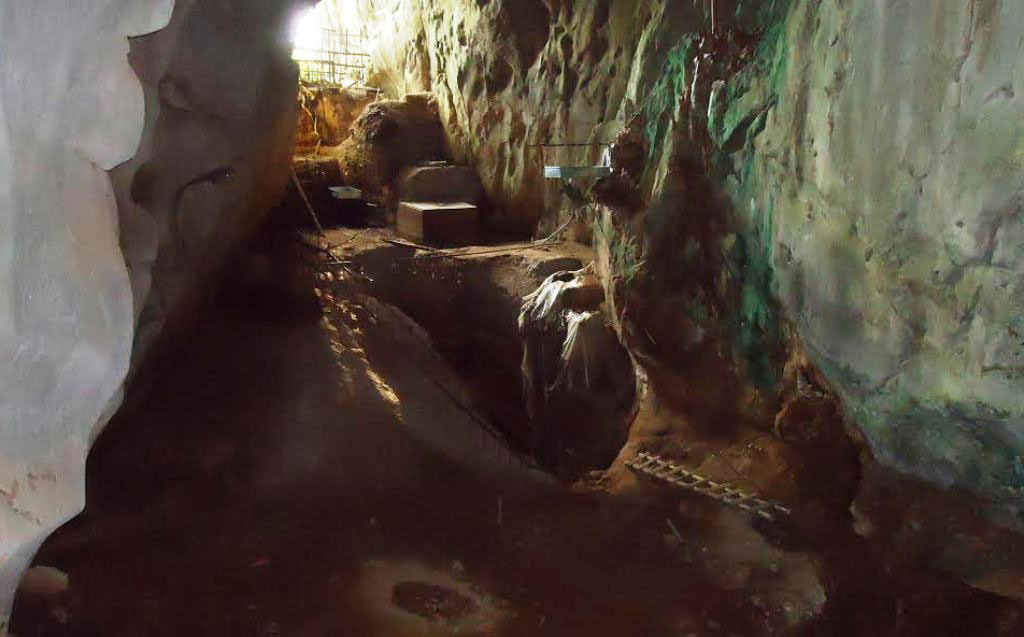
Understanding Con Moong Cave facts is essential for appreciating its role in Vietnam’s historical and cultural heritage (Source: Collected)
4. Things to do on Con Moong Cave tours
In addition to the archaeological excavations conducted by scientists over the years, Con Moong Cave attracts many visitors, including domestic and international tourists, as well as students and researchers. The cave offers a wealth of fascinating activities and opportunities for exploration.
4.1. Explore the cave and biodiversity
Con Moong Cave, surrounded by vast, lush forests, offers visitors a wild and mysterious landscape, rich in both ecological diversity and historical significance. Located in Cuc Phuong National Park, the area is home to over 300 bird species and nearly 2,000 plant species, including ancient trees and year-round blooming orchids.
Inside the cave, you will find thick, complex cultural layers that provide a unique and continuous record of human existence in Southeast Asia. Con Moong Cave not only showcases natural beauty but also serves as a significant archaeological site, revealing the material and spiritual culture of ancient peoples believed to be the ancestors of the Vietnamese.
4.2. Learn about the local ethnic culture
One of the key attractions for visitors to Con Moong Cave is the opportunity to experience the rich cultural heritage of the local Muong ethnic group. The traditional way of life, reflected in their daily activities and communication, offers a unique glimpse into the enduring cultural practices of this indigenous community. The Muong people’s customs and traditions, passed down through generations, add a vibrant and authentic dimension to any visit, making it a memorable highlight for those seeking to connect with the local culture.
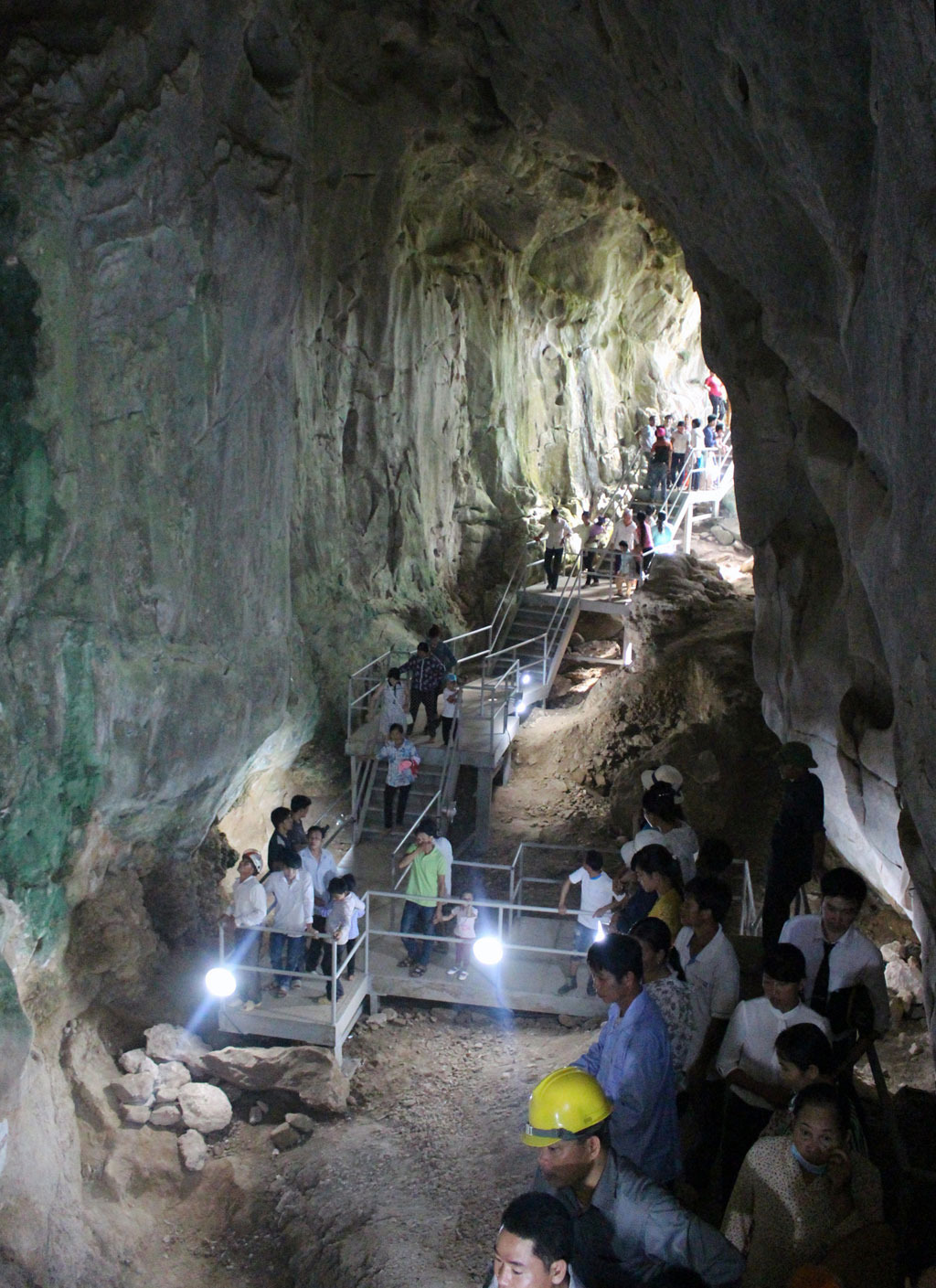
Visiting Con Mong Cave offers tourists a greater insight into local Muong ethnic culture (Source: Collected)
5. How to get to Con Moong Cave in Thanh Hoa?
Visitors have several options to reach Con Moong Cave, depending on their starting point. Those exploring Cuc Phuong National Park can follow the forest trails (guided by tours from Ninh Binh province) to reach the cave directly.
If you are traveling by road from Thanh Hoa City, head towards Kim Tan Town in Thach Thanh District along National Highway 1A and Highway 217. From there, continue to Thanh Yen Commune to reach the cave. For those coming from Hanoi or the southern provinces via Ho Chi Minh Road, look for the road leading to the cave when you pass through Thach Quang Commune in Thach Thanh District.
The 10-kilometer road from Thach Quang Commune to the cave is well-maintained with graded gravel, making it easy to reach by motorbike or car. Thanh Hoa also offers tours to nearby attractions like Cam Luong God Fish Stream and local waterfall.
>>> Don’t forget to check out Thanh Hoa map!
Con Moong Cave is not just a site of natural beauty but also a place rich in archaeological and cultural significance. With lush forests, diverse wildlife, and cultural layers revealing ancient human life, it offers a unique experience for visitors. If you are intrigued by its historical significance or stunning natural beauty, pack your bags and head to Con Moong Cave!
After exploring the captivating Con Moong Cave in Thanh Hoa, make sure to visit the nearby Nghe An Province. While you are there, do not miss the chance to experience VinWonders Cua Hoi, the largest entertainment complex in North Central Vietnam. This brand-new entertainment marvel promises to elevate your journey with countless experiences and endless surprises. From the exhilarating sea-crossing cable car and expansive water park to the lively commercial area and varied dining options, every aspect of VinWonders Cua Hoi is crafted to delight and engage.

VinWonders Cua Hoi
Book tickets of VinWonders Cua Hoi now
Grab the hottest deals at VinWonders
Best-selling products






![[Mega Sale 12.12] Get up to 50% off VinWonders on Double Day](https://static.vinwonders.com/production/2025/11/DD-111125-1920-x-920-336x161.jpg)


