en
en


 Tiếng Việt
  中文 (中国)
  한국어
한국어  Русский


 08/09/2025
 956 views
1. Famous landmarks in Southeast Asia
Southeast Asia is a dream destination filled with famous landmarks in Asia, offering cultural richness and natural beauty across multiple countries.
1.1. Son Doong Cave (Vietnam)
Son Doong Cave, hidden within Phong Nha – Ke Bang National Park, is one of the most extraordinary landmarks in Vietnam. Known as the largest cave in the world, Son Doong astonishes tourists with its vast chambers, towering stalactites, untouched primaeval rainforests, underground rivers, and even a unique weather system. For those pursuing bold adventures during their Southeast Asia travel, a trek to Son Doong Cave offers an unmatched experience.
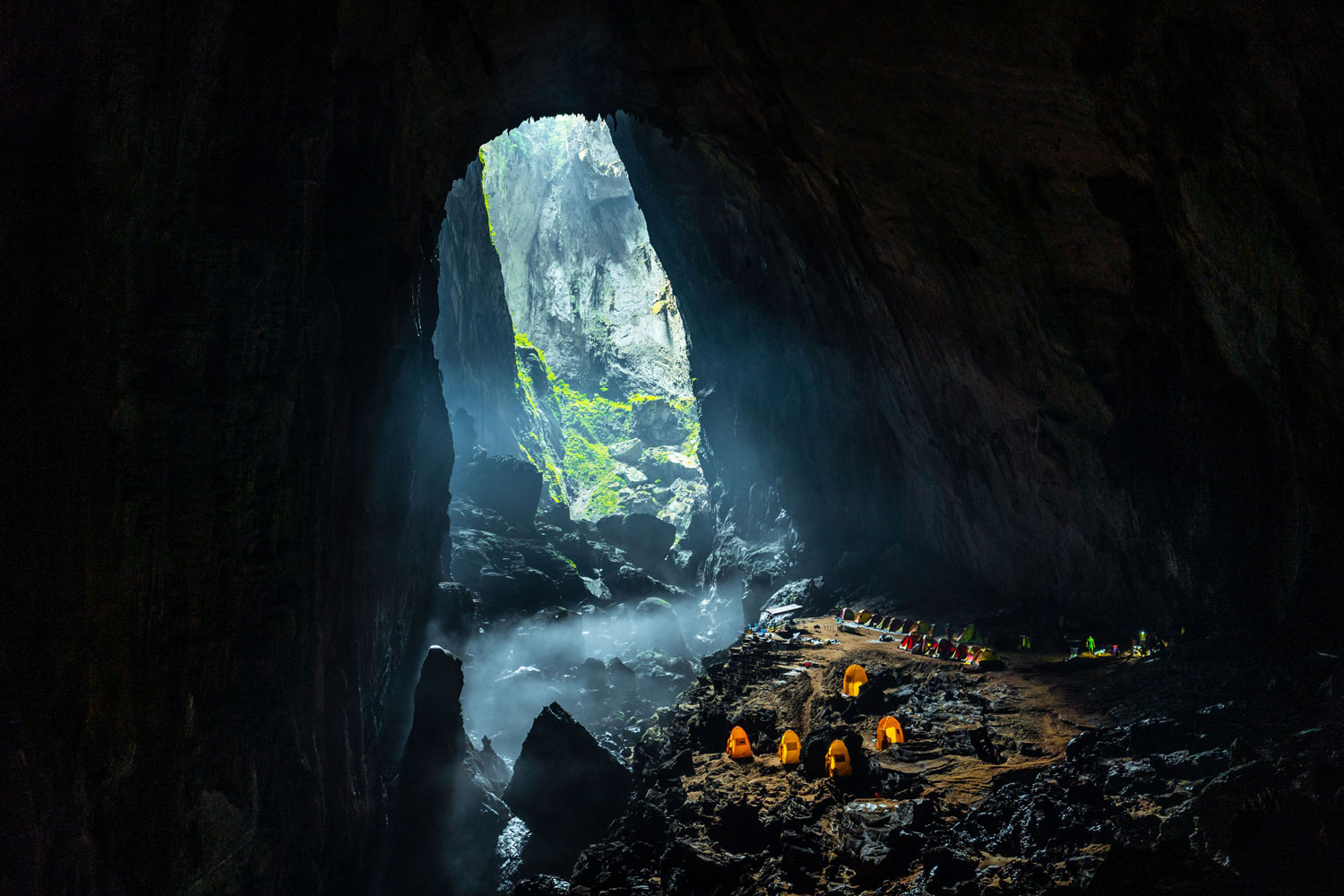
Son Doong Cave is one of the most famous landmarks in Southeast Asia (Source: Collected)
1.2. Ha Long Bay (Vietnam)
Ha Long Bay is celebrated as one of the premier landmarks in Asia. Recognized as a UNESCO World Heritage Site, it is home to nearly 2,000 limestone islands and islets that create a breathtaking seascape. Tourists can cruise through the bay, paddle a kayak between towering rock formations, or explore hidden caves tucked within cliffs. Regularly featured in top international travel magazines, Ha Long Bay is a must-visit on any Southeast Asia travel itinerary.
Beyond these iconic destinations, Vietnam offers plenty more, including the lantern-lit streets of Hoi An Ancient Town in Hoi An, the unspoiled shores of Phu Quoc Island, and the vibrant coastal energy of Nha Trang. For even more excitement, head to VinWonders – a series of entertainment complexes filled with attractions for all ages. After a day of exploration, treat yourself to a luxurious stay at Vinpearl, where comfort and relaxation come together.
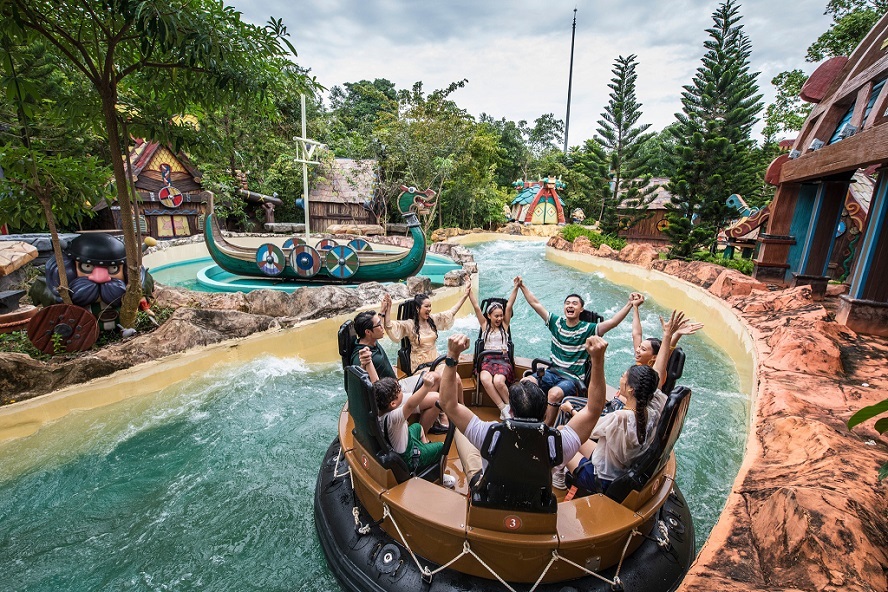
Have the ultimate fun at VinWonders Phu Quoc
Book VinWonders Phu Quoc ticket now
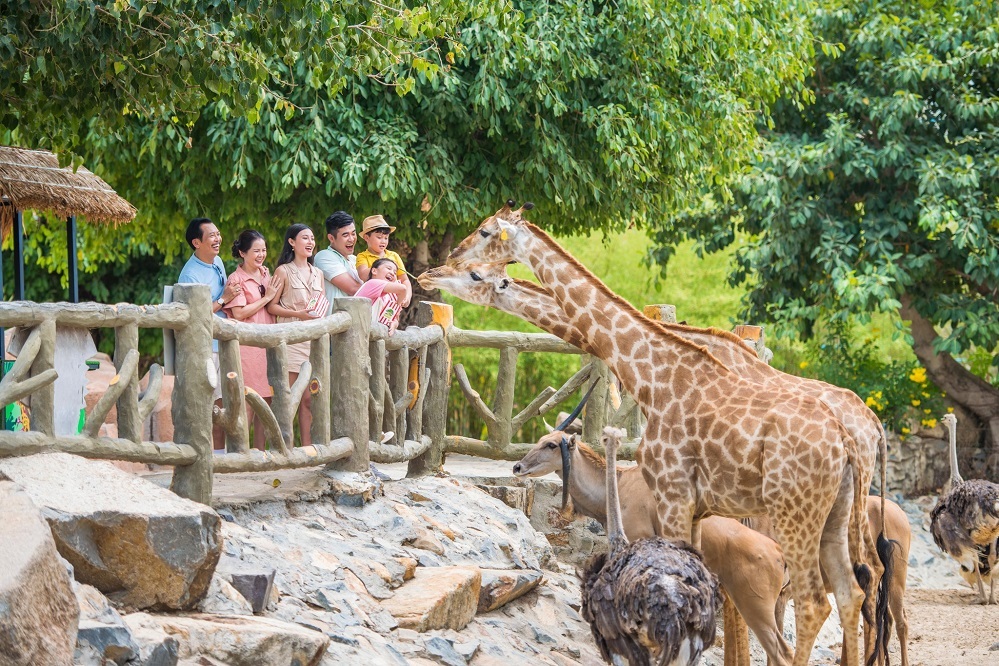
VinWonders Nha Trang offers fun-filled experiences for all ages
Book VinWonders Nha Trang ticket now
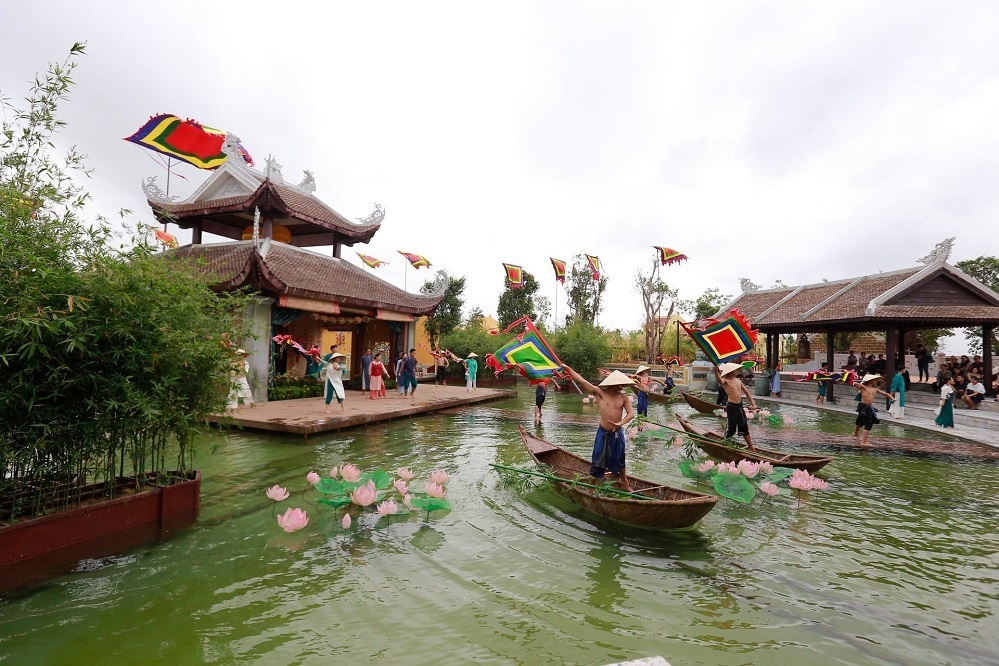
Enjoy a whole day of excitement with your family at VinWonders Nam Hoi An
Book VinWonders Nam Hoi An ticket now
1.3. Bagan (Myanmar)
Bagan is an ancient city that once served as the capital of Myanmar’s first unified kingdom. During its heyday, there were over 10,000 temples, pagodas, and monasteries, of which around 2,000 still stand today. These structures, mostly built between the 11th and 13th centuries, showcase stunning Buddhist architecture with sacred murals. Catching the sunrise at 5 am while gliding over Bagan in a hot-air balloon is a must-try experience for anyone exploring this landmark of Asia.
1.4. Wat Rong Khun (Thailand)
Wat Rong Khun, commonly known as the White Temple, is one of the most visually striking landmarks in Asia. Designed and built by Thai artist Chalermchai Kositpipat in 1997, this dazzling structure is covered in intricate carvings and mirrored glass. The temple combines Thai architecture with contemporary art, where tourists can see sculptures inspired by superheroes and movie characters. It is also advised to see the Bridge of Rebirth and the Golden Building early in the morning to avoid crowds.
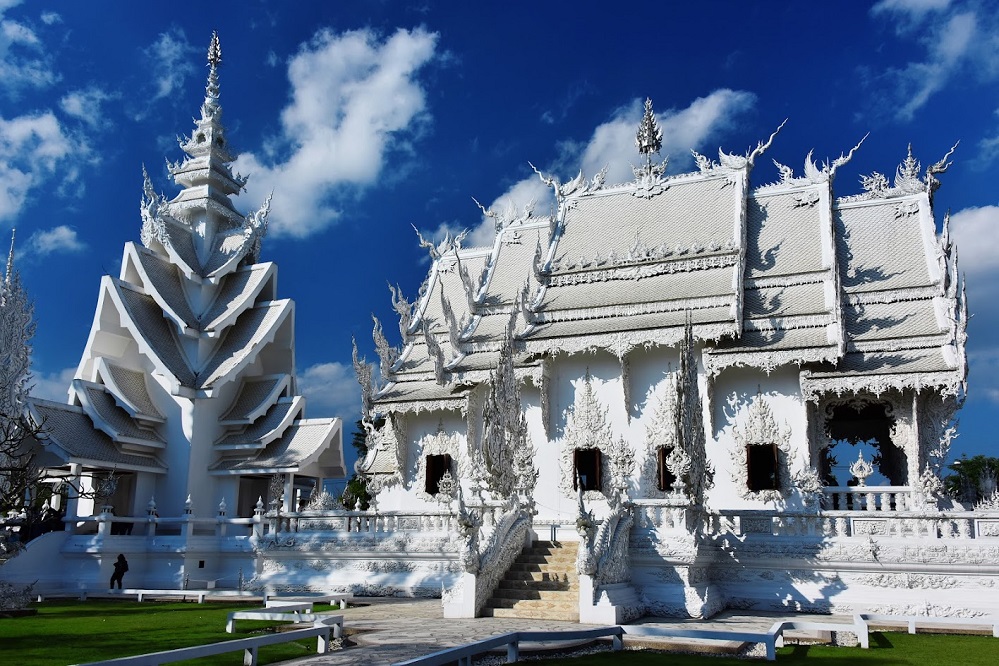
Entirely covered in white, Wat Rong Khun is one of the most distinctive landmarks in Asia (Source: Collected)
1.5. Borobudur Temple (Indonesia)
If you are seeking spiritual experiences among the popular landmarks in Asia, come to Borobudur Temple. Built in the 8th and 9th centuries, this vast UNESCO World Heritage Site holds the title of the largest Buddhist temple in the world. Its architectural design mirrors a massive mandala, featuring 9 ascending platforms topped with a majestic central dome. Encircling the dome are 72 Buddha statues, each seated within a latticework stupa. With over 2,600 relief panels and 500 Buddha statues, Borobudur Temple is a marvel of ancient craftsmanship and also a sacred pilgrimage site during Vesak Day.
1.6. Angkor Wat (Cambodia)
Angkor Wat is one of the most awe-inspiring Southeast Asia travel destinations, a masterpiece of Khmer architecture. Covering 162 hectares, this ancient temple complex is famous for its design and spiritual meaning. It has five towers, the tallest one at 65 meters, representing the sacred Mount Meru from Hindu and Buddhist beliefs. The temple walls are beautifully carved with scenes from Hindu legends, Khmer history, and grand battles. Many tourists flock at dawn to witness the sunrise cast a golden glow across its sandstone wall, making Angkor Wat a photographer’s dream.
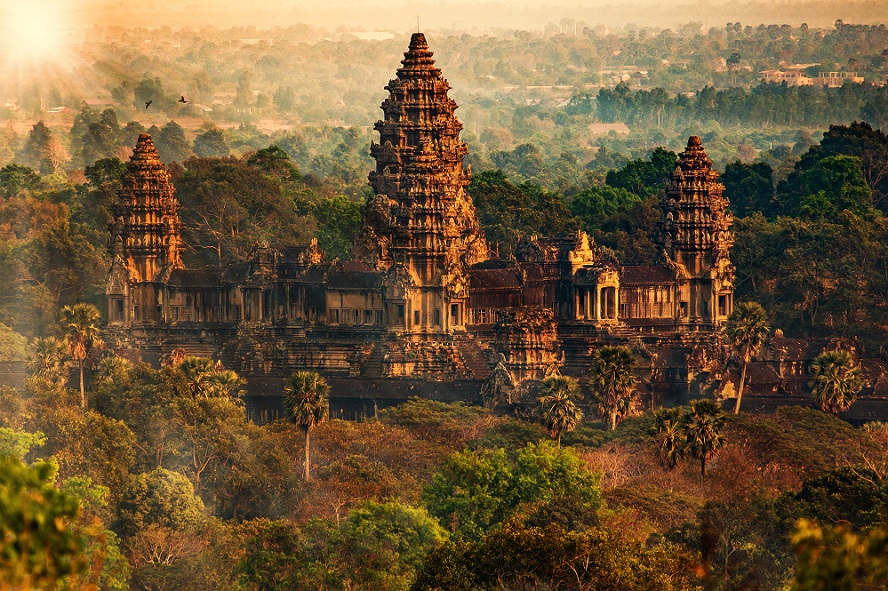
Angkor Wat is one of the prominent religious landmarks in Asia (Source: Collected)
1.7. Gardens by the Bay (Singapore)
When visiting Singapore, be sure to check out Gardens by the Bay, a stunning spot filled with vibrant flowers and breathtaking views. Located in the lively Marina Bay area, this garden blends nature with innovative design. As night falls, the iconic Supertree comes to life with colorful lights that change every minute, set to soothing music. During the day, you can wander through the Flower Dome and Cloud Forest greenhouses, soaking in the beauty of temperate flowers and capturing photos. With its striking landscapes, Gardens by the Bay deserves a top spot on your list of landmarks in Asia.
2. Famous landmarks in East Asia
Known for its rich history, spiritual depth, and stunning architecture, East Asia is packed with incredible landmarks in Asia. Whether you are drawn to ancient wonders or modern feats, these Asian landmarks have something unforgettable.
2.1. Great Wall (China)
Stretching over 21,000 kilometers, the Great Wall of China is a magnificent defensive structure and a symbol of Chinese civilization. Its construction started in the 3rd century BC and lasted through the Ming Dynasty (14th-17th centuries). Sections such as Badaling and Mutianyu have been recognized as UNESCO World Heritage Sites (1987) and frequently appear on the list of the world’s new seven wonders. Tourists can hike along restored battlements to admire the sweeping mountain scenery, explore centuries-old brickwork, and learn about the battles and legends associated with each section.
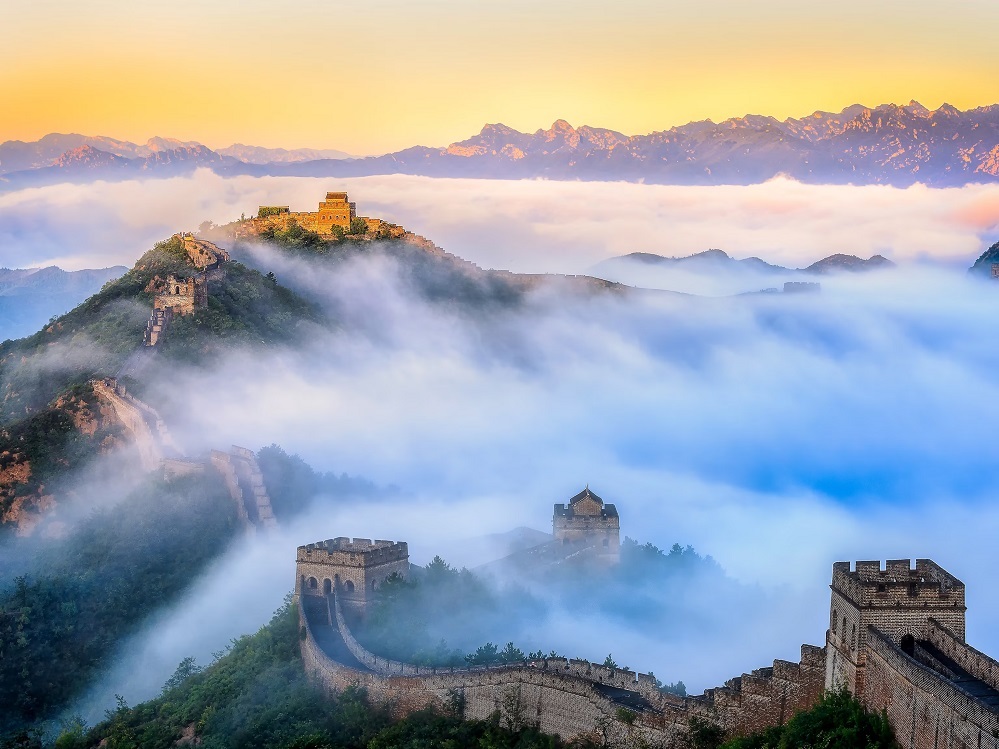
The Great Wall of China is undeniably one of the most impressive landmarks in Asia (Source: Collected)
2.2. Forbidden City (China)
Located in the heart of Beijing, the Forbidden City is a monumental landmark in Asia that once served as the imperial palace for 24 emperors during the Ming and Qing dynasties. Featuring over 900 buildings with nearly 9,999 rooms, it is the world’s largest ancient palace complex and a UNESCO World Heritage Site. Today, the Forbidden City houses the Palace Museum, where tourists can explore over a million historical artifacts. A stroll through its grand courtyards and ornate halls offers a deep dive into China’s rich imperial past.
2.3. Mount Fuji (Japan)
At 3,776 meters, Mount Fuji is Japan’s tallest mountain and one of the most stunning landmarks in East Asia. It attracts hikers worldwide, especially from July to August, when many make the pre-dawn climb to catch the sunrise. With a bit of luck, you might witness the rare “Diamond Fuji” phenomenon, where the sun aligns perfectly with the summit. For those who prefer a more relaxed experience, the nearby Fuji Five Lakes area offers scenic trails, peaceful lakeside views, and soothing hot springs.
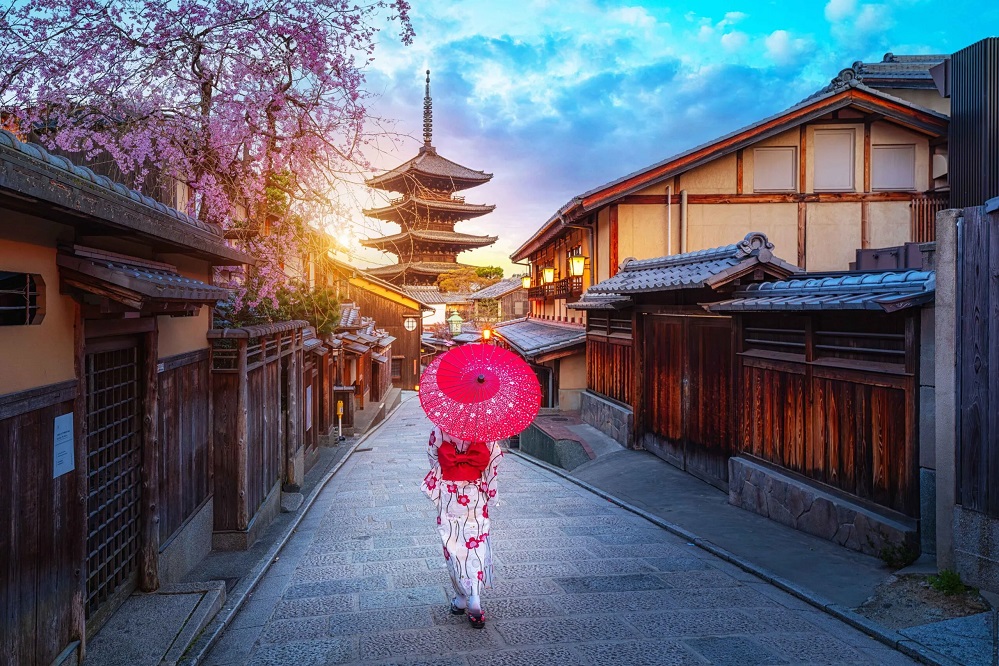
Mount Fuji has become one of the most visited landmarks in Asia (Source: Collected)
2.4. Kyoto (Japan)
Considered the “heart of tradition” of Japan, Kyoto has over 1,600 temples, 400 pagodas, and countless cultural heritages. As the imperial capital for over a thousand years, it preserves historic charm with landmarks like Kinkaku-ji, Kiyomizudera, and Arashiyama Bamboo Forest, all UNESCO World Heritage Sites. Tourists can don a kimono, attend the Gion Matsuri Festival in July, or admire cherry blossoms in spring. Kyoto guarantees to be one of the best places to visit in Asia for those seeking immersive cultural experiences.
2.5. Gyeongbokgung Palace (South Korea)
Originally constructed in 1395 during the Joseon Dynasty, Gyeongbokgung Palace is the most beautiful and grandest of Seoul’s Five Grand Palaces. Its elegant blue-tiled roofs and intricately carved wooden pillars reflect Confucian ideals in Korean architecture. Severely damaged during Japanese invasions and the early 20th-century occupation, the palace has been beautifully restored. Tourists can watch the guard-changing ceremony, rent a hanbok to take photos at Gwanghwamun Gate, explore the National Museum of Korean History, or stroll through Huwon Garden.
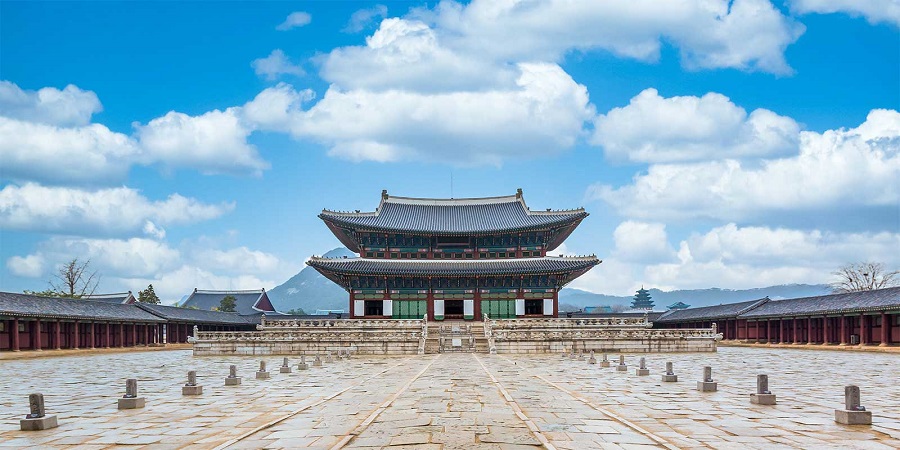
Gyeongbokgung Palace – one of the most beautiful landmarks in Asia (Source: Collected)
Best-selling products
![[VinWonders Nam Hoi An] - Standard Admission Ticket](http://booking-static.vinpearl.com/tours/6c002e3ea71642f38eda8efa8654e5e4_vwnha0_vinwonders-nam-hoi-an-ve-vao-cua.jpg)
![[Onsite service] - VIP Zoo Tour Vinpearl Safari Phu Quoc](http://booking-static.vinpearl.com/tours/ceb77f9174d845ebb2fd3dfe2b846066_3%20copy_vinwonders-nam-hoi-an-ve-vao-cua.jpg)
![[VinWonders Nha Trang] - Standard Admission Ticket to VinWonders | Free F&B Voucher](http://booking-static.vinpearl.com/tours/d1425f018b3e4d2d833374b5b52d8bb9_Hinh-anh-VinWonders-Nha-Trang-The-World-Garden-Lau-vong-canh-3x2-so-1_vinwonders-nha-trang-ve-vao-cua-sau-16h.jpg)
![[Aquafield] - [Male] - Round-trip Cable Car + 4-hour Korean Sauna](http://booking-static.vinpearl.com/tours/625529980f3249e6b0491cddfc30db43_297be2477c5847748ef3bc08603ebf90_aqf%204_aquafield-nha-trang.jpg)
![[-30%] The Quintessence of Vietnam Show](http://booking-static.vinpearl.com/tours/6cee2bcb52a447009f64771095d03c9e_Screenshot%202024-10-22%20at%2014.49.18_ve-bao-tang-gau-teddy-bear.png)
![[Buggy Combo] - VinWonders Phu Quoc + Buggy + Free Ice Cream](http://booking-static.vinpearl.com/tours/0fc52a574094489da612d0f36bb4b1e6_buggy%20kem_vinwonders-phu-quoc-ve-vao-cua-tet-vi-vu.jpg)
![[Vinpearl Harbour] - Happy Hour Combo: Round-trip Cable Car + Dinner Buffet + Tata Show](http://booking-static.vinpearl.com/tours/3cbd16b8edc74f6abc7f7cfa0e91caec_VPHB_Photos15_vinwonders-nha-trang-ve-vao-cua-2-chieu.jpg)
![[VinWonders Phu Quoc] - Standard Entrance Ticket](http://booking-static.vinpearl.com/tours/0dd25afc61ad45d48486bbd3b9c8a96a_tieu%20chuan%201_vinwonders-phu-quoc-ve-vao-cua.jpg)
![[VinWonders Nha Trang] - 01-day Unlimited Admission Ticket | Free F&B Voucher](http://booking-static.vinpearl.com/tours/ccf23087ea0f419980c411d0e79c10fb_88c594a8352d49e7b031b9fbd5c5d27f_tro-choi-mao-hiem-o-vinpearl-nha-trang-thumb-1_vinwonders-nha-trang-khong-gioi-han-2-ngay_vinwonders-nam-hoi-an-ve-vao-cua.jpg)
![[Nam Hoi An Signature] VinWonders Ticket + VIP Safari Package | FREE Merchandise Gift](http://booking-static.vinpearl.com/tours/881ac31c4a2b4687a59f412901e85b2c_VIN2725_-08746%20(2)_vinwonders-nam-hoi-an-ve-vao-cua.jpg)
![[Hon Tam] - [Zone A] - Standard Mud Bath](http://booking-static.vinpearl.com/tours/9db66a615a7d4f119316b338afff30cb_tam-bun-dao-hon-tam_httpswwwhontammudbathvnwp-contentuploadssites2720190625-3-2200x700jpg.jpg)
![[VinWonders Nam Hoi An] - Standard Admission Ticket](http://booking-static.vinpearl.com/tours/81813f8ced2c466e82ad53f1c29c1904_tour-kham-pha-van-hoa-viet-vinwonders-nam-hoi-an-668ca102bcc29_vinwonders-nam-hoi-an-ve-vao-cua.jpg)
![[-10%] [Times City Hanoi] - Combo Aquarium Admission Ticket + F&B Set](http://booking-static.vinpearl.com/tours/e7fcffc8256546e8bdcfd5ccfbe69783_VINKE2%20(1)_vinke-ve-vao-cua-truc-tiep.jpg)
![[VinWonders Vu Yen] - [04 Adults] - Admission to Zoo + Games + Free Tote Bag](http://booking-static.vinpearl.com/tours/34488b227a3648e5b73d4aa6d6d36b46_DO__8153_vinwonders-nha-trang-ve-vao-cua-2-chieu.jpg)
![[Aquafield] - Round-trip Cable Car + Korean Sauna + Body Scrub](http://booking-static.vinpearl.com/tours/d00bc95eb402434c8f4a4756c2a3ad3d_Akoya-spa-Villa-Vinpearl-Resort-Spa-Phu-Quoc-12_aquafield-nha-trang.jpg)
![[Phu Quoc Passport] - VinWonders + Buggy + Deep Sea Voucher + Grand World fun](http://booking-static.vinpearl.com/tours/877d8a3289a246d18f95aa5cc414f6d6_27be58d21e244664bf34d11d72e77860_Castle_vinwonders-phu-quoc-ve-vao-cua_vinwonders-phu-quoc-ve-vao-cua.jpg)
![[Grand Park] Single Game Ticket](http://booking-static.vinpearl.com/tours/eeb9a602315342ccbc7965b29cfb0db0_Ảnh%20màn%20hình%202025-03-03%20lúc%2015.00.17_vinwonders-nam-hoi-an-ve-vao-cua.png)
![[Grand World Phu Quoc] - The Quintessence of Vietnam Show](http://booking-static.vinpearl.com/tours/f88e2be1139b4eada4043eb7f0e39362_THVN1_show-tinh-hoa-viet-nam.jpg)
![[VinWonders Cua Hoi] - GoKart F1 Racing Car (10:00 AM - 8:00 PM)](http://booking-static.vinpearl.com/tours/aa8379d6db3a4f5c9df6d78d53177c35_11-E-Ticket-Vinwonder-Cua-Hoi_23072024111407_vinwonders-nam-hoi-an-ve-vao-cua.jpg)
![[Vinpearl Harbour] - Admission to VinWonders (after 4:00PM) & Round trip cable car](http://booking-static.vinpearl.com/tours/4b2d76bbde1f4c54a43370680d311928_Hinh-anh-VinWonders-Nha-Trang-The-World-Garden-Lau-vong-canh-3x2-so-1_vinwonders-nha-trang-ve-vao-cua-sau-16h.jpg)
![[Aquafield] - [Female] - 4-hour Korean Sauna](http://booking-static.vinpearl.com/tours/0e6fe24c37b84cb799b94dae70578054_aqf-suong-may-2048x1365_aquafield-nha-trang-xong-hoi-chuan-han.jpg)

![[-30% Grand Opening] [Aquafield Ocean City] – Standard Jjimjilbang Sauna Ticket for Male](http://booking-static.vinpearl.com/tours/94abeb55e3d54efbac23f7a862445389_0d72b531dd6749bbac2874b915ab0512_Screenshot_8_aquafield-nha-trang_aquafield-nha-trang.png)
![[VinWonders Nam Hoi An] [Sunset Premium] Admission Ticket & Buggy Ride & VIP Safari Package & Afternoon Tea Set](http://booking-static.vinpearl.com/tours/3a1e510945b4421d861fede29a1b3e58_xE3mXzIVwTdZRf7M8zZfHqHIPqV17uyEOzL8PaUQ_vinwonders-nam-hoi-an-ve-vao-cua.jpg)
![[-50%] [VinWonders Wave Park & Water Park] Admission Ticket for 2 Parks](http://booking-static.vinpearl.com/tours/f949b31af919495c9b4e111237642763_358600999_111579731994757_433244877993048710_n_vinwonders-ha-noi.jpg)
![[Nha Trang Passport] - [Half-Day] - Cable Car + Aquafield Sauna (2 hours) + Tata Show](http://booking-static.vinpearl.com/tours/c3bae84e472b42078ca3ff6f28d55d80_1c5968412aca409fa8571c88cc85a4ba_aqf%205_aquafield-nha-trang.jpg)
![[VinWonders Vu Yen] - Admission Ticket to Zoo + Games + Buffet](http://booking-static.vinpearl.com/tours/b2cd8cf6b14c48459b21393e14d73163_vwvy%201_vinwonders-nha-trang-ve-vao-cua-2-chieu.jpg)
![[Aquafield] - 2-hour Aquafield Sauna + 30-min Spa](http://booking-static.vinpearl.com/tours/b0bf65880af449f39ea19fa0acbb94d5_34d71a9c3e6b4b7484f9d7cbbc935c26_200dd4dda03e45e0a1add52e4acc11fa_NHT_1796_ve-xem-tata-show-vinwonders-nha-trang_ve-xem-tata-show-vinwonders-nha-trang.jpg)
![[VinWonders Nha Trang] - Admission to VinWonders after 4:00 PM](http://booking-static.vinpearl.com/tours/de2da6d471b34297ab13cb26ef2da9a0_Hinh-anh-VinWonders-Nha-Trang-The-World-Garden-Lau-vong-canh-3x2-so-1_vinwonders-nha-trang-ve-vao-cua-sau-16h.jpg)
![[VinWonders Phu Quoc] - Game Fastpass - Top 04 Rides](http://booking-static.vinpearl.com/tours/574c2b7798524c17a08f28feb80d45b5_fastpass%204%20games%20vwpq_vinwonders-phu-quoc-fastpass.jpg)
![[Aquafield Ocean City] [Male] – Standard Jjimjilbang Sauna Ticket](http://booking-static.vinpearl.com/tours/0be276c684454e8d969c373f35f6be97_DSC_2127_11zon_aquafield-nha-trang.jpg)
![[Aquafield Ocean City] – VIP Membership (12 Months)](http://booking-static.vinpearl.com/tours/3c2f7ab0ed374cb1bbdb2e54e6d6eb9a_e1f2756dfec346f3bb3b16e296b3b166_Screenshot_5_aquafield-nha-trang_aquafield-nha-trang.png)
![[Vinpearl Aquarium Times City] Entrance Ticket](http://booking-static.vinpearl.com/tours/8702a10bf2934d6299df65669a290679_aquarium%20times%20city%203_thuy-cung-vinpearl-aquarium-times-city.jpg)
![[VinWonders Phu Quoc] - Entrance Ticket + Gate Fastpass + Buggy](http://booking-static.vinpearl.com/tours/de2a24896b0e49469fa1e89e93aa5314_1920x1080%20VWPQ%20KV_vinwonders-phu-quoc-standard-entrance-ticket.jpg)
![[Vinpearl Harbour] - Round-trip Cable Car Ticket | Free Wishing Coin Voucher](http://booking-static.vinpearl.com/tours/e584c2f486d246c5820a19f519d184a4_VPHB_Photos15_vinwonders-nha-trang-ve-vao-cua-2-chieu.jpg)
![[Nha Trang Passport] – [01 day] – Snorkeling Tour + Lunch & Mud Bath at Hon Tam + Vinpearl Harbour + Tata Show](http://booking-static.vinpearl.com/tours/f6b1826759674c9c9d3f074e03fa04ba_snorkeling%201_vinwonders-nha-trang-ve-vao-cua-2-chieu.jpg)
![[Hon Tam] - [Zone A] - Mud Bath + Lunch Combo](http://booking-static.vinpearl.com/tours/5debd1efb6d34e42a88efa65354c8c72_ebdde60fd9a44539afe75c9338ec8a3d_ảnh%205_tam-bun-hon-tam.jpg)
![[Grand World Phu Quoc] - Water Taxi Boat + Teddy Bear Museum](http://booking-static.vinpearl.com/tours/add2e0908faa4289b555856472b181be_VENICE%20ALL%20IN%20ONE%20KV%20(1)_ve-bao-tang-gau-teddy-bear.jpg)
![[50% Student Discount] – VinWonders Admission Ticket](http://booking-static.vinpearl.com/tours/43126c168bb04853bf7c93e197db724a_Banner%201200x628_vinwonders-nha-trang-ve-vao-cua-2-chieu.jpg)
![[-10%] - VIP River Safari Ticket*](http://booking-static.vinpearl.com/tours/5d3ee19e977446be8917a34697bb9443_ece6e58a02fd48de9eba9d3f4689f77a_Hinh-anh-VinWonders-Nam-Hoi-An-River-Safari-3x2-so-1%20(1)_vinwonders-nam-hoi-an-ve-vao-cua_vinwonders-nam-hoi-an-ve-vao-cua.jpg)
![[Grand World Phu Quoc] [Ultimate Combo] - Water Taxi + Teddy Bear Museum + Grand Show](http://booking-static.vinpearl.com/tours/e31a9e66b5444808bba3e3114d195559_VENICE%20ALL%20IN%20ONE%20KV%20(1)_ve-bao-tang-gau-teddy-bear.jpg)
![[Grand Park] Water Park + Dream Garden Outdoor Games Combo](http://booking-static.vinpearl.com/tours/35566b714d4c4dd9802a6bf4650ac2b1_khu-vui-choi-cua-hoi-9_vinwonders-nam-hoi-an-ve-vao-cua.jpg)
![[Aquafield Ocean City] [Male] – VIP Membership (12 Months)](http://booking-static.vinpearl.com/tours/6ab10678fcbd4822a8fddb0590d3bcbf_0d72b531dd6749bbac2874b915ab0512_Screenshot_8_aquafield-nha-trang_aquafield-nha-trang.png)
![[Nha Trang Passport] - [Half-Day] - Cable Car + Aquafield Sauna (2 hours) + Tata Show](http://booking-static.vinpearl.com/tours/ef49c187eadf4177b425d2bb85a18b30_200dd4dda03e45e0a1add52e4acc11fa_NHT_1796_ve-xem-tata-show-vinwonders-nha-trang.jpg)
![[Hon Tam] - [Zone A&B] - Full island entertainment + Mud Bath Zone A + Lunch](http://booking-static.vinpearl.com/tours/af991883d63f4133b62b76551ba2444d_tam-bun-dao-hon-tam_httpswwwhontammudbathvnwp-contentuploadssites2720190625-3-2200x700jpg.jpg)
![[Aquafield] - [Male] - 4-hour Korean Sauna](http://booking-static.vinpearl.com/tours/4ae60d29ea264f8fab17beb6b4415502_aqf-da-muoi_aquafield-nha-trang-xong-hoi-chuan-han.jpg)
![[VinWonders Vu Yen] - Admission Ticket to Games zone (after 5:00 PM)](http://booking-static.vinpearl.com/tours/edbd3eb4bc9848aead9940e0f5aa050d_fa21c62dfa9644ada0c3fce89b3e79ff_DO__8711_vinwonders-vu-yen-vuon-thu-khu-tro-choi-sau-17h.jpg)
![[Onsite service] - Premium VIP Zoo Tour Vinpearl Safari Phu Quoc](http://booking-static.vinpearl.com/tours/ff1e4b66ec1b46edad0c0460144e70ad_VINPEARL%20SAFARI%20PHU%20QUOC%20%20(51)_vinwonders-nam-hoi-an-ve-vao-cua.jpg)
![[VinWonders Cua Hoi] - Cable Car + Games on the Island](http://booking-static.vinpearl.com/tours/63c924f8521a4af981666076c5c3b0fe_VinWonders%20Cua%20Hoi%20Summer%20Say%20Hi%20Banner%201920x920px_vinwonders-nam-hoi-an-ve-vao-cua.jpg)
![[Grand World] Carousel Ride](http://booking-static.vinpearl.com/tours/0d6a4bcfc2a54fd4aa9df0b38ae8c7b6_A2-4-jpeg-2640-1687438608_grandworld.jpg)
![[VinWonders Cua Hoi] - Indoor Games Zone](http://booking-static.vinpearl.com/tours/b952de18058e4a67a8ffa52f2039e7d2_1920-x-1080-double%20day%20sale%2077%20no%20text_vinwonders-nam-hoi-an-ve-vao-cua.jpg)
3. Famous landmarks in South Asia
South Asia is a treasure trove of beauty, from majestic mountains to sacred temples and centuries-old architectural works.
3.1. Taj Mahal (India)
A crown jewel among the famous landmarks in South Asia, the Taj Mahal is a symbol of eternal love. This 17th-century white marble mausoleum was built by Mughal Emperor Shah Jahan in memory of his beloved wife, Mumtaz Mahal. Blending Islamic, Persian, and Indian design elements, the Taj Mahal is one of the new seven wonders of the world. Its symmetry, exquisite carvings, and delicate marble inlays are truly mesmerizing. For the best view, tourists should come at sunrise or sunset, when the light transforms its appearance.
3.2. Sri Harmandir Sahib (India)
Sri Harmandir Sahib, or the Golden Temple, is the most holy site in Sikhism and a must-see among the renowned landmarks in Asia. Established in 1577, this temple is renowned for its gilded copper dome, delicate carvings, and embedded precious stones that highlight its sacred beauty. What makes it architecturally distinct is its sunken construction – built lower than the surrounding ground with four entrances facing all directions – to embody the Sikh principles of humility and equality. The temple also hosts the world’s largest Sikh community kitchen, offering up to 100,000 free meals daily to anyone in need.
3.3. Rangiri Dambulla Cave Temple (Sri Lanka)
The Rangiri Dambulla Cave Temple in Sri Lanka is one of the largest and most prominent Buddhist complexes in South Asia. Nestled in a rocky hill, this temple complex has five richly painted caves filled with over 150 Buddha statues and vibrant murals dating back over 2,000 years. This site holds great spiritual importance for locals and offers sweeping views of the surrounding plains. For tourists searching for cheap Asia travel destinations, this historical gem is both enriching and affordable, earning its place on the list of famous landmarks in Asia.
3.4. Mount Everest (Nepal)
For nature lovers and thrill seekers, Mount Everest is a pinnacle destination in Asia travel. Towering at 8,849 meters, it holds the title of the highest mountain on Earth and sits along the border between Nepal and China. While reaching the summit is a feat reserved for experienced climbers, the trek to Everest Base Camp offers a challenging yet rewarding alternative. This journey will take tourists through remote Sherpa villages, ancient monasteries, and breathtaking Himalayan scenery. As one of the most legendary landmarks in Asia, Mount Everest continues to inspire adventurers seeking both physical challenge and natural wonder.
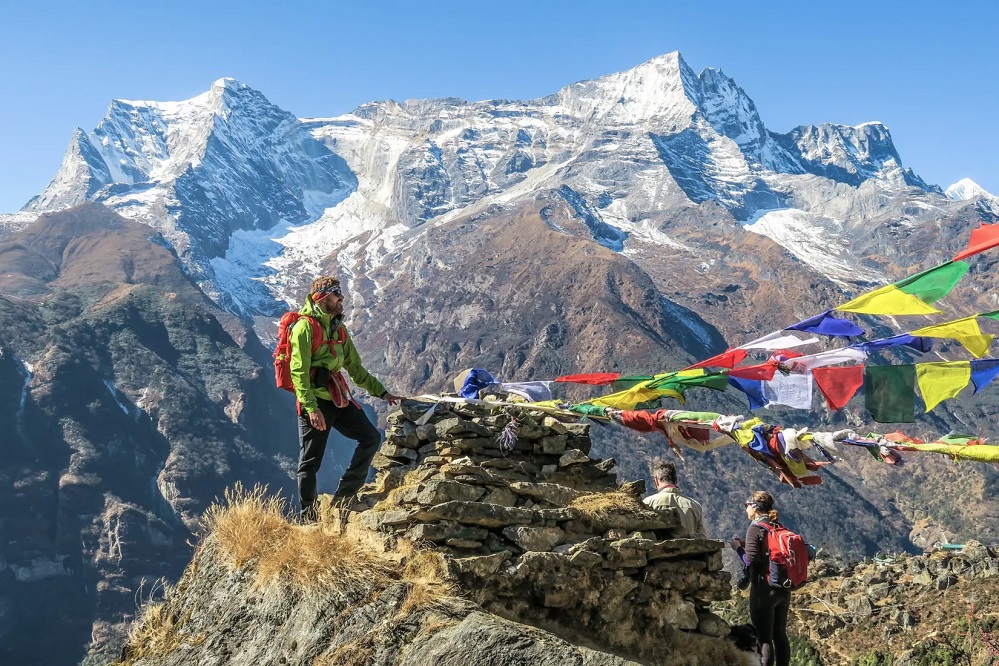
Mount Everest draws adventurers worldwide eager to conquer it (Source: Collected)
3.5. Paro Taktsang (Bhutan)
Perched on the side of a cliff 3,120 meters above sea level, Paro Taktsang, or the Tiger’s Nest Monastery, is Bhutan’s most iconic landmark. According to legend, Guru Padmasambhava meditated here in the 8th century after flying to the site on the back of a tigress. Today, reaching the monastery involves a scenic uphill hike through pine forests and past fluttering flags. The effort is well rewarded by panoramic views and a deep sense of tranquility. Visiting Paro Taktsang offers a window into Bhutanese culture and spirituality, making it a soul-enriching highlight among sacred landmarks in Asia.
4. Famous landmarks in Central Asia
Often overlooked compared to other regions, Central Asia offers a unique blend of ancient history, futuristic architecture, and unspoiled nature. Don’t miss these top landmarks in Central Asia.
4.1. Registan Square (Uzbekistan)
Registan Square is an unmissable place for anyone planning for Central Asia travel. Nestled in the heart of Samarkand, this stunning square is flanked by three grand madrasahs – Ulugh Beg, Sher-Dor, and Tilya-Kari – each adorned with intricate blue tiles, majestic domes, and towering minarets dating back to the 15th-17th centuries. Once a bustling hub for trade activities and royal announcements, Registan now enchants tourists with its perfect symmetry, cultural performances, and dazzling night-time illuminations.
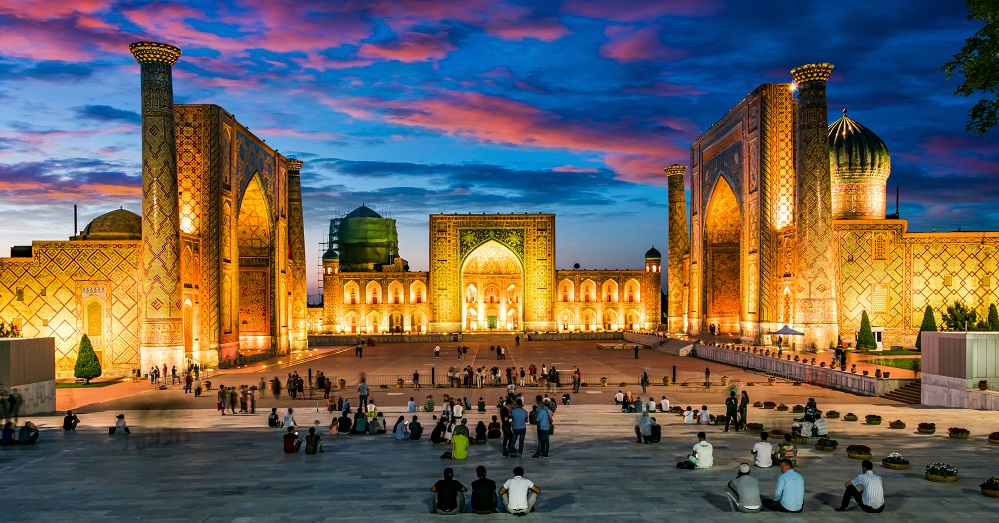
Registan Square is an essential stop on your journey through the landmarks in Asia (Source: Collected)
4.2. Baiterek (Kazakhstan)
In contrast to the ancient charm of Registan, Baiterek Tower in Astana is one of the most modern landmarks in Central Asia. Standing 97 meters tall with a huge glass orb on top, the tower represents a Kazakh legend about a mythical bird, Samruk, who placed a golden egg with the secrets to happiness high in a tree. Tourists can take an elevator up to the orb for panoramic views of the city and place their hand in a golden imprint of President Nursultan Nazarbayev, adding a symbolic touch to this unique Central Asian experience.
4.3. Issyk Kul (Kyrgyzstan)
Nestled north of the majestic Tian Shan Mountains, Issyk-Kul is Kyrgyzstan’s crown jewel and the world’s second-largest alpine saline lake, covering over 6,000 square kilometers. As the 10th largest lake by volume and the 7th deepest at 668 meters, it is a natural marvel like no other. Tourists can enjoy horseback rides across endless steppes, tranquil walks along the lake, or an overnight stay in a yurt for an authentic glimpse of rural Kyrgyz life. Whether you are chasing adventure or serenity, this hidden gem is worth adding to your Central Asia travel itinerary.
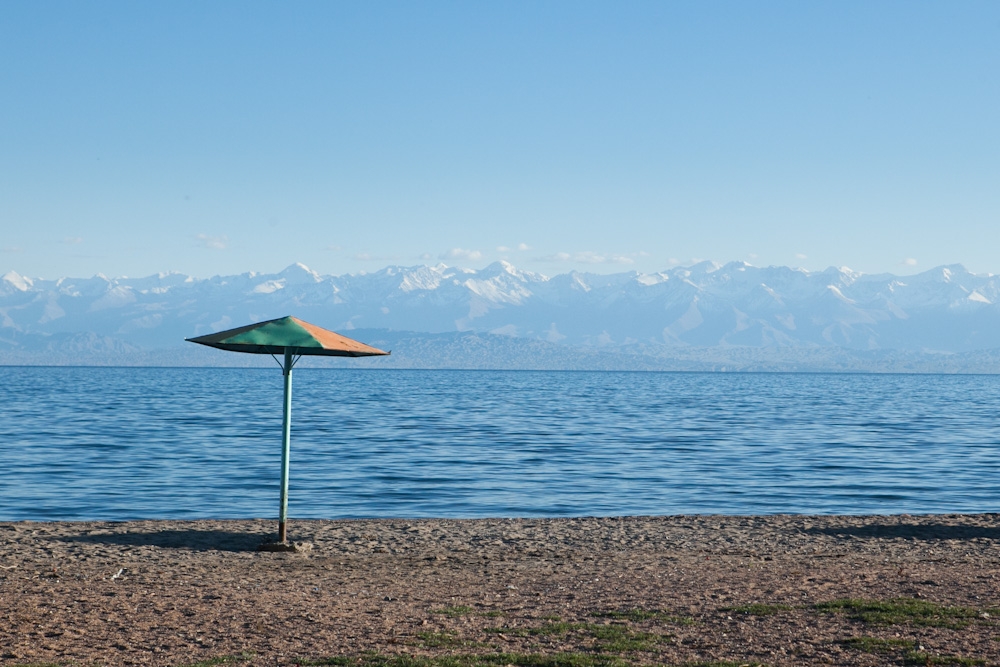
With its breathtaking beauty, Issyk Kul ranks among the top landmarks in Asia (Source: Collected)
4.4. Iskander Kul (Tajikistan)
Less visited but just as stunning, Iskander Kul in Tajikistan is a peaceful turquoise lake nestled in the Fann Mountains. According to legend, this lake is named after Alexander the Great (Iskander in Persian), who is believed to have passed through the region. Some locals believe the water is undrinkable and that no fish live in the lake, adding to its mysterious charm. Stretching about 4 kilometers and perched at 2,195 meters above sea level, it is framed by dramatic cliffs, waterfalls, and alpine meadows – perfect for hiking and soaking in unspoiled nature. For those seeking an off-the-beaten-path escape, this peaceful Asian landmark is a true gem.
5. Famous landmarks in West Asia
West Asia, often seen as the cultural and spiritual crossroads of the world, is home to some of the most awe-inspiring landmarks, from modern architectural marvels to ancient sacred sites.
5.1. Burj Khalifa (UAE)
Standing at an astonishing height of 828 meters, the Burj Khalifa in downtown Dubai is the tallest building in the world and a symbol of Dubai’s prosperity. Opened in 2010 and designed by Adrian Smith, this structure stands as one of the most famous architectural landmarks in Asia, welcoming millions of tourists each year. Taking in the view from the world’s tallest building would be something you definitely don’t want to miss. Head up to the “At the Top” observation deck on the 124th floor, where high-tech viewfinders let you explore the cityscape, along with powerful digital telescopes for a closer look.
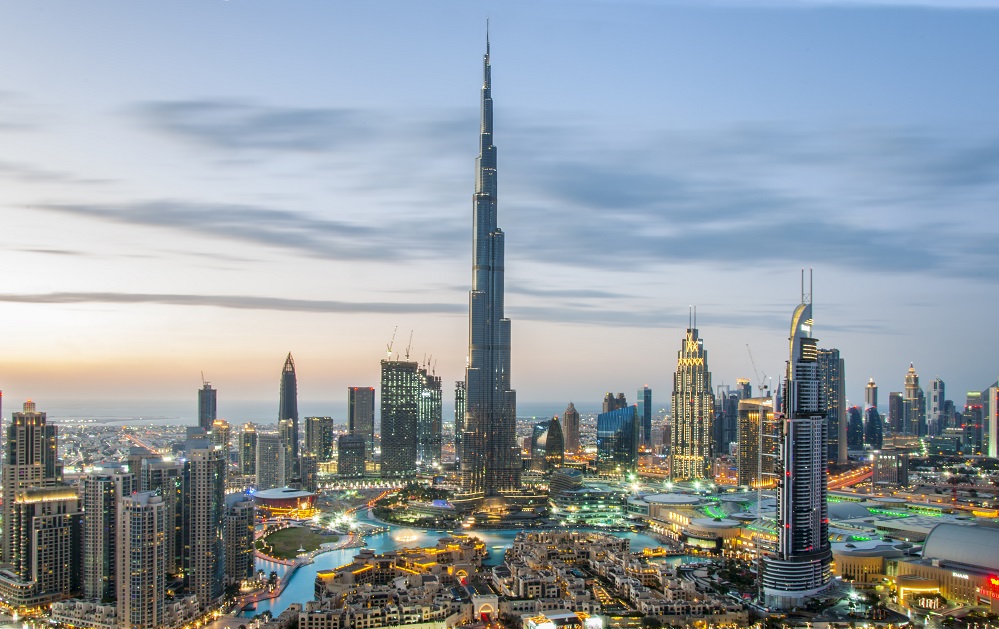
The Burj Khalifa is among the tallest landmarks in Asia (Source: Collected)
5.2. Sheikh Zayed Grand Mosque (UAE)
The Sheikh Zayed Grand Mosque in Abu Dhabi is one of the most spectacular landmarks in Asia, known for its architectural elegance. Built in honor of the late Sheikh Zayed, this massive mosque spans over 22,000 square meters and can hold up to 40,000 worshippers. Its stunning white domes, marble columns, and gold-accented features create a majestic atmosphere. Here, there is the world’s largest hand-knotted carpet and glittering chandeliers adorned with 24-carat gold and crystals. Tourists should dress modestly, and women are required to wear a headscarf.
5.3. Al Masjid Al Haram (Saudi Arabia)
Al Masjid Al Haram, or the Grand Mosque of Mecca, is a deeply spiritual site for millions of Muslims who perform the Hajj and Umrah pilgrimages each year. This mosque houses the Kaaba, the black cube-shaped structure that Muslims face during daily prayers. While only Muslims are permitted to enter inside, the significance of this religious landmark extends worldwide. Its spiritual impact, immense scale, and historical importance make it one of the most revered locations among Asia destinations.
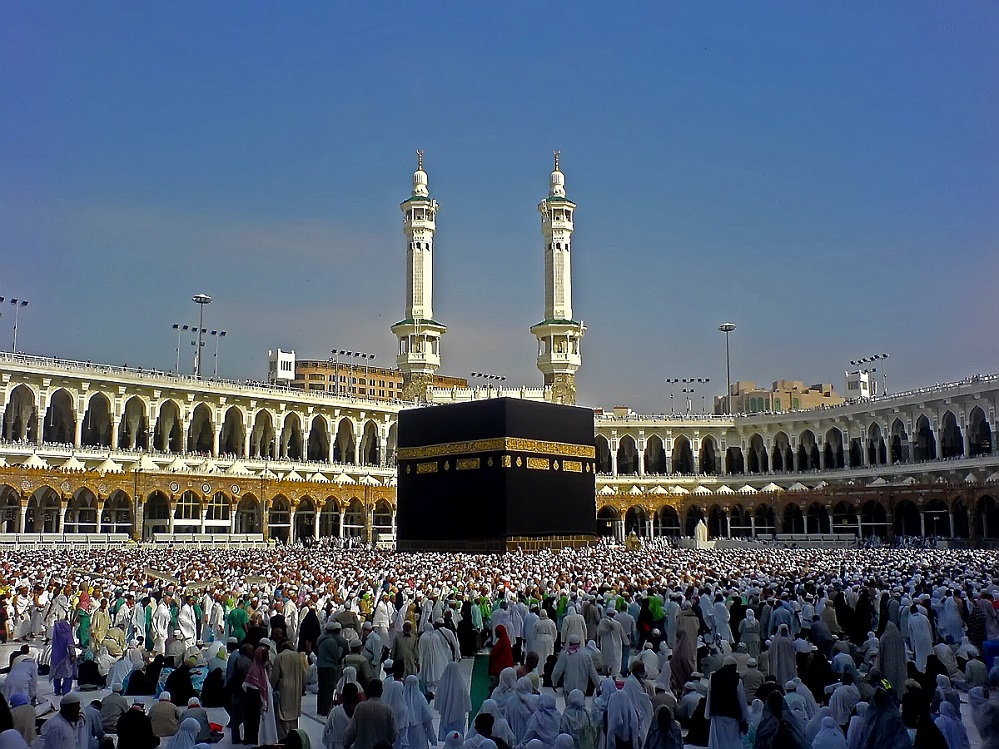
Al Masjid Al Haram is a landmark of Asia devoted to worship (Source: Collected)
5.4. Dead Sea (Jordan)
As one of the most captivating landmarks in Asia, the Dead Sea sits at Earth’s lowest elevation and is famed for its nearly 34% saline water and restorative mineral-rich mud. Shared by Jordan and Israel, the East Sea has its Jordanian side offer a peaceful retreat with luxury resorts and public beaches. Tourists can effortlessly float on the water due to its high salt content or spoil themselves with the mud under the gentle sun. For the most comfortable visit to the Dead Sea, plan your trip in spring or autumn when the weather is mild.
5.5. Sultan Qaboos Grand Mosque (Oman)
Among the most remarkable landmarks in Asia, the Sultan Qaboos Grand Mosque is an unmissable highlight. Known for its towering minaret, intricate architecture, and massive 50-meter-high dome, this mosque impresses inside and out. Tourists can walk across a 21-ton hand-woven carpet made by 600 women over 4 years and admire a giant chandelier adorned with 600,000 crystals and 1,122 light bulbs. Tourists are encouraged to arrive early and dress respectfully – women and girls above the age of 7 must cover their heads.
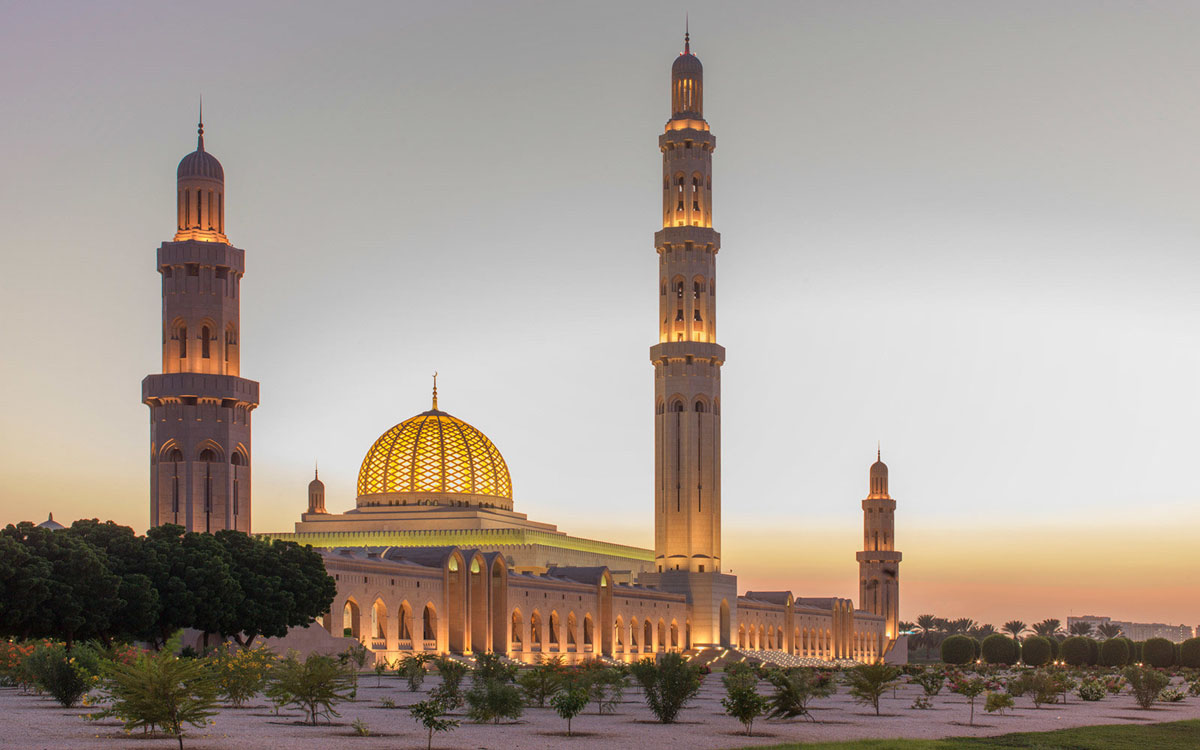
The Sultan Qaboos Grand Mosque, a striking landmark in Asia (Source: Collected)
Whether you are drawn to natural wonders or architectural marvels, these landmarks in Asia have something for everyone. Embrace the wonder these Asian landmarks present and let them inspire your next adventure across this extraordinary continent.
Best-selling products