en
en


 Tiếng Việt
  中文 (中国)
  한국어
한국어  Русский


 31/08/2025
 848 views
- 1. Iconic foods from Vietnam
- 2. Iconic foods from Thailand
- 3. Iconic foods from Laos
- 4. Iconic foods from Cambodia
- 5. Iconic foods from Malaysia
- 6. Iconic foods from Singapore
- 7. Iconic foods from Indonesia
- 8. Iconic foods from the Philippines
- 9. Iconic foods from Brunei
- 10. Iconic foods from East Timor
- 11. Iconic foods from Myanmar
1. Iconic foods from Vietnam
1.1. Pho
A cornerstone of Southeast Asian food, pho is the Vietnamese national dish and a global symbol of the country’s cuisine. The history of pho traces back to northern Vietnam in the early 20th century, where it evolved as a humble street food. Wondering what does pho taste like? Pho Hanoi offers a clear, delicate broth, while pho Saigon brings a sweeter, bolder flavor with extra herbs. Whether made with beef or chicken, its warmth, depth, and freshness make pho unforgettable.
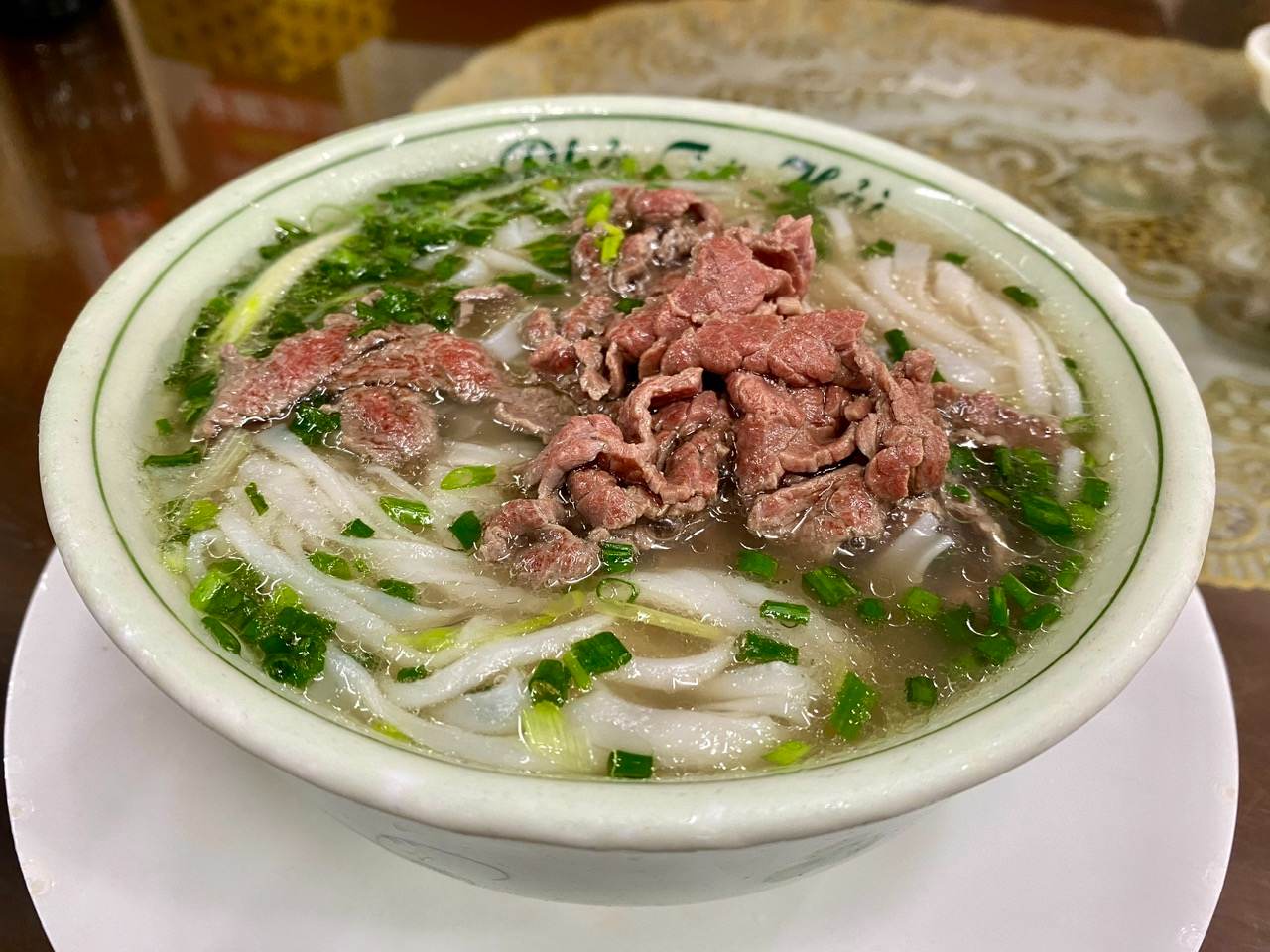
Pho ranks high on any list of must-try Southeast Asian dishes (Source: Collected)
1.2. Banh mi
Banh mi, or Vietnamese bread, blends Southeast Asian food culture with French influence. The baguette, introduced during colonial times, holds layers of pork, pâté, pickled vegetables, chili, and cilantro. Early versions were simple, but modern banh mi offers endless variations. Its light, crusty bread and bold, fresh fillings reflect Vietnam’s love for contrast. This Southeast Asian street food staple stands out among Asian foods for its balance and portability.
1.3. Hue beef noodle soup
Hue beef noodle soup, known as bun bo Hue, is a full-bodied dish from central Vietnam. Unlike pho, it features thicker noodles, a bold, lemongrass-scented broth, and a mix of pork and beef cuts. The soup reflects Hue’s royal culinary traditions with its rich flavors. Each bowl may include brisket, crab balls, or pork knuckles. As a Southeast Asian food highlight, it captures the depth of Vietnamese cuisine.
Beyond these iconic dishes, Vietnam offers a variety of regional specialties wherever you go. In destinations like Phu Quoc, Nha Trang, Da Nang, or Hoi An, you can enjoy both local delicacies and a visit to VinWonders – a series of entertainment complexes featuring coasters, water slides, and dining areas that showcase regional cuisine. After a day of exploring, a stay at the hotels and resorts of Vinpearl ensures ultimate comfort.
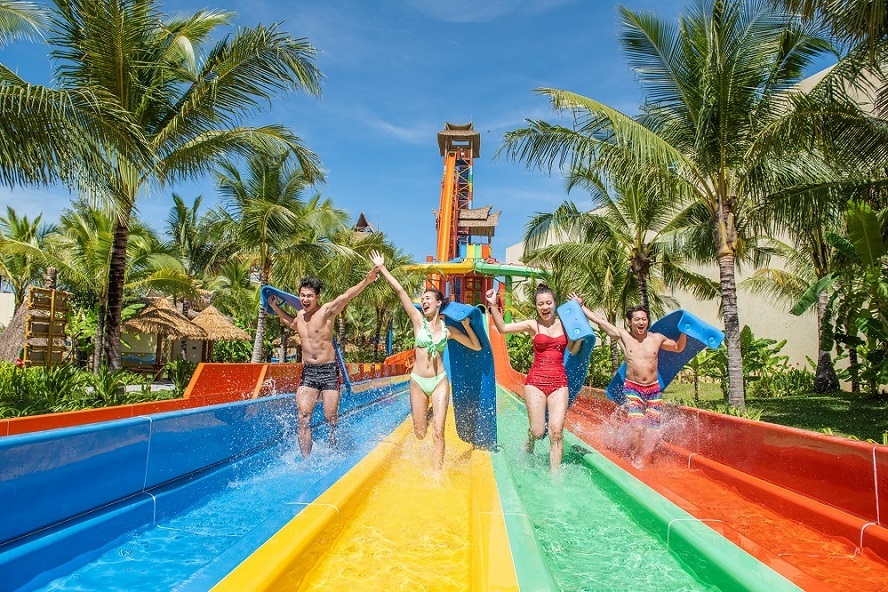
VinWonders Phu Quoc is the largest theme park in Vietnam
Book VinWonders Phu Quoc ticket now
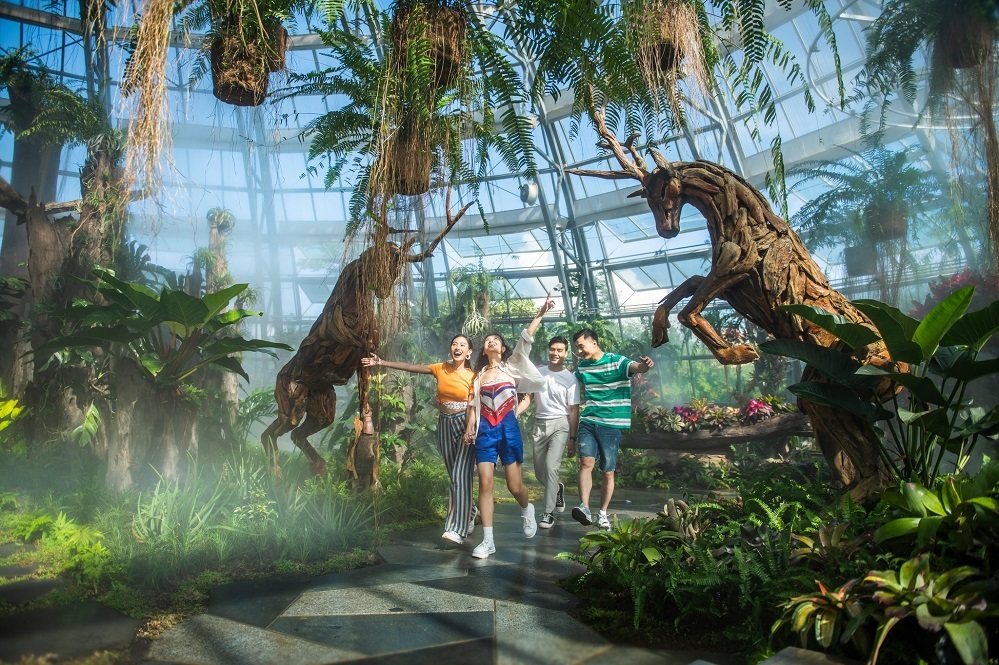
excitement at VinWonders Nha Trang
Book VinWonders Nha Trang ticket now
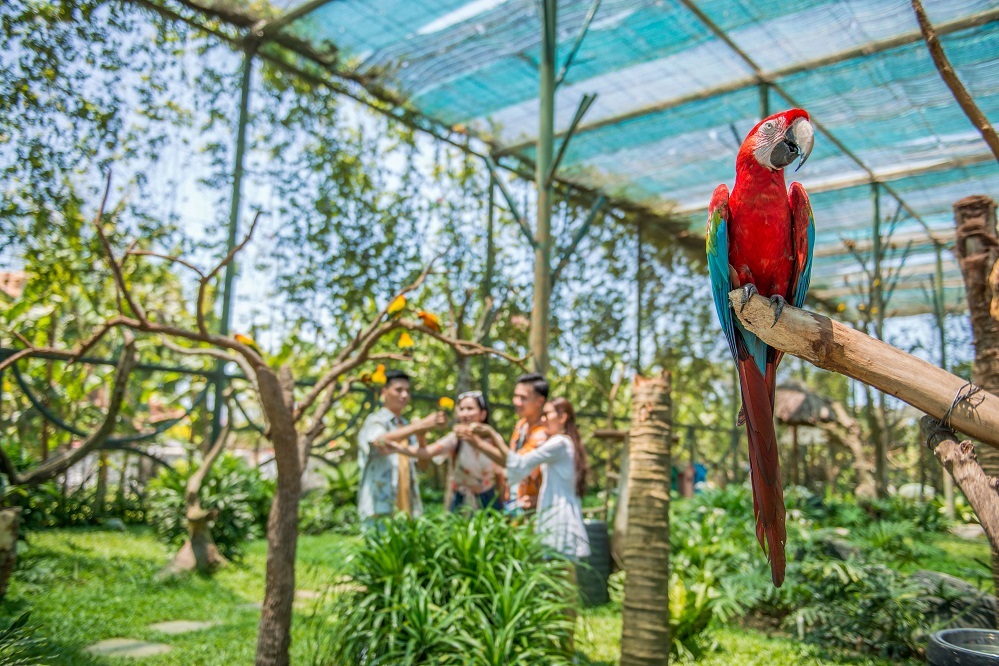
Discover local heritage and global fun at VinWonders Nam Hoi An
Book VinWonders Nam Hoi An ticket now
2. Iconic foods from Thailand
2.1. Pad Thai
Pad Thai is Thailand’s national dish and one of the most recognizable Southeast Asian foods worldwide. It combines stir-fried rice noodles with tofu, dried shrimp, eggs, and bean sprouts. Tamarind, lime, fish sauce, and sugar create the signature balance of sweet, sour, and salty flavors in this dish. Originally introduced during a 1930s nationalist campaign, Pad Thai soon became a symbol of Thai identity. Today, it is a favorite Southeast Asian street food with many regional variations.
2.2. Tom yum
Unmistakably Thai, tom yum is known across Southeast Asia for its bold, tangy, and spicy flavor. The broth combines lemongrass, kaffir lime leaves, galangal, fish sauce, chili, and lime juice. Shrimp and mushrooms are the most common additions. Served hot with rice, it awakens the palate. Popular variations include tom yum gai (chicken) and tom yum talay (seafood), each offering a distinct twist.
2.3. Tom kha gai
For a creamier alternative, tom kha gai offers a delicate twist. This Southeast Asian food is a coconut-based chicken soup that highlights Thailand’s central cuisine and reflects Lao influence. It blends galangal, lemongrass, kaffir lime leaves, chili, and mushrooms in a creamy broth. The sharpness of galangal contrasts with the richness of coconut milk, creating a distinct flavor profile. It comes in many versions, including tofu, seafood, or pork, and is often served with rice and fresh herbs.
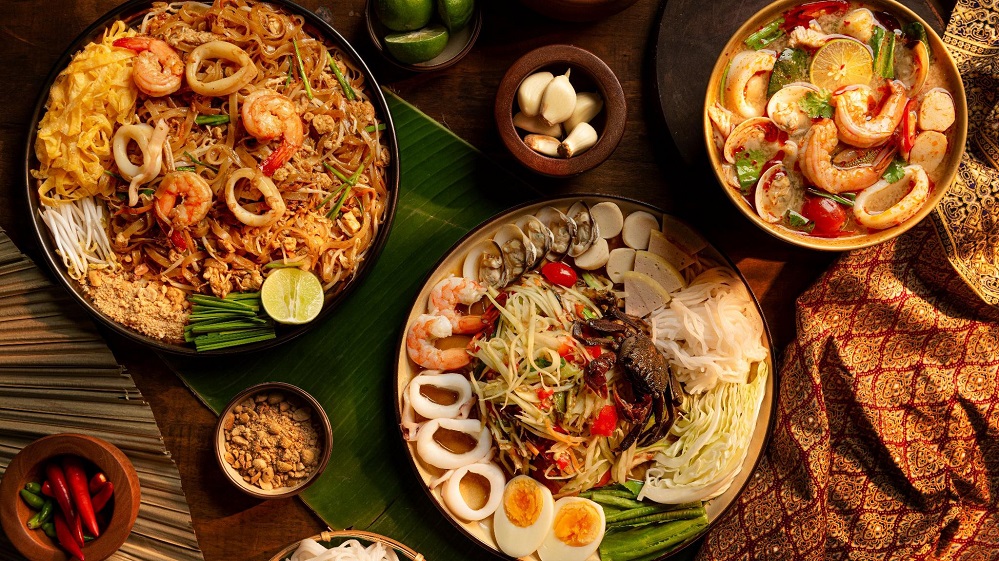
No Southeast Asia food tour is complete without sampling Thailand’s iconic dishes (Source: Collected)
Explore the top 25 Southeast Asia travel destinations to visit this year!
Best-selling products
![[VinWonders Nam Hoi An] Direct admission & Buggy Ticket Combo](http://booking-static.vinpearl.com/tours/6c002e3ea71642f38eda8efa8654e5e4_vwnha0_vinwonders-nam-hoi-an-ve-vao-cua.jpg)
![[Onsite service] - Premium VIP Zoo Tour Vinpearl Safari Phu Quoc](http://booking-static.vinpearl.com/tours/ff1e4b66ec1b46edad0c0460144e70ad_VINPEARL%20SAFARI%20PHU%20QUOC%20%20(51)_vinwonders-nam-hoi-an-ve-vao-cua.jpg)
![[Grand World Phu Quoc] - Venice Water Taxi Ticket](http://booking-static.vinpearl.com/tours/6cee2bcb52a447009f64771095d03c9e_Screenshot%202024-10-22%20at%2014.49.18_ve-bao-tang-gau-teddy-bear.png)
![[VinWonders Nha Trang] - Sunset Combo: Admission to VinWonders after 4:00 PM + Dinner Buffet](http://booking-static.vinpearl.com/tours/d1425f018b3e4d2d833374b5b52d8bb9_Hinh-anh-VinWonders-Nha-Trang-The-World-Garden-Lau-vong-canh-3x2-so-1_vinwonders-nha-trang-ve-vao-cua-sau-16h.jpg)
![[02 Day Unlimited Access] - VinWonders + Vinpearl Safari Phu Quoc + Teddy Bear Museum](http://booking-static.vinpearl.com/tours/877d8a3289a246d18f95aa5cc414f6d6_27be58d21e244664bf34d11d72e77860_Castle_vinwonders-phu-quoc-ve-vao-cua_vinwonders-phu-quoc-ve-vao-cua.jpg)
![[Nam Hoi An Signature] VinWonders Ticket + VIP Safari Package | FREE Merchandise Gift](http://booking-static.vinpearl.com/tours/881ac31c4a2b4687a59f412901e85b2c_VIN2725_-08746%20(2)_vinwonders-nam-hoi-an-ve-vao-cua.jpg)
![[-15%] Combo Admission Tickets for 2 Zones: Aquarium & VinKE + F&B Set](http://booking-static.vinpearl.com/tours/e7fcffc8256546e8bdcfd5ccfbe69783_VINKE2%20(1)_vinke-ve-vao-cua-truc-tiep.jpg)
![[Zoo Tram Combo] - Admission to Vinpearl Safari Phu Quoc + Zoo Tram](http://booking-static.vinpearl.com/tours/ceb77f9174d845ebb2fd3dfe2b846066_3%20copy_vinwonders-nam-hoi-an-ve-vao-cua.jpg)
![[Aquafield] - [Male] - Round-trip Cable Car + 4-hour Korean Sauna](http://booking-static.vinpearl.com/tours/625529980f3249e6b0491cddfc30db43_297be2477c5847748ef3bc08603ebf90_aqf%204_aquafield-nha-trang.jpg)
![[Aquafield] - Round-trip Cable Car + Korean Sauna + Body Scrub](http://booking-static.vinpearl.com/tours/d00bc95eb402434c8f4a4756c2a3ad3d_Akoya-spa-Villa-Vinpearl-Resort-Spa-Phu-Quoc-12_aquafield-nha-trang.jpg)
![[Nha Trang Passport] – [01 day] – Snorkeling Tour + Lunch & Mud Bath at Hon Tam + Vinpearl Harbour + Tata Show](http://booking-static.vinpearl.com/tours/f6b1826759674c9c9d3f074e03fa04ba_snorkeling%201_vinwonders-nha-trang-ve-vao-cua-2-chieu.jpg)
![[Grand Park] Dream Garden Outdoor Games Pass](http://booking-static.vinpearl.com/tours/35566b714d4c4dd9802a6bf4650ac2b1_khu-vui-choi-cua-hoi-9_vinwonders-nam-hoi-an-ve-vao-cua.jpg)
![[VinWonders Cua Hoi] - GoKart F1 Racing Car (10:00 AM - 8:00 PM)](http://booking-static.vinpearl.com/tours/aa8379d6db3a4f5c9df6d78d53177c35_11-E-Ticket-Vinwonder-Cua-Hoi_23072024111407_vinwonders-nam-hoi-an-ve-vao-cua.jpg)
![[VinWonders Vu Yen] - [02 Adults + 02 Children] - Admission to Zoo + Games + Water Park | FREE 01 Limited Tote Bag](http://booking-static.vinpearl.com/tours/b2cd8cf6b14c48459b21393e14d73163_vwvy%201_vinwonders-nha-trang-ve-vao-cua-2-chieu.jpg)
![[Grand World] Skydrop ticket](http://booking-static.vinpearl.com/tours/ed7c962747be42458f35c7b18340b901_A2-4-jpeg-2640-1687438608_grandworld.jpg)
![[VinWonders Phu Quoc] - Entrance Ticket + Gate Fastpass + Buggy](http://booking-static.vinpearl.com/tours/de2a24896b0e49469fa1e89e93aa5314_1920x1080%20VWPQ%20KV_vinwonders-phu-quoc-standard-entrance-ticket.jpg)
![[VinWonders Nam Hoi An] [Sunset Premium] Admission Ticket & Buggy Ride & VIP Safari Package & Afternoon Tea Set](http://booking-static.vinpearl.com/tours/3a1e510945b4421d861fede29a1b3e58_xE3mXzIVwTdZRf7M8zZfHqHIPqV17uyEOzL8PaUQ_vinwonders-nam-hoi-an-ve-vao-cua.jpg)
![[Grand Park] Fairy Guardian](http://booking-static.vinpearl.com/tours/eeb9a602315342ccbc7965b29cfb0db0_Ảnh%20màn%20hình%202025-03-03%20lúc%2015.00.17_vinwonders-nam-hoi-an-ve-vao-cua.png)
![[VinWonders Wave Park] Family Coaster Ride Ticket](http://booking-static.vinpearl.com/tours/f949b31af919495c9b4e111237642763_358600999_111579731994757_433244877993048710_n_vinwonders-ha-noi.jpg)
![[Nha Trang Passport] - [Half-Day] - Cable Car + Aquafield Sauna (2 hours) + Tata Show](http://booking-static.vinpearl.com/tours/c3bae84e472b42078ca3ff6f28d55d80_1c5968412aca409fa8571c88cc85a4ba_aqf%205_aquafield-nha-trang.jpg)
![[Aquafield Ocean City] [Male] – Standard Jjimjilbang Sauna Ticket](http://booking-static.vinpearl.com/tours/0be276c684454e8d969c373f35f6be97_DSC_2127_11zon_aquafield-nha-trang.jpg)
![[VinWonders Phu Quoc] - Standard Entrance Ticket](http://booking-static.vinpearl.com/tours/0dd25afc61ad45d48486bbd3b9c8a96a_tieu%20chuan%201_vinwonders-phu-quoc-ve-vao-cua.jpg)
![[Aquafield] - [Male] - 4-hour Korean Sauna](http://booking-static.vinpearl.com/tours/94abeb55e3d54efbac23f7a862445389_0d72b531dd6749bbac2874b915ab0512_Screenshot_8_aquafield-nha-trang_aquafield-nha-trang.png)
![[Vinpearl Harbour] - Round-trip Cable Car Ticket | Free Wishing Coin Voucher](http://booking-static.vinpearl.com/tours/e584c2f486d246c5820a19f519d184a4_VPHB_Photos15_vinwonders-nha-trang-ve-vao-cua-2-chieu.jpg)
![[Hon Tam] - [Zone A] - Standard Mud Bath](http://booking-static.vinpearl.com/tours/9db66a615a7d4f119316b338afff30cb_tam-bun-dao-hon-tam_httpswwwhontammudbathvnwp-contentuploadssites2720190625-3-2200x700jpg.jpg)
![[VinWonders Vu Yen] - Admission Ticket to Games zone (after 5:00 PM)](http://booking-static.vinpearl.com/tours/edbd3eb4bc9848aead9940e0f5aa050d_fa21c62dfa9644ada0c3fce89b3e79ff_DO__8711_vinwonders-vu-yen-vuon-thu-khu-tro-choi-sau-17h.jpg)
![[50% Student Discount] – VinWonders Admission Ticket](http://booking-static.vinpearl.com/tours/43126c168bb04853bf7c93e197db724a_Banner%201200x628_vinwonders-nha-trang-ve-vao-cua-2-chieu.jpg)
![[Buggy Combo] - VinWonders Phu Quoc + Buggy + Free Ice Cream](http://booking-static.vinpearl.com/tours/0fc52a574094489da612d0f36bb4b1e6_buggy%20kem_vinwonders-phu-quoc-ve-vao-cua-tet-vi-vu.jpg)
![[VinWonders Nha Trang] - Admission to VinWonders after 4:00 PM](http://booking-static.vinpearl.com/tours/de2da6d471b34297ab13cb26ef2da9a0_Hinh-anh-VinWonders-Nha-Trang-The-World-Garden-Lau-vong-canh-3x2-so-1_vinwonders-nha-trang-ve-vao-cua-sau-16h.jpg)
![[Vinpearl Harbour] - Happy Hour Combo: Round-trip Cable Car + Dinner Buffet + Tata Show](http://booking-static.vinpearl.com/tours/3cbd16b8edc74f6abc7f7cfa0e91caec_VPHB_Photos15_vinwonders-nha-trang-ve-vao-cua-2-chieu.jpg)
![[VinWonders Nam Hoi An] - Standard Admission Ticket](http://booking-static.vinpearl.com/tours/81813f8ced2c466e82ad53f1c29c1904_tour-kham-pha-van-hoa-viet-vinwonders-nam-hoi-an-668ca102bcc29_vinwonders-nam-hoi-an-ve-vao-cua.jpg)
![[-10%] - VIP River Safari Ticket*](http://booking-static.vinpearl.com/tours/5d3ee19e977446be8917a34697bb9443_ece6e58a02fd48de9eba9d3f4689f77a_Hinh-anh-VinWonders-Nam-Hoi-An-River-Safari-3x2-so-1%20(1)_vinwonders-nam-hoi-an-ve-vao-cua_vinwonders-nam-hoi-an-ve-vao-cua.jpg)
![[Hon Tam] - [Zone A&B] - Full island entertainment + Mud Bath Zone A + Lunch](http://booking-static.vinpearl.com/tours/af991883d63f4133b62b76551ba2444d_tam-bun-dao-hon-tam_httpswwwhontammudbathvnwp-contentuploadssites2720190625-3-2200x700jpg.jpg)
![[VinWonders Phu Quoc] - Game Fastpass - Top 04 Rides](http://booking-static.vinpearl.com/tours/574c2b7798524c17a08f28feb80d45b5_fastpass%204%20games%20vwpq_vinwonders-phu-quoc-fastpass.jpg)
![[VinWonders Vu Yen] - [04 Adults] - Admission to Zoo + Games + Free Tote Bag](http://booking-static.vinpearl.com/tours/34488b227a3648e5b73d4aa6d6d36b46_DO__8153_vinwonders-nha-trang-ve-vao-cua-2-chieu.jpg)
![[Nha Trang Passport] - [Half-Day] - Cable Car + Aquafield Sauna (2 hours) + Tata Show](http://booking-static.vinpearl.com/tours/ef49c187eadf4177b425d2bb85a18b30_200dd4dda03e45e0a1add52e4acc11fa_NHT_1796_ve-xem-tata-show-vinwonders-nha-trang.jpg)
![[VinWonders Cua Hoi] - Cable Car + Games on the Island](http://booking-static.vinpearl.com/tours/63c924f8521a4af981666076c5c3b0fe_VinWonders%20Cua%20Hoi%20Summer%20Say%20Hi%20Banner%201920x920px_vinwonders-nam-hoi-an-ve-vao-cua.jpg)
![[Grand World Phu Quoc] - The Quintessence of Vietnam Show](http://booking-static.vinpearl.com/tours/f88e2be1139b4eada4043eb7f0e39362_THVN1_show-tinh-hoa-viet-nam.jpg)
![[Grand World Phu Quoc] [Ultimate Combo] - Water Taxi + Teddy Bear Museum + Grand Show](http://booking-static.vinpearl.com/tours/e31a9e66b5444808bba3e3114d195559_VENICE%20ALL%20IN%20ONE%20KV%20(1)_ve-bao-tang-gau-teddy-bear.jpg)
![[Aquafield] - [Male] - 4-hour Korean Sauna](http://booking-static.vinpearl.com/tours/4ae60d29ea264f8fab17beb6b4415502_aqf-da-muoi_aquafield-nha-trang-xong-hoi-chuan-han.jpg)
![[Grand World Phu Quoc] - Water Taxi Boat + Teddy Bear Museum](http://booking-static.vinpearl.com/tours/add2e0908faa4289b555856472b181be_VENICE%20ALL%20IN%20ONE%20KV%20(1)_ve-bao-tang-gau-teddy-bear.jpg)
![[VinWonders Cua Hoi] - Indoor Games Zone](http://booking-static.vinpearl.com/tours/b952de18058e4a67a8ffa52f2039e7d2_1920-x-1080-double%20day%20sale%2077%20no%20text_vinwonders-nam-hoi-an-ve-vao-cua.jpg)
![[Aquafield Ocean City] – VIP Membership (12 Months)](http://booking-static.vinpearl.com/tours/3c2f7ab0ed374cb1bbdb2e54e6d6eb9a_e1f2756dfec346f3bb3b16e296b3b166_Screenshot_5_aquafield-nha-trang_aquafield-nha-trang.png)
![[Aquafield] - [Female] - 4-hour Korean Sauna](http://booking-static.vinpearl.com/tours/0e6fe24c37b84cb799b94dae70578054_aqf-suong-may-2048x1365_aquafield-nha-trang-xong-hoi-chuan-han.jpg)
![[Aquafield Ocean City] [Male] – VIP Membership (12 Months)](http://booking-static.vinpearl.com/tours/6ab10678fcbd4822a8fddb0590d3bcbf_0d72b531dd6749bbac2874b915ab0512_Screenshot_8_aquafield-nha-trang_aquafield-nha-trang.png)
![[Hon Tam] - [Zone A] - Mud Bath + Lunch Combo](http://booking-static.vinpearl.com/tours/5debd1efb6d34e42a88efa65354c8c72_ebdde60fd9a44539afe75c9338ec8a3d_ảnh%205_tam-bun-hon-tam.jpg)
![[Aquafield] - 2-hour Aquafield Sauna + 30-min Spa](http://booking-static.vinpearl.com/tours/b0bf65880af449f39ea19fa0acbb94d5_34d71a9c3e6b4b7484f9d7cbbc935c26_200dd4dda03e45e0a1add52e4acc11fa_NHT_1796_ve-xem-tata-show-vinwonders-nha-trang_ve-xem-tata-show-vinwonders-nha-trang.jpg)
![[Grand World] Carousel Ride](http://booking-static.vinpearl.com/tours/0d6a4bcfc2a54fd4aa9df0b38ae8c7b6_A2-4-jpeg-2640-1687438608_grandworld.jpg)
![[VinWonders Nha Trang] - 01-day Unlimited Admission Ticket | Free F&B Voucher](http://booking-static.vinpearl.com/tours/ccf23087ea0f419980c411d0e79c10fb_88c594a8352d49e7b031b9fbd5c5d27f_tro-choi-mao-hiem-o-vinpearl-nha-trang-thumb-1_vinwonders-nha-trang-khong-gioi-han-2-ngay_vinwonders-nam-hoi-an-ve-vao-cua.jpg)
![[Vinpearl Harbour] - Admission to VinWonders (after 4:00PM) & Round trip cable car](http://booking-static.vinpearl.com/tours/4b2d76bbde1f4c54a43370680d311928_Hinh-anh-VinWonders-Nha-Trang-The-World-Garden-Lau-vong-canh-3x2-so-1_vinwonders-nha-trang-ve-vao-cua-sau-16h.jpg)
![[Vinpearl Aquarium Times City] Entrance Ticket](http://booking-static.vinpearl.com/tours/8702a10bf2934d6299df65669a290679_aquarium%20times%20city%203_thuy-cung-vinpearl-aquarium-times-city.jpg)
3. Iconic foods from Laos
3.1. Nam khao
Nam khao is a beloved Lao dish and a standout in Southeast Asian food culture. It features deep-fried rice balls, crumbled and tossed with som moo (fermented pork), shallots, herbs, and peanuts. A tangy dressing ties the textures and flavors together: crispy, sour, spicy, and fresh. Though time-consuming to prepare, it is widely sold at street stalls across Laos, often served in lettuce wraps for added crunch.
3.2. Khao poon
Khao poon, often referred to as Lao laksa, is a spicy rice noodle soup rooted in Laos and loved across Southeast Asia. The broth blends red curry paste with lemongrass, galangal, garlic, and coconut milk. It is typically served with vermicelli noodles, shredded chicken, bamboo shoots, and fresh herbs. Garnishes like cabbage, bean sprouts, and mint add freshness. Light yet flavorful, khao poon often appears at weddings and festive gatherings across the country.
3.3. Mok pa
Mok pa is a traditional Lao dish often linked to Luang Prabang and widely recognized in Southeast Asian food culture. It features fish, usually catfish, blended with lemongrass, chili, kaffir lime leaves, and sticky rice powder, then wrapped in banana leaves and steamed. The result is fragrant and tender, with herbs ground fresh in a mortar. Mok pa is often enjoyed with rice and a dipping sauce.
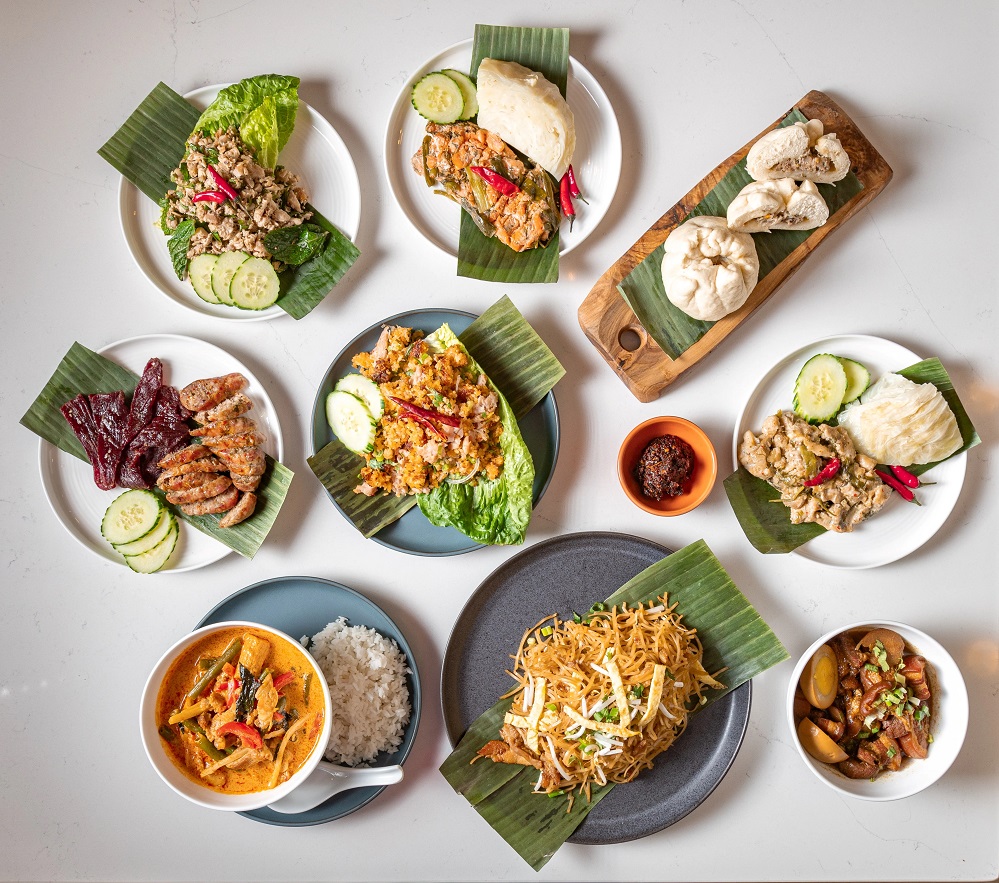
The simplicity of Lao cuisine adds depth to food from Southeast Asia (Source: Collected)
4. Iconic foods from Cambodia
4.1. Nom banh chok
Often called “Khmer noodles,” nom banh chok is a cherished Cambodian breakfast and a must-try on any Southeast Asia travel. It features hand-pounded rice noodles topped with a light fish-based green curry made from lemongrass, turmeric, and fingerroot. Fresh herbs, banana blossom, and crunchy vegetables complete the dish. In Siem Reap, locals sometimes add tuk paem, a sweet peanut-palm sugar sauce, for a regional twist.
4.2. Kuy teav
Kuy teav is Cambodia’s answer to Southeast Asia’s love for noodle soups. Its savory broth, made from pork bones and dried squid, is topped with pork, beef, fish balls, and fried garlic. The name comes from a Hokkien term for rice noodles, hinting at its Chinese roots. Whether from traders or Kampuchea Krom, kuy teav has become a go-to Cambodian breakfast and a satisfying afternoon street food staple.
4.3. Amok
Amok is another iconic dish of Cambodia and a standout in Southeast Asian food culture. Its signature lies in slok ngor, a native herb that adds a gentle bitterness. The curry blends coconut milk with kroeung, a fragrant spice paste, and is traditionally made with fish. Upscale spots steam it with egg in banana leaves for a mousse-like texture, while home kitchens serve a simpler version.
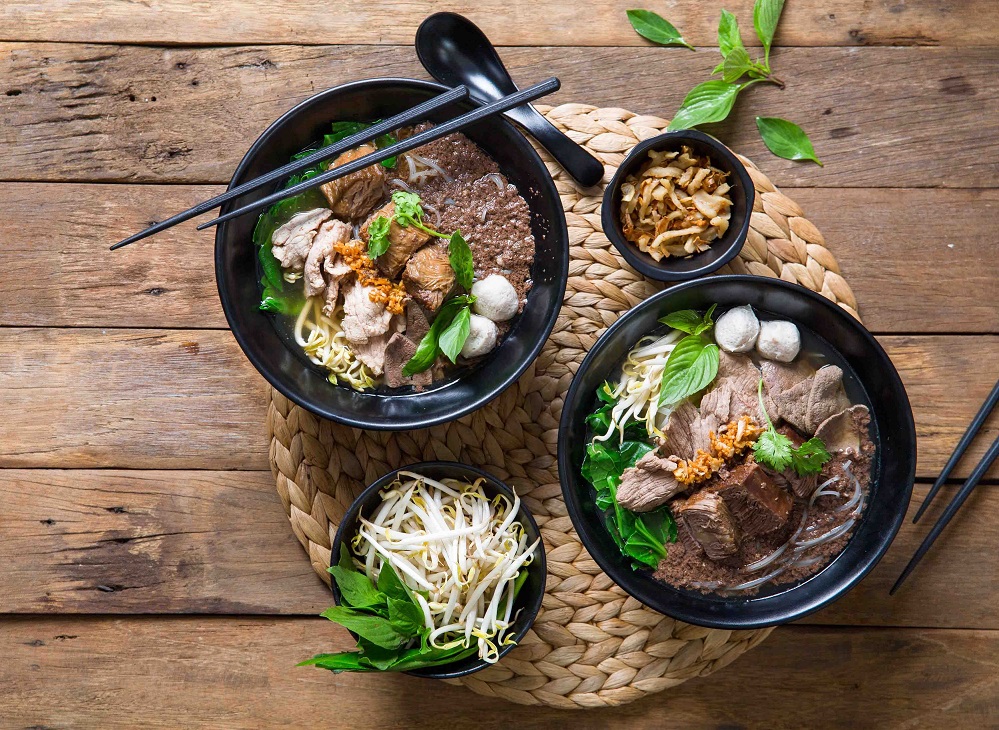
Kuy teav and amok are among Cambodia’s proud contributions to Southeast Asian dishes (Source: Collected)
5. Iconic foods from Malaysia
5.1. Nasi lemak
Malaysia’s national dish is nasi lemak. It features coconut milk rice served with anchovies, peanuts, cucumber, a boiled egg, and sambal – a spicy chili paste. Once a farmer’s breakfast, it is now eaten anytime, from street stalls to restaurants. Traditionally packed in banana leaves, nasi lemak has many versions today, often paired with fried chicken, fish, curry, or a fried egg.
5.2. Nasi kerabu
Nasi kerabu stands out in Southeast Asian food with its signature blue rice, colored naturally by butterfly pea flowers. This Kelantan-origin dish comes with a mix of shredded vegetables, herbs, and sauces. Common sides include salted egg, fried fish or chicken, sambal, and fermented fish paste. Topped with grated coconut or crispy crackers, nasi kerabu offers a bold mix of textures and flavors.
5.3. Karipap
No list of Malaysian snacks is complete without karipap. It features a flaky pastry shell filled with spiced potato and chicken curry. Originating from the Malay Peninsula, it has become an essential dish in both street stalls and home kitchens. The classic version uses potatoes and chicken, while modern variants include sardines, tuna, or beef rendang. Its crisp exterior and savory filling make karipap a go-to breakfast or teatime treat across Malaysia and beyond.
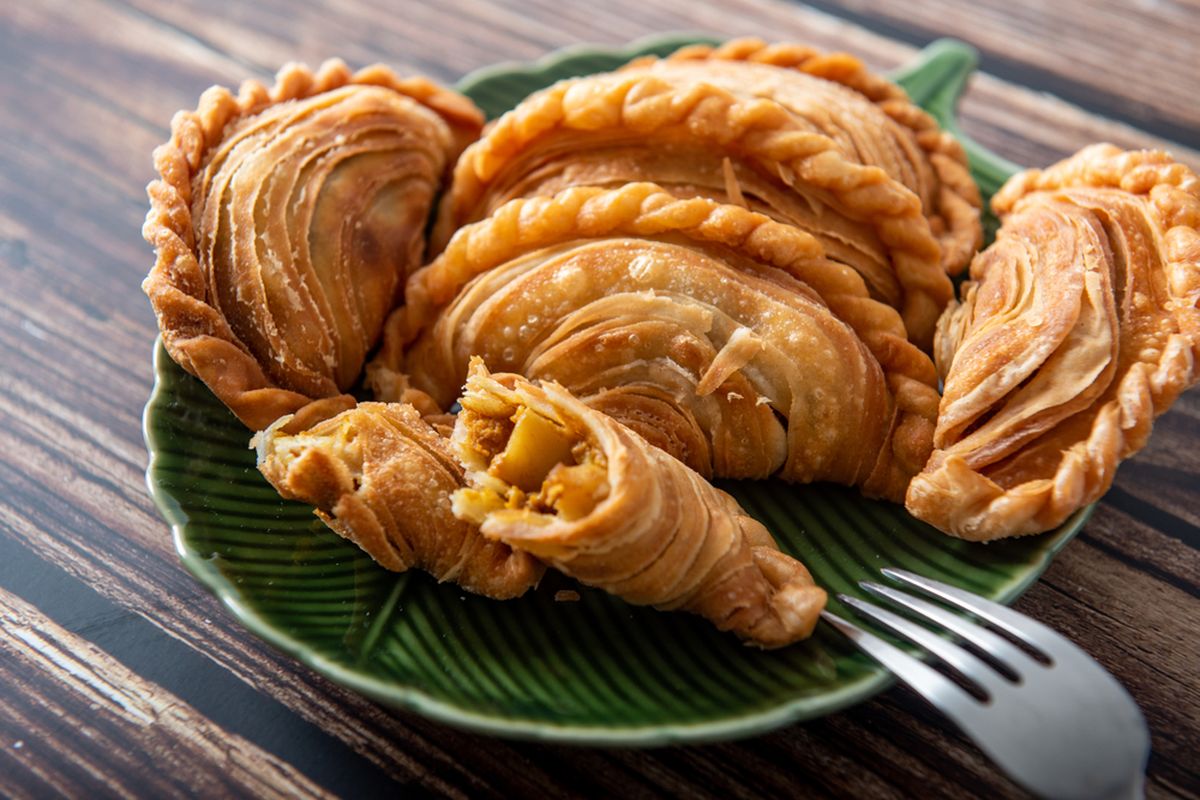
Karipap is a must-try highlight of Southeast Asian food from Malaysia (Source: Collected)
6. Iconic foods from Singapore
6.1. Char kway teow
Char kway teow features flat rice noodles stir-fried with shrimp, egg, cockles, Chinese sausage, bean sprouts, and chives in dark soy sauce. Some versions add shrimp paste, garlic, pork lard, or yellow noodles. Originating from Teochew immigrants in Singapore, the dish spread widely, with Penang’s lighter, drier version becoming iconic. Once a humble meal for laborers, it is now a cherished culinary dish in the Southeast Asian food scene.
6.2. Duck rice
A classic of Singaporean cuisine, duck rice pairs fragrant white rice with either roasted or braised duck. The roasted style features crispy skin and aromatic spices like anise and ginger, while the braised version simmers in a rich soy-based broth. Hokkien-style offers a thick, savory sauce, whereas Teochew-style is lighter. Often served with tofu, vegetables, or eggs, duck rice remains a Southeast Asian comfort food favorite.
6.3. Curry laksa
Curry laksa, a hawker favorite in Singapore, blends Chinese noodles, Indian spices, and Southeast Asian herbs into one bowl. The broth combines curry and coconut milk, creating a creamy, spicy base. Toppings like tofu puffs, prawns, fishcakes, and cockles add texture and depth. Often served with rice noodles and chili sambal, this dish is a beloved Singaporean version of the iconic Southeast Asian food family – laksa.
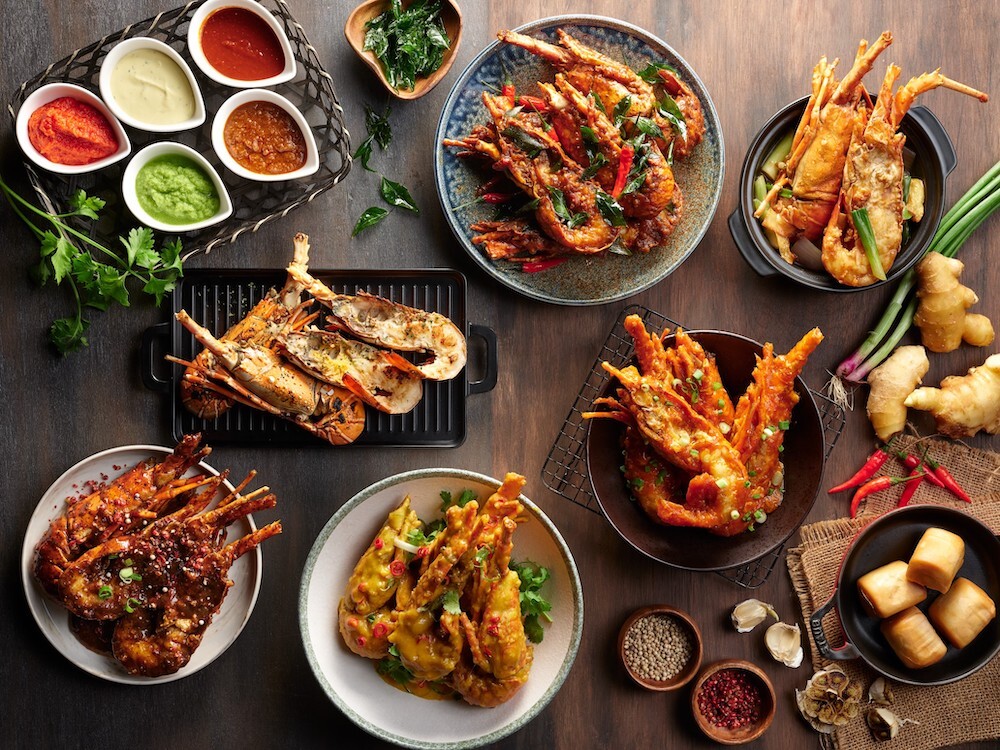
Blending Chinese, Malay, and Indian roots, Singapore enriches the food of Southeast Asia (Source: Collected)
More on: Southeast Asia travel itinerary: Top ideal routes in 2025
7. Iconic foods from Indonesia
7.1. Sate
Few dishes embody Indonesia’s culinary identity as clearly as sate. These skewers of marinated meat, grilled over open flames, originated in Java under Indian Muslim influence and have since spread across the Southeast Asian food landscape. The marinade often includes soy sauce, garlic, lime, and sugar, while the sauces range from peanut to pineapple. Whether made with chicken, beef, or even crocodile, sate is deeply traditional yet endlessly versatile.
7.2. Rendang
Rendang is a slow-cooked beef dish from West Sumatra. The Minangkabau created it to preserve meat on long journeys using coconut milk, chili, and spices. Cooked until the sauce is absorbed, the dish carries cultural meaning, with each ingredient reflecting a layer of Minangkabau society. With its deep spice blend and tender texture, rendang is now a beloved dish far beyond Indonesia and a celebrated treasure of Southeast Asian food.
7.3. Nasi goreng
Nasi goreng, Indonesia’s national fried rice, reflects both Southeast Asian food culture and Chinese influence. Born from a no-waste mindset, it repurposes leftover rice stir-fried with garlic, shallots, chili, and sweet soy sauce, which gives it a rich, caramelized flavor. Often eaten for breakfast, it is topped with a fried egg or mixed with scrambled egg. Its smoky aroma and bold seasoning set it apart from other regional rice dishes.
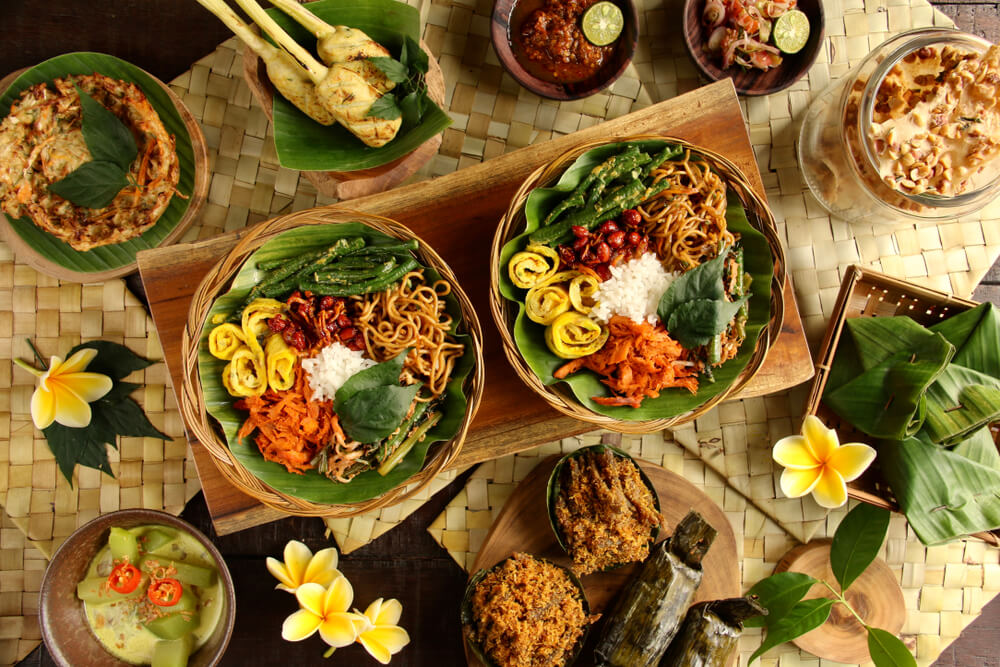
Indonesia is home to some of the most aromatic foods in Southeast Asia (Source: Collected)
8. Iconic foods from the Philippines
8.1. Lechon
A Spanish-influenced dish, lechon ranks among the most iconic Southeast Asian foods from the Philippines. A whole suckling pig is stuffed with lemongrass, garlic, and spices, then roasted over charcoal until the skin turns crisp and golden. Served at major celebrations, lechon is prized for its crackling skin and juicy meat. It is often paired with liver sauce, with leftovers used in dishes like lechon paksiw.
8.2. Adobo
Adobo, often hailed as the Philippines’ signature dish, showcases Southeast Asian food’s love for bold flavors. This dish features meat or vegetables braised in vinegar, soy sauce, garlic, bay leaves, and black pepper until tender. The resulting sauce becomes rich and tangy, ideal for spooning over rice. With endless regional twists, like adding coconut milk, chili, or ginger; adobo comes in saucy, dry, or crispy forms, making it versatile.
8.3. Sinigang
Sinigang shines in Southeast Asian food culture for its sour, comforting profile. This Filipino soup blends tamarind with vegetables like water spinach, tomatoes, and eggplant, often paired with pork, shrimp, or fish. Its base, rice washing mixed with a souring agent, gives it a light yet bold flavor. Variants swap tamarind for guava or green mango. Served steaming with rice, sinigang reflects regional tastes and tropical warmth in every spoonful.
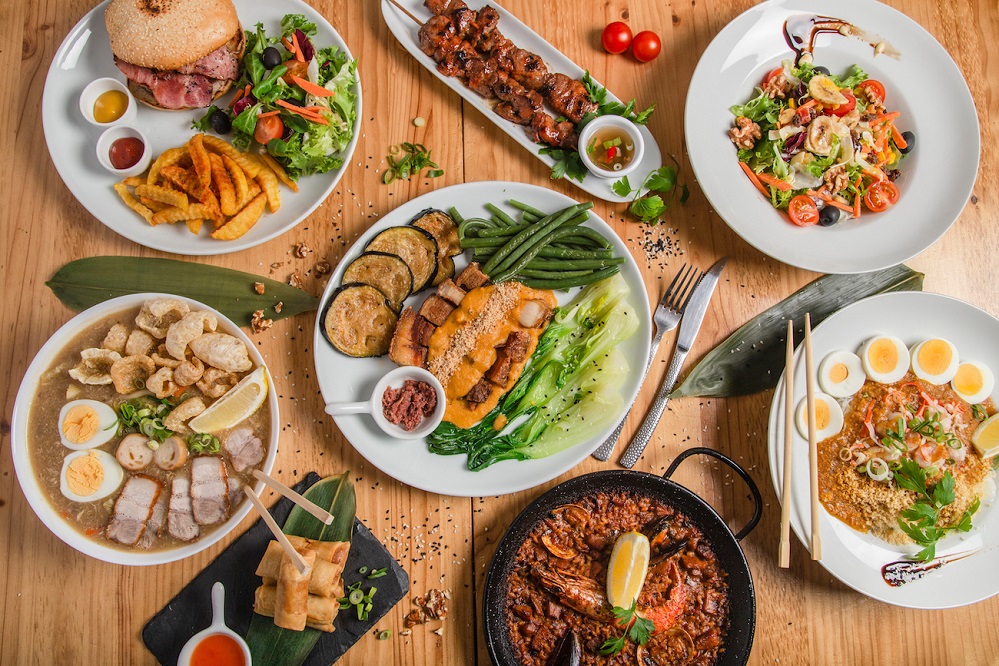
The Philippines brings a unique twist to Southeast Asian food with its rich Spanish influence (Source: Collected)
Check out the 15+ best Southeast Asian beaches for the ultimate tropical escape!
9. Iconic foods from Brunei
9.1. Ambuyat
Ambuyat is Brunei’s national dish made from sago starch and water. Its gluey texture is eaten by twirling it with a bamboo stick called candas and dipping it into cacah – a tangy, spicy sauce. You don’t chew ambuyat; you swallow it whole. While mild in flavor, its ritualistic way of eating and rich cultural ties make it a standout in Southeast Asian food traditions.
9.2. Kelupis
Kelupis, another beloved Southeast Asian food from Brunei, is made of glutinous rice wrapped in nyirik leaves. Popular during weddings and festive gatherings, especially among the Bisaya people, this sticky rice roll comes in sweet and savoury variations; some filled with dried shrimp or anchovies, others served plain. Whether dipped in peanut sauce or curry, kelupis offers a soft, fragrant bite reflecting Brunei’s rich culinary heritage.
9.3. Bamboo chicken
Originating from Borneo’s Iban communities, bamboo chicken is a cooked by stuffing marinated chicken, onions, and spices into hollow bamboo poles, then sealing them with leaves. Slow-roasted over an open flame, the meat absorbs a smoky aroma and earthy bamboo essence. Traditionally enjoyed with rice, this dish now stands as a flavour-packed staple of Bruneian cuisine, once hidden in longhouses, now shared beyond the island.
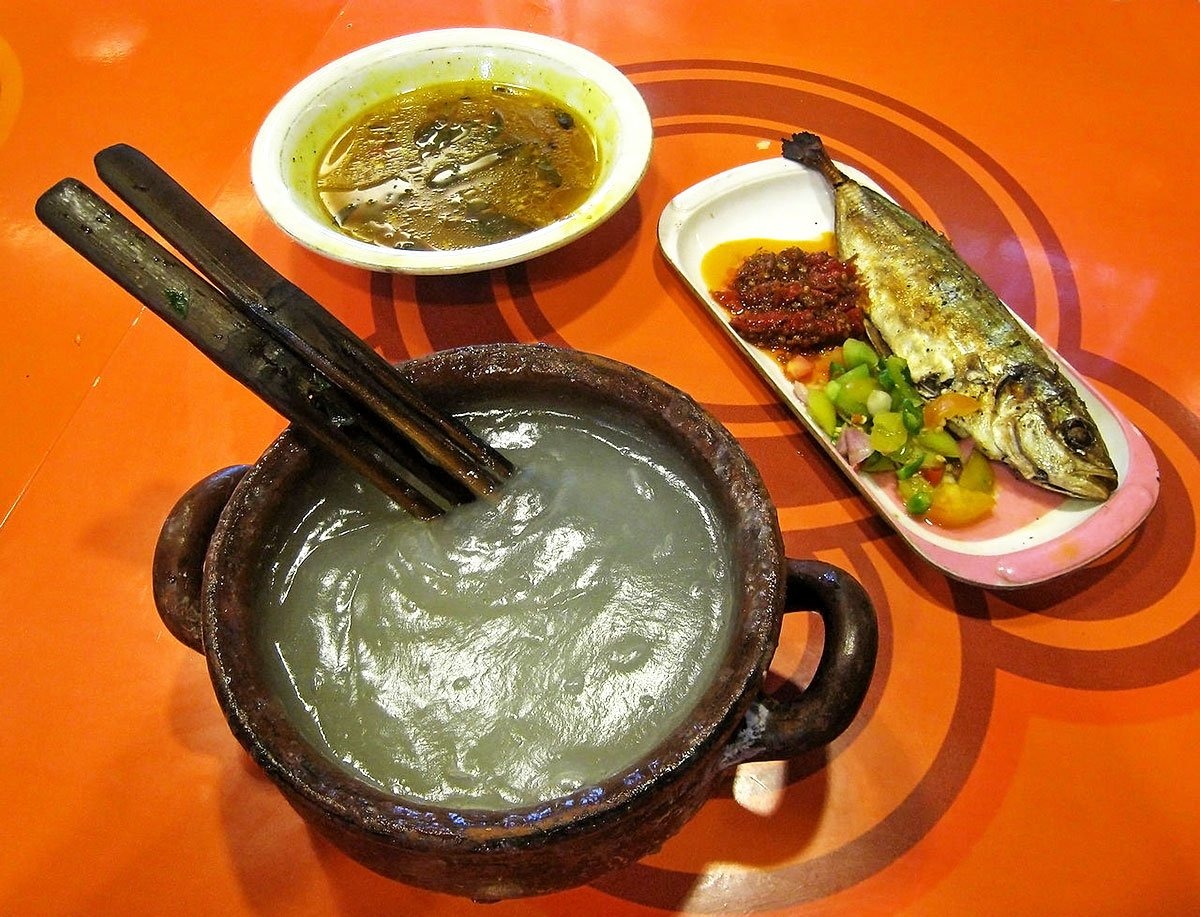
From ambuyat to kelupis, Brunei brings comfort to Southeast Asian cuisine (Source: Collected)
10. Iconic foods from East Timor
10.1. Ikan pepes
Ikan pepes delights with fish infused in a paste of turmeric, chili, tamarind, and fresh herbs, then sealed inside banana leaves. Whether grilled or steamed, the leaves trap flavor and fragrance, making each bite intensely aromatic. In East Timor, it often comes with lime wedges and rice. While variants exist, pepes mas with carp is the most popular version.
10.2. Batar da’an
A humble yet hearty Southeast Asian food, batar da’an combines mung beans, diced squash, and corn simmered with garlic and onions, seasoned simply with salt and pepper. Traditionally eaten as a main course with rice, it also pairs well as a side to fish or meat. Its natural sweetness from corn and mild savoriness make it a comforting vegetarian favorite in East Timor’s cuisine.
10.3. Feijoada
Feijoada brings Portuguese roots to Southeast Asian food culture, especially in East Timor. This hearty stew combines beans, pork, beef, and assorted sausages like morcela and chouriço. Cooked slowly, it delivers a strong, salty flavor without being spicy. Typically served with rice, it reflects Southeast Asia’s long history with colonial and cultural influences. While shared across Lusophone countries, in East Timor, feijoada remains a festive weekend dish – rich, filling, and perfect for communal gatherings.
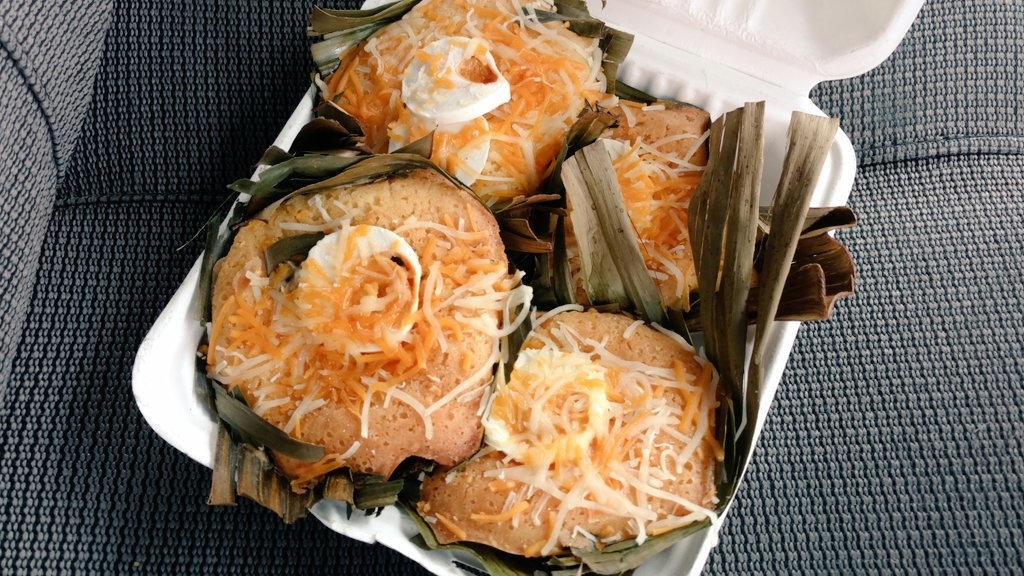
East Timor’s hearty dishes deserve a spot among the best food in Southeast Asia (Source: Collected)
Discover 26 Southeast Asian landmarks you must see once in your life!
11. Iconic foods from Myanmar
11.1. Mohinga
Often hailed as Myanmar’s national dish, mohinga is a comforting rice noodle soup made with a lemongrass-scented fish broth thickened by chickpea flour. Garnished with sliced banana stem, boiled eggs, or crispy fritters, mohinga varies by region but remains rooted in working-class origins. Though once a humble breakfast, it is now enjoyed at any time of day and widely sold by street vendors as a beloved Southeast Asian food.
11.2. Burmese chicken curry
Known locally as see-pyan, Burmese chicken curry blends Indian spices with Southeast Asian food staples like fish sauce and lemongrass. Cooks marinate chicken in turmeric, cumin, and garam masala, then simmer it in a rich tomato-based curry paste with garlic, ginger, and chili. Unlike thicker curries, it remains saucy and fragrant. When paired with white rice, it reflects Myanmar’s cross-cultural culinary identity.
11.3. Ohn no khao swè
Translating to “noodles with coconut milk,” ohn no khao swè is a rich Burmese noodle soup believed to have influenced Thailand’s khao soi. It combines boiled egg noodles and curried chicken in a creamy coconut broth thickened with chickpea flour. Street vendors and restaurants alike top it with crispy noodles, hard-boiled eggs, lime, herbs, and chili. This comforting Southeast Asian dish is savored throughout Myanmar at any time of day.
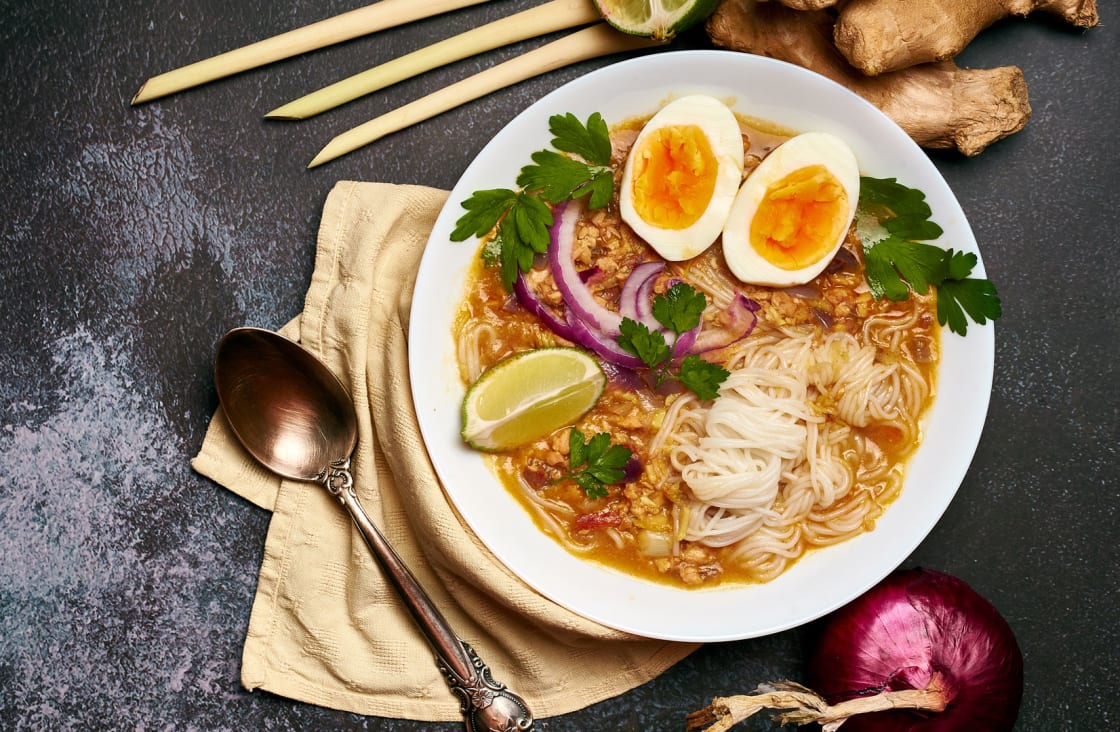
Combining spices and textures, Myanmar delivers truly popular Southeast Asian dishes (Source: Collected)
Few cuisines capture the complexity of flavor like Southeast Asian food. Whether you are savoring a street-side bowl of pho in Hanoi or sharing ambuyat with locals in Brunei, every bite offers a glimpse into daily life. Let this list be your travel companion, and allow the flavors to guide you deeper into each culture!
Best-selling products