 en
en


 Tiếng Việt
  中文 (中国)
  한국어
한국어  Русский


 28/05/2025
 1.463 views
1. Vietnamese taboos in daily life
In Vietnamese culture, there are certain taboos that travelers should be aware of to ensure a smooth and respectful journey. Let’s explore some of the common taboos in Vietnam.
1.1. Dressing
There are certain dress-related taboos you should be aware of:
- Dress modestly and observe how locals dress: It will help you understand what is appropriate. Avoid see-through, skimpy outfits, and visible undergarments.
- Show respect for local customs by avoiding offensive outfits: For example, Men should not go shirtless in public; swimwear is for beaches only.
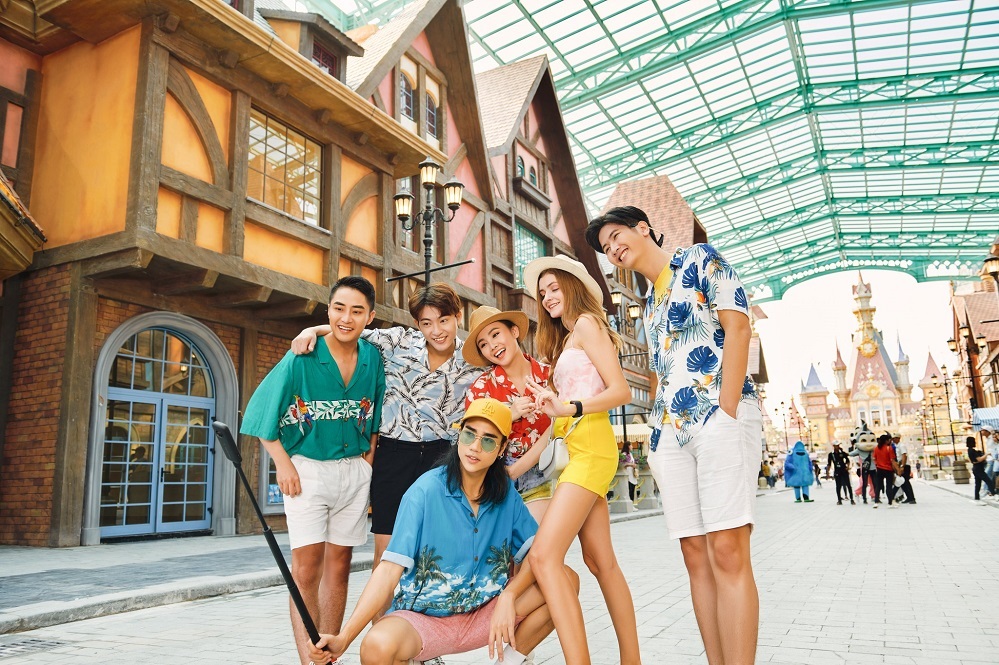
Dress modestly to show respect towards Vietnamese people
1.2. Dining
Vietnamese people place great importance on dining etiquette. There are several taboos in Vietnam related to meals and Vietnamese chopsticks that you should keep in mind:
- Don’t tap your bowl with chopsticks: This sound is associated with bad luck and is linked to begging.
- Don’t stick chopsticks upright in rice: This resembles funeral offerings and is seen as ominous.
- Avoid passing food chopstick-to-chopstick: This reminds people of funeral rites involving ashes.
- Don’t place your chopsticks of uneven lengths or let them cross: Uneven or crossed chopsticks signal misfortune or disagreement.
- Never flip fish: For fishermen, this symbolizes a boat capsizing.
- Avoid dropping bowls or plates: Breaking tableware symbolizes family conflict or separation.
- Don’t scoop rice with just one ladle: This is typically done when serving food to the deceased.
- Don’t eat before the host: Wait until the host starts the meal to show respect.
- Offer drinks respectfully: Keeping your glass lower than elders’ shows deference.
- Avoid picking through the food: It is considered impolite.
- Don’t shake your legs while eating: Shaking legs is linked to poverty and is distracting.
- Eat quietly: Loud slurping or chewing is considered rude.
1.3. Salutation and Communication
When visiting Vietnam, be mindful of Vietnamese taboos related to greetings and forms of address:
- Avoid speaking loudly or aggressively: A calm, respectful tone is preferred.
- Stay away from sensitive topics: Topics like politics, religion, or finances should be avoided to avoid causing discomfort.
- Use proper titles and pronouns to show respect: When greeting locals, say “Xin chao” (Hello). Here are some basic guidelines:
- For females: Same age – “em”; slightly older – “chi”; elderly – “ba”
- For males: Same age – “em”; slightly older – “anh”; elderly – “ong”
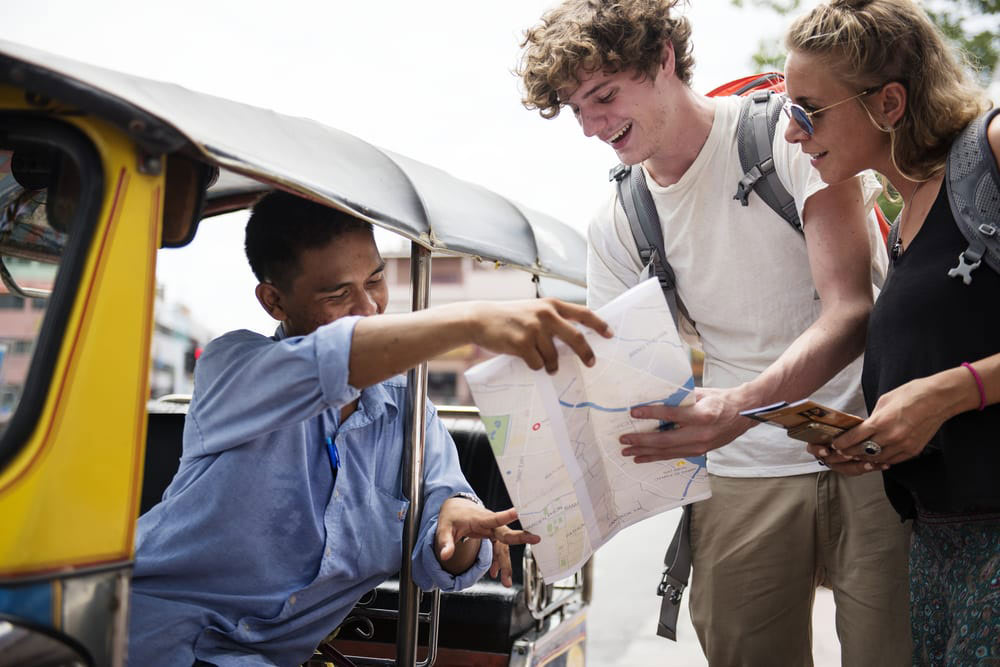
Using proper titles and pronouns is important in Vietnam (Source: Collected)
More on: 23 do’s and don’ts in Vietnam to ensure a respectful visit
1.4. Body gestures
Body language and gestures also play a key role in taboos in Vietnam—let’s take a closer look!
- Control emotions: Displaying anger is frowned upon.
- Use both hands when giving something: It shows respect.
- Use your whole hand to point or gesture, not your finger: If not, it is considered rude.
- Avoid touching others’ heads or shoulders: This one shows disrespect.
- Don’t stand with hands on hips or in pockets, especially when talking: It shows disrespect.
- Avoid turning your back on people, especially elders: It shows disrespect for others.
- Don’t whistle at night or in dark places: It is believed to attract bad spirits.
- Avoid group photos of three: It is considered unlucky.
- Avoid excessive public displays of affection: It may make others uncomfortable.
1.5. Visiting sacred sites
When visiting spiritual or religious sites in Vietnam, remember to observe these important Vietnamese taboos:
- Use side entrances: Avoid the main gate when entering a temple, as it is reserved for Buddha, deities, or royalty.
- Remove your shoes: Take off shoes before entering prayer halls or sacred spaces to maintain sanctity.
- Don’t walk in front of people who are praying: To show respect, you can kneel behind someone who is standing to worship.
- Stay quiet and respectful: Avoid making noise, pointing at, or touching sacred statues.
- Dress modestly: Wear long sleeves and simple attire, avoiding short skirts, shorts, or low-cut tops.
- Don’t take photos or videos of Buddha statues, especially with inappropriate or disrespectful poses: It is generally considered unacceptable in temples.
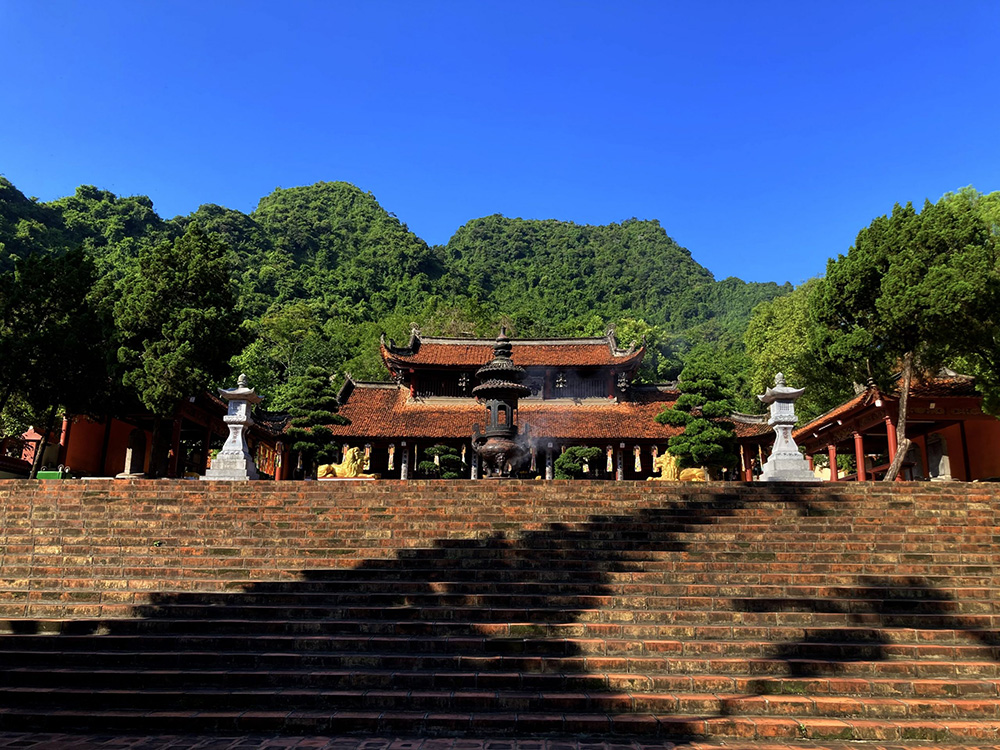
Remove your shoes before entering temples – an important taboo in Vietnamese culture (Source: Collected)
1.6. Visiting a family home
If you are invited to a Vietnamese home, remember the following Vietnamese taboos to ensure a smooth and respectful visit:
- Take off your shoes before entering: To show respect.
- Avoid family altars: Do not step over or walk in front of ancestral altars to avoid disrespect.
- Don’t place hats, bags, or belongings near the ancestral altar: Because it is a sacred space.
- Don’t touch the worship items or sit with your back toward the altar: To show respect.
- Don’t whistle indoors: It is believed to call spirits into the home.
When visiting ethnic minority villages in Vietnam, some Vietnamese taboos are:
- Don’t move or step on the stones used to support the stove: Some ethnic groups believe these are home to fire spirits.
- Honor sacred spots: Avoid sitting on the threshold, hanging hats on sacred columns, or leaning against the main house pillar, as these are sacred.
- Wait for invitation: Do not sit on cushions in ethnic minority villages unless invited, as they are reserved for elders or important guests.
Discover: Vietnamese etiquette: A complete list of do’s and don’ts
2. Taboos in Vietnamese culture on special occasions
2.1. Vietnamese New Year
During Vietnamese New Year, certain Vietnamese taboos are observed to ensure good luck and prosperity for the year ahead:
- Avoid breaking things: This symbolizes separation and bad luck.
- Don’t say negative or unlucky words: These will affect your entire year.
- Avoid leaving food unfinished: This can bring hunger or hardship.
- Avoid borrowing or lending money: It is thought to cause financial difficulties.
- Don’t wear black or white: These colors are associated with mourning. Bright colors are preferred.
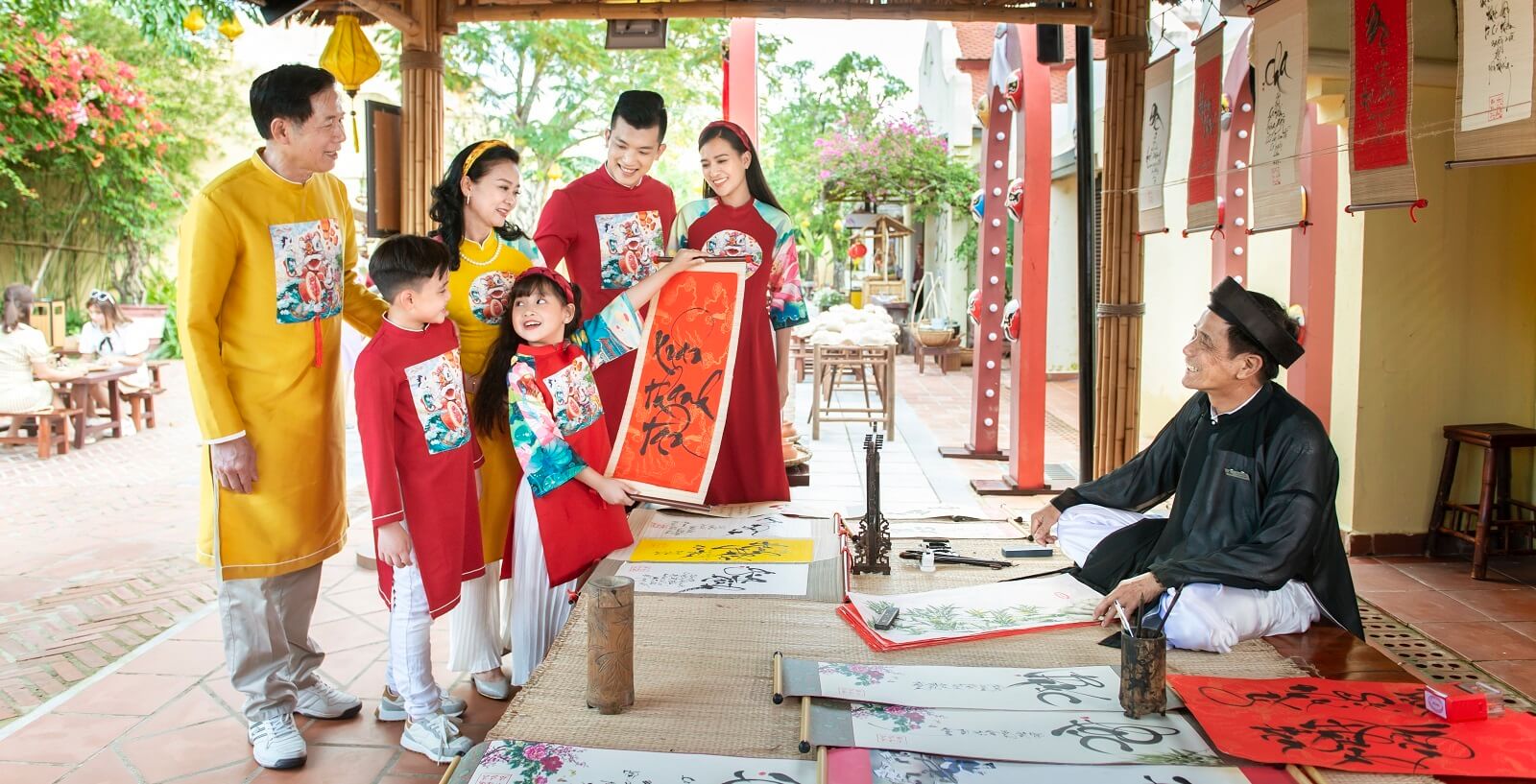
One of the most important taboos in Vietnam is avoiding breaking things
2.2. Weddings
Weddings in Vietnam are considered significant occasions, and there are a few important Vietnamese taboos that guests should be aware of.
- Avoid asking awkward or taboo questions: Questions like “When are you having children?” or “How much did this wedding cost?” are considered rude.
- Avoid breaking anything during the ceremony: Things like broken mirrors, cups, or chopsticks are seen as bad omens for the couple’s future.
- Don’t dress too casually or provocatively: Outfits like T-shirts, flip-flops, or revealing dresses draw attention away from the bride and are considered disrespectful.
2.3. Funerals
At solemn events like funerals, it is essential to follow these taboos in Vietnam out of respect:
- Avoid colorful or flashy clothes: Wear dark, modest clothing to show respect.
- Don’t make vows or promises in front of the deceased: It is believed their spirit can hear and follow you.
- Turn off your phone or keep it on silent mode: Loud ringtones are inappropriate at funerals.
- Avoid rude or loud conversations: It is disrespectful to the grieving family.
2.4. Ghost Month
In Vietnamese belief, the 7th lunar month is Ghost Month, when the gates of the underworld open and spirits return to the living world. Many taboos in Vietnam are followed during this time:
- Don’t call someone’s name at midnight: It is believed that spirits might remember the name and follow that person.
- Avoid big events like buying property, weddings, or groundbreaking ceremonies: Wandering spirits may interfere with important affairs.
- Don’t stick chopsticks upright in a bowl of rice: It is an invitation to spirits.
- Avoid breaking dishes or teapots: These are signs of relationship trouble.
- Don’t scare or surprise people by tapping their shoulders or heads: It is believed this makes them vulnerable to spirit possession.
- Don’t take photos at night: It is believed that ghosts may appear “invisibly” in photos with the living, which is considered a bad omen.
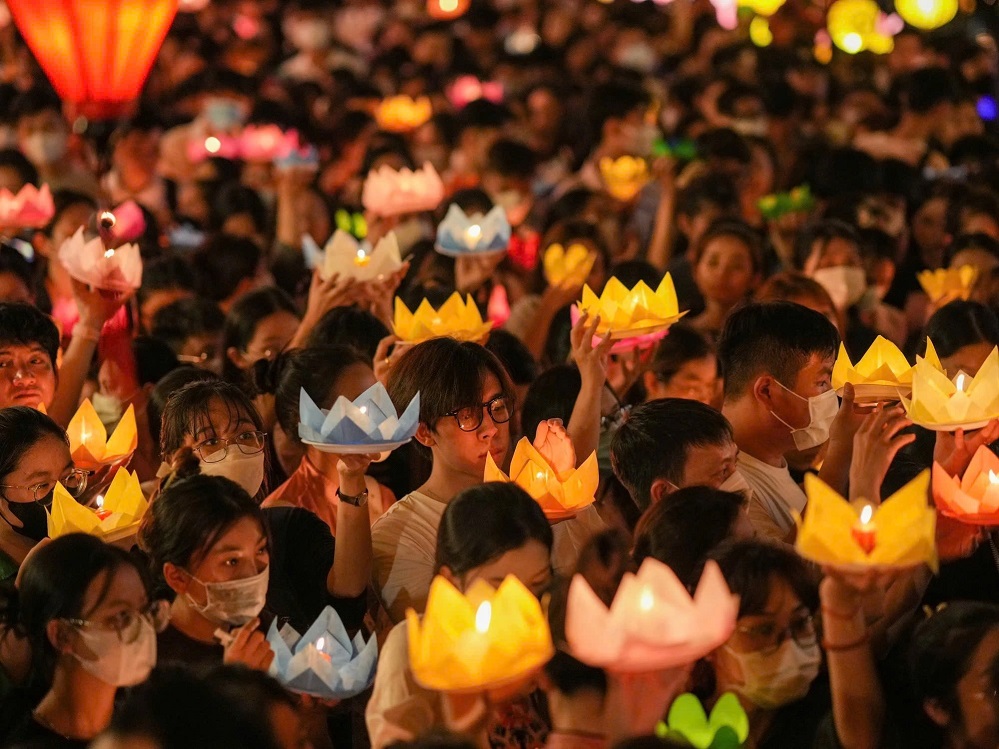
During Ghost Month, don’t take photos at night (Source: Collected)
Respecting taboos in Vietnam is key to having a meaningful and respectful travel experience. These cultural practices reflect the values and beliefs of the Vietnamese people. By understanding and observing Vietnamese taboos, visitors avoid misunderstandings and show appreciation for the country’s rich heritage and traditions.
After exploring some taboos in Vietnam, why not plan a trip to experience the country firsthand? Iconic destinations like Phu Quoc, Nha Trang, Da Nang, and Hoi An offer an opportunity to immerse yourself in the vibrant heritage of the Vietnamese people.
For an adventure like no other, be sure to visit VinWonders – a vibrant network of entertainment hubs offering everything from thrilling theme parks and water adventures to impressive aquariums, lush gardens, wildlife encounters, and spectacular live shows.
Take your journey to the next level with a stay at the hotels and resorts of Vinpearl, where world-class service and top-notch facilities promise an unforgettable getaway.

Splash Bay – a must-visit at VinWonders Nha Trang for water lovers
Book VinWonders Nha Trang ticket now
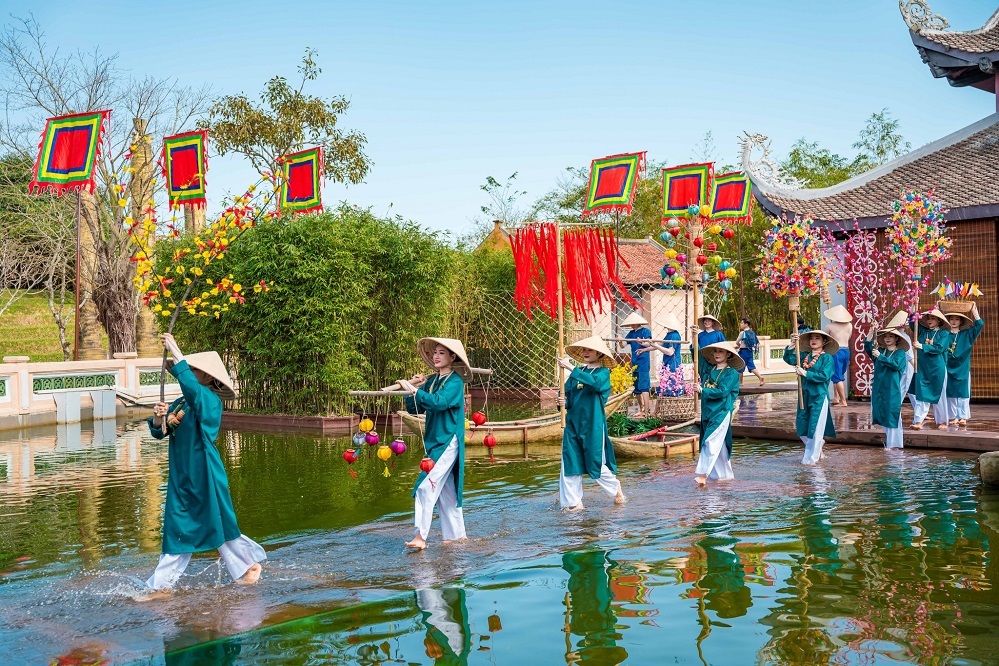
Watch various cultural shows at VinWonders Nam Hoi An
Book VinWonders Nam Hoi An ticket now
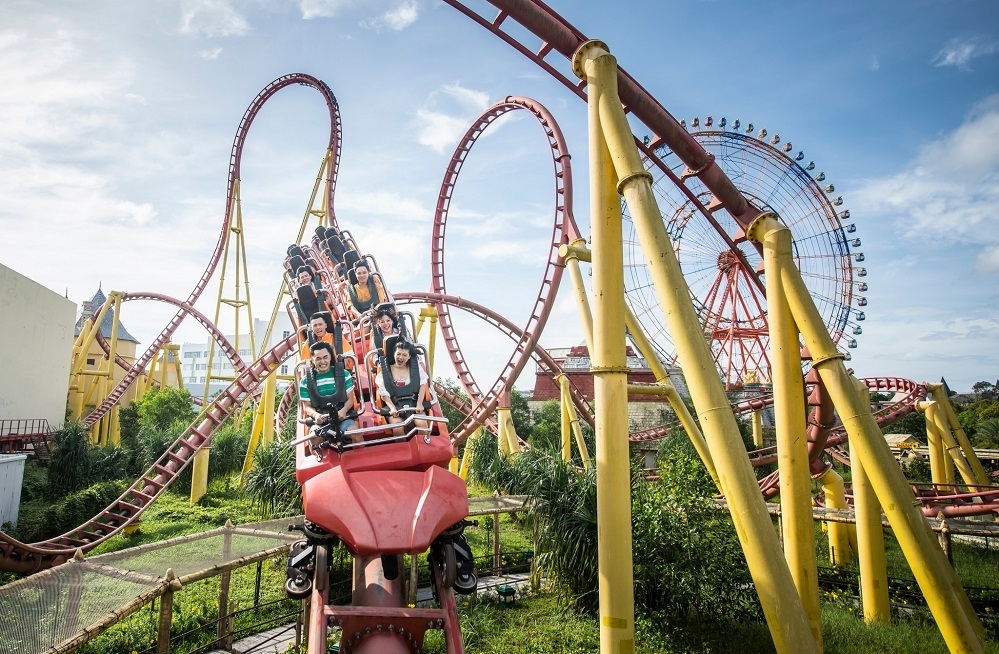
Conquer tons of thrilling rides at VinWonders Phu Quoc
Book VinWonders Phu Quoc ticket now
Best-selling products
![[Aquafield] - [Female] - Round-trip Cable Car + 4-hour Korean Sauna](http://booking-static.vinpearl.com/tours/c3bae84e472b42078ca3ff6f28d55d80_1c5968412aca409fa8571c88cc85a4ba_aqf%205_aquafield-nha-trang.jpg)
![[Vinpearl Harbour] - Admission to VinWonders (after 4:00PM) & Round trip cable car](http://booking-static.vinpearl.com/tours/4b2d76bbde1f4c54a43370680d311928_Hinh-anh-VinWonders-Nha-Trang-The-World-Garden-Lau-vong-canh-3x2-so-1_vinwonders-nha-trang-ve-vao-cua-sau-16h.jpg)
![[Vinpearl Harbour] - Round-trip Cable Car Ticket | Free Wishing Coin Voucher](http://booking-static.vinpearl.com/tours/e584c2f486d246c5820a19f519d184a4_VPHB_Photos15_vinwonders-nha-trang-ve-vao-cua-2-chieu.jpg)
![[Aquafield] - [Male] - Round-trip Cable Car + 4-hour Korean Sauna](http://booking-static.vinpearl.com/tours/625529980f3249e6b0491cddfc30db43_297be2477c5847748ef3bc08603ebf90_aqf%204_aquafield-nha-trang.jpg)
![[Hon Tam] - [Zone A&B] - Full island entertainment + Mud Bath Zone A + Lunch](http://booking-static.vinpearl.com/tours/af991883d63f4133b62b76551ba2444d_tam-bun-dao-hon-tam_httpswwwhontammudbathvnwp-contentuploadssites2720190625-3-2200x700jpg.jpg)
![[VinWonders Nam Hoi An] Direct admission & Buggy Ticket Combo](http://booking-static.vinpearl.com/tours/6c002e3ea71642f38eda8efa8654e5e4_vwnha0_vinwonders-nam-hoi-an-ve-vao-cua.jpg)
![[Aquafield] - Round-trip Cable Car + Korean Sauna + Body Scrub](http://booking-static.vinpearl.com/tours/d00bc95eb402434c8f4a4756c2a3ad3d_Akoya-spa-Villa-Vinpearl-Resort-Spa-Phu-Quoc-12_aquafield-nha-trang.jpg)
![[VinWonders Nam Hoi An] [Sunset Premium] Admission Ticket & Buggy Ride & VIP Safari Package & Afternoon Tea Set](http://booking-static.vinpearl.com/tours/3a1e510945b4421d861fede29a1b3e58_xE3mXzIVwTdZRf7M8zZfHqHIPqV17uyEOzL8PaUQ_vinwonders-nam-hoi-an-ve-vao-cua.jpg)
![[02-Day Combo] - VinWonders + Vinpearl Safari + Free Grand World Tour](http://booking-static.vinpearl.com/tours/ceb77f9174d845ebb2fd3dfe2b846066_3%20copy_vinwonders-nam-hoi-an-ve-vao-cua.jpg)
![[VinWonders Vu Yen] - [02 Adults + 02 Children] - Admission to Zoo + Games + Water Park | FREE 01 Limited Tote Bag](http://booking-static.vinpearl.com/tours/b2cd8cf6b14c48459b21393e14d73163_vwvy%201_vinwonders-nha-trang-ve-vao-cua-2-chieu.jpg)
![[Nha Trang Passport] - [Half-Day] - Cable Car + Aquafield Sauna (2 hours) + Tata Show](http://booking-static.vinpearl.com/tours/ef49c187eadf4177b425d2bb85a18b30_200dd4dda03e45e0a1add52e4acc11fa_NHT_1796_ve-xem-tata-show-vinwonders-nha-trang.jpg)
![[-30%] The Quintessence of Vietnam Show](http://booking-static.vinpearl.com/tours/6cee2bcb52a447009f64771095d03c9e_Screenshot%202024-10-22%20at%2014.49.18_ve-bao-tang-gau-teddy-bear.png)
![[Grand World] Carousel Ride](http://booking-static.vinpearl.com/tours/0d6a4bcfc2a54fd4aa9df0b38ae8c7b6_A2-4-jpeg-2640-1687438608_grandworld.jpg)
![[VinWonders Vu Yen] - Admission Ticket to Games zone (after 5:00 PM)](http://booking-static.vinpearl.com/tours/edbd3eb4bc9848aead9940e0f5aa050d_fa21c62dfa9644ada0c3fce89b3e79ff_DO__8711_vinwonders-vu-yen-vuon-thu-khu-tro-choi-sau-17h.jpg)
![[Grand Park] Adventure Express](http://booking-static.vinpearl.com/tours/eeb9a602315342ccbc7965b29cfb0db0_Ảnh%20màn%20hình%202025-03-03%20lúc%2015.00.17_vinwonders-nam-hoi-an-ve-vao-cua.png)
![[Aquafield] - [Male] - 4-hour Korean Sauna](http://booking-static.vinpearl.com/tours/94abeb55e3d54efbac23f7a862445389_0d72b531dd6749bbac2874b915ab0512_Screenshot_8_aquafield-nha-trang_aquafield-nha-trang.png)
![[Vinpearl Aquarium Times City] Entrance Ticket](http://booking-static.vinpearl.com/tours/8702a10bf2934d6299df65669a290679_aquarium%20times%20city%203_thuy-cung-vinpearl-aquarium-times-city.jpg)
![[VinWonders Wave Park] Family Coaster Ride Ticket](http://booking-static.vinpearl.com/tours/f949b31af919495c9b4e111237642763_358600999_111579731994757_433244877993048710_n_vinwonders-ha-noi.jpg)
![[VinWonders Phu Quoc] - Entrance Ticket + Gate Fastpass + Buggy](http://booking-static.vinpearl.com/tours/de2a24896b0e49469fa1e89e93aa5314_1920x1080%20VWPQ%20KV_vinwonders-phu-quoc-standard-entrance-ticket.jpg)
![[VinWonders Cua Hoi] - Indoor Games Zone](http://booking-static.vinpearl.com/tours/b952de18058e4a67a8ffa52f2039e7d2_1920-x-1080-double%20day%20sale%2077%20no%20text_vinwonders-nam-hoi-an-ve-vao-cua.jpg)
![[Buggy Combo] - VinWonders Phu Quoc + Buggy + FREE: Ice Cream + Meal Voucher](http://booking-static.vinpearl.com/tours/877d8a3289a246d18f95aa5cc414f6d6_27be58d21e244664bf34d11d72e77860_Castle_vinwonders-phu-quoc-ve-vao-cua_vinwonders-phu-quoc-ve-vao-cua.jpg)
![[VinWonders Nha Trang] - Admission to VinWonders after 4:00 PM](http://booking-static.vinpearl.com/tours/de2da6d471b34297ab13cb26ef2da9a0_Hinh-anh-VinWonders-Nha-Trang-The-World-Garden-Lau-vong-canh-3x2-so-1_vinwonders-nha-trang-ve-vao-cua-sau-16h.jpg)
![[-10%] [Times City Hanoi] - Combo Aquarium Admission Ticket + F&B Set](http://booking-static.vinpearl.com/tours/e7fcffc8256546e8bdcfd5ccfbe69783_VINKE2%20(1)_vinke-ve-vao-cua-truc-tiep.jpg)
![[VinWonders Cua Hoi] Round-Trip Cable Car + Water Park + Buffet Voucher worth VND 125,000](http://booking-static.vinpearl.com/tours/aa8379d6db3a4f5c9df6d78d53177c35_11-E-Ticket-Vinwonder-Cua-Hoi_23072024111407_vinwonders-nam-hoi-an-ve-vao-cua.jpg)
![[Nam Hoi An Signature] VinWonders Ticket + VIP Safari Package | FREE Merchandise Gift](http://booking-static.vinpearl.com/tours/881ac31c4a2b4687a59f412901e85b2c_VIN2725_-08746%20(2)_vinwonders-nam-hoi-an-ve-vao-cua.jpg)
![[VinWonders Nha Trang] - 02-day Unlimited Admission Ticket | Free F&B Voucher](http://booking-static.vinpearl.com/tours/d1425f018b3e4d2d833374b5b52d8bb9_Hinh-anh-VinWonders-Nha-Trang-The-World-Garden-Lau-vong-canh-3x2-so-1_vinwonders-nha-trang-ve-vao-cua-sau-16h.jpg)
![[Grand World Phu Quoc] - Water Taxi Boat + Teddy Bear Museum](http://booking-static.vinpearl.com/tours/add2e0908faa4289b555856472b181be_VENICE%20ALL%20IN%20ONE%20KV%20(1)_ve-bao-tang-gau-teddy-bear.jpg)
![[Aquafield Ocean City] [Male] – Standard Jjimjilbang Sauna Ticket](http://booking-static.vinpearl.com/tours/0be276c684454e8d969c373f35f6be97_DSC_2127_11zon_aquafield-nha-trang.jpg)
![[Vinpearl Harbour] - Happy Hour Combo: Round-trip Cable Car + Dinner Buffet + Tata Show](http://booking-static.vinpearl.com/tours/3cbd16b8edc74f6abc7f7cfa0e91caec_VPHB_Photos15_vinwonders-nha-trang-ve-vao-cua-2-chieu.jpg)
![[VinWonders Nam Hoi An] - Standard Admission Ticket](http://booking-static.vinpearl.com/tours/81813f8ced2c466e82ad53f1c29c1904_tour-kham-pha-van-hoa-viet-vinwonders-nam-hoi-an-668ca102bcc29_vinwonders-nam-hoi-an-ve-vao-cua.jpg)
![[50% Student Discount] – VinWonders Admission Ticket](http://booking-static.vinpearl.com/tours/43126c168bb04853bf7c93e197db724a_Banner%201200x628_vinwonders-nha-trang-ve-vao-cua-2-chieu.jpg)
![[Nha Trang Passport] - [Half-Day] - Cable Car + Aquafield Sauna (2 hours) + Tata Show](http://booking-static.vinpearl.com/tours/b0bf65880af449f39ea19fa0acbb94d5_34d71a9c3e6b4b7484f9d7cbbc935c26_200dd4dda03e45e0a1add52e4acc11fa_NHT_1796_ve-xem-tata-show-vinwonders-nha-trang_ve-xem-tata-show-vinwonders-nha-trang.jpg)
![[Aquafield] - [Female] - 4-hour Korean Sauna](http://booking-static.vinpearl.com/tours/0e6fe24c37b84cb799b94dae70578054_aqf-suong-may-2048x1365_aquafield-nha-trang-xong-hoi-chuan-han.jpg)
![[Grand World] Skydrop ticket](http://booking-static.vinpearl.com/tours/ed7c962747be42458f35c7b18340b901_A2-4-jpeg-2640-1687438608_grandworld.jpg)
![[Aquafield Ocean City] [Male] – VIP Membership (12 Months)](http://booking-static.vinpearl.com/tours/6ab10678fcbd4822a8fddb0590d3bcbf_0d72b531dd6749bbac2874b915ab0512_Screenshot_8_aquafield-nha-trang_aquafield-nha-trang.png)
![[Hon Tam] - [Zone A] - Mud Bath + Lunch Combo](http://booking-static.vinpearl.com/tours/5debd1efb6d34e42a88efa65354c8c72_ebdde60fd9a44539afe75c9338ec8a3d_ảnh%205_tam-bun-hon-tam.jpg)
![[VinWonders Phu Quoc] - Standard Entrance Ticket](http://booking-static.vinpearl.com/tours/0dd25afc61ad45d48486bbd3b9c8a96a_tieu%20chuan%201_vinwonders-phu-quoc-ve-vao-cua.jpg)
![[Nha Trang Passport] – [01 day] – Snorkeling Tour + Lunch & Mud Bath at Hon Tam + Vinpearl Harbour + Tata Show](http://booking-static.vinpearl.com/tours/f6b1826759674c9c9d3f074e03fa04ba_snorkeling%201_vinwonders-nha-trang-ve-vao-cua-2-chieu.jpg)
![[VinWonders Phu Quoc] - Game Fastpass - Top 04 Rides](http://booking-static.vinpearl.com/tours/574c2b7798524c17a08f28feb80d45b5_fastpass%204%20games%20vwpq_vinwonders-phu-quoc-fastpass.jpg)
![[Grand World Phu Quoc] - The Quintessence of Vietnam Show](http://booking-static.vinpearl.com/tours/f88e2be1139b4eada4043eb7f0e39362_THVN1_show-tinh-hoa-viet-nam.jpg)
![[VinWonders Nha Trang] - 01-day Unlimited Admission Ticket | Free F&B Voucher](http://booking-static.vinpearl.com/tours/ccf23087ea0f419980c411d0e79c10fb_88c594a8352d49e7b031b9fbd5c5d27f_tro-choi-mao-hiem-o-vinpearl-nha-trang-thumb-1_vinwonders-nha-trang-khong-gioi-han-2-ngay_vinwonders-nam-hoi-an-ve-vao-cua.jpg)
![[VinWonders Cua Hoi] - Cable Car + Games on the Island](http://booking-static.vinpearl.com/tours/63c924f8521a4af981666076c5c3b0fe_VinWonders%20Cua%20Hoi%20Summer%20Say%20Hi%20Banner%201920x920px_vinwonders-nam-hoi-an-ve-vao-cua.jpg)
![[Grand Park] Dream Garden Outdoor Games Pass](http://booking-static.vinpearl.com/tours/35566b714d4c4dd9802a6bf4650ac2b1_khu-vui-choi-cua-hoi-9_vinwonders-nam-hoi-an-ve-vao-cua.jpg)
![[VinWonders Vu Yen] - [04 Adults] - Admission to Zoo + Games + Free Tote Bag](http://booking-static.vinpearl.com/tours/34488b227a3648e5b73d4aa6d6d36b46_DO__8153_vinwonders-nha-trang-ve-vao-cua-2-chieu.jpg)
![[Aquafield] - [Male] - 4-hour Korean Sauna](http://booking-static.vinpearl.com/tours/4ae60d29ea264f8fab17beb6b4415502_aqf-da-muoi_aquafield-nha-trang-xong-hoi-chuan-han.jpg)
![[Onsite service] - Premium VIP Zoo Tour Vinpearl Safari Phu Quoc](http://booking-static.vinpearl.com/tours/ff1e4b66ec1b46edad0c0460144e70ad_VINPEARL%20SAFARI%20PHU%20QUOC%20%20(51)_vinwonders-nam-hoi-an-ve-vao-cua.jpg)
![[Aquafield Ocean City] – VIP Membership (12 Months)](http://booking-static.vinpearl.com/tours/3c2f7ab0ed374cb1bbdb2e54e6d6eb9a_e1f2756dfec346f3bb3b16e296b3b166_Screenshot_5_aquafield-nha-trang_aquafield-nha-trang.png)
![[Grand World Phu Quoc] [Ultimate Combo] - Water Taxi + Teddy Bear Museum + Grand Show](http://booking-static.vinpearl.com/tours/e31a9e66b5444808bba3e3114d195559_VENICE%20ALL%20IN%20ONE%20KV%20(1)_ve-bao-tang-gau-teddy-bear.jpg)
![[Buggy Combo] - VinWonders Phu Quoc + Buggy + Free Ice Cream](http://booking-static.vinpearl.com/tours/0fc52a574094489da612d0f36bb4b1e6_buggy%20kem_vinwonders-phu-quoc-ve-vao-cua-tet-vi-vu.jpg)
![[-10%] - VIP River Safari Ticket*](http://booking-static.vinpearl.com/tours/5d3ee19e977446be8917a34697bb9443_ece6e58a02fd48de9eba9d3f4689f77a_Hinh-anh-VinWonders-Nam-Hoi-An-River-Safari-3x2-so-1%20(1)_vinwonders-nam-hoi-an-ve-vao-cua_vinwonders-nam-hoi-an-ve-vao-cua.jpg)
![[Hon Tam] - [Zone A] - Standard Mud Bath](http://booking-static.vinpearl.com/tours/9db66a615a7d4f119316b338afff30cb_tam-bun-dao-hon-tam_httpswwwhontammudbathvnwp-contentuploadssites2720190625-3-2200x700jpg.jpg)




![[Mega Sale 2.2] Get up to 50% off VinWonders on Double Day](https://static.vinwonders.com/production/2026/01/double-day-thumb-336x161.jpg)


