 en
en


 Tiếng Việt
  中文 (中国)
  한국어
한국어  Русский


 01/10/2023
 1.460 views

Vietnam has become a sought-after travel destination in Southeast Asia (Source: Collected)
Over the past decades, the development of tourism in Vietnam has been remarkable. With a diverse range of tourism offerings, the country has been captivating the hearts of millions of foreign travelers seeking holidays that go beyond sunbathing.
1. Overview of the tourism industry in Vietnam
Vietnam has amazing tourism potential thanks to its stunning natural beauty, rich culture, and historical treasures. With over 3,000 kilometers of coastline and more than 125 beautiful beaches, the country is a coastal paradise. Moreover, Vietnam has eight Vietnam UNESCO World Heritage Sites.
Tourism in Vietnam is on the rise and getting noticed worldwide. According to the tracking tool of Google, more and more people are searching about Vietnam. The famous British travel magazine Wanderlust included three UNESCO heritage sites in Vietnam on the list of heritage sites worth visiting in Southeast Asia. In summer 2023, Expedia named Vietnam a top travel destination.

Vietnamese tourism statistics reflect positive signs after the pandemic (Source: Collected)
Vietnam’s international tourism has seen dramatic fluctuations in recent years. In 2018 and 2019, it was great with 15.5 million and 18 million visitors. But in 2020 and 2021, it dropped to just 3.84 million and 0.16 million due to the Covid-19 pandemic. In 2022, it improved a bit to 3.66 million. Now in 2023, things are looking up. In the first 7 months, Vietnam welcomed nearly 6.6 million international visitors, hitting 83% of its yearly goal.
Tourism is a cornerstone of Vietnam’s economy, ranking among its top three key sectors. In 2019, it generated approximately $33 billion in revenue, directly contributing 9.2% to the country’s GDP. Vietnam consistently ranks among the world’s fastest-growing tourist destinations, with monthly growth rates ranging from 50% to 70% since the start of 2022. Economic experts and financial institutions anticipate that the service and tourism industry will play a pivotal role in Vietnam’s economic growth for the entirety of 2023.
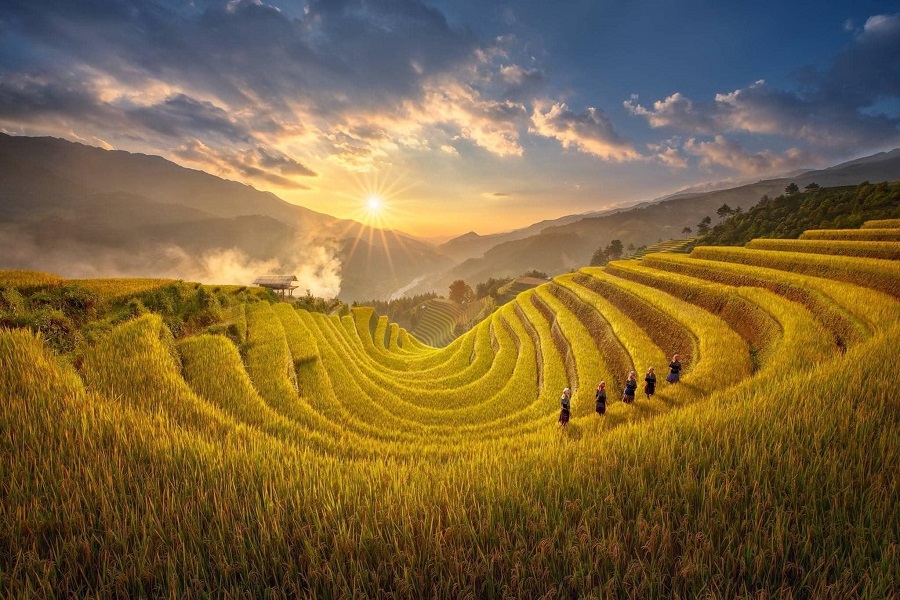
It is not easy to say which are the best tourist places in Vietnam, as there are so many stunning destinations here (Source: Collected)
2. What are popular types of tourism in Vietnam?
2.1. Sea and island tourism
Vietnam boasts an extensive coastline of over 3,260 kilometers and more than 3,000 islands with pristine beaches and lush tropical landscapes. It features 125 beautiful beaches and is among the 12 countries with the most stunning bays globally.
Vietnam’s islands and seas have earned global acclaim for their exceptional beauty. In 2021, Touropia crowned Ha Long Bay as the world’s most exquisite bay. Forbes recognized My Khe Beach in Da Nang as the planet’s most beautiful beach in 2005, while An Bang Beach in Quang Nam earned a spot on CNNGo’s list of the 50 most beautiful beaches in the world in 2001.
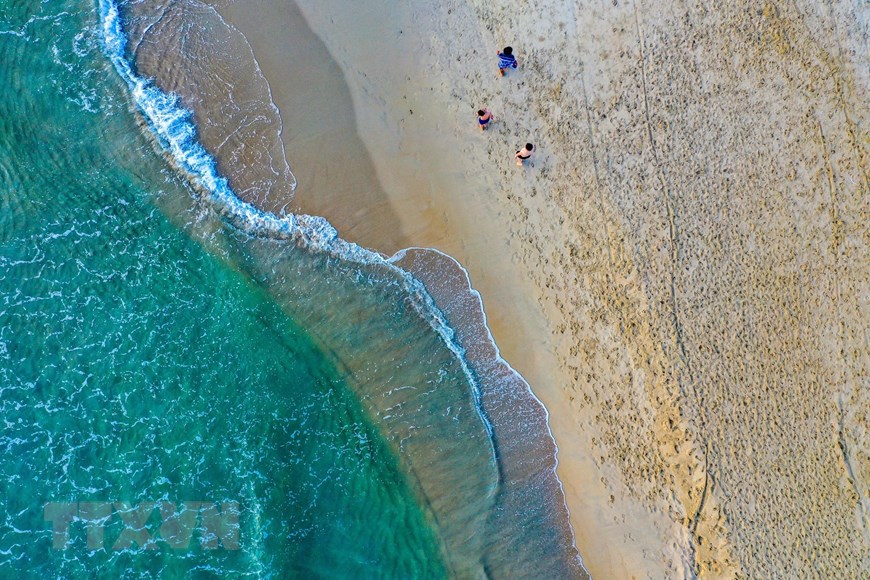
The mesmerizing beauty of Vietnamese beaches (Source: Collected)
In recent years, Vietnam has not just been celebrated for its natural beauty. It has also received prestigious tourism awards for its golf courses, hotels, tour operators, and airlines. These awards show that Vietnam is investing smartly to compete with other countries in the tourism industry, going beyond its natural attractions to make a mark in the region and the world. If you are planning to explore Vietnam, it is highly recommended that you visit Phu Quoc, Nha Trang, and Da Nang’s Non Nuoc Beach.
2.2. Cultural tourism
With 4,000 years of history and 54 ethnic groups, the diversity of Vietnamese culture is truly remarkable. The country boasts 5 tangible cultural heritages, 1 mixed heritage, 14 intangible cultural heritages, and 7 documentary heritages. In addition, it is home to over 4,000 national relics, 126 special national relics, 400 national intangible cultural heritage sites, and more than 9,000 provincial relics. Must-visit heritage destinations like Trang An Scenic Landscape Complex, Hue Imperial City, My Son Sanctuary, and Hoi An Ancient Town are top draws for international visitors who are eager to explore Vietnam’s vibrant cultural tapestry.
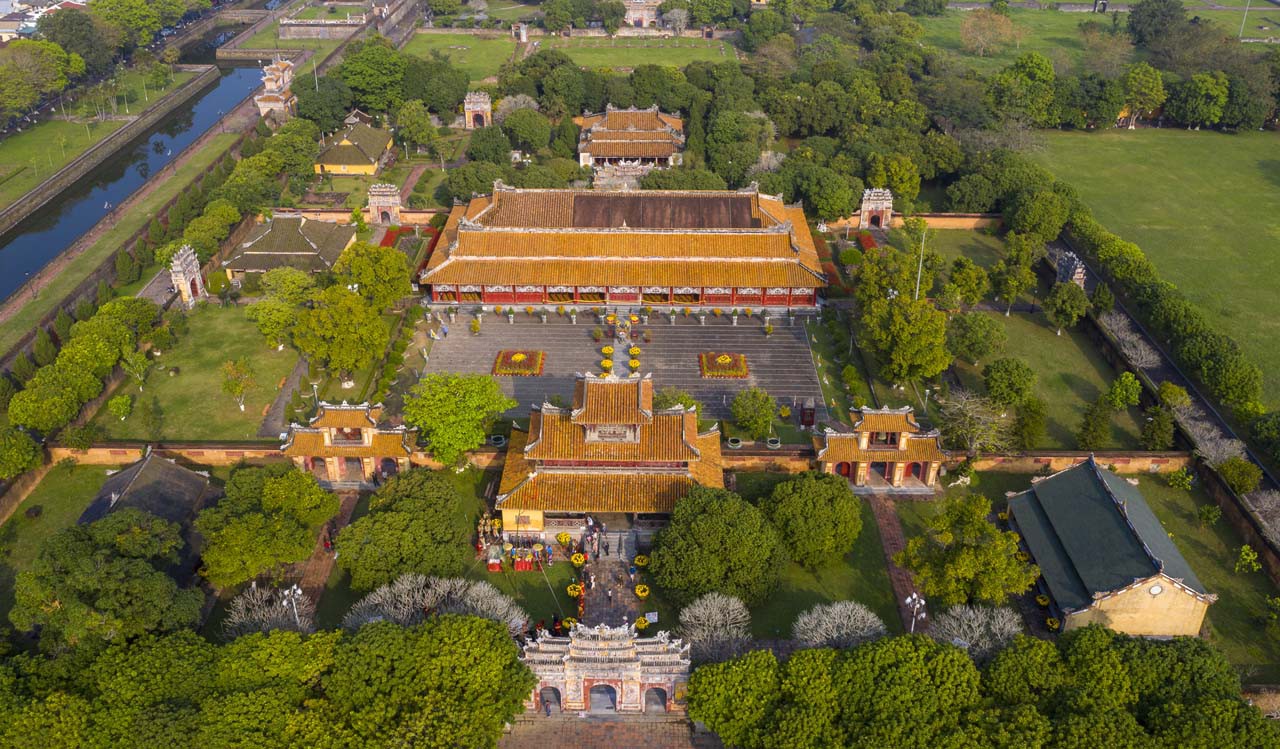
Cultural tourism in Vietnam brings a captivating journey through centuries of history (Source: Collected)
2.3. Urban tourism
Urban tourism is thriving in numerous cities in Vietnam, mirroring global urbanization trends. Three standout cities for urban tourism in Vietnam are Hanoi, Ho Chi Minh City, and Da Nang. These cities offer a blend of historical heritage and contemporary experiences, which makes urban tourism in Vietnam diverse and appealing.
Hanoi showcases its rich history, cultural festivals, and unique cuisine. Meanwhile, Ho Chi Minh City offers MICE tourism, shopping, and a glimpse into Vietnam’s revolutionary history, along with vibrant entertainment options. Da Nang focuses on its historical values, urban planning, and modern infrastructure. These cities aim at providing a clean, safe, and friendly environment for tourists.
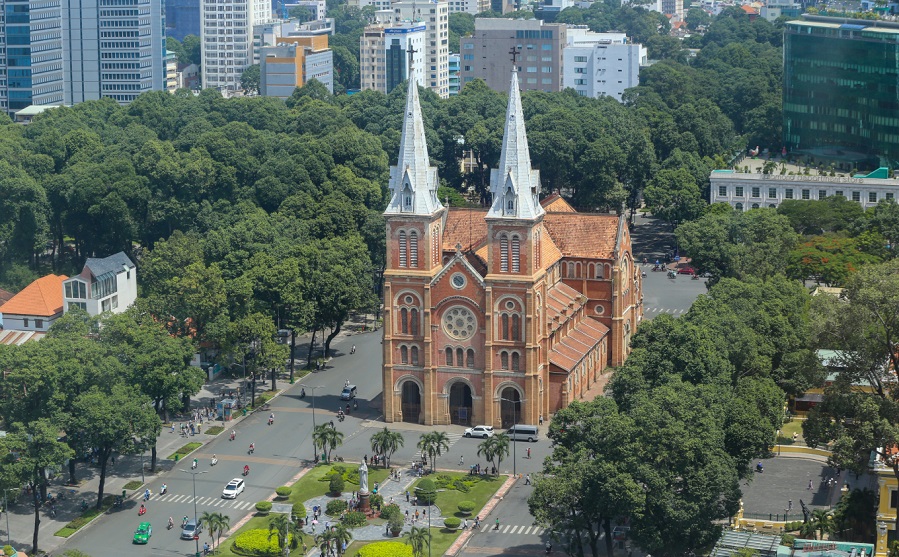
The energetic atmosphere of Ho Chi Minh City (Source: Collected)
2.4. Agricultural and rural tourism
Vietnam offers three main types of rural tourism: eco-tourism, agricultural tourism, and community tourism. Ecotourism in Vietnam focuses on nature and culture, involving local communities for conservation and sustainability. Agricultural tourism lets you experience farm life, from planting crops to enjoying fresh produce, with comfy rural stays. Community tourism immerses you in the local culture, all managed by the community, offering authentic experiences of Vietnamese rural life. These options make exploring rural Vietnam easy and enjoyable.
If you want to experience agricultural and rural tourism in Vietnam, you should consider visiting Duong Lam Ancient Village in Hanoi, exploring the tea hills and dairy farms in Moc Chau (Son La), experiencing a day as a farmer in Yen Duc (Quang Ninh) or a fisherman in Viet Hai (Hai Phong). You can also enjoy the beauty of terraced fields during the rice harvest season in Mu Cang Chai (Yen Bai) and Sapa (Lao Cai), etc.
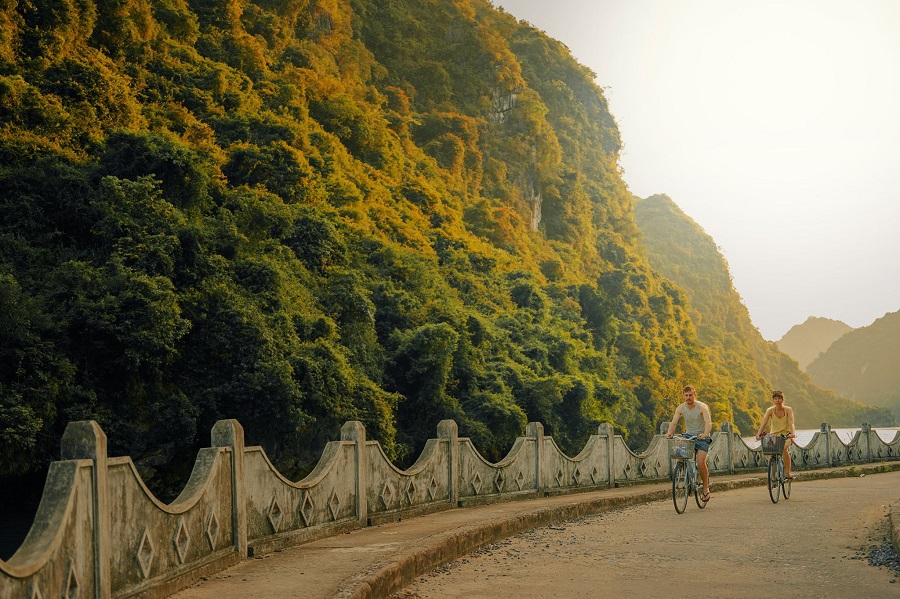
Eco tourism in Vietnam offers a diverse range of experiences for nature enthusiasts (Source: Collected)
2.5. Healthcare and medical tourism
Vietnam has great potential for healthcare tourism due to its abundant mineral water sources and traditional medicine heritage. The country’s landscapes, including serene pagodas and monasteries, provide ideal settings for meditation and yoga retreats. Some hot spring destinations such as Quang Hanh (Quang Ninh) and Thanh Thuy (Phu Tho) offer wellness services like mud baths and spa treatments. Places like Bao Long Medical Tourism Area combine medical services with tourism, creating a unique experience for visitors. Vietnam’s resources and traditions make it a perfect choice for health-conscious travelers seeking holistic wellness experiences.
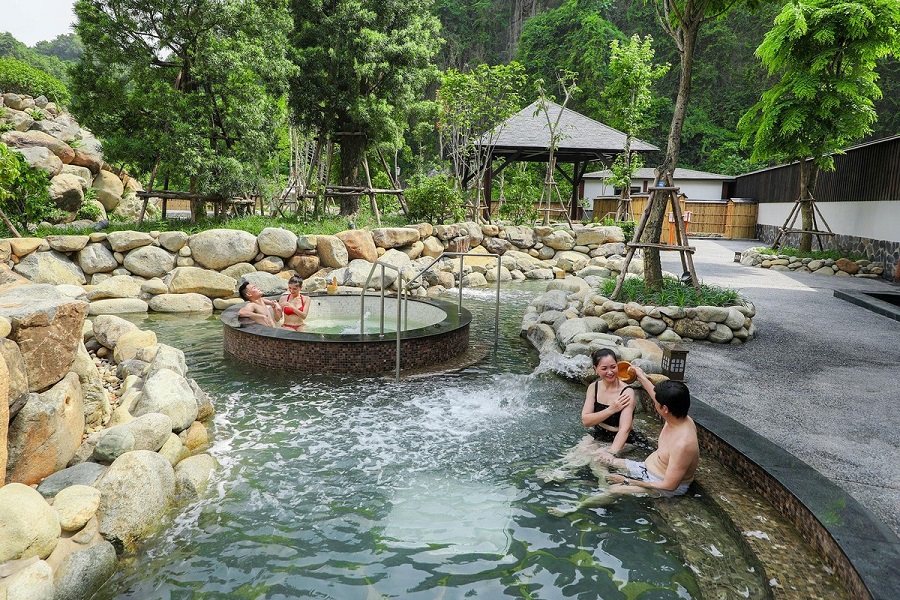
Medical tourism in Vietnam is attracting numerous foreign tourists (Source: Collected)
2.6. Sports tourism
The diverse terrain and favorable climate create an ideal setting for sports tourism in Vietnam. Specifically, the Northeastern and Northwestern regions, with their mountain passes and canyons, attract adventure enthusiasts. Notable destinations include towering peaks like Fansipan, Bach Moc Luong Tu, and Ta Xua. The country also offers activities like jogging, mountain biking, and paragliding in picturesque locations such as Ma Pi Leng Pass and Khau Pha Pass. Vietnam’s rivers and rapids provide opportunities for boat racing, canyoning, and swimming. In general, sports tourism in Vietnam offers thrilling adventures amidst stunning natural landscapes.
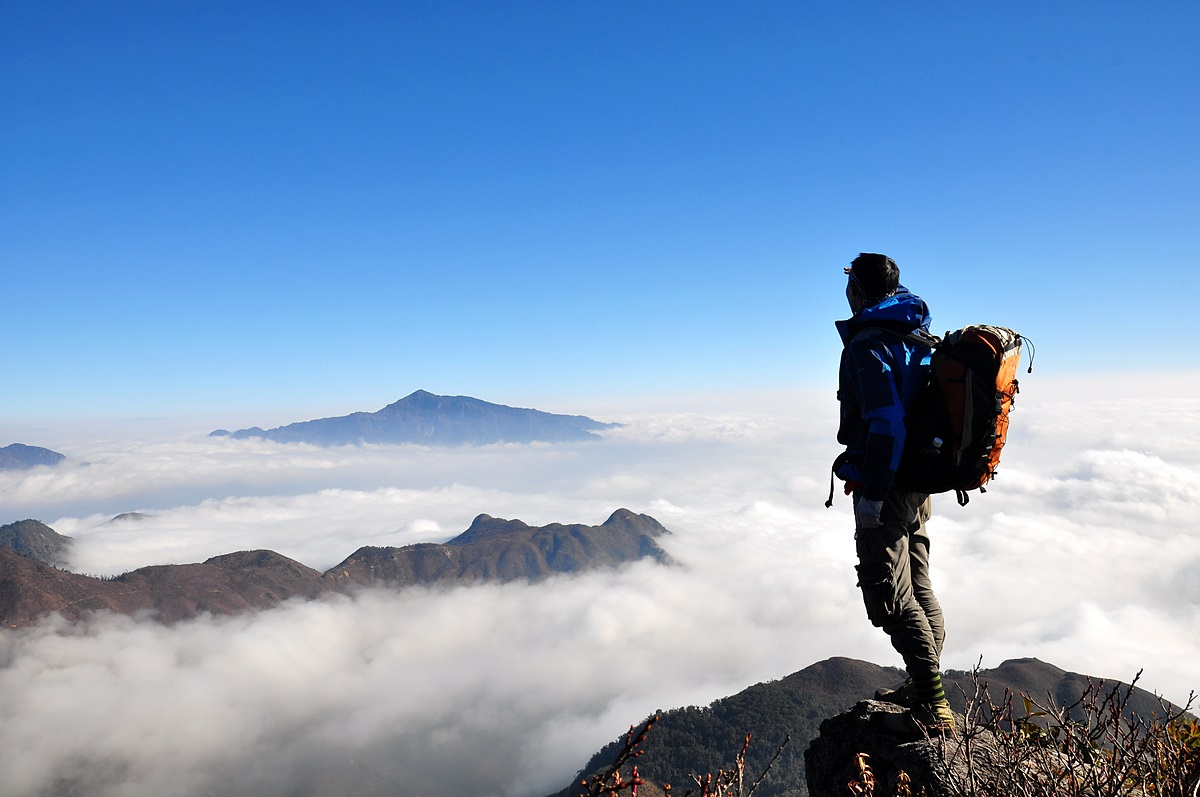
Adventure tourism in Vietnam is on the rise, attracting thrill-seekers from around the world (Source: Collected)
2.7. Culinary tourism
Vietnamese food is renowned globally, with beloved dishes like pho, banh mi, bun cha, and egg coffee. In 2019, Vietnam was honored as the world’s leading culinary tourism destination at the World Travel Awards. This year, the renowned travel magazine Travel+Leisure considered Vietnam as an alluring culinary destination in Asia. Furthermore, the Michelin Guide has awarded their stars to four Vietnamese restaurants, three in Hanoi and one in Ho Chi Minh City. All these recognitions have elevated the country’s culinary scene to an international level. If you desire to experience food tourism in Vietnam, you should visit cities like Hanoi, Hue, Da Nang, and Ho Chi Minh City, where you can explore the regional flavors.
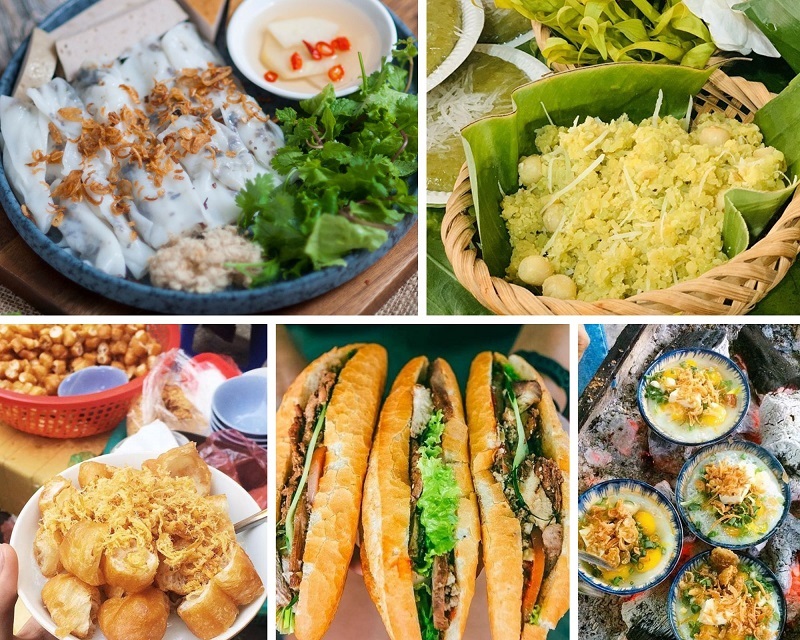
Culinary tourism in Vietnam brings a delectable adventure (Source: Collected)
2.8. MICE tourism
MICE tourism, which combines meetings, incentives, conferences, and events, is a significant focus of Vietnam’s tourism industry. The country’s natural landscapes and modern infrastructure make it an attractive destination for this type of tourism. Key locations for MICE tourism in Vietnam include Hanoi, Quang Ninh, Da Nang, Nha Trang, and Ho Chi Minh City. MICE tourism in Vietnam is closely connected to other types of tourism like beach vacations, cultural experiences, eco-adventures, and city exploration. It is a great way to combine work and leisure while enjoying Vietnam’s diverse attractions.
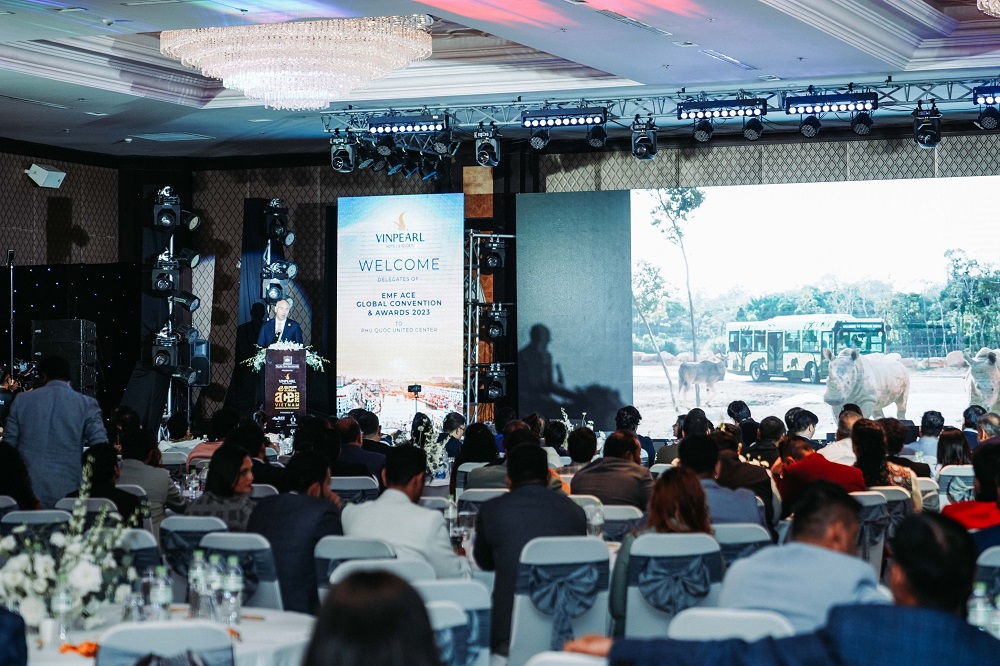
MICE tourism is a burgeoning sector in Vietnam’s tourism industry
While you are in Vietnam, remember to check out the entertainment complexes of VinWonders, including VinWonders Wave Park & Water Park, VinKE & Vinpearl Aquarium, VinWonders Nam Hoi An, VinWonders Nha Trang, and VinWonders Phu Quoc. From thrilling rides that send adrenaline coursing through your veins to whimsical attractions that ignite your imagination, VinWonders beckons visitors to embark on a remarkable adventure. With meticulously designed parks that cater to a spectrum of preferences, families, friends, and solo adventurers can immerse themselves in a realm where laughter, wonder, and unforgettable memories intertwine.
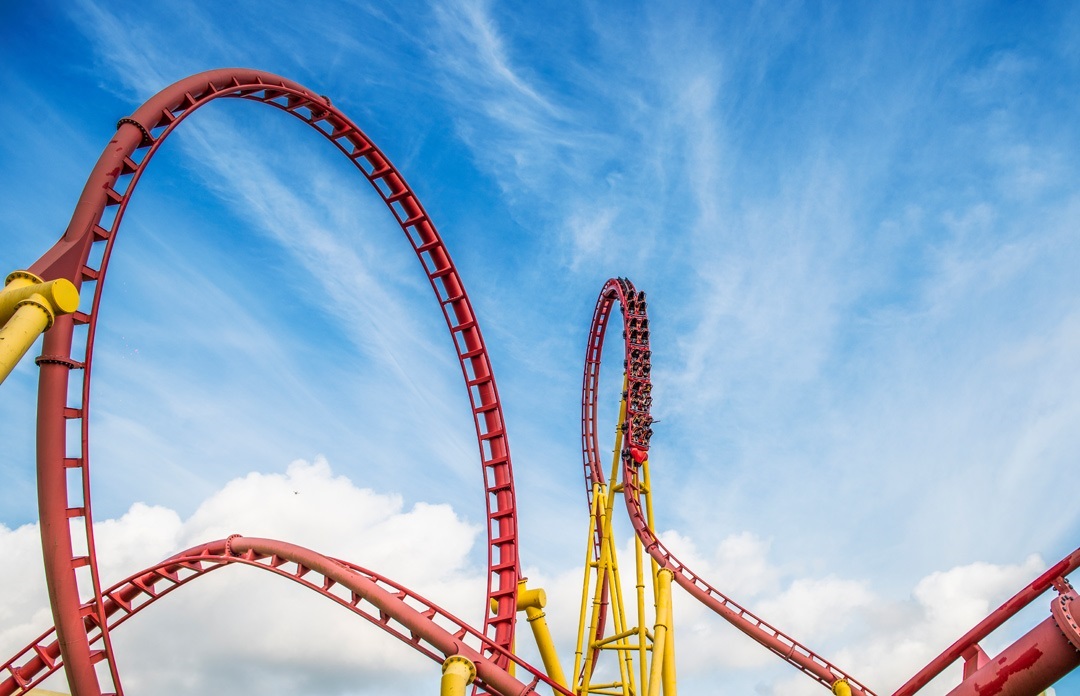
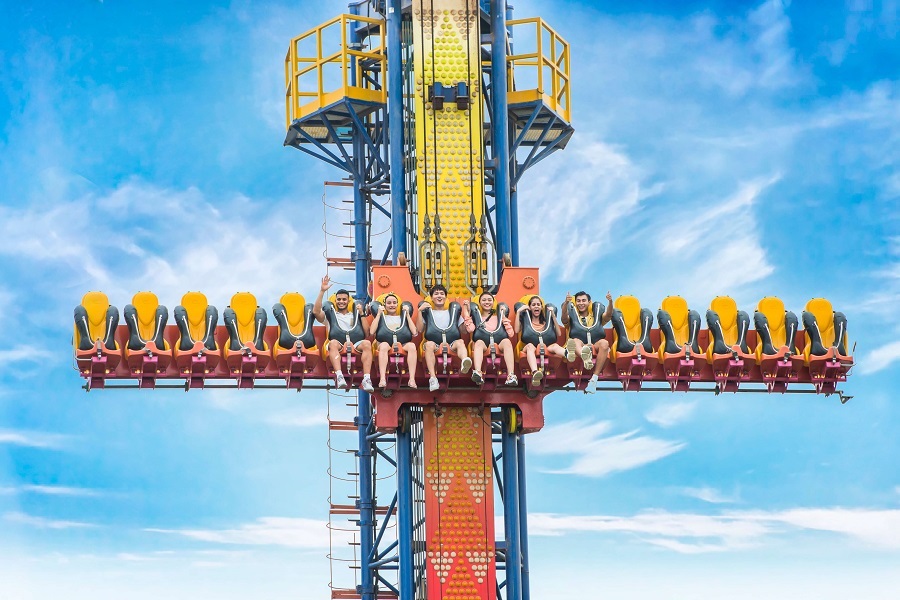
Thrilling games at VinWonders
>>> Book tickets of VinWonders Phu Quoc, Nha Trang, Nam Hoi An, VinKE & Vinpearl Aquarium and VinWonders Wave Park & Water Park to take your excitement to the next level!
Tourism in Vietnam is a driving force in Vietnam’s economy, attracting investment and fueling growth. Thanks to its favorable location, abundant natural resources, well-established infrastructure, stable political climate, and warm hospitality, Vietnam has the potential to excel in various tourism sectors, offering a diverse range of experiences for travelers to enjoy.
Best-selling products
![[02 Day Combo] - Admission to VinWonders + Vinpearl Safari Phu Quoc | Gifts: Meal Voucher + Teddy Bear Museum](http://booking-static.vinpearl.com/tours/877d8a3289a246d18f95aa5cc414f6d6_27be58d21e244664bf34d11d72e77860_Castle_vinwonders-phu-quoc-ve-vao-cua_vinwonders-phu-quoc-ve-vao-cua.jpg)
![[Hoi An Passport] VinWonders Ticket + Buggy + Hoi An Coconut Forest Boat](http://booking-static.vinpearl.com/tours/9a5a9b25d51e4308be89afd9a4ce0e4a_1%20(2)_vinwonders-nam-hoi-an-ve-vao-cua.jpg)
![[Nha Trang Passport] - [Half-Day] - Cable Car + Aquafield Sauna (2 hours) + Tata Show](http://booking-static.vinpearl.com/tours/91c34711df754e76b66d3ff6d3436e26_34d71a9c3e6b4b7484f9d7cbbc935c26_200dd4dda03e45e0a1add52e4acc11fa_NHT_1796_ve-xem-tata-show-vinwonders-nha-trang_ve-xem-tata-show-vinwonders-nha-trang.jpg)
![[VinWonders Cua Hoi] - Indoor Games Area](http://booking-static.vinpearl.com/tours/aa8379d6db3a4f5c9df6d78d53177c35_11-E-Ticket-Vinwonder-Cua-Hoi_23072024111407_vinwonders-nam-hoi-an-ve-vao-cua.jpg)
![[VinWonders Nha Trang] - Standard Admission Ticket to VinWonders | Free F&B Voucher](http://booking-static.vinpearl.com/tours/ef49c187eadf4177b425d2bb85a18b30_200dd4dda03e45e0a1add52e4acc11fa_NHT_1796_ve-xem-tata-show-vinwonders-nha-trang.jpg)
![[Vinpearl Harbour] - Happy Hour Combo: Round-trip Cable Car + Dinner Buffet + Tata Show](http://booking-static.vinpearl.com/tours/a869acdae59e4137855742de1cbbb1af__KAH2165_vinpearl-harbour-combo-happy-hour.jpg)
![[Grand World Phu Quoc] [Ultimate Combo] - Water Taxi + Teddy Bear Museum + Grand Show](http://booking-static.vinpearl.com/tours/6cee2bcb52a447009f64771095d03c9e_Screenshot%202024-10-22%20at%2014.49.18_ve-bao-tang-gau-teddy-bear.png)
![[VinWonders Nha Trang] - 01-day Unlimited Admission Ticket | Free F&B Voucher](http://booking-static.vinpearl.com/tours/ccf23087ea0f419980c411d0e79c10fb_88c594a8352d49e7b031b9fbd5c5d27f_tro-choi-mao-hiem-o-vinpearl-nha-trang-thumb-1_vinwonders-nha-trang-khong-gioi-han-2-ngay_vinwonders-nam-hoi-an-ve-vao-cua.jpg)
![[VinWonders Nha Trang] - Admission to VinWonders after 4:00 PM](http://booking-static.vinpearl.com/tours/de2da6d471b34297ab13cb26ef2da9a0_Hinh-anh-VinWonders-Nha-Trang-The-World-Garden-Lau-vong-canh-3x2-so-1_vinwonders-nha-trang-ve-vao-cua-sau-16h.jpg)
![[Vinpearl Aquarium Times City] Entrance Ticket](http://booking-static.vinpearl.com/tours/8702a10bf2934d6299df65669a290679_aquarium%20times%20city%203_thuy-cung-vinpearl-aquarium-times-city.jpg)
![[VinWonders Cua Hoi] Combo Entrance Ticket | Includes Cable Car + Games Area (excluding Gokart and Indoor Games)](http://booking-static.vinpearl.com/tours/d5af0cb7759d48a7a2b991c8de1e19a0_Hinh-anh-VinWonders-Nam-Hoi-An-Noi-bat-3x2-so-3%20(1)_vinwonders-nam-hoi-an-ve-vao-cua.jpg)
![[Zoo Tram Combo] - Admission to Vinpearl Safari Phu Quoc + Zoo Tram](http://booking-static.vinpearl.com/tours/91af11bafaf549649cb13be8151df18e_uu-dai-vinpearl-safari-phu-quoc-1_1711097070_ve-combo-tinh-hoa-viet-nam-va-bao-tang-gau.jpg)
![[VinWonders Vu Yen] - Admission Ticket to Games after 5 PM](http://booking-static.vinpearl.com/tours/edbd3eb4bc9848aead9940e0f5aa050d_fa21c62dfa9644ada0c3fce89b3e79ff_DO__8711_vinwonders-vu-yen-vuon-thu-khu-tro-choi-sau-17h.jpg)
![[Aquafield] - [Female] - 4-hour Korean Sauna](http://booking-static.vinpearl.com/tours/0e6fe24c37b84cb799b94dae70578054_aqf-suong-may-2048x1365_aquafield-nha-trang-xong-hoi-chuan-han.jpg)
![[VinWonders Nam Hoi An] - Standard Admission Ticket](http://booking-static.vinpearl.com/tours/81813f8ced2c466e82ad53f1c29c1904_tour-kham-pha-van-hoa-viet-vinwonders-nam-hoi-an-668ca102bcc29_vinwonders-nam-hoi-an-ve-vao-cua.jpg)
![[VinWonders Phu Quoc] - Standard Entrance Ticket](http://booking-static.vinpearl.com/tours/0dd25afc61ad45d48486bbd3b9c8a96a_tieu%20chuan%201_vinwonders-phu-quoc-ve-vao-cua.jpg)
![[VinGroup Employees] Standard Admission Ticket to Ocean Park 3 Water Park](http://booking-static.vinpearl.com/tours/f949b31af919495c9b4e111237642763_358600999_111579731994757_433244877993048710_n_vinwonders-ha-noi.jpg)
![[Buy 2 Get 1] – Combo of 2 Entrance Tickets & Buggy + FREE Kids Combo](http://booking-static.vinpearl.com/tours/5d3ee19e977446be8917a34697bb9443_ece6e58a02fd48de9eba9d3f4689f77a_Hinh-anh-VinWonders-Nam-Hoi-An-River-Safari-3x2-so-1%20(1)_vinwonders-nam-hoi-an-ve-vao-cua_vinwonders-nam-hoi-an-ve-vao-cua.jpg)
![[Vinpearl Safari Phu Quoc] - Standard Entrance Ticket + Meal voucher gift](http://booking-static.vinpearl.com/tours/ceb77f9174d845ebb2fd3dfe2b846066_3%20copy_vinwonders-nam-hoi-an-ve-vao-cua.jpg)
![[50% Student Discount] – VinWonders Admission Ticket](http://booking-static.vinpearl.com/tours/43126c168bb04853bf7c93e197db724a_Banner%201200x628_vinwonders-nha-trang-ve-vao-cua-2-chieu.jpg)
![[Grand World] Skydrop ticket](http://booking-static.vinpearl.com/tours/ed7c962747be42458f35c7b18340b901_A2-4-jpeg-2640-1687438608_grandworld.jpg)
![[01 Day Combo] - Admission to VinWonders + Vinpearl Safari Phu Quoc](http://booking-static.vinpearl.com/tours/65ba6f5d4c5d423791dc1b90555959d9_CB1D%200_Combo-ve-vao-cua-vinwonders-safari.jpg)
![[Grand Park] Tropical Island Water Park Entrance Ticket](http://booking-static.vinpearl.com/tours/eeb9a602315342ccbc7965b29cfb0db0_Ảnh%20màn%20hình%202025-03-03%20lúc%2015.00.17_vinwonders-nam-hoi-an-ve-vao-cua.png)
![[Grand World Phu Quoc] - Water Taxi Boat + Teddy Bear Museum](http://booking-static.vinpearl.com/tours/add2e0908faa4289b555856472b181be_VENICE%20ALL%20IN%20ONE%20KV%20(1)_ve-bao-tang-gau-teddy-bear.jpg)
![[VinWonders Vu Yen] - Admission Ticket to Zoo + Games + Buffet](http://booking-static.vinpearl.com/tours/b2cd8cf6b14c48459b21393e14d73163_vwvy%201_vinwonders-nha-trang-ve-vao-cua-2-chieu.jpg)
![[Hon Tam] - [Zone A&B] - Full island entertainment + Mud Bath Zone A + Lunch](http://booking-static.vinpearl.com/tours/af991883d63f4133b62b76551ba2444d_tam-bun-dao-hon-tam_httpswwwhontammudbathvnwp-contentuploadssites2720190625-3-2200x700jpg.jpg)
![[VinWonders Vu Yen] - [04 Adults] - Admission to Zoo + Games | FREE 01 Limited Tote Bag](http://booking-static.vinpearl.com/tours/34488b227a3648e5b73d4aa6d6d36b46_DO__8153_vinwonders-nha-trang-ve-vao-cua-2-chieu.jpg)
![[Grand World] Carousel Ride](http://booking-static.vinpearl.com/tours/0d6a4bcfc2a54fd4aa9df0b38ae8c7b6_A2-4-jpeg-2640-1687438608_grandworld.jpg)
![[Vinpearl Aquarium Times City] Entrance Ticket](http://booking-static.vinpearl.com/tours/a8f34fa1704a4063b07ee322b81b9aaf_VINKE%20(1)_vinke-ve-vao-cua-truc-tiep.jpg)
![[Aquafield] - [Male] - 4-hour Korean Sauna](http://booking-static.vinpearl.com/tours/94abeb55e3d54efbac23f7a862445389_0d72b531dd6749bbac2874b915ab0512_Screenshot_8_aquafield-nha-trang_aquafield-nha-trang.png)
![[Buggy Combo] - VinWonders Phu Quoc + Buggy + Free Ice Cream](http://booking-static.vinpearl.com/tours/0fc52a574094489da612d0f36bb4b1e6_buggy%20kem_vinwonders-phu-quoc-ve-vao-cua-tet-vi-vu.jpg)
![[Aquafield] - [Male] - 4-hour Korean Sauna](http://booking-static.vinpearl.com/tours/4ae60d29ea264f8fab17beb6b4415502_aqf-da-muoi_aquafield-nha-trang-xong-hoi-chuan-han.jpg)
![[Aquafield] - 2-hour Aquafield Sauna + 30-min Spa](http://booking-static.vinpearl.com/tours/91265fa8abae49cba05dfe912492c85f_c0c6160fbeb345a68fd211aa23a2a43b_VWNT_Tropical%20Paradise5_ve-xem-tata-show-vinwonders-nha-trang_ve-xem-tata-show-vinwonders-nha-trang.jpg)
![[Aquafield Ocean City] [Male] – Standard Jjimjilbang Sauna Ticket](http://booking-static.vinpearl.com/tours/0be276c684454e8d969c373f35f6be97_DSC_2127_11zon_aquafield-nha-trang.jpg)
![[Nam Hoi An Signature] VinWonders Ticket + VIP Safari Package | FREE Merchandise Gift](http://booking-static.vinpearl.com/tours/881ac31c4a2b4687a59f412901e85b2c_VIN2725_-08746%20(2)_vinwonders-nam-hoi-an-ve-vao-cua.jpg)
![[Hon Tam] - [Zone A] - Mud Bath + Lunch Combo](http://booking-static.vinpearl.com/tours/5debd1efb6d34e42a88efa65354c8c72_ebdde60fd9a44539afe75c9338ec8a3d_ảnh%205_tam-bun-hon-tam.jpg)
![[Vinpearl Harbour] - Round-trip Cable Car Ticket](http://booking-static.vinpearl.com/tours/e584c2f486d246c5820a19f519d184a4_VPHB_Photos15_vinwonders-nha-trang-ve-vao-cua-2-chieu.jpg)
![[Romantic Couple Combo] – Standard Jjimjilbang Ticket & Premium Spa Treatment + Complimentary Bingsu](http://booking-static.vinpearl.com/tours/9f599f374c484303bcfce0a220d48d71_065A8403_aquafield-nha-trang.jpg)
![[Aquafield] - [Male] - Round-trip Cable Car + 4-hour Korean Sauna](http://booking-static.vinpearl.com/tours/625529980f3249e6b0491cddfc30db43_297be2477c5847748ef3bc08603ebf90_aqf%204_aquafield-nha-trang.jpg)
![[02 Day Unlimited Access] - VinWonders + Vinpearl Safari Phu Quoc + Teddy Bear Museum](http://booking-static.vinpearl.com/tours/0a8c0679cffa437a8a7fe90deb639382_cb2d%20unlimited%202_Combo-ve-vao-cua-vinwonders-safari.jpg)
![[Vinpearl Harbour] - Tata Show Ticket & Round-trip Cable Car](http://booking-static.vinpearl.com/tours/18dc9f798082474ba26cf00121da6180_Hinh-anh-VinWonders-Nha-Trang-The-World-Garden-Lau-vong-canh-3x2-so-1_ve-xem-tata-show-vinwonders-nha-trang.jpg)
![[Hon Tam] - [Zone A] - Standard Mud Bath](http://booking-static.vinpearl.com/tours/9db66a615a7d4f119316b338afff30cb_tam-bun-dao-hon-tam_httpswwwhontammudbathvnwp-contentuploadssites2720190625-3-2200x700jpg.jpg)
![[Aquafield] - [Female] - Round-trip Cable Car + 4-hour Korean Sauna](http://booking-static.vinpearl.com/tours/c3bae84e472b42078ca3ff6f28d55d80_1c5968412aca409fa8571c88cc85a4ba_aqf%205_aquafield-nha-trang.jpg)
![[Grand Park] Water Park + Dream Garden Outdoor Games Combo](http://booking-static.vinpearl.com/tours/35566b714d4c4dd9802a6bf4650ac2b1_khu-vui-choi-cua-hoi-9_vinwonders-nam-hoi-an-ve-vao-cua.jpg)
![[Nha Trang Passport] – [01 day] – Snorkeling Tour + Lunch & Mud Bath at Hon Tam + Vinpearl Harbour + Tata Show](http://booking-static.vinpearl.com/tours/f6b1826759674c9c9d3f074e03fa04ba_snorkeling%201_vinwonders-nha-trang-ve-vao-cua-2-chieu.jpg)
![[Onsite service] - Premium VIP Zoo Tour Vinpearl Safari Phu Quoc](http://booking-static.vinpearl.com/tours/ff1e4b66ec1b46edad0c0460144e70ad_VINPEARL%20SAFARI%20PHU%20QUOC%20%20(51)_vinwonders-nam-hoi-an-ve-vao-cua.jpg)
![[Aquafield Ocean City] - Body Exfoliation Session](http://booking-static.vinpearl.com/tours/0e8ee4024e1f4378ba932eb06d945636_Screenshot_14_aquafield-nha-trang.png)
![[Grand World Phu Quoc] - Teddy Bear Museum](http://booking-static.vinpearl.com/tours/30da03237e2f42fe818e6686fb350481_teddy%20bear%201_ve-bao-tang-gau-teddy-bear.jpg)
![[Vinpearl Harbour] - Combo for 02 pax: Round-trip cable car + Two-seater Go Kart ride](http://booking-static.vinpearl.com/tours/ab277ed82445448aad2f6b1a0c249e40_Gokart-1_vinpearl-harbour-go-kart-xe-doi.jpeg)
![[Aquafield Ocean City] [Female] – Standard Jjimjilbang Sauna Ticket](http://booking-static.vinpearl.com/tours/4aec5fed6be54fe8a736aca12893384b_40fc72547fe242f8b6bbbbc428885848_065A8735_aquafield-nha-trang_aquafield-nha-trang.jpg)
![[02 Day Combo] - VinWonders + Vinpearl Safari Phu Quoc + Free Teddy Bear Museum](http://booking-static.vinpearl.com/tours/47fc9cc92af24516a32cbfe52e80b977_s52MIKya-SpikeDay-8824_1920x1080_no-text-1_Combo-ve-vao-cua-vinwonders-safari.jpg)
![[Hon Tam] - 15-Minute Snorkeling](http://booking-static.vinpearl.com/tours/56618ea554304747b54636a31d59f9f4_Untitled-design-1_httpswwwhontammudbathvnwp-contentuploadssites2720190625-3-2200x700jpg.jpg)





![[Mega Sale 12.12] Get up to 50% off VinWonders on Double Day](https://static.vinwonders.com/production/2025/11/DD-111125-1920-x-920-336x161.jpg)


