 en
en


 Tiếng Việt
  中文 (中国)
  한국어
한국어  Русский


 30/10/2025
 113 views
- 1. Where is Vietnam Central Highlands?
- 2. Tourist map of Vietnam Central Highlands
- 3. Unique experiences in the Central Highlands of Vietnam
- 4. Tips for first-time visitors to the Central Highlands
- FAQs about the Central Highlands in Vietnam
1. Where is Vietnam Central Highlands?
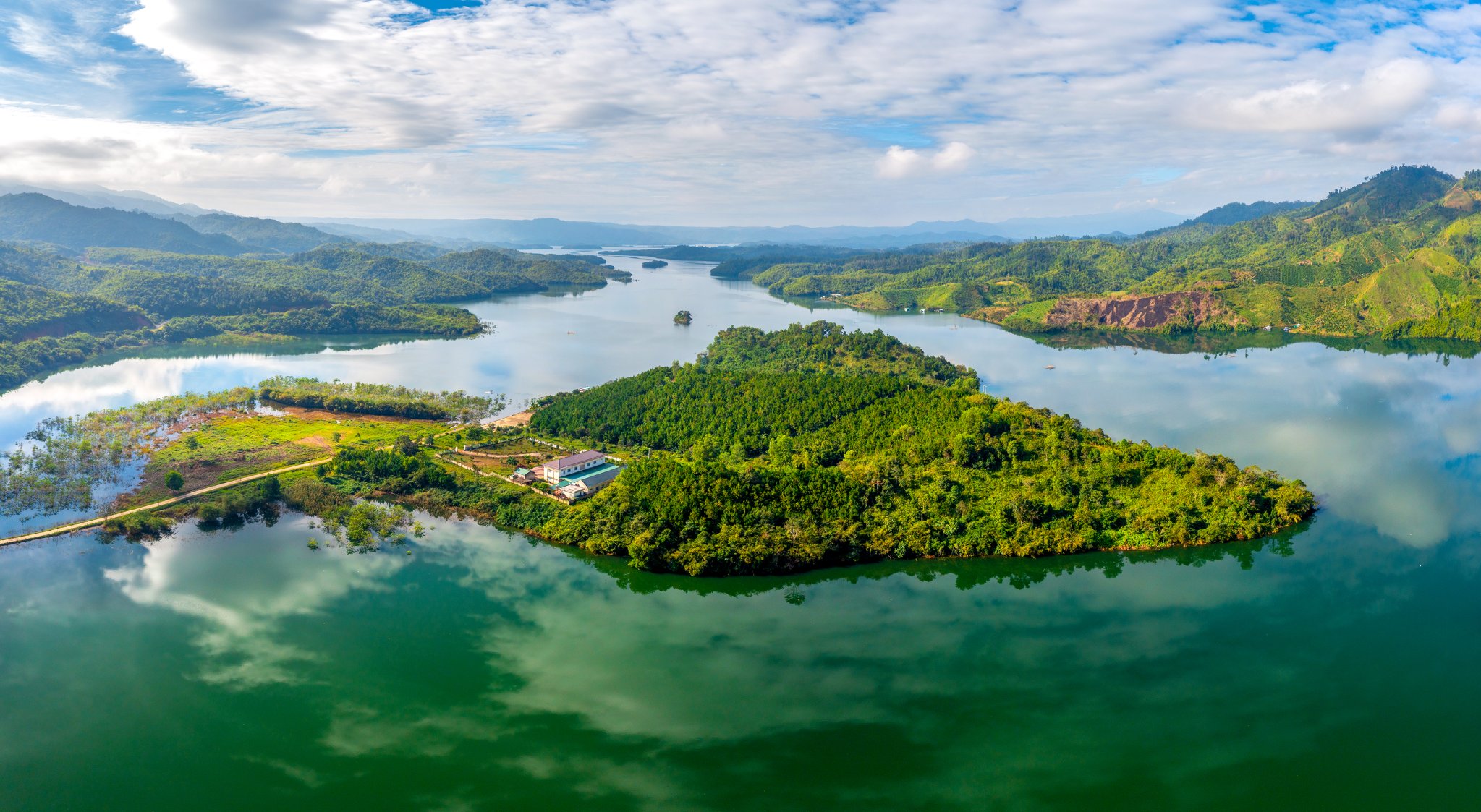
The Central Highlands, locally known as Tay Nguyen, lie in Central Vietnam on a vast plateau bordered by mountains and forests. Rivers and waterfalls cut through the terrain, adding to the region’s beauty.
Before July 2025, Vietnam Central Highlands included the provinces of Kon Tum, Gia Lai, Dak Lak, Dak Nong, and Lam Dong. After the administrative change, the region now consists of the provinces of Quang Ngai, Gia Lai, Dak Lak, and Lam Dong. The new boundaries bring both coastal and mountain areas, offering tourists more to explore in one trip.
Vietnam Central Highlands stretch across Central Vietnam with diverse landscapes (Source: Collected)
2. Tourist map of Vietnam Central Highlands
2.1. Quang Ngai Province
2.1.1. The former Kon Tum area
The former Kon Tum area in Quang Ngai highlights the cultural heritage and natural beauty of Vietnam Central Highlands. Key attractions include:
- Kontum Wooden Church: Built from local hardwood in 1935, this Gothic-style church charms visitors with stained-glass windows and a small museum of ethnic treasures.
- Mang Den: This hill town enchants tourists with pine forests, shimmering lakes, and flower gardens that change colors with the seasons.
- Ngoc Linh Mountain: Rising 2,600 meters, this sacred peak is home to the rare Ngoc Linh ginseng and rewards adventurers with misty panoramas.
- Kon Klor Communal House: With its bamboo-and-palm roof, this traditional house is a proud symbol of the Ba Na ethnic people.
- Chu Mom Ray National Park: This biodiversity hotspot promises wildlife encounters and chances to meet ethnic groups like the Ro Mam and B’Rau.
2.1.2. The former Quang Ngai area
This area offers many coastal landscapes and cultural sites worth exploring.
- Ly Son Island: Lying 15 nautical miles offshore, this “Kingdom of Garlic” stuns with volcanic craters and legacies of Sa Huynh, Cham, and early Vietnamese traditions.
- Ba Lang An Cape: This volcanic headland offers sea views from a 36-meter-tall lighthouse, rocky cliffs to walk, lava formations to photograph, and traces of a crater.
- Ganh Yen Beach: Layered rocks and coral reefs shape this beach. Here, you can spot marine life at low tide, snorkel, or join the locals in fishing.
- Thien An Mountain: Rising 135 meters with a historic pagoda, this mountain rewards tourists with fresh air and sweeping views of the Central Highlands.
- Bui Hui Grassland: Each summer, this meadow bursts into purple sim blossoms, creating a magical setting for camping and sunrise watching.
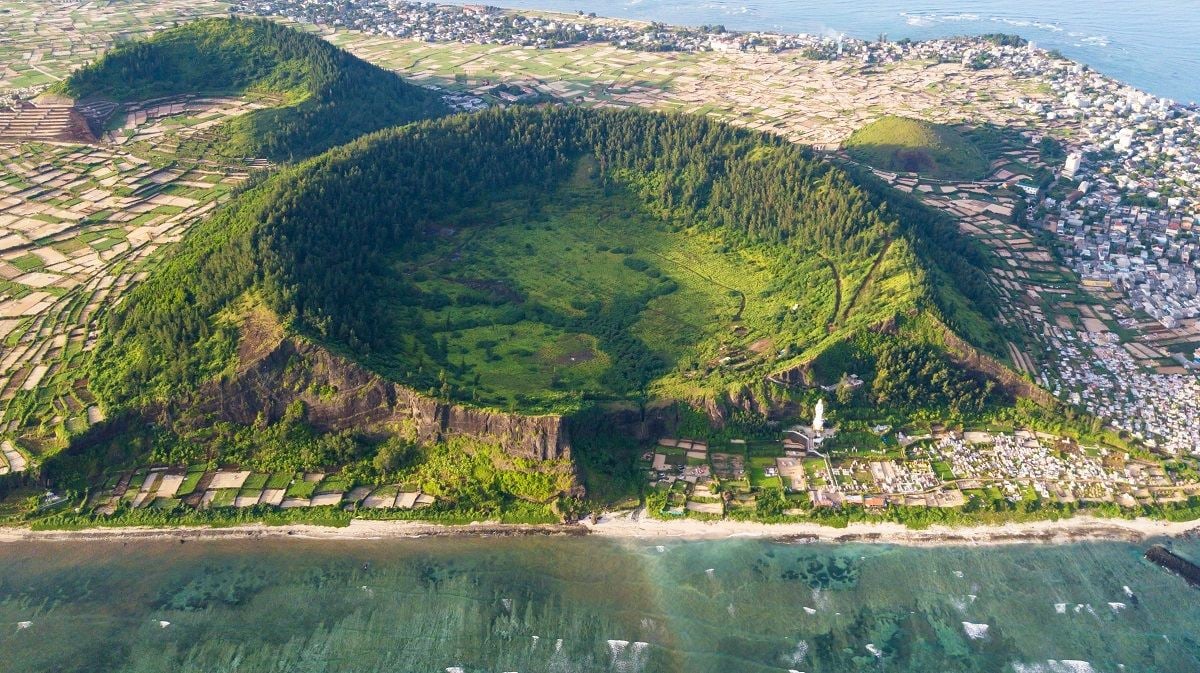
The former Quang Ngai area adds a coastal touch to Vietnam Central Highlands (Source: Collected)
2.2. Gia Lai Province
2.2.1. The former Gia Lai area
The former Gia Lai area welcomes you with lakes, volcanoes, waterfalls, and pagodas.
- Bien Ho Lake: Known as the “Pearl of Pleiku,” this lake spans nearly 300 hectares at 800 meters above sea level. With clear waters framed by pine forests, it is the most iconic viewpoint of the area.
- Buu Minh Pagoda: Buu Minh is Gia Lai’s oldest pagoda. Its roof, while resembling a communal house, also reflects Japanese and Korean influences.
- Chu Dang Ya Volcano: This dormant volcano is surrounded by fertile fields and flowers year-round. In late October and November, wild sunflowers bloom across the area – a must-see for photographers.
- K50 Waterfall: Hidden deep inside Kon Chu Rang Nature Reserve, this 50-meter cascade creates a misty curtain of water. It transforms the forest into a dramatic stage of sound and spray.
- Kon Ka Kinh National Park: Home to highland air and rich biodiversity, this park is perfect for trekking to its 1,748-meter summit, where sweeping mountain ranges unfold below.
2.2.2. The former Binh Dinh area
The former Binh Dinh area, with Quy Nhon as its capital, connects the Central Highlands to the sea. You will find beaches, ancient heritage, and scenic viewpoints here.
- Ky Co Beach: Nicknamed the “Maldives of Vietnam,” Ky Co Beach combines white sand, emerald water, and mountains on three sides.
- Bai Xep Beach: A hidden gem with golden sands and dramatic rocks, Bai Xep Beach is made even more enchanting by a pine forest backdrop.
- Eo Gio: Eo Gio is famous for its wind-swept cliffs and breathtaking ocean vistas. It also beckons for sunsets that light up the coast.
- Thi Nai Bridge: This is one of Vietnam’s longest sea-spanning bridges. From the bridge, you can admire lagoons, fishing villages, and sand dunes.
- Cham towers: Binh Dinh preserves historic Cham towers such as Banh It, Canh Tien, and Duong Long, which continue to impress tourists after centuries.
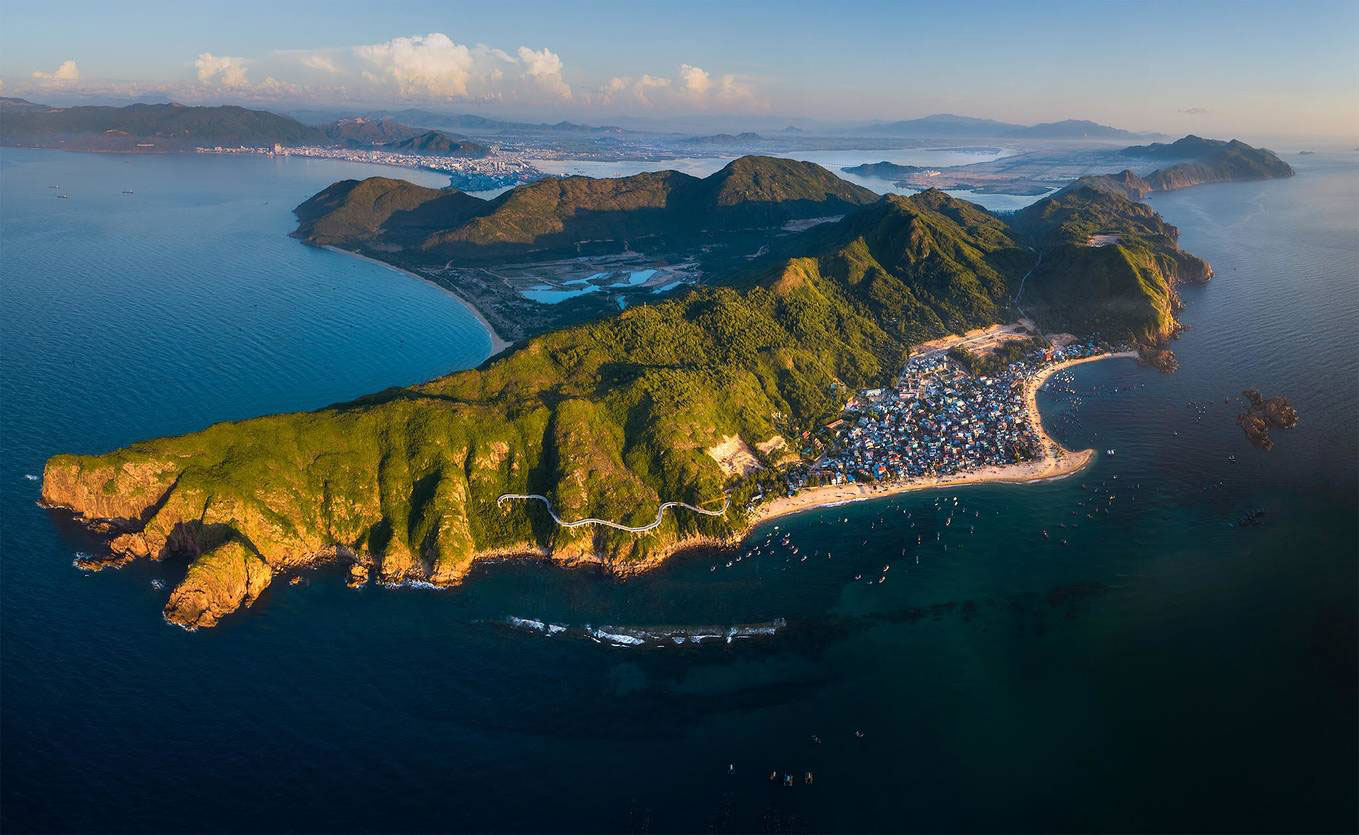
Beaches in the former Binh Dinh area frame Vietnam Central Highlands (Source: Collected)
2.3. Dak Lak Province
2.3.1. The former Dak Lak area
As the cultural heart of Vietnam Central Highlands, the former Dak Lak area combines traditional villages, vast lakes, and dramatic waterfalls.
- Don Village: Renowned as the land of elephant tamers, Don Village invites you to visit century-old stilt houses and learn about Ama Kong – the legendary “elephant king.”
- Lak Lake: This is the second-largest natural freshwater lake in Vietnam. Here, you can ride a dugout canoe, swim, or watch the glorious sunset.
- Yang Tao Pottery Village: This village is the only place in Vietnam Central Highlands that preserves traditional Mnong Rlam pottery. You can observe local artisans shaping clay and take home handmade souvenirs.
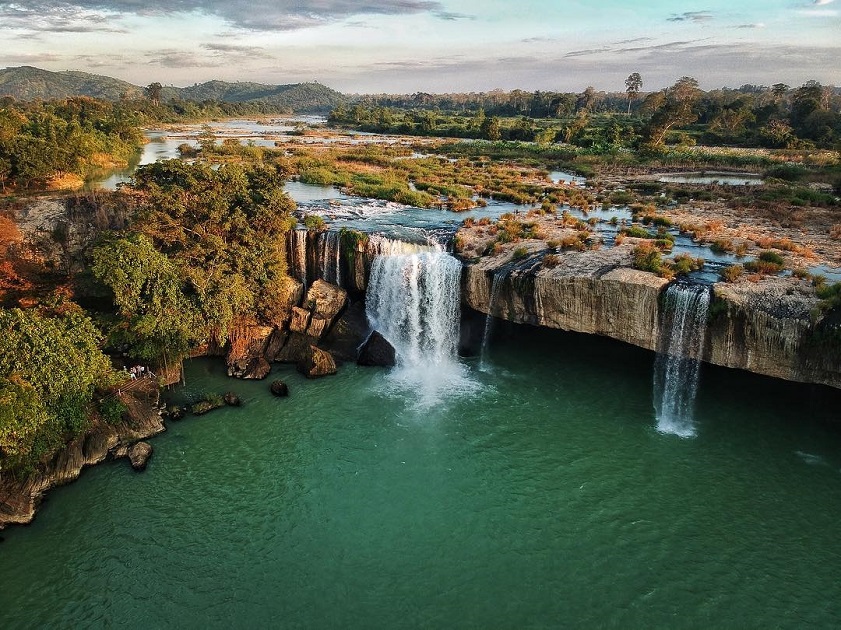
- Dray Nur Waterfall: At 30 meters high and 250 meters wide, this is the most impressive waterfall in the area. It invites tourists to swim in rock pools and explore caves behind the falls.
- Yok Don National Park: One of Vietnam’s largest national parks, it is home to elephants, wild cattle, and birds. Yok Don also preserves unique dry dipterocarp forests and ethnic traditions.
2.3.2. The former Phu Yen area
The former Phu Yen area adds another coastal touch to Vietnam Central Highlands, where historical sites and natural wonders await.
- Mang Lang Church: This is one of Vietnam’s oldest churches. It houses the first Vietnamese book printed in romanized script by Alexandre de Rhodes.
- Da Dia Reef: Famous for thousands of hexagonal basalt columns resembling a giant beehive, Da Dia Reef is one of Vietnam’s most photogenic sites.
- Nhan Mountain: Rising 60 meters above sea level, this mountain is topped with an 800-year-old Cham tower. From here, you can enjoy wide views of the city and surrounding greenery.
- O Loan Lagoon: Covering 1,570 hectares, this lagoon enchants tourists with golden sunsets and seafood delicacies such as oysters and blood cockles.
- Yen Island: Known for coral reefs revealed at low tide, this island invites you to walk across rocks and sands. This rare scene makes it a favorite spot for photography.
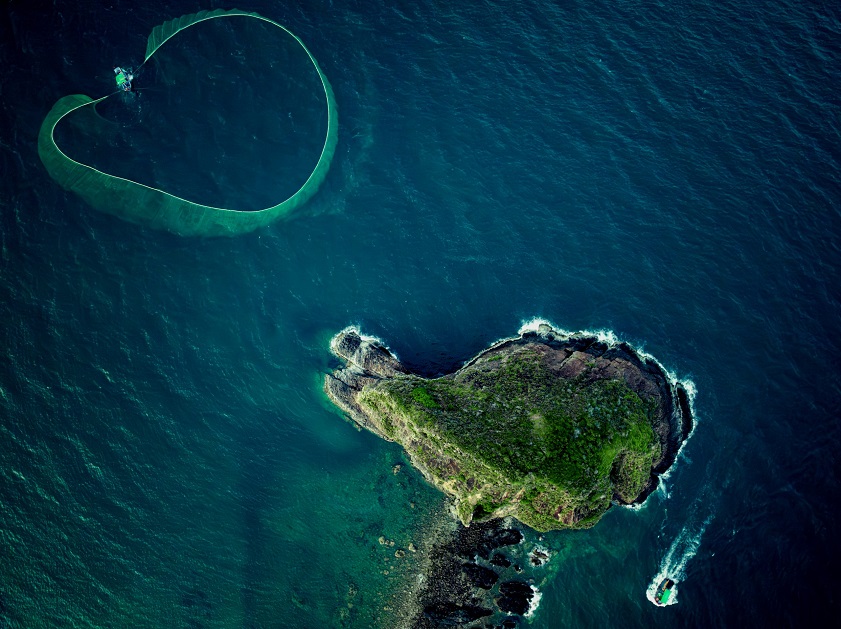
The former Phu Yen area is a must-visit on any Vietnam Central Highlands tour (Source: Collected)
2.4. Lam Dong Province
2.4.1. The former Lam Dong area
The former Lam Dong area is one of the most visited parts of Vietnam Central Highlands. Key highlights include:
- Da Lat: At 1,500 meters above sea level, Da Lat enjoys a year-round mild climate. You can visit flower gardens, lavender fields, Xuan Huong Lake, Love Valley, and the summit of Langbiang.
- Bao Loc: Bao Loc, at 900 meters high, charms tourists with its misty mornings and peaceful atmosphere. Must-see attractions include Dambri Waterfall, Linh Quy Phap An Pagoda, Dai Binh Mountain, and Tam Chau tea hills.
- Ta Nang – Phan Dung: This 60-kilometer trek takes you through pine forests, grassy hills, and streams. Each season offers a different charm, from lush green hills to golden dry grass.
- Bidoup – Nui Ba National Park: Known as the “Roof of the Central Highlands,” this park offers trekking, camping, and short eco-trails. It also forms part of the UNESCO Langbiang Biosphere Reserve.
2.4.2. The former Dak Nong area
The former Dak Nong area unveils a wilder and more cultural side of the Central Highlands.
- Ta Dung National Park: This park surrounds Ta Dung Lake with more than 40 islands. It invites you to enjoy boat rides, nature walks, and wildlife encounters amid the fresh mountain air.
- Nam Kar Volcano: Formed by three cones, Nam Kar Volcano rises 660 meters with an oval crater. It attracts tourists with its raw beauty and geological value.
- Chu Bluk Cave: This volcanic cave system, the longest of its kind in Southeast Asia, has over 100 caves shaped by ancient lava flows.
- Buor Village: Buor Village preserves Ede traditions such as weaving, gong dances, and communal rituals. A visit here lets you connect with the cultural heart of the highlands.
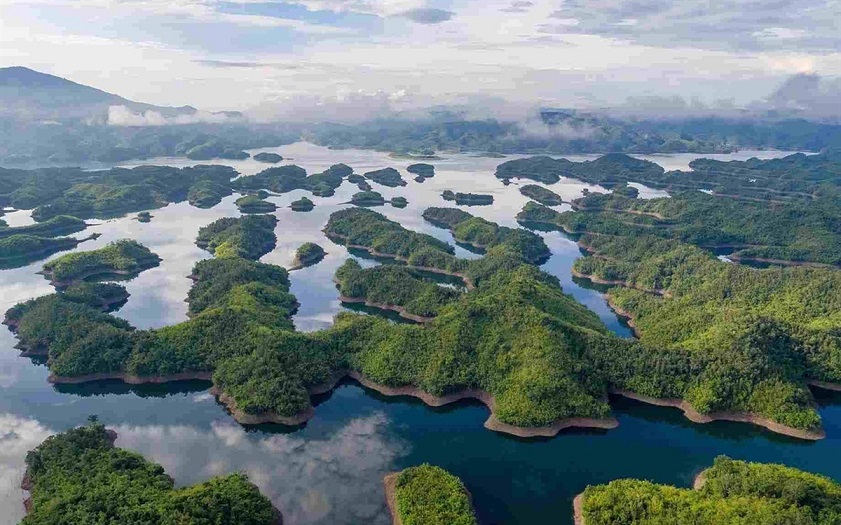
Pristine nature in the former Dak Nong area of the Central Highlands in Vietnam (Source: Collected)
2.4.3. The former Binh Thuan area
The former Binh Thuan area, now part of Lam Dong Province in Vietnam Central Highlands, offers both coastal and cultural landmarks.
- Phan Thiet: This city is an unmissable stop with Doi Duong Park, Phan Thiet Water Tower, Duc Thanh School, Van Thuy Tu Temple with Southeast Asia’s largest whale skeleton, and Po Sah Inu Cham Towers.
- Mui Ne: Mui Ne enchants with golden beaches and vast sand dunes. At Bau Trang, you can watch the sunrise or ride sand sleds. Nearby attractions such as Hon Rom, Fairy Stream, Mui Ne Fishing Village, and Poshanu Cham Tower add to the experience.
- Ke Ga Cape: Famous for rock formations shaped like a rooster’s head, Ke Ga offers quiet beaches and Vietnam’s oldest lighthouse. It becomes especially magical at sunset around 5 PM.
- Phu Quy Island: Pristine and lightly developed, Phu Quy Island is ideal for a quiet getaway. Notable attractions include Bai Nho Beach, Ganh Hang Reef, Cao Cat Mountain, Trieu Duong Bay, and the lighthouse.
Best-selling products
![[02 Day Combo] - Admission to VinWonders + Vinpearl Safari Phu Quoc | Gifts: Meal Voucher + Teddy Bear Museum](http://booking-static.vinpearl.com/tours/877d8a3289a246d18f95aa5cc414f6d6_27be58d21e244664bf34d11d72e77860_Castle_vinwonders-phu-quoc-ve-vao-cua_vinwonders-phu-quoc-ve-vao-cua.jpg)
![[Hoi An Passport] VinWonders Ticket + Buggy + Hoi An Coconut Forest Boat](http://booking-static.vinpearl.com/tours/9a5a9b25d51e4308be89afd9a4ce0e4a_1%20(2)_vinwonders-nam-hoi-an-ve-vao-cua.jpg)
![[Nha Trang Passport] - [Half-Day] - Cable Car + Aquafield Sauna (2 hours) + Tata Show](http://booking-static.vinpearl.com/tours/91c34711df754e76b66d3ff6d3436e26_34d71a9c3e6b4b7484f9d7cbbc935c26_200dd4dda03e45e0a1add52e4acc11fa_NHT_1796_ve-xem-tata-show-vinwonders-nha-trang_ve-xem-tata-show-vinwonders-nha-trang.jpg)
![[VinWonders Cua Hoi] - Indoor Games Area](http://booking-static.vinpearl.com/tours/aa8379d6db3a4f5c9df6d78d53177c35_11-E-Ticket-Vinwonder-Cua-Hoi_23072024111407_vinwonders-nam-hoi-an-ve-vao-cua.jpg)
![[VinWonders Nha Trang] - Standard Admission Ticket to VinWonders | Free F&B Voucher](http://booking-static.vinpearl.com/tours/ef49c187eadf4177b425d2bb85a18b30_200dd4dda03e45e0a1add52e4acc11fa_NHT_1796_ve-xem-tata-show-vinwonders-nha-trang.jpg)
![[Vinpearl Harbour] - Happy Hour Combo: Round-trip Cable Car + Dinner Buffet + Tata Show](http://booking-static.vinpearl.com/tours/a869acdae59e4137855742de1cbbb1af__KAH2165_vinpearl-harbour-combo-happy-hour.jpg)
![[Grand World Phu Quoc] [Ultimate Combo] - Water Taxi + Teddy Bear Museum + Grand Show](http://booking-static.vinpearl.com/tours/6cee2bcb52a447009f64771095d03c9e_Screenshot%202024-10-22%20at%2014.49.18_ve-bao-tang-gau-teddy-bear.png)
![[VinWonders Nha Trang] - 01-day Unlimited Admission Ticket | Free F&B Voucher](http://booking-static.vinpearl.com/tours/ccf23087ea0f419980c411d0e79c10fb_88c594a8352d49e7b031b9fbd5c5d27f_tro-choi-mao-hiem-o-vinpearl-nha-trang-thumb-1_vinwonders-nha-trang-khong-gioi-han-2-ngay_vinwonders-nam-hoi-an-ve-vao-cua.jpg)
![[VinWonders Nha Trang] - Admission to VinWonders after 4:00 PM](http://booking-static.vinpearl.com/tours/de2da6d471b34297ab13cb26ef2da9a0_Hinh-anh-VinWonders-Nha-Trang-The-World-Garden-Lau-vong-canh-3x2-so-1_vinwonders-nha-trang-ve-vao-cua-sau-16h.jpg)
![[Vinpearl Aquarium Times City] Entrance Ticket](http://booking-static.vinpearl.com/tours/8702a10bf2934d6299df65669a290679_aquarium%20times%20city%203_thuy-cung-vinpearl-aquarium-times-city.jpg)
![[VinWonders Cua Hoi] Combo Entrance Ticket | Includes Cable Car + Games Area (excluding Gokart and Indoor Games)](http://booking-static.vinpearl.com/tours/d5af0cb7759d48a7a2b991c8de1e19a0_Hinh-anh-VinWonders-Nam-Hoi-An-Noi-bat-3x2-so-3%20(1)_vinwonders-nam-hoi-an-ve-vao-cua.jpg)
![[Zoo Tram Combo] - Admission to Vinpearl Safari Phu Quoc + Zoo Tram](http://booking-static.vinpearl.com/tours/91af11bafaf549649cb13be8151df18e_uu-dai-vinpearl-safari-phu-quoc-1_1711097070_ve-combo-tinh-hoa-viet-nam-va-bao-tang-gau.jpg)
![[VinWonders Vu Yen] - Admission Ticket to Games after 5 PM](http://booking-static.vinpearl.com/tours/edbd3eb4bc9848aead9940e0f5aa050d_fa21c62dfa9644ada0c3fce89b3e79ff_DO__8711_vinwonders-vu-yen-vuon-thu-khu-tro-choi-sau-17h.jpg)
![[Aquafield] - [Female] - 4-hour Korean Sauna](http://booking-static.vinpearl.com/tours/0e6fe24c37b84cb799b94dae70578054_aqf-suong-may-2048x1365_aquafield-nha-trang-xong-hoi-chuan-han.jpg)
![[VinWonders Nam Hoi An] - Standard Admission Ticket](http://booking-static.vinpearl.com/tours/81813f8ced2c466e82ad53f1c29c1904_tour-kham-pha-van-hoa-viet-vinwonders-nam-hoi-an-668ca102bcc29_vinwonders-nam-hoi-an-ve-vao-cua.jpg)
![[VinWonders Phu Quoc] - Standard Entrance Ticket](http://booking-static.vinpearl.com/tours/0dd25afc61ad45d48486bbd3b9c8a96a_tieu%20chuan%201_vinwonders-phu-quoc-ve-vao-cua.jpg)
![[VinGroup Employees] Standard Admission Ticket to Ocean Park 3 Water Park](http://booking-static.vinpearl.com/tours/f949b31af919495c9b4e111237642763_358600999_111579731994757_433244877993048710_n_vinwonders-ha-noi.jpg)
![[Buy 2 Get 1] – Combo of 2 Entrance Tickets & Buggy + FREE Kids Combo](http://booking-static.vinpearl.com/tours/5d3ee19e977446be8917a34697bb9443_ece6e58a02fd48de9eba9d3f4689f77a_Hinh-anh-VinWonders-Nam-Hoi-An-River-Safari-3x2-so-1%20(1)_vinwonders-nam-hoi-an-ve-vao-cua_vinwonders-nam-hoi-an-ve-vao-cua.jpg)
![[Vinpearl Safari Phu Quoc] - Standard Entrance Ticket + Meal voucher gift](http://booking-static.vinpearl.com/tours/ceb77f9174d845ebb2fd3dfe2b846066_3%20copy_vinwonders-nam-hoi-an-ve-vao-cua.jpg)
![[50% Student Discount] – VinWonders Admission Ticket](http://booking-static.vinpearl.com/tours/43126c168bb04853bf7c93e197db724a_Banner%201200x628_vinwonders-nha-trang-ve-vao-cua-2-chieu.jpg)
![[Grand World] Skydrop ticket](http://booking-static.vinpearl.com/tours/ed7c962747be42458f35c7b18340b901_A2-4-jpeg-2640-1687438608_grandworld.jpg)
![[01 Day Combo] - Admission to VinWonders + Vinpearl Safari Phu Quoc](http://booking-static.vinpearl.com/tours/65ba6f5d4c5d423791dc1b90555959d9_CB1D%200_Combo-ve-vao-cua-vinwonders-safari.jpg)
![[Grand Park] Tropical Island Water Park Entrance Ticket](http://booking-static.vinpearl.com/tours/eeb9a602315342ccbc7965b29cfb0db0_Ảnh%20màn%20hình%202025-03-03%20lúc%2015.00.17_vinwonders-nam-hoi-an-ve-vao-cua.png)
![[Grand World Phu Quoc] - Water Taxi Boat + Teddy Bear Museum](http://booking-static.vinpearl.com/tours/add2e0908faa4289b555856472b181be_VENICE%20ALL%20IN%20ONE%20KV%20(1)_ve-bao-tang-gau-teddy-bear.jpg)
![[VinWonders Vu Yen] - Admission Ticket to Zoo + Games + Buffet](http://booking-static.vinpearl.com/tours/b2cd8cf6b14c48459b21393e14d73163_vwvy%201_vinwonders-nha-trang-ve-vao-cua-2-chieu.jpg)
![[Hon Tam] - [Zone A&B] - Full island entertainment + Mud Bath Zone A + Lunch](http://booking-static.vinpearl.com/tours/af991883d63f4133b62b76551ba2444d_tam-bun-dao-hon-tam_httpswwwhontammudbathvnwp-contentuploadssites2720190625-3-2200x700jpg.jpg)
![[VinWonders Vu Yen] - [04 Adults] - Admission to Zoo + Games | FREE 01 Limited Tote Bag](http://booking-static.vinpearl.com/tours/34488b227a3648e5b73d4aa6d6d36b46_DO__8153_vinwonders-nha-trang-ve-vao-cua-2-chieu.jpg)
![[Grand World] Carousel Ride](http://booking-static.vinpearl.com/tours/0d6a4bcfc2a54fd4aa9df0b38ae8c7b6_A2-4-jpeg-2640-1687438608_grandworld.jpg)
![[Vinpearl Aquarium Times City] Entrance Ticket](http://booking-static.vinpearl.com/tours/a8f34fa1704a4063b07ee322b81b9aaf_VINKE%20(1)_vinke-ve-vao-cua-truc-tiep.jpg)
![[Aquafield] - [Male] - 4-hour Korean Sauna](http://booking-static.vinpearl.com/tours/94abeb55e3d54efbac23f7a862445389_0d72b531dd6749bbac2874b915ab0512_Screenshot_8_aquafield-nha-trang_aquafield-nha-trang.png)
![[Buggy Combo] - VinWonders Phu Quoc + Buggy + Free Ice Cream](http://booking-static.vinpearl.com/tours/0fc52a574094489da612d0f36bb4b1e6_buggy%20kem_vinwonders-phu-quoc-ve-vao-cua-tet-vi-vu.jpg)
![[Aquafield] - [Male] - 4-hour Korean Sauna](http://booking-static.vinpearl.com/tours/4ae60d29ea264f8fab17beb6b4415502_aqf-da-muoi_aquafield-nha-trang-xong-hoi-chuan-han.jpg)
![[Aquafield] - 2-hour Aquafield Sauna + 30-min Spa](http://booking-static.vinpearl.com/tours/91265fa8abae49cba05dfe912492c85f_c0c6160fbeb345a68fd211aa23a2a43b_VWNT_Tropical%20Paradise5_ve-xem-tata-show-vinwonders-nha-trang_ve-xem-tata-show-vinwonders-nha-trang.jpg)
![[Aquafield Ocean City] [Male] – Standard Jjimjilbang Sauna Ticket](http://booking-static.vinpearl.com/tours/0be276c684454e8d969c373f35f6be97_DSC_2127_11zon_aquafield-nha-trang.jpg)
![[Nam Hoi An Signature] VinWonders Ticket + VIP Safari Package | FREE Merchandise Gift](http://booking-static.vinpearl.com/tours/881ac31c4a2b4687a59f412901e85b2c_VIN2725_-08746%20(2)_vinwonders-nam-hoi-an-ve-vao-cua.jpg)
![[Hon Tam] - [Zone A] - Mud Bath + Lunch Combo](http://booking-static.vinpearl.com/tours/5debd1efb6d34e42a88efa65354c8c72_ebdde60fd9a44539afe75c9338ec8a3d_ảnh%205_tam-bun-hon-tam.jpg)
![[Vinpearl Harbour] - Round-trip Cable Car Ticket](http://booking-static.vinpearl.com/tours/e584c2f486d246c5820a19f519d184a4_VPHB_Photos15_vinwonders-nha-trang-ve-vao-cua-2-chieu.jpg)
![[Romantic Couple Combo] – Standard Jjimjilbang Ticket & Premium Spa Treatment + Complimentary Bingsu](http://booking-static.vinpearl.com/tours/9f599f374c484303bcfce0a220d48d71_065A8403_aquafield-nha-trang.jpg)
![[Aquafield] - [Male] - Round-trip Cable Car + 4-hour Korean Sauna](http://booking-static.vinpearl.com/tours/625529980f3249e6b0491cddfc30db43_297be2477c5847748ef3bc08603ebf90_aqf%204_aquafield-nha-trang.jpg)
![[02 Day Unlimited Access] - VinWonders + Vinpearl Safari Phu Quoc + Teddy Bear Museum](http://booking-static.vinpearl.com/tours/0a8c0679cffa437a8a7fe90deb639382_cb2d%20unlimited%202_Combo-ve-vao-cua-vinwonders-safari.jpg)
![[Vinpearl Harbour] - Tata Show Ticket & Round-trip Cable Car](http://booking-static.vinpearl.com/tours/18dc9f798082474ba26cf00121da6180_Hinh-anh-VinWonders-Nha-Trang-The-World-Garden-Lau-vong-canh-3x2-so-1_ve-xem-tata-show-vinwonders-nha-trang.jpg)
![[Hon Tam] - [Zone A] - Standard Mud Bath](http://booking-static.vinpearl.com/tours/9db66a615a7d4f119316b338afff30cb_tam-bun-dao-hon-tam_httpswwwhontammudbathvnwp-contentuploadssites2720190625-3-2200x700jpg.jpg)
![[Aquafield] - [Female] - Round-trip Cable Car + 4-hour Korean Sauna](http://booking-static.vinpearl.com/tours/c3bae84e472b42078ca3ff6f28d55d80_1c5968412aca409fa8571c88cc85a4ba_aqf%205_aquafield-nha-trang.jpg)
![[Grand Park] Water Park + Dream Garden Outdoor Games Combo](http://booking-static.vinpearl.com/tours/35566b714d4c4dd9802a6bf4650ac2b1_khu-vui-choi-cua-hoi-9_vinwonders-nam-hoi-an-ve-vao-cua.jpg)
![[Nha Trang Passport] – [01 day] – Snorkeling Tour + Lunch & Mud Bath at Hon Tam + Vinpearl Harbour + Tata Show](http://booking-static.vinpearl.com/tours/f6b1826759674c9c9d3f074e03fa04ba_snorkeling%201_vinwonders-nha-trang-ve-vao-cua-2-chieu.jpg)
![[Onsite service] - Premium VIP Zoo Tour Vinpearl Safari Phu Quoc](http://booking-static.vinpearl.com/tours/ff1e4b66ec1b46edad0c0460144e70ad_VINPEARL%20SAFARI%20PHU%20QUOC%20%20(51)_vinwonders-nam-hoi-an-ve-vao-cua.jpg)
![[Aquafield Ocean City] - Body Exfoliation Session](http://booking-static.vinpearl.com/tours/0e8ee4024e1f4378ba932eb06d945636_Screenshot_14_aquafield-nha-trang.png)
![[Grand World Phu Quoc] - Teddy Bear Museum](http://booking-static.vinpearl.com/tours/30da03237e2f42fe818e6686fb350481_teddy%20bear%201_ve-bao-tang-gau-teddy-bear.jpg)
![[Vinpearl Harbour] - Combo for 02 pax: Round-trip cable car + Two-seater Go Kart ride](http://booking-static.vinpearl.com/tours/ab277ed82445448aad2f6b1a0c249e40_Gokart-1_vinpearl-harbour-go-kart-xe-doi.jpeg)
![[Aquafield Ocean City] [Female] – Standard Jjimjilbang Sauna Ticket](http://booking-static.vinpearl.com/tours/4aec5fed6be54fe8a736aca12893384b_40fc72547fe242f8b6bbbbc428885848_065A8735_aquafield-nha-trang_aquafield-nha-trang.jpg)
![[02 Day Combo] - VinWonders + Vinpearl Safari Phu Quoc + Free Teddy Bear Museum](http://booking-static.vinpearl.com/tours/47fc9cc92af24516a32cbfe52e80b977_s52MIKya-SpikeDay-8824_1920x1080_no-text-1_Combo-ve-vao-cua-vinwonders-safari.jpg)
![[Hon Tam] - 15-Minute Snorkeling](http://booking-static.vinpearl.com/tours/56618ea554304747b54636a31d59f9f4_Untitled-design-1_httpswwwhontammudbathvnwp-contentuploadssites2720190625-3-2200x700jpg.jpg)
3. Unique experiences in the Central Highlands of Vietnam
3.1. Experience the culture of ethnic villages
Vietnam Central Highlands is home to many ethnic groups including the Ede, Ba Na, Gia Rai, and M’nong. Each group preserves unique traditions that reflect their close bond with the land and forests. You can explore intangible cultural heritage recognized by UNESCO like gong music and admire stilt houses that showcase distinctive highland architecture. Festivals are another highlight, with vibrant ceremonies celebrating harvests, fertility, and community spirit. By joining these cultural experiences, you gain deeper insight into the daily life of these villages.
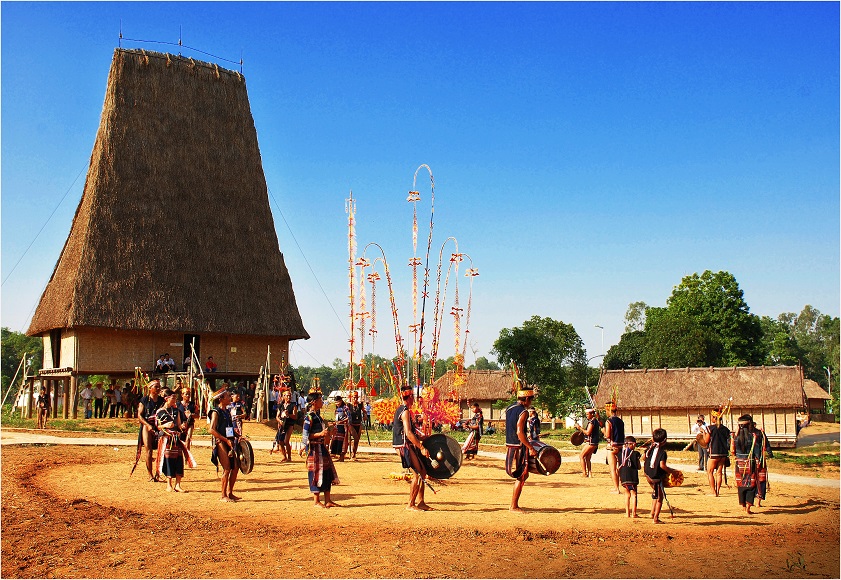
Vietnam Central Highlands offers a journey into the traditions of ethnic groups (Source: Collected)
3.2. Enjoy traditional Gong performances
The Gong culture in the Central Highlands of Vietnam is among the region’s most iconic traditions. For local people, gongs are not only musical instruments but also spiritual symbols that connect humans with gods and ancestors. You can experience gong performances during important ceremonies such as harvest celebrations, water rituals, weddings, or funerals. When the rhythmic sounds echo through the village, people join xoang dances around the fire. Watching these performances lets you feel the sacred spirit of the highlands.
3.3. Explore historical sites
Vietnam Central Highlands holds many historical sites that reflect its role in the nation’s past. In Dak Lak, you can visit Buon Ma Thuot Prison, Bao Dai Palace, and Lac Giao Communal House. Kon Tum features Dak To – Tan Canh Victory Memorial and Kon Tum Prison. Lam Dong has Da Lat Juvenile Prison, Nui Voi Resistance Base, and Zone VI Base. Gia Lai preserves Zone 10 Base and Stor Village.
3.4. Taste authentic Central Highlands coffee
Coffee is part of daily life in Vietnam Central Highlands. The region produces some of the finest Vietnamese coffee beans, which are grown on fertile basalt soil and under the cool highland climate. You can sit in a small local cafe, watch the slow drip of a phin filter, and enjoy the bold flavor. Many farms also welcome tourists, where you can walk through plantations, learn about processes, and taste coffee right at its source.
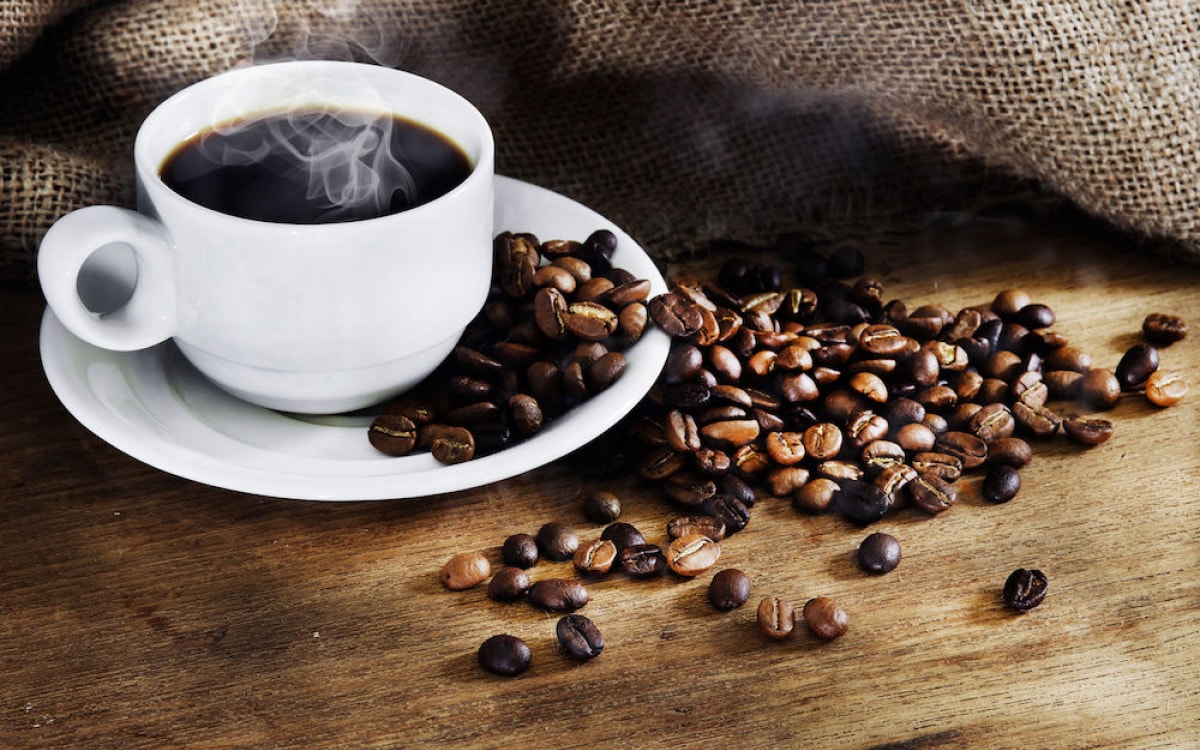
Coffee from Vietnam Central Highlands carries the true taste of the land (Source: Collected)
3.5. Join thrilling adventure activities
Vietnam Central Highlands is a paradise for adventure seekers. You can conquer powerful waterfalls like Yaly, Thuy Tien, and Dray Sap, where water roars through forests all year. In Da Lat, canyoning tours let you rappel down cliffs, trek through forests, and slide along waterfalls. These tours were named among the top 25 outdoor nature activities to try in 2024 in Tripadvisor’s Best of the Best Things to Do. You can also try rafting, off-road driving, or trekking, paragliding, and kayaking. Each experience brings you closer to the wild beauty of the highlands.
3.6. Enjoy the beauty of blooming flowers
Vietnam Central Highlands offers you colorful landscapes through the seasons. In December, wild sunflowers bloom across red basalt soil, turning the region into a golden carpet. Early January brings another change when rubber forests shed their leaves. By March, coffee flowers cover the hillsides in pure white and fill the air with fragrance.
4. Tips for first-time visitors to the Central Highlands
4.1. Transportation
You can reach Vietnam Central Highlands by air, bus, or road.
- By air:
- Lien Khuong Airport in Da Lat connects with Ho Chi Minh City and Hanoi.
- Buon Ma Thuot Airport in Dak Lak has flights from Hanoi, Ho Chi Minh City, and Da Nang.
- Pleiku Airport in Gia Lai links with Hanoi and Ho Chi Minh City.
- By bus: There are long-distance sleeper buses running from Ho Chi Minh City, Da Nang, and Nha Trang to Vietnam Central Highlands. Travel time usually ranges from 6 to 12 hours depending on the destination.
- By road: You can follow National Road 14 from Ho Chi Minh City to Buon Ma Thuot, Gia Lai, and Kon Tum, while National Road 20 leads to Da Lat and Bao Loc.
Once you arrive, you can rent motorbikes, hire private cars, or take local buses to move between destinations.
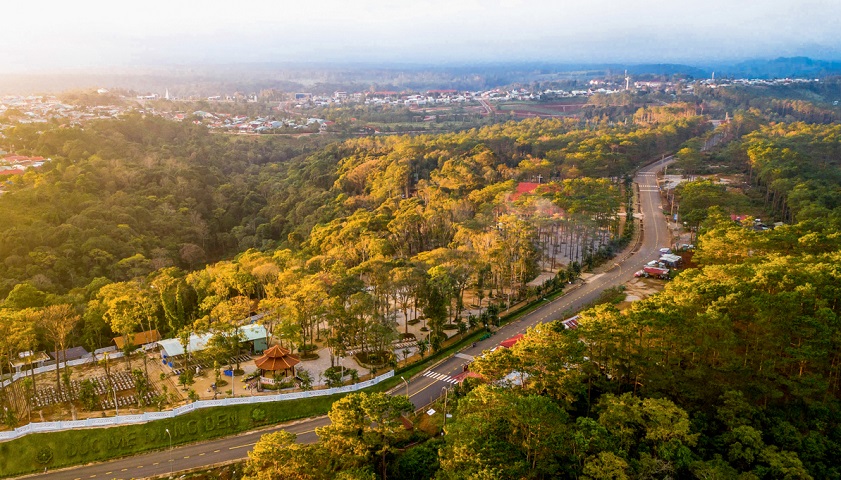
You have several ways to reach Vietnam Central Highlands (Source: Collected)
4.2. Best time to visit
The Vietnam Central Highlands weather features two distinct seasons. The rainy season (May-October) brings heavy rain and lush landscapes. The cool, dry season (November-April) is best for enjoying coffee flowers, wild sunflowers, and cloud hunting.
4.3. Cuisine
Cuisine in the Central Highlands reflects the diversity of the ethnic groups, with simple yet flavorful cooking methods that highlight mountain ingredients. You should not miss lau la rung (hotpot with wild leaves), ga sa lua (fire-grilled chicken), com lam (sticky rice in bamboo), ca dang (bitter eggplant dishes), goi la (salad with over herbs and pork or shrimp), and thit nai (venison).
4.4. Itinerary
Here is a suggested itinerary for your trip to Vietnam Central Highlands.
Day 1: Arrive in Pleiku
- Bien Ho Lake
- Chu Dang Ya Volcano
- Evening coffee in Pleiku town
Day 2: Explore Kon Tum
- Kon Tum Wooden Church
- Kon Klor Communal House & Bridge
- Tribal village visit with gong culture experience
Day 3: Discover nature
- Full-day trek to K50 Waterfall
- Picnic and forest walk
Day 4: Visit Buon Ma Thuot
- Don Village
- Dray Nur & Dray Sap Waterfalls
- Coffee tasting
Day 5: Visit Dak Nong
- Ta Dung Lake
- Chu Bluk Cave
- Evening interaction with the local community
Day 6: Departure
- Relaxed breakfast
- Coffee before leaving
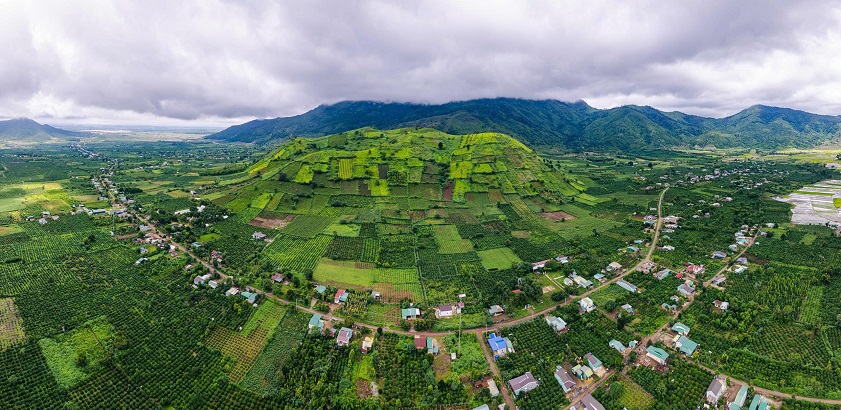
A thoughtful itinerary ensures you see the charm of Vietnam Central Highlands (Source: Collected)
Check out: Central Vietnam itinerary: Must-go places & travel guide
FAQs about the Central Highlands in Vietnam
What is Vietnam Central Highlands famous for?
Vietnam Central Highlands is famous for its vast coffee farms and major crops such as pepper, rubber, and timber. The region is also known for its beautiful natural scenery with forests and waterfalls. Beyond nature, the Central Highlands stand out for diverse ethnic traditions and the UNESCO-recognized “Space of Gong Culture.”
Which are some must-visit destinations in the Central Highlands?
Da Lat, Buon Ma Thuot, Yok Don National Park, Kon Tum Wooden Church, Mang Den, and the many ethnic villages that showcase local traditions.
Is the Central Highlands good for adventure travel?
The Central Highlands is good for adventure travel thanks to its rugged terrain and wild beauty. Trekking, camping, motorbiking, and exploring national parks are among the best adventure activities here.
Is the Central Highlands of Vietnam safe for tourists?
The Central Highlands of Vietnam is safe for tourists in general. Still, you should take care when biking due to road conditions.
How long should I spend in the Central Highlands?
You should spend from 4 to 6 days in the Central Highlands to see highlights across multiple provinces.
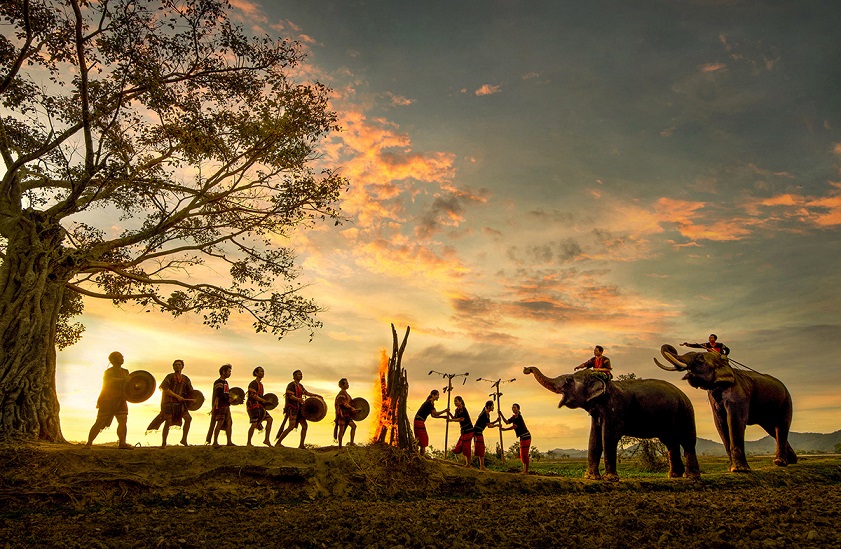
Vietnam Central Highlands can fulfill the interests of all types of travelers (Source: Collected)
Vietnam Central Highlands is a region where you can see the country’s cultural depth and natural beauty in one journey. From ethnic villages and gong performances to waterfalls and coffee farms, your days here will be full of discovery.
If you want to extend your trip, Vietnam also offers famous destinations such as Phu Quoc, Nha Trang, Da Nang, and Hoi An. In these coastal cities, you can explore the world-class entertainment complexes of VinWonders, which bring fun for both families and adventure seekers. Each VinWonders park offers a mix of roller coasters, water slides, and cultural shows that make your journey more exciting.
After sightseeing, you can fully relax at the hotels and resorts of Vinpearl, where modern comfort meets Vietnam’s most beautiful beaches.
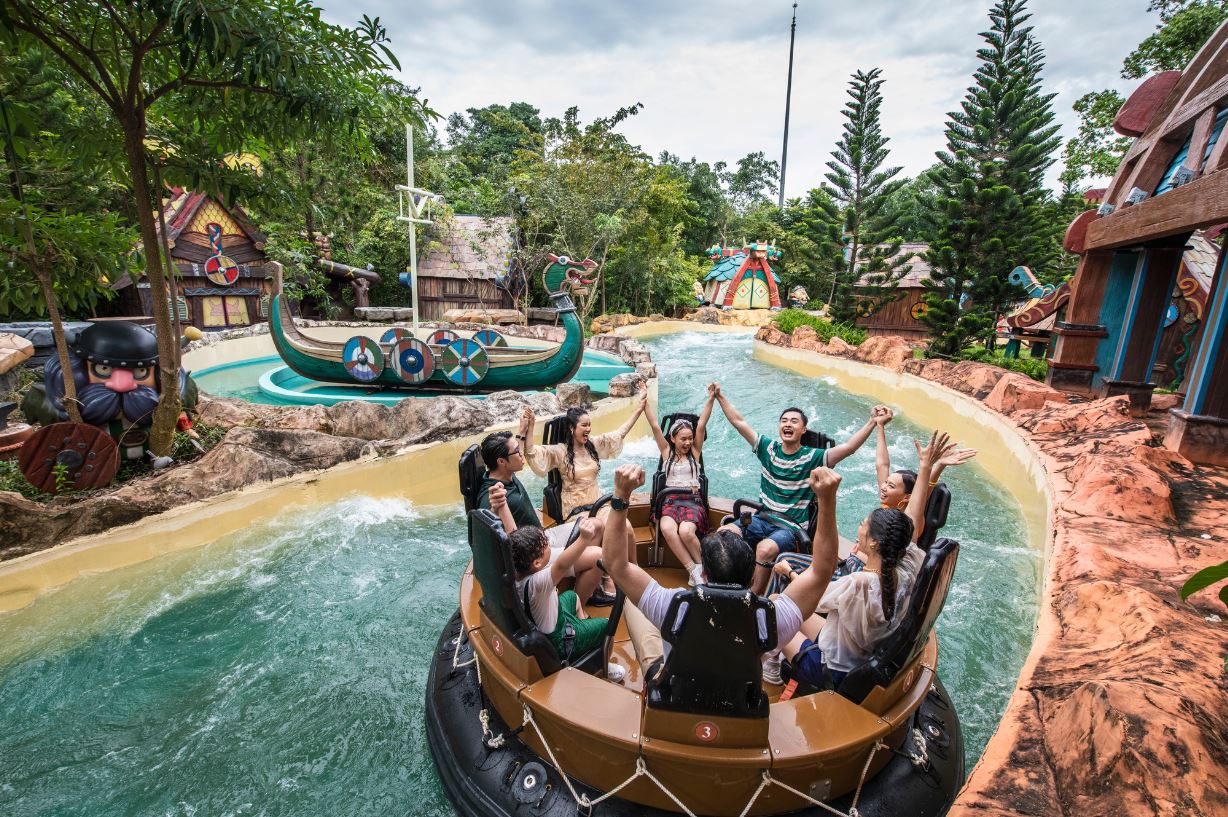
VinWonders Phu Quoc is the largest theme park in Vietnam
Book VinWonders Phu Quoc ticket now

VinWonders Nha Trang – the amusement park of ground-breaking records
Book VinWonders Nha Trang ticket now
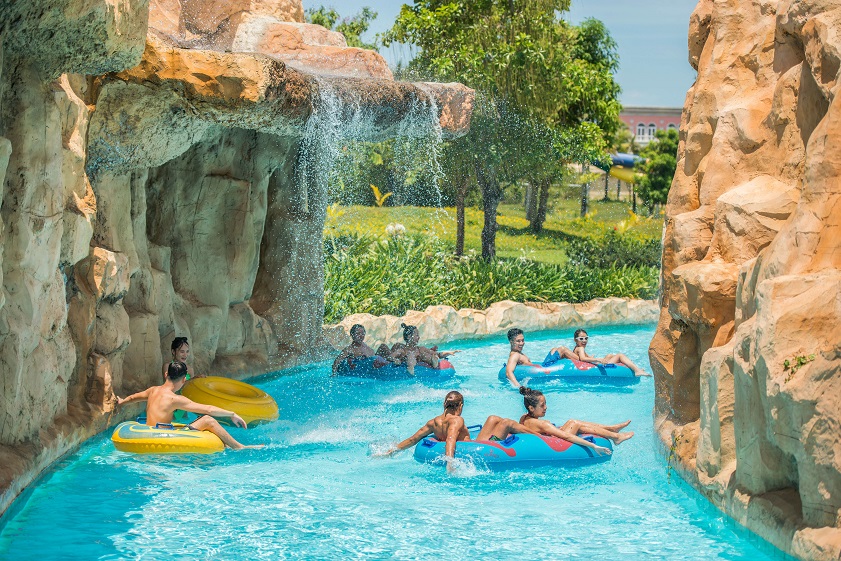
Enjoy unforgettable moments at VinWonders Nam Hoi An
Book VinWonders Nam Hoi An ticket now
Best-selling products






![[Mega Sale 12.12] Get up to 50% off VinWonders on Double Day](https://static.vinwonders.com/production/2025/11/DD-111125-1920-x-920-336x161.jpg)


