 en
en


 Tiếng Việt
  中文 (中国)
  한국어
한국어  Русский


 27/11/2023
 2.638 views
- 1. An in-depth look at Vietnamese literature
- 2. Famous works of Vietnamese literature that you should read
- 2.1. “Truyen Kieu” by Nguyen Du
- 2.2. “Luc Van Tien” by Nguyen Dinh Chieu (19th century) – A poetic epic in Vietnamese literature
- 2.3. “Tat Den” by Ngo Tat To (1937)
- 2.4. “Chi Pheo” by Nam Cao (1941) – A significant contribution to Vietnamese literature
- 2.5. “So Do” by Vu Trong Phung (1936)
- 2.6. “Vang Bong Mot Thoi” by Nguyen Tuan (1940) – A nostalgic work in Vietnamese literature
- 2.7. “Song Mon” by Nam Cao (1944)
- 2.8. “Nhung Ngay Tho Au” by Nguyen Hong (1938) – A notable work in Vietnamese literature
- 2.9. “Thoi Xa Vang” by Le Luu (1986)
- 2.10. “Dat Rung Phuong Nam” by Doan Gioi (1957) – The southern region in Vietnamese literature
- 2.11. “Gio lanh dau mua” by Thach Lam (1937)
- 2.12. “De Men Phieu Luu Ky” by To Hoai (1942) – An adventurous journey in Vietnamese literature
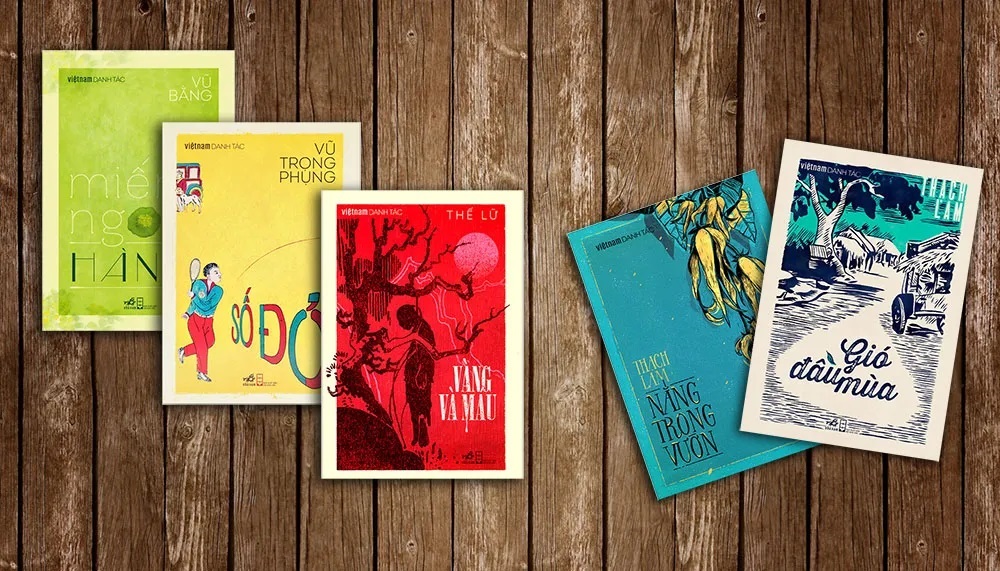
Vietnamese literature delves into the depths of Vietnamese society (Source: Collected)
Vietnamese literature offers a unique glimpse into Vietnamese culture, history, and traditions. Many famous Vietnamese literature books, such as “The Tale of Kieu,” “Adventures of a Cricket,” and “Chi Pheo,” have garnered international acclaim for their depth and cultural insights. Read on to discover the top 12 must-read books that provide a profound understanding of this fascinating nation!
1. An in-depth look at Vietnamese literature
Vietnamese literature has a rich history, with its origins dating back to ancient times. It is characterized by two main components: folk literature and written literature.
Folk literature, deeply rooted in the oral traditions of Vietnamese people, consists of various forms such as folk tales, legends, and folk songs. These captivating narratives have been passed down through generations. Folk literature often portrays moral lessons, important events along the history of Vietnam, and mythical elements, providing insights into the daily lives and collective experiences of the locals.
Written Vietnamese literature evolved alongside the development of a written language system in Vietnam. It emerged with the advent of Chinese characters, and later, the appearance of the Vietnamese script (chu Quoc ngu) in the 17th century. Written literature encompasses a wide range of genres, including poetry, novels, short stories, and plays. Over the centuries, Vietnamese writers have produced remarkable works that explore diverse themes and styles, reflecting the social, political, and cultural changes of their respective eras.
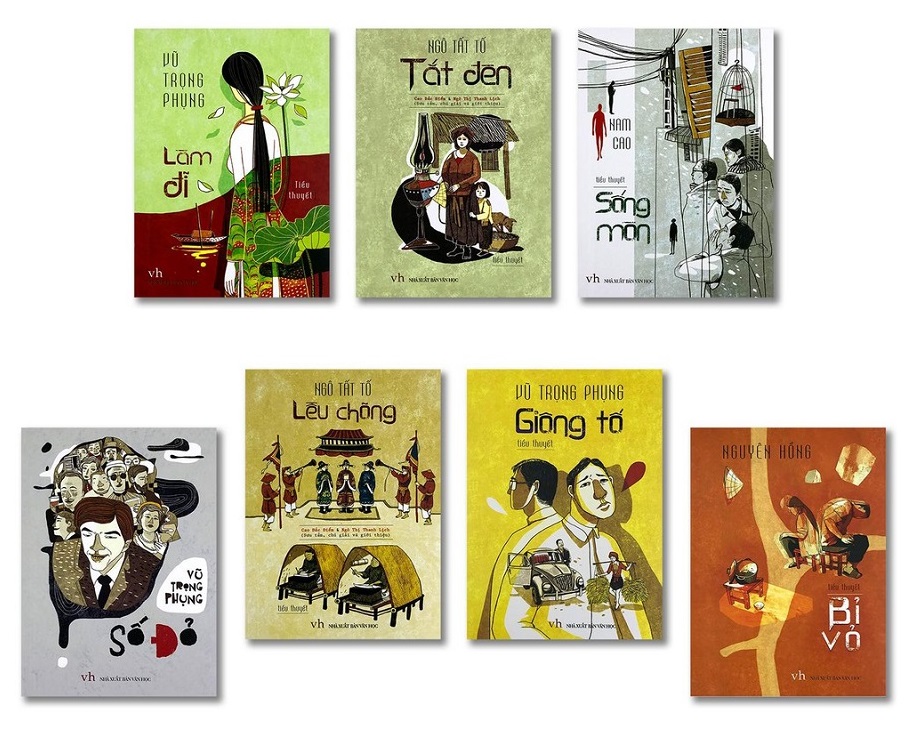
Literature in Vietnamese reflects the rich heritage and diverse narratives of Vietnam (Source: Collected)
2. Famous works of Vietnamese literature that you should read
2.1. “Truyen Kieu” by Nguyen Du
Considered one of the most celebrated works in Vietnamese literature, “Truyen Kieu” (The Tale of Kieu) is a must-read masterpiece. Written by Nguyen Du in the early 19th century, this poem tells the tragic story of Thuy Kieu, a young woman who endures numerous trials in her pursuit of love and redemption. Through Kieu’s journey, the author skillfully depicted the corrupt and unequal feudal society of the late 18th and early 19th century in Vietnam. The poem also reflects the people’s yearning for freedom, justice, love, and happiness.
A prominent factor that makes Truyen Kieu outstanding among other Vietnamese poets lies in its flexible use of folk languages, including idioms, proverbs, and Sino-Vietnamese expressions. Its influence extends beyond literature, as the locals have adopted the language of its characters to create new proverbs and folk songs, expressing various emotions in their daily lives.
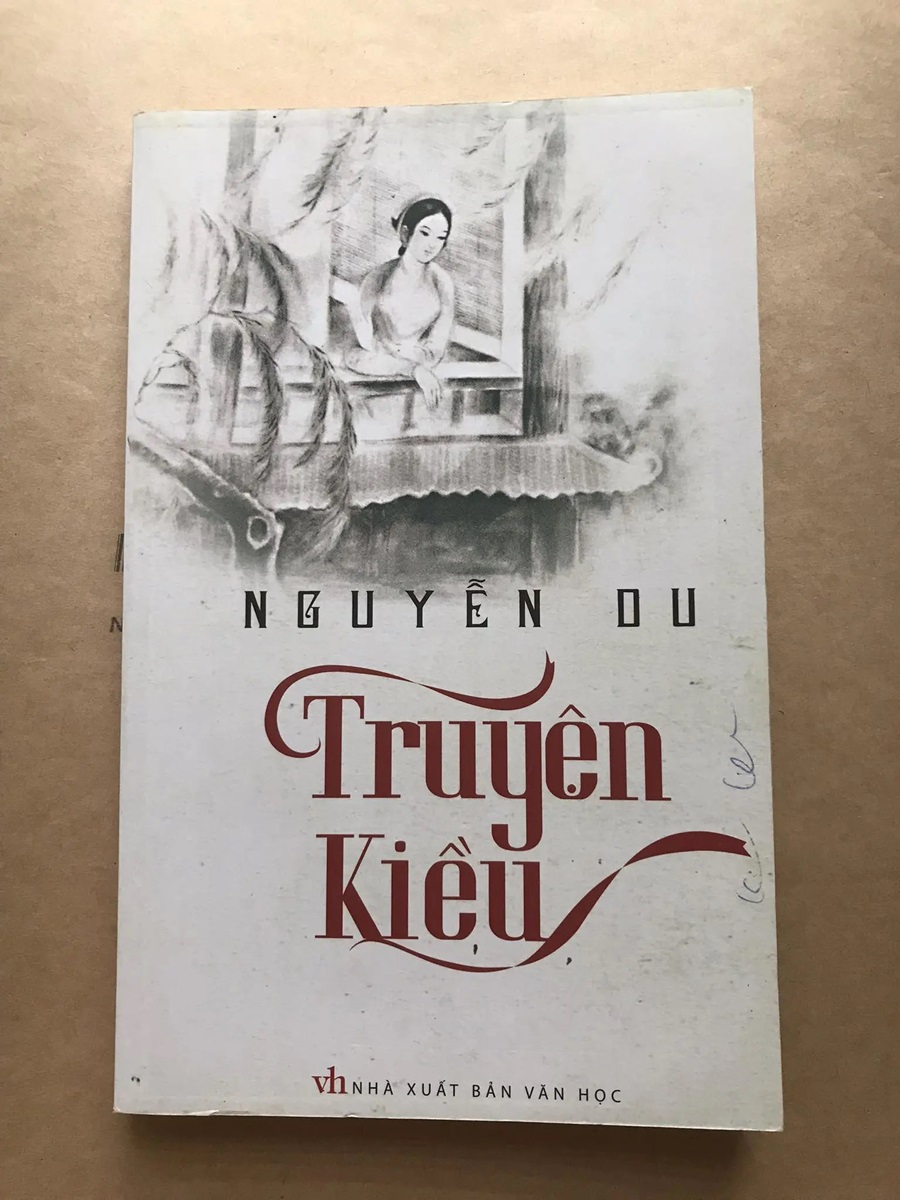
Truyen Kieu is a literary masterpiece that intertwines with the pages of Vietnamese history books (Source: Collected)
2.2. “Luc Van Tien” by Nguyen Dinh Chieu (19th century) – A poetic epic in Vietnamese literature
“Luc Van Tien” (The Tale of Luc Van Tien) is the most famous work of Nguyen Dinh Chieu and considered one of the best Vietnamese literature books. This poem follows the journey of Luc Van Tien, a young scholar who faces countless hardships. Under every circumstance, he upholds admirable qualities such as righteousness, bravery, and selflessness. These virtues serve as a reflection of the Vietnamese people. Written in the “luc bat” (six-eight) form, the verses exude a lyrical beauty that transports readers to a realm where poetry and morality intertwine. It has been translated into multiple languages, including French, English, and Japanese, allowing its universal appeal to resonate across borders.
2.3. “Tat Den” by Ngo Tat To (1937)
Ngo Tat To’s “Tat Den” (When the Light is Out) is a captivating piece in Vietnamese literature, spotlighting Chi Dau as a symbol of resilience in the face of societal challenges. Despite hardships, Chi Dau’s unwavering determination and sacrifices for her family take center stage. The novel vividly portrays her life, offering insights into the tough socio-economic conditions of its time. Representing Vietnamese realistic literature from 1930 to 1945, Tat Den uses Chi Dau’s character to critique the taxation system and expose the flaws of the semi-feudal, semi-colonial order. This succinct yet powerful depiction captures the class struggles and the unyielding spirit of rural Vietnamese women.
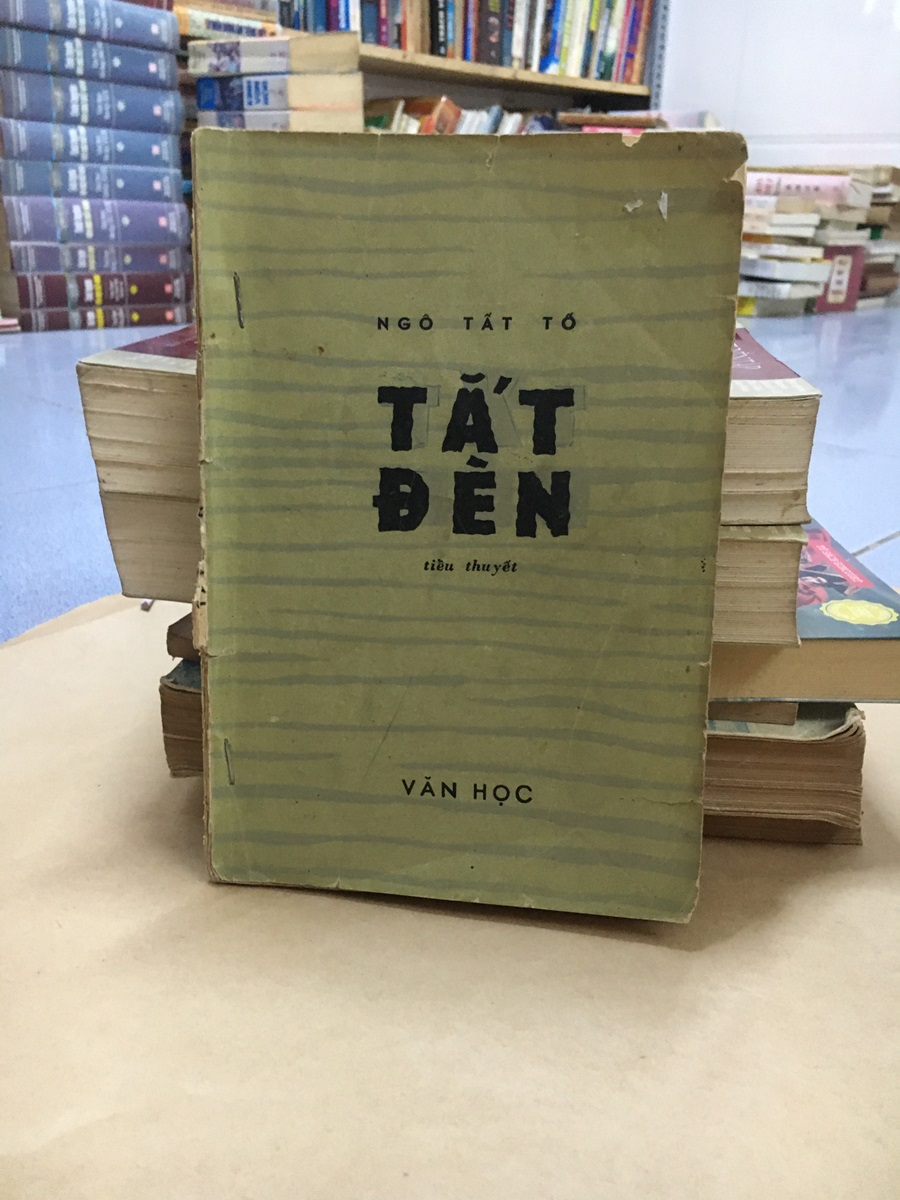
Tat Den is a compelling work of literature in Vietnamese (Source: Collected)
2.4. “Chi Pheo” by Nam Cao (1941) – A significant contribution to Vietnamese literature
“Chi Pheo” is a renowned short story that showcases the beauty of Vietnamese literature, with the author’s exceptional storytelling skills. Written in February 1941, it unfolds the tragic life of Chi Pheo, a peasant in a society torn between feudalism and colonialism. Chi Pheo, initially a kind young man from Vu Dai Village, is forced into a life of sin by circumstances. He becomes infamous as the demon of Vu Dai Village, known for his deceitful ways. However, when he encounters Thi No, a girl who rekindles his dormant goodness, Chi Pheo dreams of a virtuous life and family happiness. Through Chi Pheo’s transformation, this classic Vietnamese literary work emphasizes the enduring goodness within individuals, even in the darkest times.
2.5. “So Do” by Vu Trong Phung (1936)
Vu Trong Phung is considered one of the greatest writers of Vietnamese literature in the 20th century, and “So Do” (Dumb Luck) was his major work. Published in 1936, this work explores the impact of French colonialism on Vietnamese society during the 30s, using humor and satire as its narrative voice. In the face of colonial shock, Vietnamese intellectuals and bourgeois see radical modernization as the only way to escape their predicament. Vu Trong Phung exposed the mistakes of this Westernization through the story of Xuan, a cunning young man who transitions from a tennis court ball boy to a medical doctor, a professional tennis player, and eventually, the self-proclaimed “savior” of the nation. It is one of the best Vietnamese books for gaining deep insights into Vietnam during the tumultuous period of 1930-1945.
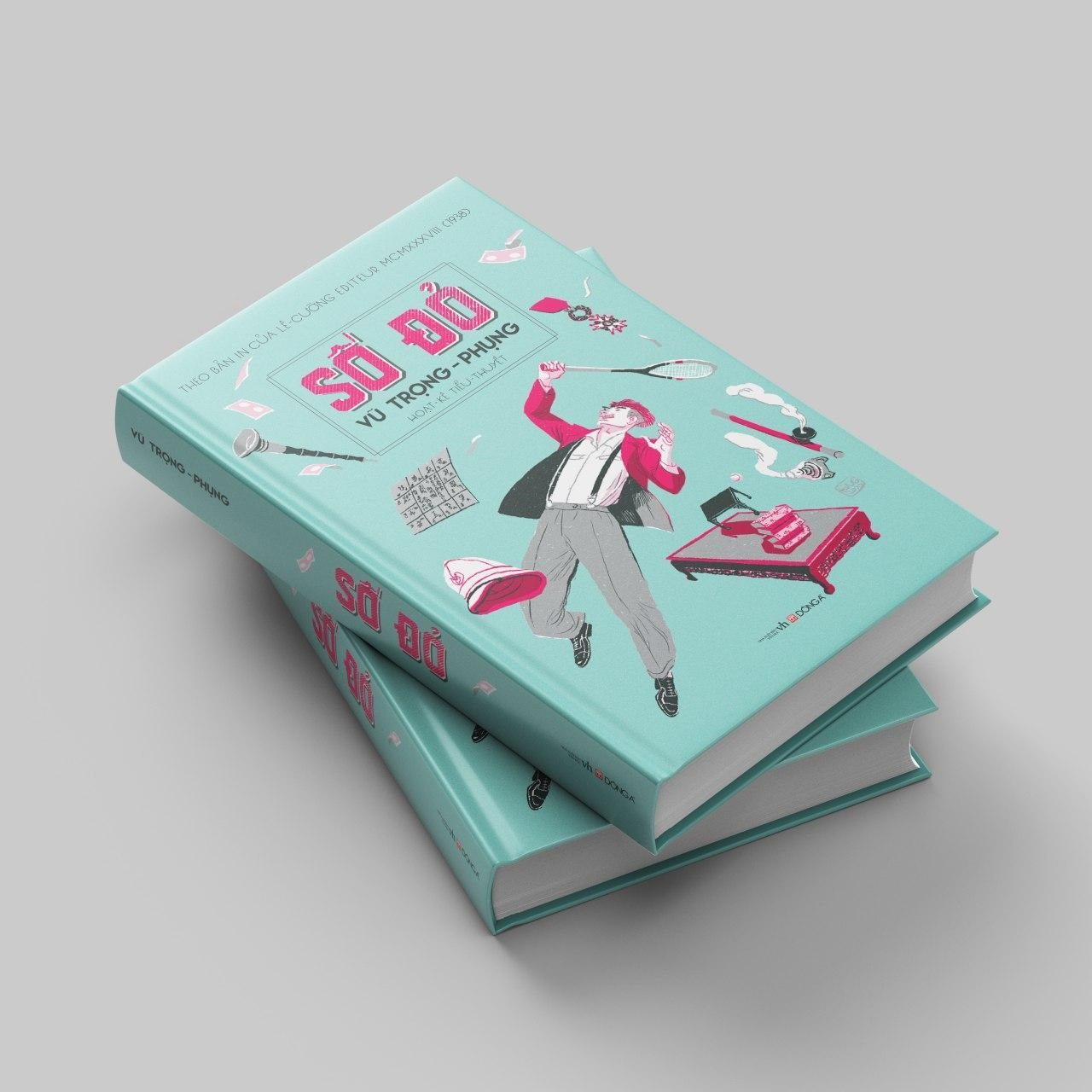
So Do is a significant contribution to Vietnamese literature short stories (Source: Collected)
2.6. “Vang Bong Mot Thoi” by Nguyen Tuan (1940) – A nostalgic work in Vietnamese literature
“Vang Bong Mot Thoi” (Echo and Shadow Upon a Time) is a renowned masterpiece in Vietnamese literature, crafted by Nguyen Tuan in 1940. This collection comprises 12 captivating short stories and essays. Each story evokes a sense of nostalgia, transporting readers to a bygone era. From the cherished moments of family gatherings during Tet to the excitement of children enjoying traditional treats in the Mid-Autumn Festival, the essence of a vanishing time is beautifully encapsulated. Beyond their aesthetic charm, the stories in Vang Bong Mot Thoi have preserved and passed down the heritage to future generations. It shines brightly among Vietnamese culture books, resonating within the hearts of readers even to this day.
2.7. “Song Mon” by Nam Cao (1944)
Published in 1944, “Song Mon” (The Worn-out Life) stands out as one of Nam Cao’s most successful realistic Vietnamese novels and a significant work of Vietnamese literature. It delves into the lives of intellectuals in a bygone era, filled with dreams and ideals but gradually eroded by the constant struggle for survival. Thu, the main character, is a teacher who leaves his family in the countryside to pursue a teaching career in Hanoi, seeking a better life. However, his dreams slowly crumble as he faces the burdens of life, from making ends meet with an insufficient salary to being treated selfishly by those around him. Each day feels like a slow death as he becomes trapped in a cycle of poverty and misfortune. Song Mon offers readers a profound understanding of the hardships endured in a colonial society during that era.

Song Mon is widely regarded as one of the most exceptional Vietnamese books (Source: Collected)
2.8. “Nhung Ngay Tho Au” by Nguyen Hong (1938) – A notable work in Vietnamese literature
Written by Nguyen Hong at the age of twenty in 1938, “Nhung Ngay Tho Au” (The Childhood Days) is a heartfelt memoir that explores the author’s challenging early years. With nine chronological chapters, this Vietnamese literature work captures the author’s personal growth and the challenges he faced. The memoir reveals the author’s keen observations of his father’s irresponsible behavior due to addiction. Equally compelling are the vivid portrayals of his mother’s enduring hardships against mistreatment from her extended family. The narrative reaches a poignant moment when she is forced to leave her children for a better life. Through its simple yet powerful language, Nhung Ngay Tho Au unfolds a touching personal story and provides insight into Vietnam’s conservative society in the early 20th century.
2.9. “Thoi Xa Vang” by Le Luu (1986)
“Thoi Xa Vang” (A Distant Time), written by Le Luu in 1986 during Vietnam’s period of societal renewal, is a captivating novel in Vietnamese literature. The story follows the life of Giang Minh Sai, a complex character whose journey evokes both sympathy and frustration. Forced into an arranged marriage at twelve, Giang faces further complications as he falls in love with another girl. Throughout the narrative, Le Luu skillfully employed satirical tones to explore the paradoxes of life and offered sharp critiques of societal flaws, including forced marriages, conservative ideologies, and selfishness. Thoi Xa Vang delivers a clear message, reminding readers that true authenticity lies in living as oneself and not conforming to society’s imposed values.
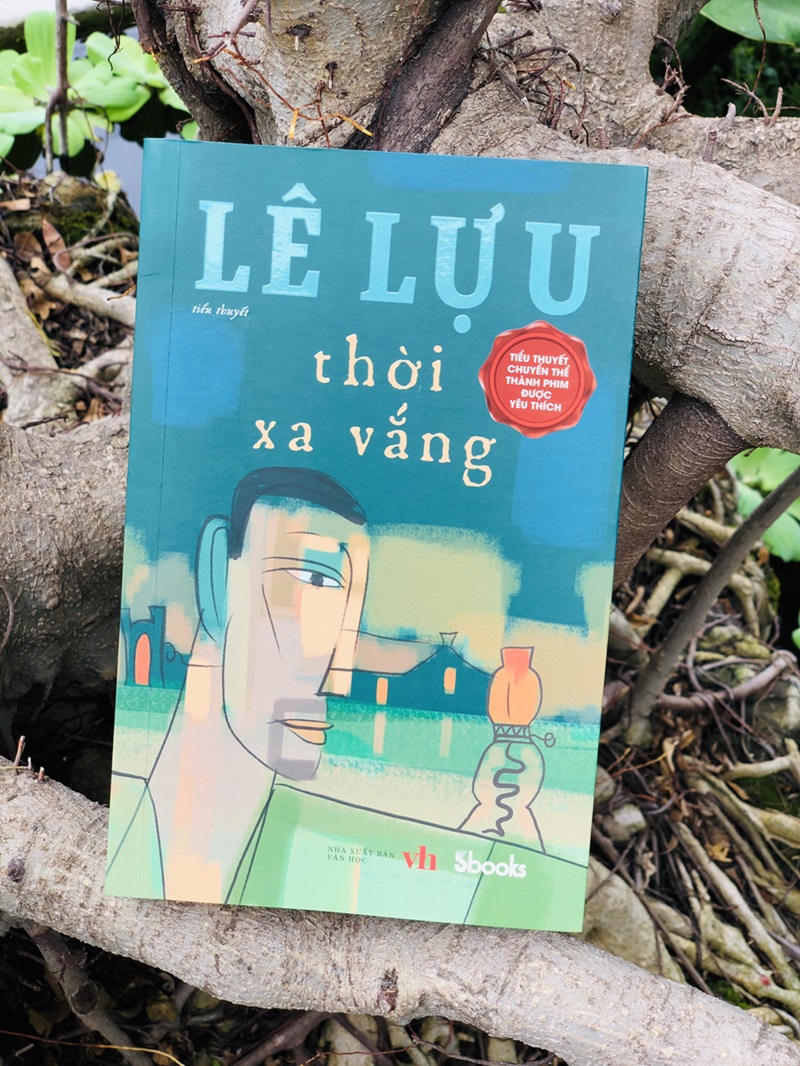
Thoi Xa Vang is known for its transformative impact on Vietnamese literature in the 80s (Source: Collected)
2.10. “Dat Rung Phuong Nam” by Doan Gioi (1957) – The southern region in Vietnamese literature
“Dat Rung Phuong Nam” (The Southern Region), a captivating novel written by Doan Gioi in 1957, offers a unique perspective within the realm of Vietnamese literature, particularly Vietnamese war literature. Set in the backdrop of 1945 when the French colonialists returned to Southern Vietnam, the story follows the journey of a young boy named An as he explores the enchanting landscapes of the region. Through vivid descriptions, the novel brings to life the picture of Vietnam in the Southern region. From snake fishing and crocodile catching to beekeeping in U Minh Forest, readers are immersed in a world that will captivate their imaginations. More importantly, the true beauty of this novel lies in its portrayal of the simple human relationships and the virtues of the people of the South – their simplicity, integrity, and unwavering sense of justice even in tough times.
2.11. “Gio lanh dau mua” by Thach Lam (1937)
“Gio Lanh Dau Mua” (The Cold Winds When Winter Begins) is a remarkable collection of short stories in Vietnamese literature published by Thach Lam in 1937, during Vietnam’s colonial period. The author delved into the lives of the impoverished working class, offering poignant glimpses into their struggles within a bleak historical context. Through the stories, readers are introduced to characters like Le, a mother trapped in the cycle of poverty, and Du, a pedicab driver on Hang Bot Street who endures brutal beatings under the French colonialists’ rule. These characters embody the harsh realities faced by ordinary people. Yet, amidst the hardships, Gio Lanh Dau Mua captures the warmth of human emotions. Even in the harshest circumstances, the compassion of the human spirit shines through.

Gio Lanh Dau Mua is a literary gem that ensures the legacy of Vietnamese literature (Source: Collected)
2.12. “De Men Phieu Luu Ky” by To Hoai (1942) – An adventurous journey in Vietnamese literature
“De Men Phieu Luu Ky” (Adventures of a Cricket) is a prose work in Vietnamese literature written by To Hoai in 1942. It has become a classic work for children in Vietnam and is included in many school curricula. With meticulous observation, To Hoai paints a world of insects that is no less fascinating than the human world. His writing style is witty and engaging, with unexpected events that capture the imagination of young readers. The main character, a cricket, is courageous, kind-hearted, and righteous, but he also has moments of arrogance that lead to consequences. Through these experiences, young readers can learn valuable lessons about friendship and life. The novel’s universal allure extends globally, having been translated into nearly 40 languages and embraced by readers in almost 40 countries.
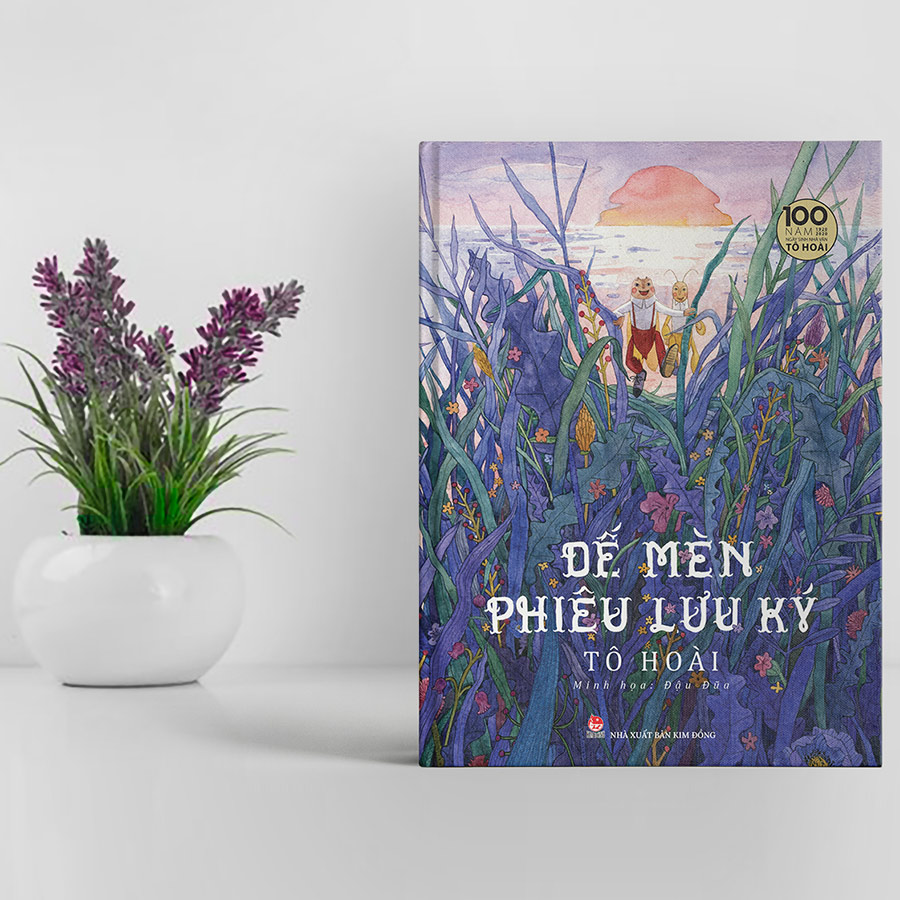
De Men Phieu Luu Ky is a beloved classic in Vietnamese literature (Source: Collected)
Exploring Vietnamese literature allows you to grasp the country’s challenging past, making its present-day achievements even more astonishing. Today, Vietnam stands as a global tourist destination, renowned for its rich history, breathtaking landscapes, delectable cuisine, and warm-hearted people. As you plan your Vietnam travel journey, be sure to immerse yourself in the enchanting streets of Hanoi, the preserved heritage of Hoi An, the lively nightlife in Nha Trang, and the tropical haven of Phu Quoc.
To enhance your excursion, don’t forget to check out VinWonders – a chain of entertainment complexes situated across various tourist hubs in Vietnam. In particular, VinWonders Wave Park & Water Park, VinWonders Nam Hoi An, VinWonders Nha Trang, and VinWonders Phu Quoc offer an array of thrilling games, captivating shows, and interactive activities suitable for visitors of all ages. Additionally, VinKE & Vinpearl Aquarium offers many educational experiences that are well worth exploring, especially for children.
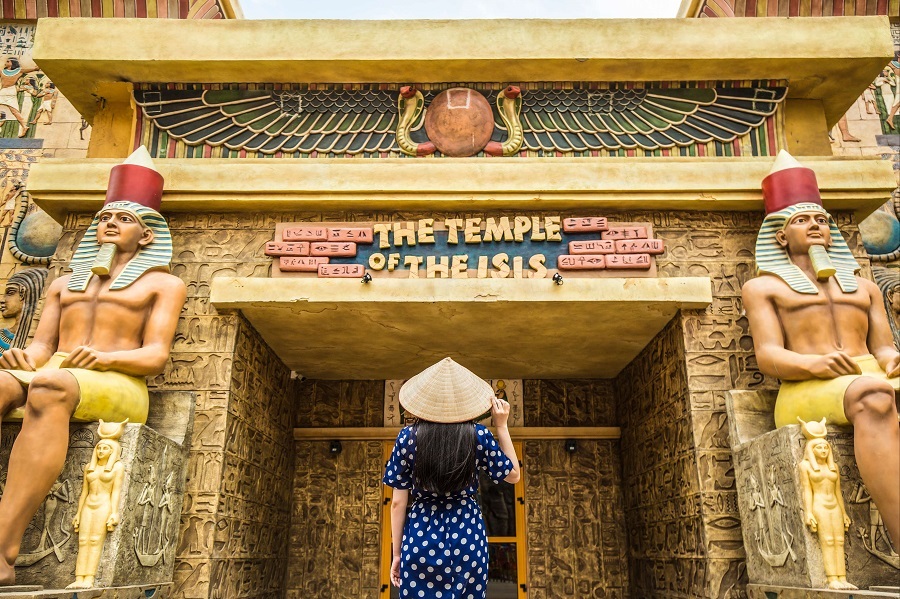
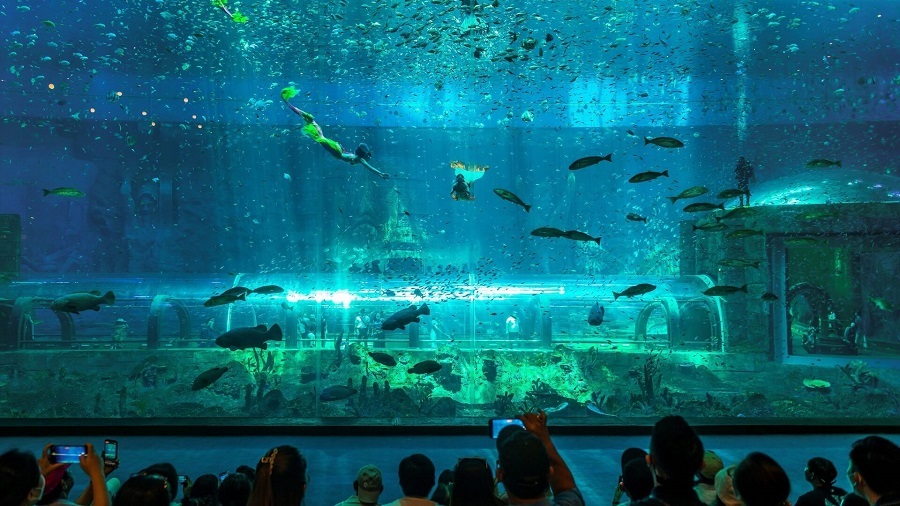
Have unforgettable moments at the entertainment paradises of VinWonders
>>> Book tickets to VinWonders Phu Quoc, Nha Trang, Nam Hoi An, VinKE & Vinpearl Aquarium and VinWonders Wave Park & Water Park to explore the beauty of Vietnam today!
Vietnamese literature boasts an abundance of remarkable works that showcase the rich culture and artistic brilliance of Vietnam. From the timeless classic Truyen Kieu to the thought-provoking De Men Phieu Luu Ky, these books offer deep insights into Vietnamese identity. Read one of the above-mentioned works today and see the captivating world of Vietnamese literature!
Best-selling products
![[02 Day Combo] - Admission to VinWonders + Vinpearl Safari Phu Quoc | Gifts: Meal Voucher + Teddy Bear Museum](http://booking-static.vinpearl.com/tours/877d8a3289a246d18f95aa5cc414f6d6_27be58d21e244664bf34d11d72e77860_Castle_vinwonders-phu-quoc-ve-vao-cua_vinwonders-phu-quoc-ve-vao-cua.jpg)
![[Hoi An Passport] VinWonders Ticket + Buggy + Hoi An Coconut Forest Boat](http://booking-static.vinpearl.com/tours/6c002e3ea71642f38eda8efa8654e5e4_vwnha0_vinwonders-nam-hoi-an-ve-vao-cua.jpg)
![[Nha Trang Passport] - [Half-Day] - Cable Car + Aquafield Sauna (2 hours) + Tata Show](http://booking-static.vinpearl.com/tours/b0bf65880af449f39ea19fa0acbb94d5_34d71a9c3e6b4b7484f9d7cbbc935c26_200dd4dda03e45e0a1add52e4acc11fa_NHT_1796_ve-xem-tata-show-vinwonders-nha-trang_ve-xem-tata-show-vinwonders-nha-trang.jpg)
![[VinWonders Cua Hoi] - Indoor Games Area](http://booking-static.vinpearl.com/tours/aa8379d6db3a4f5c9df6d78d53177c35_11-E-Ticket-Vinwonder-Cua-Hoi_23072024111407_vinwonders-nam-hoi-an-ve-vao-cua.jpg)
![[VinWonders Nha Trang] - Standard Admission Ticket to VinWonders | Free F&B Voucher](http://booking-static.vinpearl.com/tours/d1425f018b3e4d2d833374b5b52d8bb9_Hinh-anh-VinWonders-Nha-Trang-The-World-Garden-Lau-vong-canh-3x2-so-1_vinwonders-nha-trang-ve-vao-cua-sau-16h.jpg)
![[Vinpearl Harbour] - Happy Hour Combo: Round-trip Cable Car + Dinner Buffet + Tata Show](http://booking-static.vinpearl.com/tours/a869acdae59e4137855742de1cbbb1af__KAH2165_vinpearl-harbour-combo-happy-hour.jpg)
![[Grand World Phu Quoc] [Ultimate Combo] - Water Taxi + Teddy Bear Museum + Grand Show](http://booking-static.vinpearl.com/tours/e31a9e66b5444808bba3e3114d195559_VENICE%20ALL%20IN%20ONE%20KV%20(1)_ve-bao-tang-gau-teddy-bear.jpg)
![[VinWonders Nha Trang] - 01-day Unlimited Admission Ticket | Free F&B Voucher](http://booking-static.vinpearl.com/tours/ccf23087ea0f419980c411d0e79c10fb_88c594a8352d49e7b031b9fbd5c5d27f_tro-choi-mao-hiem-o-vinpearl-nha-trang-thumb-1_vinwonders-nha-trang-khong-gioi-han-2-ngay_vinwonders-nam-hoi-an-ve-vao-cua.jpg)
![[VinWonders Nha Trang] - Admission to VinWonders after 4:00 PM](http://booking-static.vinpearl.com/tours/de2da6d471b34297ab13cb26ef2da9a0_Hinh-anh-VinWonders-Nha-Trang-The-World-Garden-Lau-vong-canh-3x2-so-1_vinwonders-nha-trang-ve-vao-cua-sau-16h.jpg)
![[Vinpearl Aquarium Times City] Entrance Ticket](http://booking-static.vinpearl.com/tours/8702a10bf2934d6299df65669a290679_aquarium%20times%20city%203_thuy-cung-vinpearl-aquarium-times-city.jpg)
![[VinWonders Cua Hoi] Combo Entrance Ticket | Includes Cable Car + Games Area (excluding Gokart and Indoor Games)](http://booking-static.vinpearl.com/tours/d5af0cb7759d48a7a2b991c8de1e19a0_Hinh-anh-VinWonders-Nam-Hoi-An-Noi-bat-3x2-so-3%20(1)_vinwonders-nam-hoi-an-ve-vao-cua.jpg)
![[Zoo Tram Combo] - Admission to Vinpearl Safari Phu Quoc + Zoo Tram](http://booking-static.vinpearl.com/tours/91af11bafaf549649cb13be8151df18e_uu-dai-vinpearl-safari-phu-quoc-1_1711097070_ve-combo-tinh-hoa-viet-nam-va-bao-tang-gau.jpg)
![[VinWonders Vu Yen] - Admission Ticket to Games zone (after 5:00 PM)](http://booking-static.vinpearl.com/tours/b2cd8cf6b14c48459b21393e14d73163_vwvy%201_vinwonders-nha-trang-ve-vao-cua-2-chieu.jpg)
![[Aquafield] - [Female] - 4-hour Korean Sauna](http://booking-static.vinpearl.com/tours/0e6fe24c37b84cb799b94dae70578054_aqf-suong-may-2048x1365_aquafield-nha-trang-xong-hoi-chuan-han.jpg)
![[VinWonders Nam Hoi An] - Standard Admission Ticket](http://booking-static.vinpearl.com/tours/81813f8ced2c466e82ad53f1c29c1904_tour-kham-pha-van-hoa-viet-vinwonders-nam-hoi-an-668ca102bcc29_vinwonders-nam-hoi-an-ve-vao-cua.jpg)
![[VinWonders Phu Quoc] - Standard Entrance Ticket](http://booking-static.vinpearl.com/tours/0dd25afc61ad45d48486bbd3b9c8a96a_tieu%20chuan%201_vinwonders-phu-quoc-ve-vao-cua.jpg)
![[VinGroup Employees] Standard Admission Ticket to Ocean Park 3 Water Park](http://booking-static.vinpearl.com/tours/f949b31af919495c9b4e111237642763_358600999_111579731994757_433244877993048710_n_vinwonders-ha-noi.jpg)
![[Vinpearl Safari Phu Quoc] - Standard Entrance Ticket + Meal voucher gift](http://booking-static.vinpearl.com/tours/ceb77f9174d845ebb2fd3dfe2b846066_3%20copy_vinwonders-nam-hoi-an-ve-vao-cua.jpg)
![[50% Student Discount] – VinWonders Admission Ticket](http://booking-static.vinpearl.com/tours/43126c168bb04853bf7c93e197db724a_Banner%201200x628_vinwonders-nha-trang-ve-vao-cua-2-chieu.jpg)
![[Grand World] Skydrop ticket](http://booking-static.vinpearl.com/tours/ed7c962747be42458f35c7b18340b901_A2-4-jpeg-2640-1687438608_grandworld.jpg)
![[Grand World Phu Quoc] - The Quintessence of Vietnam Show](http://booking-static.vinpearl.com/tours/f88e2be1139b4eada4043eb7f0e39362_THVN1_show-tinh-hoa-viet-nam.jpg)
![[01 Day Combo] - Admission to VinWonders + Vinpearl Safari Phu Quoc](http://booking-static.vinpearl.com/tours/65ba6f5d4c5d423791dc1b90555959d9_CB1D%200_Combo-ve-vao-cua-vinwonders-safari.jpg)
![[Grand Park] Celestial Swing](http://booking-static.vinpearl.com/tours/eeb9a602315342ccbc7965b29cfb0db0_Ảnh%20màn%20hình%202025-03-03%20lúc%2015.00.17_vinwonders-nam-hoi-an-ve-vao-cua.png)
![[Nha Trang Passport] - [Half-Day] - Cable Car + Aquafield Sauna (2 hours) + Tata Show](http://booking-static.vinpearl.com/tours/ef49c187eadf4177b425d2bb85a18b30_200dd4dda03e45e0a1add52e4acc11fa_NHT_1796_ve-xem-tata-show-vinwonders-nha-trang.jpg)
![[Grand World Phu Quoc] - Water Taxi Boat + Teddy Bear Museum](http://booking-static.vinpearl.com/tours/add2e0908faa4289b555856472b181be_VENICE%20ALL%20IN%20ONE%20KV%20(1)_ve-bao-tang-gau-teddy-bear.jpg)
![[Hon Tam] - [Zone A&B] - Full island entertainment + Mud Bath Zone A + Lunch](http://booking-static.vinpearl.com/tours/af991883d63f4133b62b76551ba2444d_tam-bun-dao-hon-tam_httpswwwhontammudbathvnwp-contentuploadssites2720190625-3-2200x700jpg.jpg)
![[VinWonders Vu Yen] - [04 Adults] - Admission to Zoo + Games + Free Tote Bag](http://booking-static.vinpearl.com/tours/34488b227a3648e5b73d4aa6d6d36b46_DO__8153_vinwonders-nha-trang-ve-vao-cua-2-chieu.jpg)
![[Grand World] Carousel Ride](http://booking-static.vinpearl.com/tours/0d6a4bcfc2a54fd4aa9df0b38ae8c7b6_A2-4-jpeg-2640-1687438608_grandworld.jpg)
![[-30%] The Quintessence of Vietnam Show](http://booking-static.vinpearl.com/tours/6cee2bcb52a447009f64771095d03c9e_Screenshot%202024-10-22%20at%2014.49.18_ve-bao-tang-gau-teddy-bear.png)
![[-10%] - VIP River Safari Ticket*](http://booking-static.vinpearl.com/tours/5d3ee19e977446be8917a34697bb9443_ece6e58a02fd48de9eba9d3f4689f77a_Hinh-anh-VinWonders-Nam-Hoi-An-River-Safari-3x2-so-1%20(1)_vinwonders-nam-hoi-an-ve-vao-cua_vinwonders-nam-hoi-an-ve-vao-cua.jpg)
![[Vinpearl Aquarium Times City] Entrance Ticket](http://booking-static.vinpearl.com/tours/e7fcffc8256546e8bdcfd5ccfbe69783_VINKE2%20(1)_vinke-ve-vao-cua-truc-tiep.jpg)
![[Aquafield] - [Male] - 4-hour Korean Sauna](http://booking-static.vinpearl.com/tours/94abeb55e3d54efbac23f7a862445389_0d72b531dd6749bbac2874b915ab0512_Screenshot_8_aquafield-nha-trang_aquafield-nha-trang.png)
![[Buggy Combo] - VinWonders Phu Quoc + Buggy + Free Ice Cream](http://booking-static.vinpearl.com/tours/0fc52a574094489da612d0f36bb4b1e6_buggy%20kem_vinwonders-phu-quoc-ve-vao-cua-tet-vi-vu.jpg)
![[Aquafield] - [Male] - 4-hour Korean Sauna](http://booking-static.vinpearl.com/tours/4ae60d29ea264f8fab17beb6b4415502_aqf-da-muoi_aquafield-nha-trang-xong-hoi-chuan-han.jpg)
![[Aquafield Ocean City] [Male] – Standard Jjimjilbang Sauna Ticket](http://booking-static.vinpearl.com/tours/0be276c684454e8d969c373f35f6be97_DSC_2127_11zon_aquafield-nha-trang.jpg)
![[Vinpearl Harbour] - Round-trip Cable Car Ticket](http://booking-static.vinpearl.com/tours/3cbd16b8edc74f6abc7f7cfa0e91caec_VPHB_Photos15_vinwonders-nha-trang-ve-vao-cua-2-chieu.jpg)
![[Aquafield] - [Male] - Round-trip Cable Car + 4-hour Korean Sauna](http://booking-static.vinpearl.com/tours/625529980f3249e6b0491cddfc30db43_297be2477c5847748ef3bc08603ebf90_aqf%204_aquafield-nha-trang.jpg)
![[02 Day Unlimited Access] - VinWonders + Vinpearl Safari Phu Quoc + Teddy Bear Museum](http://booking-static.vinpearl.com/tours/0a8c0679cffa437a8a7fe90deb639382_cb2d%20unlimited%202_Combo-ve-vao-cua-vinwonders-safari.jpg)
![[Hon Tam] - [Zone A] - Standard Mud Bath](http://booking-static.vinpearl.com/tours/9db66a615a7d4f119316b338afff30cb_tam-bun-dao-hon-tam_httpswwwhontammudbathvnwp-contentuploadssites2720190625-3-2200x700jpg.jpg)
![[Aquafield] - [Female] - Round-trip Cable Car + 4-hour Korean Sauna](http://booking-static.vinpearl.com/tours/c3bae84e472b42078ca3ff6f28d55d80_1c5968412aca409fa8571c88cc85a4ba_aqf%205_aquafield-nha-trang.jpg)
![[Grand Park] Water Park + Dream Garden Outdoor Games Combo](http://booking-static.vinpearl.com/tours/35566b714d4c4dd9802a6bf4650ac2b1_khu-vui-choi-cua-hoi-9_vinwonders-nam-hoi-an-ve-vao-cua.jpg)
![[Nha Trang Passport] – [01 day] – Snorkeling Tour + Lunch & Mud Bath at Hon Tam + Vinpearl Harbour + Tata Show](http://booking-static.vinpearl.com/tours/f6b1826759674c9c9d3f074e03fa04ba_snorkeling%201_vinwonders-nha-trang-ve-vao-cua-2-chieu.jpg)
![[Onsite service] - Premium VIP Zoo Tour Vinpearl Safari Phu Quoc](http://booking-static.vinpearl.com/tours/ff1e4b66ec1b46edad0c0460144e70ad_VINPEARL%20SAFARI%20PHU%20QUOC%20%20(51)_vinwonders-nam-hoi-an-ve-vao-cua.jpg)
![[Aquafield Ocean City] - Body Exfoliation Session](http://booking-static.vinpearl.com/tours/0e8ee4024e1f4378ba932eb06d945636_Screenshot_14_aquafield-nha-trang.png)
![[Grand World Phu Quoc] - Teddy Bear Museum](http://booking-static.vinpearl.com/tours/30da03237e2f42fe818e6686fb350481_teddy%20bear%201_ve-bao-tang-gau-teddy-bear.jpg)
![[Vinpearl Harbour] - Combo for 02 pax: Round-trip cable car + Two-seater Go Kart ride](http://booking-static.vinpearl.com/tours/ab277ed82445448aad2f6b1a0c249e40_Gokart-1_vinpearl-harbour-go-kart-xe-doi.jpeg)
![[Aquafield Ocean City] [Female] – Standard Jjimjilbang Sauna Ticket](http://booking-static.vinpearl.com/tours/4aec5fed6be54fe8a736aca12893384b_40fc72547fe242f8b6bbbbc428885848_065A8735_aquafield-nha-trang_aquafield-nha-trang.jpg)
![[-10%] - Tata Show Ticket](http://booking-static.vinpearl.com/tours/18dc9f798082474ba26cf00121da6180_Hinh-anh-VinWonders-Nha-Trang-The-World-Garden-Lau-vong-canh-3x2-so-1_ve-xem-tata-show-vinwonders-nha-trang.jpg)
![[Hon Tam] - 15-Minute Snorkeling](http://booking-static.vinpearl.com/tours/56618ea554304747b54636a31d59f9f4_Untitled-design-1_httpswwwhontammudbathvnwp-contentuploadssites2720190625-3-2200x700jpg.jpg)
![[Times City] Combo VinKE & Vinpearl Aquarium Entrance Ticket](http://booking-static.vinpearl.com/tours/d6296ca1d3714503b01f24603b85b8cf_vinke1_vinke-ve-vao-cua-truc-tiep.jpg)




![[Mega Sale 1.1] Get up to 50% off VinWonders on Double Day](https://static.vinwonders.com/production/2025/12/homepage-banner-3-336x161.jpg)

![[Must-try] Unique dining experiences at VinWonders Phu Quoc / Vinpearl Safari Phu Quoc](https://static.vinwonders.com/production/DSC_5620-329x220.jpg)


