 en
en


 Tiếng Việt
  中文 (中国)
  한국어
한국어  Русский


 01/10/2025
 666 views
1. When is typhoon season in Vietnam?
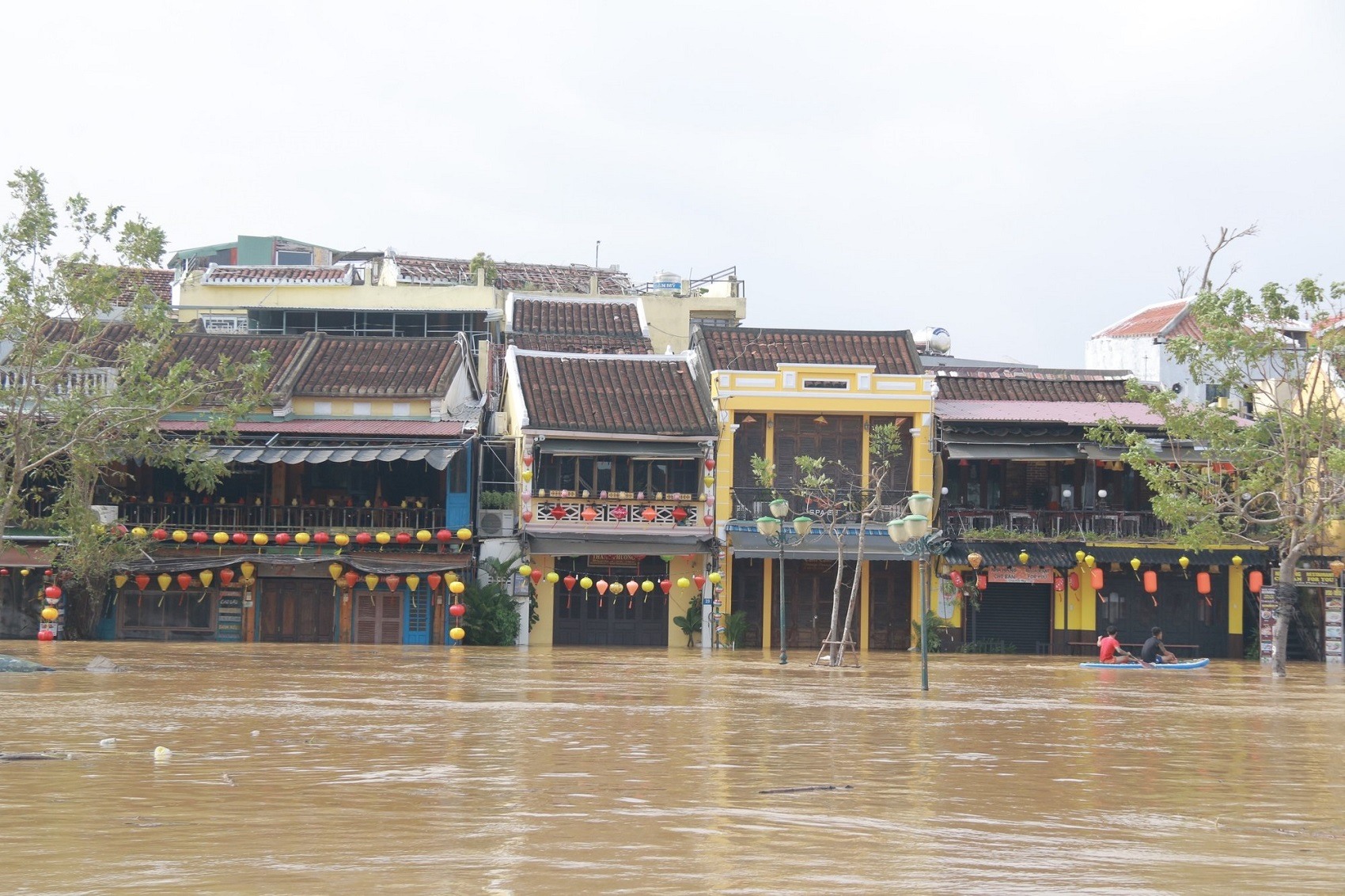
The typhoon season in Vietnam typically begins in June and lasts until late November, occasionally extending into early December. On average, the country experiences about five to six typhoons and two to three tropical depressions each year.
The most active period tends to be from August through October, when storms are more frequent and often stronger. While storms are less common between January and May, the northern region is more likely to be affected from June to August. From September to November, central and southern Vietnam face a higher chance of typhoons making landfall.
Read more: Rainy season in Vietnam: Key points to know before starting your trip
2. Is it dangerous to travel to Vietnam during typhoon season?
Traveling in Vietnam during typhoon season does come with risks. When a storm makes landfall, it can bring strong winds, heavy rainfall, flooding, and landslides that damage infrastructure, affect water quality, and disrupt daily life.
These events often lead to power outages, road closures, and delays in transportation, which can directly impact travel plans. In the longer term, typhoons also create economic losses and environmental challenges.
That said, Vietnam has safety measures in place to protect both residents and visitors. Local authorities closely monitor weather forecasts and issue timely warnings, while hotels and tour operators are prepared with contingency plans to ensure the safety of their guests.
Travelers are advised to stay informed, follow official guidance, and adjust itineraries if needed to avoid high-risk areas during typhoon months in Vietnam.
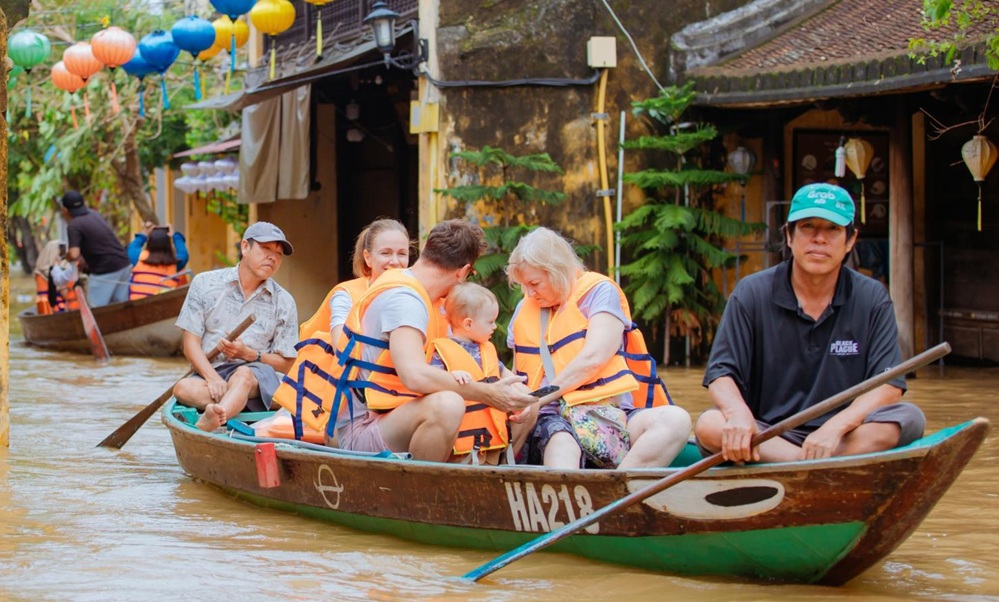
You need to be careful if you want to travel during the typhoon season in Vietnam (Source: Collected)
Explore: Climate in Vietnam: Key points to know before starting your trip
Best-selling products
![[02 Day Combo] - Admission to VinWonders + Vinpearl Safari Phu Quoc | Gifts: Meal Voucher + Teddy Bear Museum](http://booking-static.vinpearl.com/tours/877d8a3289a246d18f95aa5cc414f6d6_27be58d21e244664bf34d11d72e77860_Castle_vinwonders-phu-quoc-ve-vao-cua_vinwonders-phu-quoc-ve-vao-cua.jpg)
![[Hoi An Passport] VinWonders Ticket + Buggy + Hoi An Coconut Forest Boat](http://booking-static.vinpearl.com/tours/9a5a9b25d51e4308be89afd9a4ce0e4a_1%20(2)_vinwonders-nam-hoi-an-ve-vao-cua.jpg)
![[Nha Trang Passport] - [Half-Day] - Cable Car + Aquafield Sauna (2 hours) + Tata Show](http://booking-static.vinpearl.com/tours/91c34711df754e76b66d3ff6d3436e26_34d71a9c3e6b4b7484f9d7cbbc935c26_200dd4dda03e45e0a1add52e4acc11fa_NHT_1796_ve-xem-tata-show-vinwonders-nha-trang_ve-xem-tata-show-vinwonders-nha-trang.jpg)
![[VinWonders Cua Hoi] - Indoor Games Area](http://booking-static.vinpearl.com/tours/aa8379d6db3a4f5c9df6d78d53177c35_11-E-Ticket-Vinwonder-Cua-Hoi_23072024111407_vinwonders-nam-hoi-an-ve-vao-cua.jpg)
![[VinWonders Nha Trang] - Standard Admission Ticket to VinWonders | Free F&B Voucher](http://booking-static.vinpearl.com/tours/ef49c187eadf4177b425d2bb85a18b30_200dd4dda03e45e0a1add52e4acc11fa_NHT_1796_ve-xem-tata-show-vinwonders-nha-trang.jpg)
![[Vinpearl Harbour] - Happy Hour Combo: Round-trip Cable Car + Dinner Buffet + Tata Show](http://booking-static.vinpearl.com/tours/a869acdae59e4137855742de1cbbb1af__KAH2165_vinpearl-harbour-combo-happy-hour.jpg)
![[Grand World Phu Quoc] [Ultimate Combo] - Water Taxi + Teddy Bear Museum + Grand Show](http://booking-static.vinpearl.com/tours/6cee2bcb52a447009f64771095d03c9e_Screenshot%202024-10-22%20at%2014.49.18_ve-bao-tang-gau-teddy-bear.png)
![[VinWonders Nha Trang] - 01-day Unlimited Admission Ticket | Free F&B Voucher](http://booking-static.vinpearl.com/tours/ccf23087ea0f419980c411d0e79c10fb_88c594a8352d49e7b031b9fbd5c5d27f_tro-choi-mao-hiem-o-vinpearl-nha-trang-thumb-1_vinwonders-nha-trang-khong-gioi-han-2-ngay_vinwonders-nam-hoi-an-ve-vao-cua.jpg)
![[VinWonders Nha Trang] - Admission to VinWonders after 4:00 PM](http://booking-static.vinpearl.com/tours/de2da6d471b34297ab13cb26ef2da9a0_Hinh-anh-VinWonders-Nha-Trang-The-World-Garden-Lau-vong-canh-3x2-so-1_vinwonders-nha-trang-ve-vao-cua-sau-16h.jpg)
![[Vinpearl Aquarium Times City] Entrance Ticket](http://booking-static.vinpearl.com/tours/8702a10bf2934d6299df65669a290679_aquarium%20times%20city%203_thuy-cung-vinpearl-aquarium-times-city.jpg)
![[VinWonders Cua Hoi] Combo Entrance Ticket | Includes Cable Car + Games Area (excluding Gokart and Indoor Games)](http://booking-static.vinpearl.com/tours/d5af0cb7759d48a7a2b991c8de1e19a0_Hinh-anh-VinWonders-Nam-Hoi-An-Noi-bat-3x2-so-3%20(1)_vinwonders-nam-hoi-an-ve-vao-cua.jpg)
![[Zoo Tram Combo] - Admission to Vinpearl Safari Phu Quoc + Zoo Tram](http://booking-static.vinpearl.com/tours/91af11bafaf549649cb13be8151df18e_uu-dai-vinpearl-safari-phu-quoc-1_1711097070_ve-combo-tinh-hoa-viet-nam-va-bao-tang-gau.jpg)
![[VinWonders Vu Yen] - Admission Ticket to Games after 5 PM](http://booking-static.vinpearl.com/tours/edbd3eb4bc9848aead9940e0f5aa050d_fa21c62dfa9644ada0c3fce89b3e79ff_DO__8711_vinwonders-vu-yen-vuon-thu-khu-tro-choi-sau-17h.jpg)
![[Aquafield] - [Female] - 4-hour Korean Sauna](http://booking-static.vinpearl.com/tours/0e6fe24c37b84cb799b94dae70578054_aqf-suong-may-2048x1365_aquafield-nha-trang-xong-hoi-chuan-han.jpg)
![[VinWonders Nam Hoi An] - Standard Admission Ticket](http://booking-static.vinpearl.com/tours/81813f8ced2c466e82ad53f1c29c1904_tour-kham-pha-van-hoa-viet-vinwonders-nam-hoi-an-668ca102bcc29_vinwonders-nam-hoi-an-ve-vao-cua.jpg)
![[VinWonders Phu Quoc] - Standard Entrance Ticket](http://booking-static.vinpearl.com/tours/0dd25afc61ad45d48486bbd3b9c8a96a_tieu%20chuan%201_vinwonders-phu-quoc-ve-vao-cua.jpg)
![[VinGroup Employees] Standard Admission Ticket to Ocean Park 3 Water Park](http://booking-static.vinpearl.com/tours/f949b31af919495c9b4e111237642763_358600999_111579731994757_433244877993048710_n_vinwonders-ha-noi.jpg)
![[Buy 2 Get 1] – Combo of 2 Entrance Tickets & Buggy + FREE Kids Combo](http://booking-static.vinpearl.com/tours/5d3ee19e977446be8917a34697bb9443_ece6e58a02fd48de9eba9d3f4689f77a_Hinh-anh-VinWonders-Nam-Hoi-An-River-Safari-3x2-so-1%20(1)_vinwonders-nam-hoi-an-ve-vao-cua_vinwonders-nam-hoi-an-ve-vao-cua.jpg)
![[Vinpearl Safari Phu Quoc] - Standard Entrance Ticket + Meal voucher gift](http://booking-static.vinpearl.com/tours/ceb77f9174d845ebb2fd3dfe2b846066_3%20copy_vinwonders-nam-hoi-an-ve-vao-cua.jpg)
![[50% Student Discount] – VinWonders Admission Ticket](http://booking-static.vinpearl.com/tours/43126c168bb04853bf7c93e197db724a_Banner%201200x628_vinwonders-nha-trang-ve-vao-cua-2-chieu.jpg)
![[Grand World] Skydrop ticket](http://booking-static.vinpearl.com/tours/ed7c962747be42458f35c7b18340b901_A2-4-jpeg-2640-1687438608_grandworld.jpg)
![[01 Day Combo] - Admission to VinWonders + Vinpearl Safari Phu Quoc](http://booking-static.vinpearl.com/tours/65ba6f5d4c5d423791dc1b90555959d9_CB1D%200_Combo-ve-vao-cua-vinwonders-safari.jpg)
![[Grand Park] Tropical Island Water Park Entrance Ticket](http://booking-static.vinpearl.com/tours/eeb9a602315342ccbc7965b29cfb0db0_Ảnh%20màn%20hình%202025-03-03%20lúc%2015.00.17_vinwonders-nam-hoi-an-ve-vao-cua.png)
![[Grand World Phu Quoc] - Water Taxi Boat + Teddy Bear Museum](http://booking-static.vinpearl.com/tours/add2e0908faa4289b555856472b181be_VENICE%20ALL%20IN%20ONE%20KV%20(1)_ve-bao-tang-gau-teddy-bear.jpg)
![[VinWonders Vu Yen] - Admission Ticket to Zoo + Games + Buffet](http://booking-static.vinpearl.com/tours/b2cd8cf6b14c48459b21393e14d73163_vwvy%201_vinwonders-nha-trang-ve-vao-cua-2-chieu.jpg)
![[Hon Tam] - [Zone A&B] - Full island entertainment + Mud Bath Zone A + Lunch](http://booking-static.vinpearl.com/tours/af991883d63f4133b62b76551ba2444d_tam-bun-dao-hon-tam_httpswwwhontammudbathvnwp-contentuploadssites2720190625-3-2200x700jpg.jpg)
![[VinWonders Vu Yen] - [04 Adults] - Admission to Zoo + Games | FREE 01 Limited Tote Bag](http://booking-static.vinpearl.com/tours/34488b227a3648e5b73d4aa6d6d36b46_DO__8153_vinwonders-nha-trang-ve-vao-cua-2-chieu.jpg)
![[Grand World] Carousel Ride](http://booking-static.vinpearl.com/tours/0d6a4bcfc2a54fd4aa9df0b38ae8c7b6_A2-4-jpeg-2640-1687438608_grandworld.jpg)
![[Vinpearl Aquarium Times City] Entrance Ticket](http://booking-static.vinpearl.com/tours/a8f34fa1704a4063b07ee322b81b9aaf_VINKE%20(1)_vinke-ve-vao-cua-truc-tiep.jpg)
![[Aquafield] - [Male] - 4-hour Korean Sauna](http://booking-static.vinpearl.com/tours/94abeb55e3d54efbac23f7a862445389_0d72b531dd6749bbac2874b915ab0512_Screenshot_8_aquafield-nha-trang_aquafield-nha-trang.png)
![[Buggy Combo] - VinWonders Phu Quoc + Buggy + Free Ice Cream](http://booking-static.vinpearl.com/tours/0fc52a574094489da612d0f36bb4b1e6_buggy%20kem_vinwonders-phu-quoc-ve-vao-cua-tet-vi-vu.jpg)
![[Aquafield] - [Male] - 4-hour Korean Sauna](http://booking-static.vinpearl.com/tours/4ae60d29ea264f8fab17beb6b4415502_aqf-da-muoi_aquafield-nha-trang-xong-hoi-chuan-han.jpg)
![[Aquafield] - 2-hour Aquafield Sauna + 30-min Spa](http://booking-static.vinpearl.com/tours/91265fa8abae49cba05dfe912492c85f_c0c6160fbeb345a68fd211aa23a2a43b_VWNT_Tropical%20Paradise5_ve-xem-tata-show-vinwonders-nha-trang_ve-xem-tata-show-vinwonders-nha-trang.jpg)
![[Aquafield Ocean City] [Male] – Standard Jjimjilbang Sauna Ticket](http://booking-static.vinpearl.com/tours/0be276c684454e8d969c373f35f6be97_DSC_2127_11zon_aquafield-nha-trang.jpg)
![[Nam Hoi An Signature] VinWonders Ticket + VIP Safari Package | FREE Merchandise Gift](http://booking-static.vinpearl.com/tours/881ac31c4a2b4687a59f412901e85b2c_VIN2725_-08746%20(2)_vinwonders-nam-hoi-an-ve-vao-cua.jpg)
![[Hon Tam] - [Zone A] - Mud Bath + Lunch Combo](http://booking-static.vinpearl.com/tours/5debd1efb6d34e42a88efa65354c8c72_ebdde60fd9a44539afe75c9338ec8a3d_ảnh%205_tam-bun-hon-tam.jpg)
![[Vinpearl Harbour] - Round-trip Cable Car Ticket](http://booking-static.vinpearl.com/tours/e584c2f486d246c5820a19f519d184a4_VPHB_Photos15_vinwonders-nha-trang-ve-vao-cua-2-chieu.jpg)
![[Romantic Couple Combo] – Standard Jjimjilbang Ticket & Premium Spa Treatment + Complimentary Bingsu](http://booking-static.vinpearl.com/tours/9f599f374c484303bcfce0a220d48d71_065A8403_aquafield-nha-trang.jpg)
![[Aquafield] - [Male] - Round-trip Cable Car + 4-hour Korean Sauna](http://booking-static.vinpearl.com/tours/625529980f3249e6b0491cddfc30db43_297be2477c5847748ef3bc08603ebf90_aqf%204_aquafield-nha-trang.jpg)
![[02 Day Unlimited Access] - VinWonders + Vinpearl Safari Phu Quoc + Teddy Bear Museum](http://booking-static.vinpearl.com/tours/0a8c0679cffa437a8a7fe90deb639382_cb2d%20unlimited%202_Combo-ve-vao-cua-vinwonders-safari.jpg)
![[Vinpearl Harbour] - Tata Show Ticket & Round-trip Cable Car](http://booking-static.vinpearl.com/tours/18dc9f798082474ba26cf00121da6180_Hinh-anh-VinWonders-Nha-Trang-The-World-Garden-Lau-vong-canh-3x2-so-1_ve-xem-tata-show-vinwonders-nha-trang.jpg)
![[Hon Tam] - [Zone A] - Standard Mud Bath](http://booking-static.vinpearl.com/tours/9db66a615a7d4f119316b338afff30cb_tam-bun-dao-hon-tam_httpswwwhontammudbathvnwp-contentuploadssites2720190625-3-2200x700jpg.jpg)
![[Aquafield] - [Female] - Round-trip Cable Car + 4-hour Korean Sauna](http://booking-static.vinpearl.com/tours/c3bae84e472b42078ca3ff6f28d55d80_1c5968412aca409fa8571c88cc85a4ba_aqf%205_aquafield-nha-trang.jpg)
![[Grand Park] Water Park + Dream Garden Outdoor Games Combo](http://booking-static.vinpearl.com/tours/35566b714d4c4dd9802a6bf4650ac2b1_khu-vui-choi-cua-hoi-9_vinwonders-nam-hoi-an-ve-vao-cua.jpg)
![[Nha Trang Passport] – [01 day] – Snorkeling Tour + Lunch & Mud Bath at Hon Tam + Vinpearl Harbour + Tata Show](http://booking-static.vinpearl.com/tours/f6b1826759674c9c9d3f074e03fa04ba_snorkeling%201_vinwonders-nha-trang-ve-vao-cua-2-chieu.jpg)
![[Onsite service] - Premium VIP Zoo Tour Vinpearl Safari Phu Quoc](http://booking-static.vinpearl.com/tours/ff1e4b66ec1b46edad0c0460144e70ad_VINPEARL%20SAFARI%20PHU%20QUOC%20%20(51)_vinwonders-nam-hoi-an-ve-vao-cua.jpg)
![[Aquafield Ocean City] - Body Exfoliation Session](http://booking-static.vinpearl.com/tours/0e8ee4024e1f4378ba932eb06d945636_Screenshot_14_aquafield-nha-trang.png)
![[Grand World Phu Quoc] - Teddy Bear Museum](http://booking-static.vinpearl.com/tours/30da03237e2f42fe818e6686fb350481_teddy%20bear%201_ve-bao-tang-gau-teddy-bear.jpg)
![[Vinpearl Harbour] - Combo for 02 pax: Round-trip cable car + Two-seater Go Kart ride](http://booking-static.vinpearl.com/tours/ab277ed82445448aad2f6b1a0c249e40_Gokart-1_vinpearl-harbour-go-kart-xe-doi.jpeg)
![[Aquafield Ocean City] [Female] – Standard Jjimjilbang Sauna Ticket](http://booking-static.vinpearl.com/tours/4aec5fed6be54fe8a736aca12893384b_40fc72547fe242f8b6bbbbc428885848_065A8735_aquafield-nha-trang_aquafield-nha-trang.jpg)
![[02 Day Combo] - VinWonders + Vinpearl Safari Phu Quoc + Free Teddy Bear Museum](http://booking-static.vinpearl.com/tours/47fc9cc92af24516a32cbfe52e80b977_s52MIKya-SpikeDay-8824_1920x1080_no-text-1_Combo-ve-vao-cua-vinwonders-safari.jpg)
![[Hon Tam] - 15-Minute Snorkeling](http://booking-static.vinpearl.com/tours/56618ea554304747b54636a31d59f9f4_Untitled-design-1_httpswwwhontammudbathvnwp-contentuploadssites2720190625-3-2200x700jpg.jpg)
3. Best places to visit in typhoon season in Vietnam
3.1. Ho Chi Minh City
Southern Vietnam is generally less impacted by storms than the central and northern regions. Ho Chi Minh City is a great destination during Vietnam’s typhoon season. Travelers can explore landmarks like the Independence Palace, the Cu Chi Tunnels, and museums showcasing Vietnam’s history. For nightlife, Bui Vien Street is filled with lively bars, while Nguyen Hue Walking Street is ideal for an evening stroll. During heavy rain, focus on indoor activities like museums, cafes, and restaurants.
Just a short trip away, Vung Tau offers a coastal escape with beaches and fresh seafood. Families and nature lovers can enjoy Grand Park, one of the largest urban parks in Southeast Asia, featuring green spaces, recreational activities, and outdoor fun. On rainy days, consider indoor attractions nearby or plan a relaxing day at a cafe or spa.
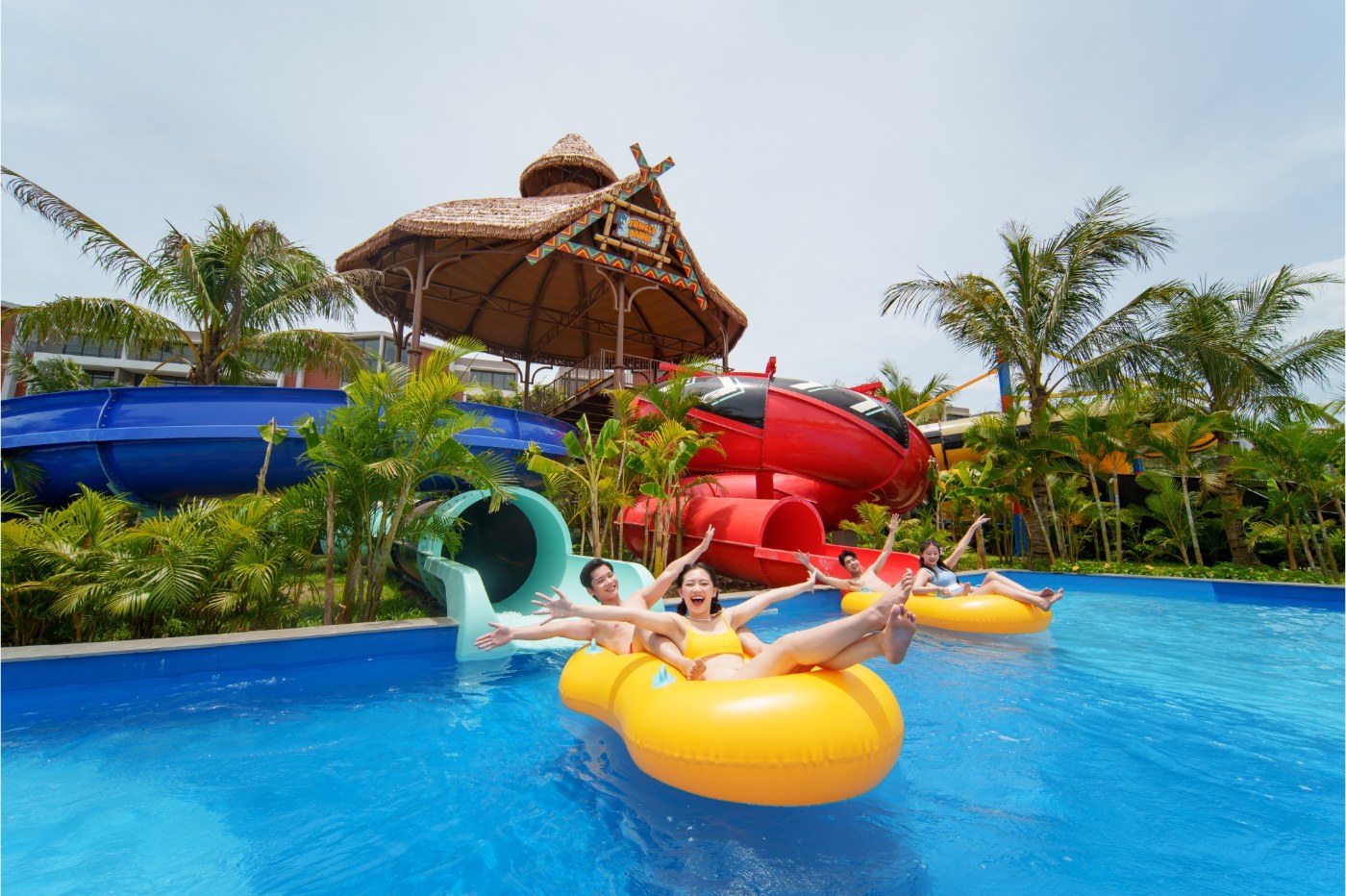
Create cherished memories with your loved ones at Grand Park
3.2. Phu Quoc Island
Phu Quoc Island is another excellent choice during the storm season in Vietnam, thanks to its calmer weather and wide range of attractions. The island is famous for its pristine beaches, including Bai Khem Beach, Sao Beach, and Bai Dai Beach, each offering soft white sand and clear turquoise water. For those who enjoy exploring, nearby islands such as Fingernail Island and Gham Ghi Island are perfect for snorkeling, diving, and boat trips.
Families and adventure seekers will love the entertainment at VinWonders Phu Quoc, while animal lovers can visit Vinpearl Safari Phu Quoc to see wildlife up close. In the evening, Grand World Phu Quoc offers shopping, dining, and vibrant nightlife.
To make the most of your stay, consider booking accommodation at Vinpearl Phu Quoc, which provides comfort, convenience, and easy access to the island’s best attractions.

Go on thrilling rides at VinWonders Phu Quoc
Book VinWonders Phu Quoc ticket now
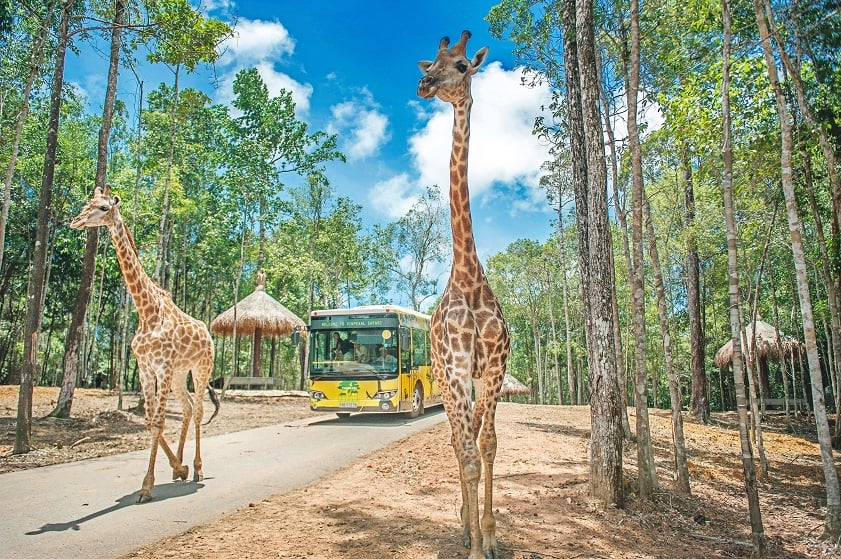
Take photos with adorable animals at Vinpearl Safari Phu Quoc
Book tickets of Vinpearl Safari Phu Quoc
3.3. Can Tho
Can Tho is the heart of the Mekong Delta and a wonderful destination to explore during typhoon season. The city is best known for the Cai Rang Floating Market, where boats loaded with fresh produce create a lively scene on the river at sunrise.
Visitors can also stroll along Ninh Kieu Wharf, a popular riverside spot with restaurants, cafes, and evening boat cruises. For history and culture, the Military Zone 9 Museum and the Canton Assembly Hall of Can Tho offer insights into the city’s heritage.
Nature lovers will enjoy a trip to Con Son, a peaceful island known for homestays and ecotourism, as well as the famous Can Tho fruit gardens, where travelers can taste tropical fruits right from the orchard.
3.4. An Giang
Located in the Mekong Delta, An Giang is a peaceful province that offers both natural beauty and cultural depth, making it a great option during typhoon season.
One of the highlights is the Tra Su Cajuput Forest, where visitors can take a boat ride through green waterways surrounded by lush trees and birdlife. In Chau Doc, travelers can explore spiritual sites such as the Ba Chua Xu Temple and Hang Pagoda, which are important pilgrimage destinations for locals.
You also should not miss out on Phu Quoc Island, famous for its white sandy beaches, clear waters, and vibrant night markets. The mainland of Kien Giang, now part of An Giang, features picturesque rural landscapes, historic sites like the Nam Du Archipelago, and local floating markets that capture the essence of Mekong Delta life. An Giang is ideal for those who want to combine nature exploration with cultural and religious experiences.
4. Tips for traveling to Vietnam during typhoon season
4.1. Packing tips
Here are some essentials to bring during Vietnam’s typhoon season:
- Lightweight raincoat or waterproof jacket to stay dry during sudden downpours
- Quick-dry clothing that is comfortable and practical in humid weather
- Waterproof shoes or sandals to handle wet streets and muddy paths
- Dry bags or waterproof covers to protect phones, cameras, and electronics
- Basic medicines and a small first aid kit in case of minor illnesses or injuries
- Insect repellent to avoid mosquito bites, especially after heavy rains
- Portable power bank to keep devices charged during power outages

Pack carefully when traveling during the typhoon season in Vietnam (Source: Collected)
4.2. Safety tips
Traveling during the typhoon season in Vietnam is possible if you stay cautious and prepare well. By keeping these safety tips in mind, you can reduce risks and enjoy your trip more confidently:
- Stay updated on weather forecasts. Check weather apps or local news regularly so you know when storms are approaching.
- Choose your destination wisely. Pick areas in southern Vietnam that are less affected by typhoons, and avoid coastal or mountainous regions during peak storm months.
- Book travel flexibly. Use hotels, flights, and tours that allow free cancellation or easy rescheduling in case plans need to change.
- Have a backup plan. Keep alternate routes or destinations in mind so you can adjust quickly if a storm disrupts your trip.
- Follow local authorities’ guidance. Always listen to official warnings and evacuation orders to stay safe.
- Avoid high-risk activities. Do not go to the beach, hike in the mountains, or do water sports during storms.
- Use local services when possible. Tour providers and local guides know real-time conditions and can help adjust plans safely.
Explore: Best time to visit Vietnam: Pick the right time to schedule your vacation
FAQs about typhoon season in Vietnam
Does Vietnam get hurricanes?
Vietnam does not get hurricanes, but it does experience typhoons, which are the same type of tropical cyclone but named differently in the Pacific region. These storms bring strong winds, heavy rain, and flooding.
What are typhoon months in Vietnam?
Vietnam’s typhoon season usually runs from June to November, sometimes stretching into early December. The peak months with the most storms are August, September, and October.
Which regions are affected by typhoons in Vietnam?
Northern Vietnam, especially Quang Ninh and Hai Phong, often faces storms from June to August. Central Vietnam, from Thanh Hoa down to Lam Dong, is most at risk between September and November.
When is typhoon season in Central Vietnam?
Central Vietnam is most affected by typhoons from September through November, when storms are stronger and more frequent.
Is typhoon season a good time to visit Vietnam?
While storms can disrupt travel, visiting during typhoon season also has advantages. Popular sites are less crowded, prices are often lower, and travelers can enjoy unique experiences like watching dramatic skies, exploring lush landscapes after the rain, and enjoying the cozy local atmosphere.
Typhoon season in Vietnam does not have to stop you from exploring the country. By knowing when storms are most likely, choosing safer destinations, and following simple safety tips, you can still enjoy a rewarding trip. With some planning and flexibility, Vietnam’s culture, food, and natural beauty remain unforgettable experiences, even in the rainy months.
Best-selling products





![[Mega Sale 12.12] Get up to 50% off VinWonders on Double Day](https://static.vinwonders.com/production/2025/11/DD-111125-1920-x-920-336x161.jpg)


