en
en


 Tiếng Việt
  中文 (中国)
  한국어
한국어  Русский


 08/12/2025
 1.944 views
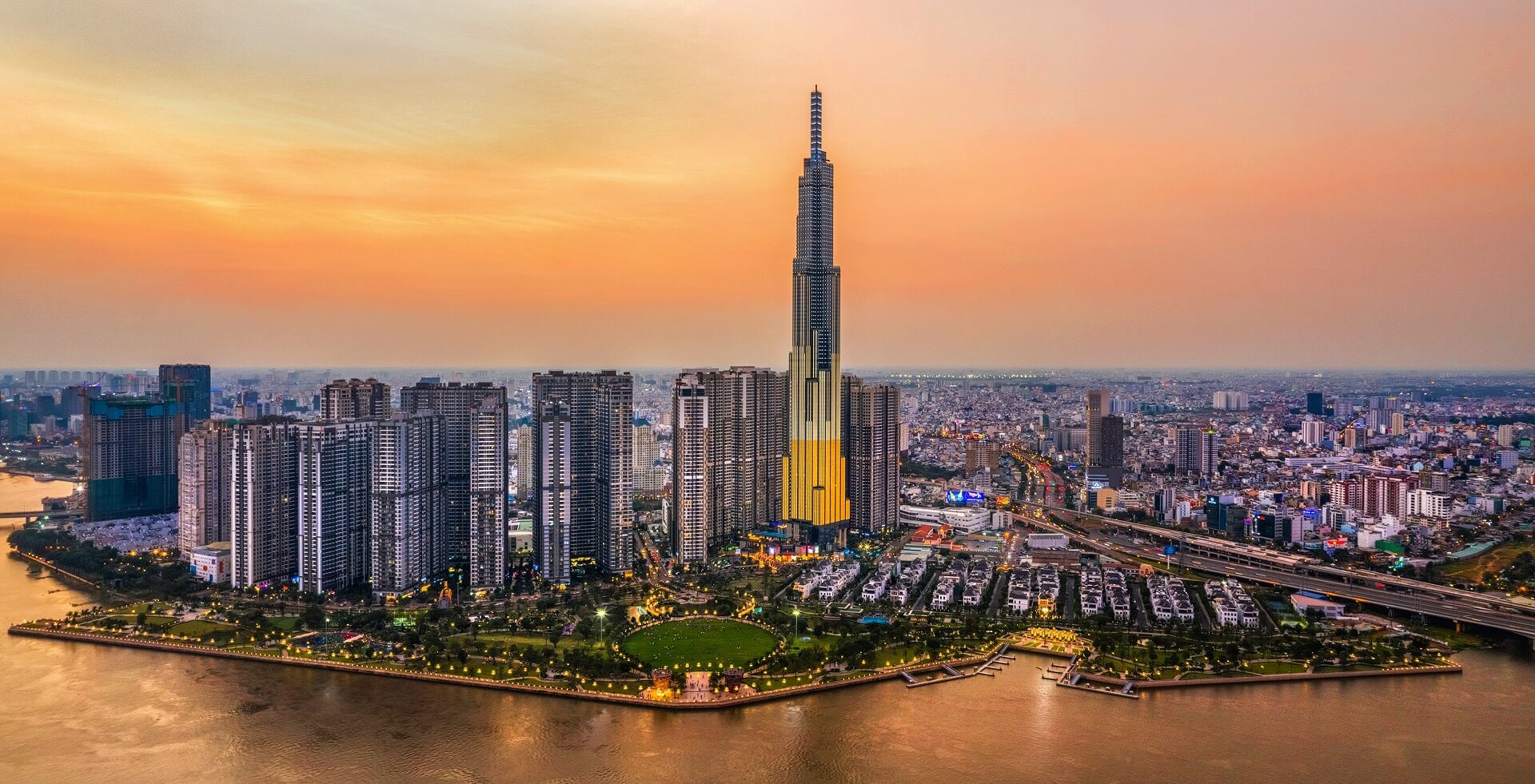
The meaning of Saigon is unknown to many (Source: Collected)
1. When did the name “Saigon” first appear?
The meaning of Saigon has intrigued many for years. According to Nguyen Dinh Dau in Vietnamese Historical and Geographical Notes (Volume 3, Youth Publishing House), Saigon was named very early on, likely as soon as Vietnamese settlers came to this land in the late 16th or early 17th century.
He revealed, “The earliest records we have of the name Saigon come from Le Quy Don’s work (Phu Bien Tap Luc), which was written in 1776. It describes the events of April 1672, when Commander Nguyen Duong Lam divided his forces into two groups to launch a surprise attack on Go Bich. They cut the rafts and iron chains and advanced straight into Phnom Penh. Nac Dai was killed, and Nac Thu surrendered. By July, the forces withdrew, establishing Nac Thu as the governor of Cao Mien and Nac Non as the governor in Saigon. They paid their tribute annually.”
Nguyen Dinh Dau also explained, “The Nom characters for Saigon were first recorded in 1776. The name has remained unchanged over time.”
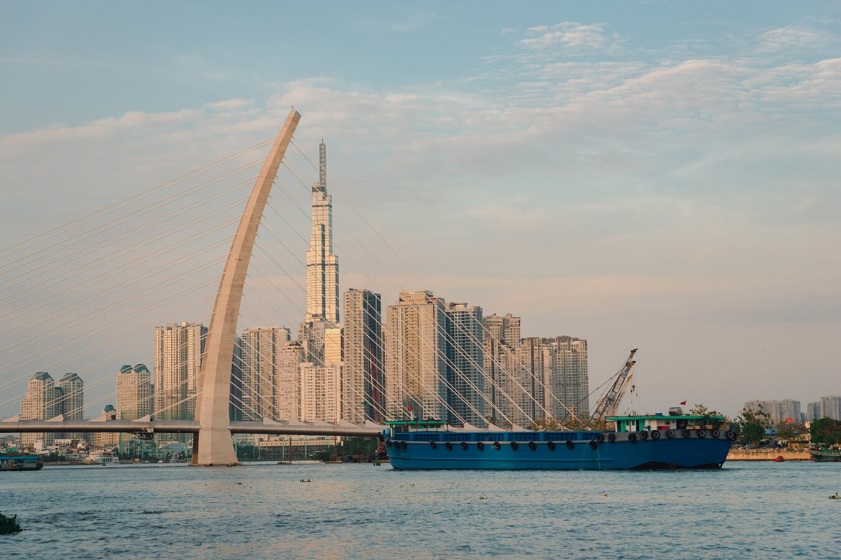
There have been many studies on the Saigon meaning (Source: Collected)
Discover: Where is Ho Chi Minh City? Saigon’s location & fun facts
2. What is the meaning of Saigon’s name?
After over 300 years of development, the meaning of Saigon remains a topic of debate among researchers. Among the many theories proposed, three stand out as the most widely recognized explanations.
2.1. A town in the forest
According to Truong Vinh Ky, the name “Saigon” was transliterated from the Khmer word “Prei Nokor.” “Prei” in Khmer means “forest,” and “Nokor” means “town.” Thus, “Prei Nokor” means “a town in the forest.” Gradually, people mispronounced “Prei” into “Rai,” and then into “Sai.” The word “Nokor” was read as “Kor,” and the word “Kor” became “Gon.”
This hypothesis is based on the idea that Prei Nokor used to be a dense forest with many kapok trees used by the locals as firewood. However, this hypothesis is considered unfounded, because over time, no one has found any traces of a kapok forest in Prei Nokor. It remains just a speculation.
2.2. A prosperous land
According to Vuong Hong Sen, in 1773, the Chinese left Bien Hoa (a city near Saigon) and came to Cho Lon (a neighborhood in Saigon). They realized that this was a prosperous land that needed to be fortified to be truly sustainable. The Chinese built a higher canal bank and called this land “Tai Ngon.” According to Vuong Hong Sen, the name “Saigon” comes from “Tai Ngon.”
However, the work of Le Quy Don in 1776 stated that “In 1674, Nguyen Duong Lam obeyed the order of a Nguyen lord to attack Cambodia and broke the fortifications of Saigon.” This is also the first time the word “Saigon” appeared in Vietnamese documents. This proves that the land had already been named before the time the Chinese arrived in Cho Lon, so Vuong Hong Sen’s hypothesis is not convincing.
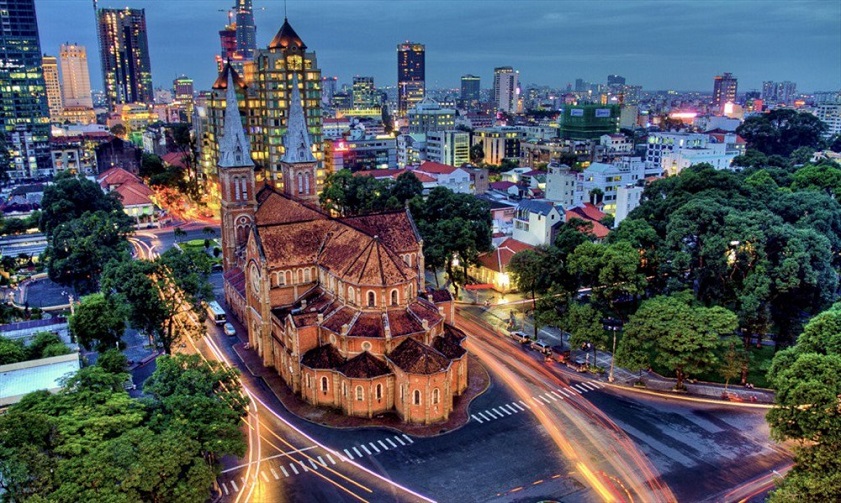
Saigon was once known as the “Pearl of the Far East”(Source: Collected)
2.3. A tribute from the West
Louis Malleret, a French researcher, believed that the name Saigon originated from the Chinese characters 西貢, which is pronounced xī gòng in Mandarin and “Tay Cong” in Sino-Vietnamese – meaning “tribute from the west.” This hypothesis is based on the historical data recorded by Trinh Hoai Duc: when Cambodia was divided into two states, both the governors paid tribute to the Nguyen lords at Prei Nokor.
However, those Chinese characters just serve as a phonetic representation of “Saigon” and do not actually mean “tribute,” as some people mistakenly believe.
Thus, the meaning of Saigon will still be a matter of much debate. This uncertainty further makes Saigon a curious city to be explored.
Best-selling products
![[Grand Park] Fairy Guardian](http://booking-static.vinpearl.com/tours/eeb9a602315342ccbc7965b29cfb0db0_Ảnh%20màn%20hình%202025-03-03%20lúc%2015.00.17_vinwonders-nam-hoi-an-ve-vao-cua.png)
![[VinWonders Nam Hoi An] Direct admission & Buggy Ticket Combo](http://booking-static.vinpearl.com/tours/6c002e3ea71642f38eda8efa8654e5e4_vwnha0_vinwonders-nam-hoi-an-ve-vao-cua.jpg)
![[-50%] [VinWonders Wave Park] Standard Admission Ticket to Wave Park](http://booking-static.vinpearl.com/tours/f949b31af919495c9b4e111237642763_358600999_111579731994757_433244877993048710_n_vinwonders-ha-noi.jpg)
![[Vinpearl Harbour] - Round-trip Cable Car Ticket | Free Wishing Coin Voucher](http://booking-static.vinpearl.com/tours/e584c2f486d246c5820a19f519d184a4_VPHB_Photos15_vinwonders-nha-trang-ve-vao-cua-2-chieu.jpg)
![[VinWonders Nam Hoi An] - Standard Admission Ticket](http://booking-static.vinpearl.com/tours/81813f8ced2c466e82ad53f1c29c1904_tour-kham-pha-van-hoa-viet-vinwonders-nam-hoi-an-668ca102bcc29_vinwonders-nam-hoi-an-ve-vao-cua.jpg)
![[02 Day Unlimited Access] - VinWonders + Vinpearl Safari Phu Quoc + Teddy Bear Museum](http://booking-static.vinpearl.com/tours/877d8a3289a246d18f95aa5cc414f6d6_27be58d21e244664bf34d11d72e77860_Castle_vinwonders-phu-quoc-ve-vao-cua_vinwonders-phu-quoc-ve-vao-cua.jpg)
![[VinWonders Nha Trang] - VinWonders Admission + Buggy Ride | FREE Ice cream](http://booking-static.vinpearl.com/tours/d1425f018b3e4d2d833374b5b52d8bb9_Hinh-anh-VinWonders-Nha-Trang-The-World-Garden-Lau-vong-canh-3x2-so-1_vinwonders-nha-trang-ve-vao-cua-sau-16h.jpg)
![[VinWonders Cua Hoi] - Indoor Games Zone](http://booking-static.vinpearl.com/tours/b952de18058e4a67a8ffa52f2039e7d2_1920-x-1080-double%20day%20sale%2077%20no%20text_vinwonders-nam-hoi-an-ve-vao-cua.jpg)
![[VinWonders Cua Hoi] - Individual game tickets (excluding GoKart and Fair) *](http://booking-static.vinpearl.com/tours/aa8379d6db3a4f5c9df6d78d53177c35_11-E-Ticket-Vinwonder-Cua-Hoi_23072024111407_vinwonders-nam-hoi-an-ve-vao-cua.jpg)
![[Grand World] Carousel Ride](http://booking-static.vinpearl.com/tours/0d6a4bcfc2a54fd4aa9df0b38ae8c7b6_A2-4-jpeg-2640-1687438608_grandworld.jpg)
![[Buggy Combo] - VinWonders Phu Quoc + Buggy + Free Ice Cream](http://booking-static.vinpearl.com/tours/0fc52a574094489da612d0f36bb4b1e6_buggy%20kem_vinwonders-phu-quoc-ve-vao-cua-tet-vi-vu.jpg)
![[Aquafield] - [Female] - Round-trip Cable Car + 4-hour Korean Sauna](http://booking-static.vinpearl.com/tours/c3bae84e472b42078ca3ff6f28d55d80_1c5968412aca409fa8571c88cc85a4ba_aqf%205_aquafield-nha-trang.jpg)
![[Romantic Couple Combo] – Standard Jjimjilbang Ticket & Premium Spa Treatment + Complimentary Bingsu](http://booking-static.vinpearl.com/tours/94abeb55e3d54efbac23f7a862445389_0d72b531dd6749bbac2874b915ab0512_Screenshot_8_aquafield-nha-trang_aquafield-nha-trang.png)
![[-10%] - VIP River Safari Ticket*](http://booking-static.vinpearl.com/tours/5d3ee19e977446be8917a34697bb9443_ece6e58a02fd48de9eba9d3f4689f77a_Hinh-anh-VinWonders-Nam-Hoi-An-River-Safari-3x2-so-1%20(1)_vinwonders-nam-hoi-an-ve-vao-cua_vinwonders-nam-hoi-an-ve-vao-cua.jpg)
![[01 Day Combo] - Admission to Vinpearl Safari + VinWonders Phu Quoc](http://booking-static.vinpearl.com/tours/ceb77f9174d845ebb2fd3dfe2b846066_3%20copy_vinwonders-nam-hoi-an-ve-vao-cua.jpg)
![[Onsite service] - Premium VIP Zoo Tour Vinpearl Safari Phu Quoc](http://booking-static.vinpearl.com/tours/ff1e4b66ec1b46edad0c0460144e70ad_VINPEARL%20SAFARI%20PHU%20QUOC%20%20(51)_vinwonders-nam-hoi-an-ve-vao-cua.jpg)
![[-10%] [Times City Hanoi] - Combo Aquarium Admission Ticket + F&B Set](http://booking-static.vinpearl.com/tours/e7fcffc8256546e8bdcfd5ccfbe69783_VINKE2%20(1)_vinke-ve-vao-cua-truc-tiep.jpg)
![[Hon Tam] - [Zone A&B] - Full island entertainment + Mud Bath Zone A + Lunch](http://booking-static.vinpearl.com/tours/af991883d63f4133b62b76551ba2444d_tam-bun-dao-hon-tam_httpswwwhontammudbathvnwp-contentuploadssites2720190625-3-2200x700jpg.jpg)
![[Grand World] Skydrop ticket](http://booking-static.vinpearl.com/tours/ed7c962747be42458f35c7b18340b901_A2-4-jpeg-2640-1687438608_grandworld.jpg)
![[VinWonders Phu Quoc] - Standard Entrance Ticket](http://booking-static.vinpearl.com/tours/0dd25afc61ad45d48486bbd3b9c8a96a_tieu%20chuan%201_vinwonders-phu-quoc-ve-vao-cua.jpg)
![[Aquafield] - [Male] - 4-hour Korean Sauna](http://booking-static.vinpearl.com/tours/4ae60d29ea264f8fab17beb6b4415502_aqf-da-muoi_aquafield-nha-trang-xong-hoi-chuan-han.jpg)
![[Vinpearl Harbour] - Tata Show Ticket & Round-trip Cable Car](http://booking-static.vinpearl.com/tours/3cbd16b8edc74f6abc7f7cfa0e91caec_VPHB_Photos15_vinwonders-nha-trang-ve-vao-cua-2-chieu.jpg)
![[VinWonders Phu Quoc] - Game Fastpass - Top 04 Rides](http://booking-static.vinpearl.com/tours/574c2b7798524c17a08f28feb80d45b5_fastpass%204%20games%20vwpq_vinwonders-phu-quoc-fastpass.jpg)
![[Grand World Phu Quoc] - The Quintessence of Vietnam Show](http://booking-static.vinpearl.com/tours/f88e2be1139b4eada4043eb7f0e39362_THVN1_show-tinh-hoa-viet-nam.jpg)
![[Vinpearl Harbour] - Admission to VinWonders (after 4:00PM) & Round trip cable car](http://booking-static.vinpearl.com/tours/4b2d76bbde1f4c54a43370680d311928_Hinh-anh-VinWonders-Nha-Trang-The-World-Garden-Lau-vong-canh-3x2-so-1_vinwonders-nha-trang-ve-vao-cua-sau-16h.jpg)
![[VinWonders Cua Hoi] - Cable Car + Games on the Island](http://booking-static.vinpearl.com/tours/63c924f8521a4af981666076c5c3b0fe_VinWonders%20Cua%20Hoi%20Summer%20Say%20Hi%20Banner%201920x920px_vinwonders-nam-hoi-an-ve-vao-cua.jpg)
![[Grand Park] Dream Garden Outdoor Games Pass](http://booking-static.vinpearl.com/tours/35566b714d4c4dd9802a6bf4650ac2b1_khu-vui-choi-cua-hoi-9_vinwonders-nam-hoi-an-ve-vao-cua.jpg)
![[VinWonders Nha Trang] - Admission to VinWonders after 4:00 PM](http://booking-static.vinpearl.com/tours/de2da6d471b34297ab13cb26ef2da9a0_Hinh-anh-VinWonders-Nha-Trang-The-World-Garden-Lau-vong-canh-3x2-so-1_vinwonders-nha-trang-ve-vao-cua-sau-16h.jpg)
![[Grand World Phu Quoc] - Venice Water Taxi Ticket](http://booking-static.vinpearl.com/tours/6cee2bcb52a447009f64771095d03c9e_Screenshot%202024-10-22%20at%2014.49.18_ve-bao-tang-gau-teddy-bear.png)
![[VinWonders Vu Yen] - Admission Ticket to Zoo + Games + Buffet](http://booking-static.vinpearl.com/tours/b2cd8cf6b14c48459b21393e14d73163_vwvy%201_vinwonders-nha-trang-ve-vao-cua-2-chieu.jpg)
![[Aquafield] - 2-hour Aquafield Sauna + 30-min Spa](http://booking-static.vinpearl.com/tours/b0bf65880af449f39ea19fa0acbb94d5_34d71a9c3e6b4b7484f9d7cbbc935c26_200dd4dda03e45e0a1add52e4acc11fa_NHT_1796_ve-xem-tata-show-vinwonders-nha-trang_ve-xem-tata-show-vinwonders-nha-trang.jpg)
![[50% Student Discount] – VinWonders Admission Ticket](http://booking-static.vinpearl.com/tours/43126c168bb04853bf7c93e197db724a_Banner%201200x628_vinwonders-nha-trang-ve-vao-cua-2-chieu.jpg)
![[VinWonders Vu Yen] - [04 Adults] - Admission to Zoo + Games + Free Tote Bag](http://booking-static.vinpearl.com/tours/34488b227a3648e5b73d4aa6d6d36b46_DO__8153_vinwonders-nha-trang-ve-vao-cua-2-chieu.jpg)
![[Aquafield] - Round-trip Cable Car + Korean Sauna + Body Scrub](http://booking-static.vinpearl.com/tours/d00bc95eb402434c8f4a4756c2a3ad3d_Akoya-spa-Villa-Vinpearl-Resort-Spa-Phu-Quoc-12_aquafield-nha-trang.jpg)
![[Aquafield] - [Male] - Round-trip Cable Car + 4-hour Korean Sauna](http://booking-static.vinpearl.com/tours/625529980f3249e6b0491cddfc30db43_297be2477c5847748ef3bc08603ebf90_aqf%204_aquafield-nha-trang.jpg)
![[VinWonders Nha Trang] - 01-day Unlimited Admission Ticket | Free F&B Voucher](http://booking-static.vinpearl.com/tours/ccf23087ea0f419980c411d0e79c10fb_88c594a8352d49e7b031b9fbd5c5d27f_tro-choi-mao-hiem-o-vinpearl-nha-trang-thumb-1_vinwonders-nha-trang-khong-gioi-han-2-ngay_vinwonders-nam-hoi-an-ve-vao-cua.jpg)
![[Nha Trang Passport] – [01 day] – Snorkeling Tour + Lunch & Mud Bath at Hon Tam + Vinpearl Harbour + Tata Show](http://booking-static.vinpearl.com/tours/f6b1826759674c9c9d3f074e03fa04ba_snorkeling%201_vinwonders-nha-trang-ve-vao-cua-2-chieu.jpg)
![[Nha Trang Passport] - [Half-Day] - Cable Car + Aquafield Sauna (2 hours) + Tata Show](http://booking-static.vinpearl.com/tours/ef49c187eadf4177b425d2bb85a18b30_200dd4dda03e45e0a1add52e4acc11fa_NHT_1796_ve-xem-tata-show-vinwonders-nha-trang.jpg)
![[Grand World Phu Quoc] [Ultimate Combo] - Water Taxi + Teddy Bear Museum + Grand Show](http://booking-static.vinpearl.com/tours/e31a9e66b5444808bba3e3114d195559_VENICE%20ALL%20IN%20ONE%20KV%20(1)_ve-bao-tang-gau-teddy-bear.jpg)
![[Nam Hoi An Signature] VinWonders Ticket + VIP Safari Package | FREE Merchandise Gift](http://booking-static.vinpearl.com/tours/881ac31c4a2b4687a59f412901e85b2c_VIN2725_-08746%20(2)_vinwonders-nam-hoi-an-ve-vao-cua.jpg)
![[VinWonders Nam Hoi An] [Sunset Premium] Admission Ticket & Buggy Ride & VIP Safari Package & Afternoon Tea Set](http://booking-static.vinpearl.com/tours/3a1e510945b4421d861fede29a1b3e58_xE3mXzIVwTdZRf7M8zZfHqHIPqV17uyEOzL8PaUQ_vinwonders-nam-hoi-an-ve-vao-cua.jpg)
![[Aquafield Ocean City] [Male] – Standard Jjimjilbang Sauna Ticket](http://booking-static.vinpearl.com/tours/0be276c684454e8d969c373f35f6be97_DSC_2127_11zon_aquafield-nha-trang.jpg)
![[Aquafield Ocean City] [Male] – VIP Membership (12 Months)](http://booking-static.vinpearl.com/tours/6ab10678fcbd4822a8fddb0590d3bcbf_0d72b531dd6749bbac2874b915ab0512_Screenshot_8_aquafield-nha-trang_aquafield-nha-trang.png)
![[Aquafield Ocean City] – VIP Membership (12 Months)](http://booking-static.vinpearl.com/tours/3c2f7ab0ed374cb1bbdb2e54e6d6eb9a_e1f2756dfec346f3bb3b16e296b3b166_Screenshot_5_aquafield-nha-trang_aquafield-nha-trang.png)
![[VinWonders Phu Quoc] - Entrance Ticket + Gate Fastpass + Buggy](http://booking-static.vinpearl.com/tours/de2a24896b0e49469fa1e89e93aa5314_1920x1080%20VWPQ%20KV_vinwonders-phu-quoc-standard-entrance-ticket.jpg)
![[VinWonders Vu Yen] - Admission Ticket to Games zone (after 5:00 PM)](http://booking-static.vinpearl.com/tours/edbd3eb4bc9848aead9940e0f5aa050d_fa21c62dfa9644ada0c3fce89b3e79ff_DO__8711_vinwonders-vu-yen-vuon-thu-khu-tro-choi-sau-17h.jpg)
![[Grand World Phu Quoc] - Water Taxi Boat + Teddy Bear Museum](http://booking-static.vinpearl.com/tours/add2e0908faa4289b555856472b181be_VENICE%20ALL%20IN%20ONE%20KV%20(1)_ve-bao-tang-gau-teddy-bear.jpg)
![[Vinpearl Aquarium Times City] Entrance Ticket](http://booking-static.vinpearl.com/tours/8702a10bf2934d6299df65669a290679_aquarium%20times%20city%203_thuy-cung-vinpearl-aquarium-times-city.jpg)
![[Aquafield] - [Female] - 4-hour Korean Sauna](http://booking-static.vinpearl.com/tours/0e6fe24c37b84cb799b94dae70578054_aqf-suong-may-2048x1365_aquafield-nha-trang-xong-hoi-chuan-han.jpg)
![[Hon Tam] - [Zone A] - Standard Mud Bath](http://booking-static.vinpearl.com/tours/9db66a615a7d4f119316b338afff30cb_tam-bun-dao-hon-tam_httpswwwhontammudbathvnwp-contentuploadssites2720190625-3-2200x700jpg.jpg)
![[Hon Tam] - [Zone A] - Mud Bath + Lunch Combo](http://booking-static.vinpearl.com/tours/5debd1efb6d34e42a88efa65354c8c72_ebdde60fd9a44539afe75c9338ec8a3d_ảnh%205_tam-bun-hon-tam.jpg)
3. The meaning of the name “Pearl of the Far East” of Saigon
French colonial rule once aimed to turn Saigon into a developed city, the “Pearl of the Far East” – according to them. Starting in 1895, they focused on building sophisticated infrastructure to boost economic growth here. This term highlighted Saigon’s role as an economic hub of Indochina, which could compete with the British-controlled Singapore. During this period, landmarks like Notre Dame Cathedral, Opera House, and Governor’s Palace were built.
4. When was Saigon renamed Ho Chi Minh City?
On July 2, 1976, the first National Assembly of the Socialist Republic of Vietnam decided to rename the city of Saigon-Gia Dinh to Ho Chi Minh City. This change honored the late President Ho Chi Minh and symbolized his legacy of fighting for independence and rebuilding the city after the ravages of war.
Today, Vietnamese people often use both names: Saigon for informal contexts and Ho Chi Minh City for more formal occasions. The city now serves as a key economic center in southern Vietnam and beyond, playing a crucial role in connecting the region to the world.
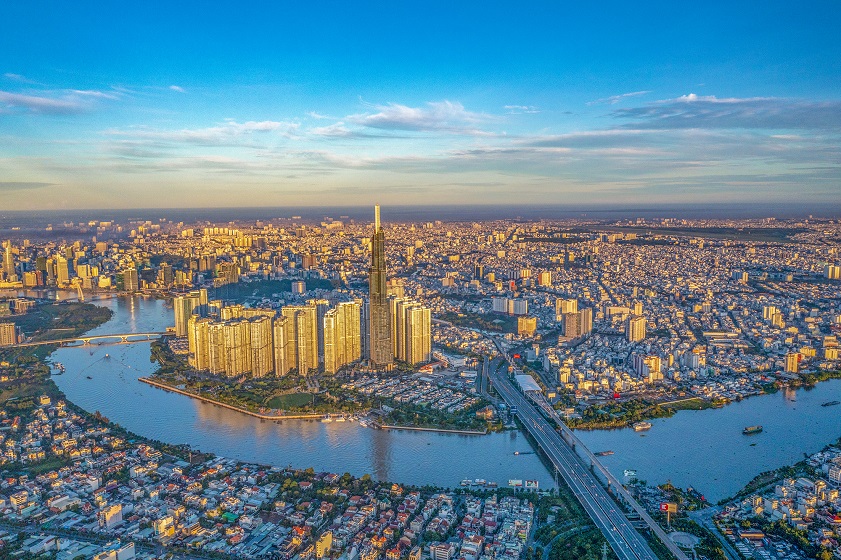
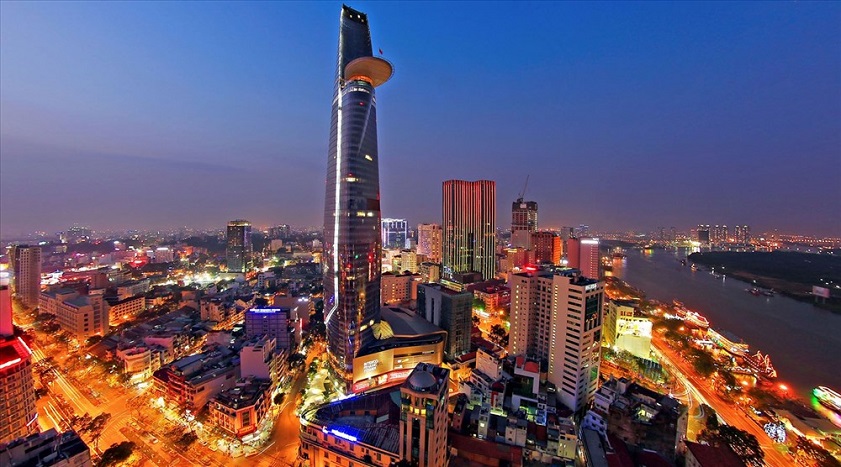
Saigon today, after more than 300 years of development (Source: Collected)
5. Things to know about the meaning of Saigon’s area names
Beyond the name Saigon, exploring the meanings behind the names of the city’s areas offers a deeper understanding of its heritage. These famous attractions are also among the best places to visit in Ho Chi Minh City.
- Cat Lai was originally “Cac Lai,” which literally means “merchants.” True to its name, many merchants frequented this area in the past.
- Da Kao was originally “Dat Ho,” which means “household land.” The French mispronounced it into Da Kao.
- Cha Va is the Vietnamese pronunciation of “Java,” an island in Indonesia. It refers to the Indonesian immigrants who came from Java to live in this area.
- Cau Kho means “storage bridge.” This bridge used to stand near a rice storage of the Nguyen Dynasty in 1805.
- Go Vap used to be a mound once covered with cobra saffron trees, which are known as “kompap trees” in Khmer.
- Thu Thiem is believed to have been named after an official (thu ngu) named “Thiem” who was in charge of this area.
- Hoc Mon was likely an area that had a small creek lined with taro. “Hoc” is an archaic word meaning “stream,” and “Mon” refers to “mon nuoc” – the Vietnamese term of taro.
- Hang Xanh was originally “Hang Sanh,” which literally means “lined with sanh trees.” These trees used to cover the area in the past.
- Cu Chi is the local name for the strychnine tree, which was abundant in this area in the past.
- Cau Bong was originally “Cau Hoa,” which was renamed to avoid sharing the name with the empress. “Bong” in Vietnamese and “Hoa” in Sino-Vietnamese both mean “flower.”
- Can Gio was originally “Kanchoeu,” which means “basket” in Khmer.
- Cho Lon comes from the Khmer term “Srok Phsar Thom.” Both mean “big town.”
- Thi Nghe was the local name of Nguyen Thi Khanh, a famous figure who cleared the land and built bridges to help the area thrive.
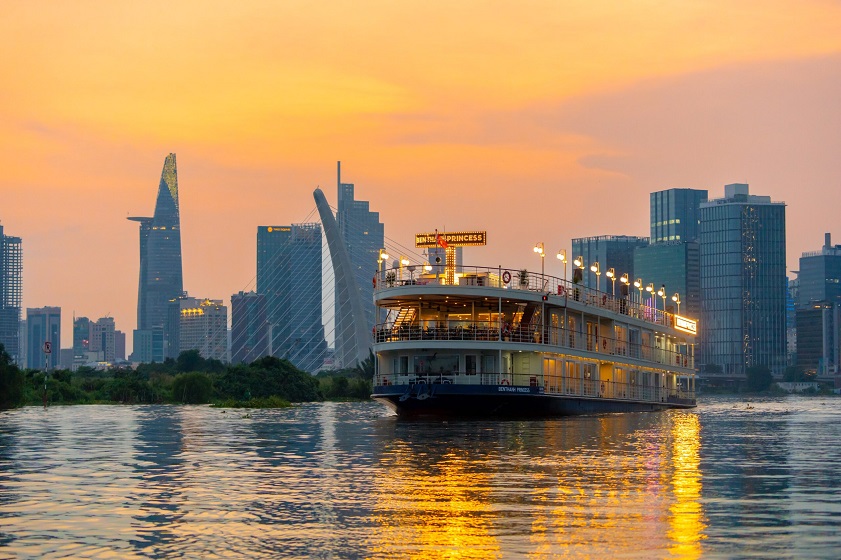
Ho Chi Minh City is a key gateway connecting Vietnam to the world (Source: Collected)
Check out: Map of Ho Chi Minh City’s districts & useful travel tips
Exploring the meaning of Saigon reveals a fascinating journey through history. From early interpretations linked to the local trade to its transformation into a thriving metropolis, Saigon’s name reflects its rich heritage. Today, as Ho Chi Minh City, it embodies a blend of tradition and progress, captivating everyone who delves into its origin and significance.
While you are in Saigon, visitors can enjoy the lively atmosphere at Grand Park, a brand-new entertainment complex in Thu Duc City (now part of Long Binh Ward). At Grand Park, the Tropical Island water park, the Dream Garden amusement park will bring you a wonderful day for relaxation.

Grand Park is the new place for entertainment in Ho Chi Minh City

For an unforgettable Vietnam travel, you should also visit other famous tourist destinations like Hanoi, Ha Long, Hoi An, Nha Trang, and Phu Quoc. Each destination boasts its own stunning scenery and vibrant culture, making them irresistible gems for travelers.
To enhance your trip with a full range of experiences, be sure to visit VinWonders and stay at Vinpearl. VinWonders offers an exhilarating array of entertainment complexes, which provide all sorts of thrilling games and captivating shows for all ages. Meanwhile, the hotels and resorts of Vinpearl bring luxurious accommodations with top-notch amenities, ensuring a memorable stay with comfort and style.
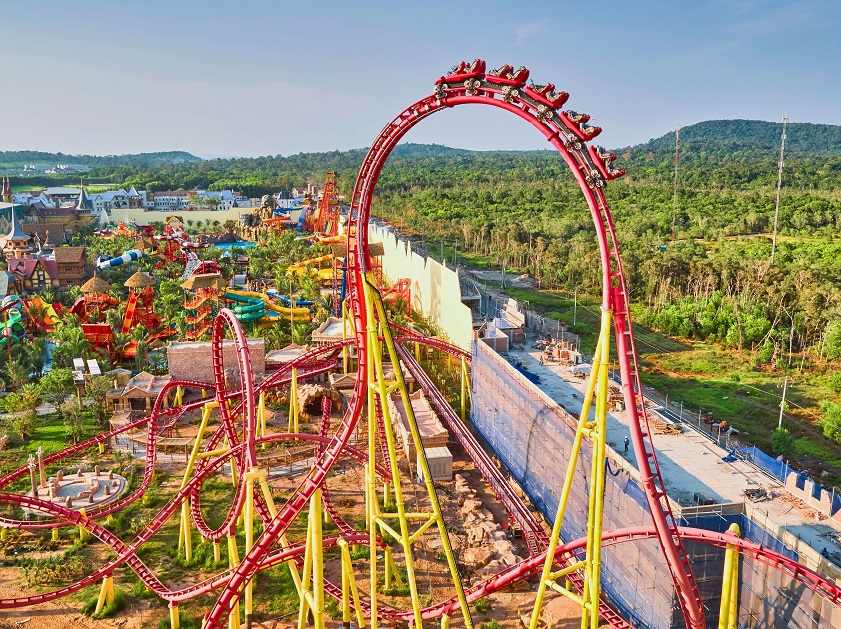
Experience the thrilling games at VinWonders
Book VinWonders Phu Quoc ticket now
Book VinWonders Nha Trang ticket now
Book VinWonders Nam Hoi An ticket now
Book VinWonders Wave Park & Water Park
Best-selling products